Yana Skakun
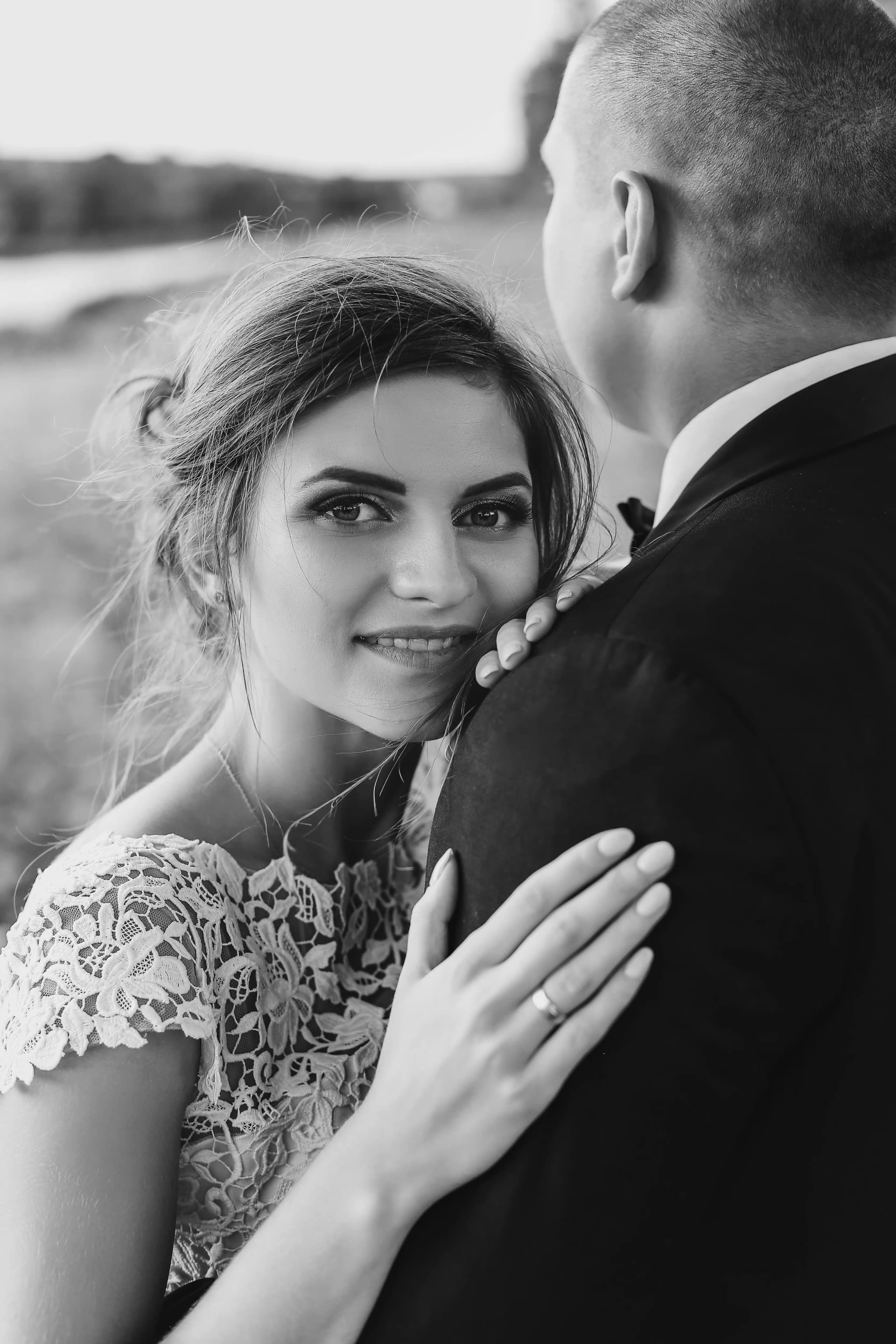
Wimpole Estate Engagement Photography: National Trust Romance in Cambridgeshire
By Yana Skakun·4 April 2026·7 min read
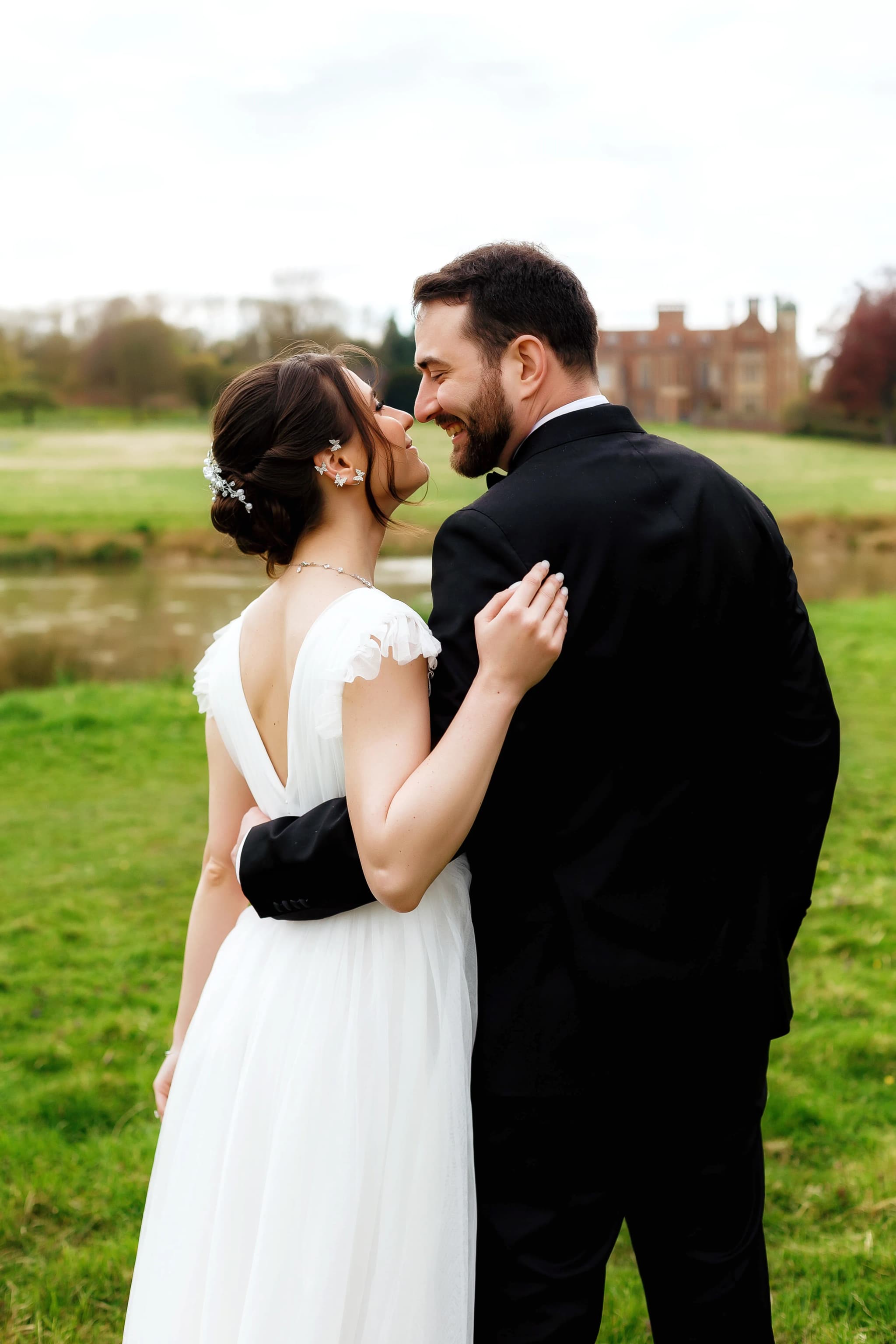
Of all the locations I photograph engagement sessions at across Cambridgeshire, Wimpole Estate is the one that couples tend to fall in love with the moment they arrive, even before a single frame has been taken. It is the county's grandest National Trust property — roughly 3,000 acres of historic parkland originally shaped by Capability Brown, a Georgian mansion that has been added to and altered across two centuries, a working Victorian model farm with rare-breed animals, and one of the finest collections of specimen and avenue trees anywhere in the East of England. Most engagement locations offer one strong backdrop and you build a session around it. Wimpole offers four or five genuinely distinct backdrops within a single estate, which means a couple can walk from a mile-long avenue of lime trees to a formal Georgian façade to a red-brick farmyard to open rolling parkland, all in the space of a single afternoon, without ever leaving the grounds. That range is rare, and it is the reason I recommend Wimpole so often to couples who cannot decide between a "grand and architectural" session and a "relaxed and rural" one — at Wimpole, you genuinely do not have to choose.
Why Wimpole Works So Well for Engagement Photography
Engagement sessions are, at their best, a chance for a couple to spend an unhurried hour or two together outdoors, being gently directed rather than posed, in a setting attractive enough that the photographs still feel special years later. What Wimpole offers that many other estates do not is scale combined with variety. Because the parkland is so extensive, we are rarely photographing within sight of other visitors, even on a reasonably busy weekend. There is room to walk, to talk, to actually experience the place together rather than performing for a camera in a crowded car park corner, which is a real risk at some of the more compact, popular Cambridgeshire locations.
The other advantage is seasonal range. Because the estate includes formal gardens, ancient parkland trees, a farmyard, and long avenue plantings, there is always something photographing well regardless of the time of year. A couple who wants fresh green foliage, one who wants golden autumn colour, and one who wants the graphic bare branches and low winter light of December can all be served by the same estate, just by choosing a different focal area within it. I generally have a specific corner of Wimpole in mind for whatever month a couple books, rather than defaulting to the same spot regardless of season.
The Grand Avenue
Wimpole's single most photographed feature, and deservedly so, is the Grand Avenue — a double row of lime trees running for nearly two miles from the edge of the parkland toward the Hall. It is one of the longest avenues of its kind in England, and walking even a short stretch of it with a couple produces some of the most reliably beautiful images I take all year. In high summer the canopy is dense and green, casting a soft, even, dappled light onto the path beneath — ideal for walking shots where a couple is simply moving together, hand in hand, laughing at something one of them has said. In autumn the limes turn a deep gold in sequence, generally starting at the crown and working outward, and for a few weeks in October the fallen leaves carpet the avenue floor in a way that photographs beautifully underfoot as well as overhead. In winter, once the leaves are down, the bare trunks and branches form a graphic, almost architectural tunnel that frames a distant view of the Hall — a very different mood, but a striking one, especially in low, clear winter light.
Because the avenue is so long, there is no need to fight for a particular spot or worry about other visitors being in frame. I usually work with a couple somewhere in the middle third of the avenue, far enough from the car park and the Hall that footfall is lighter, and use the repeating line of trunks to create depth in the composition — a couple walking away from camera down the avenue, receding into the tree line, is one of the most requested images from a Wimpole session, and for good reason.
Wimpole Hall and the Formal Gardens
The Hall itself is a substantial Georgian mansion, built and extended across roughly two hundred years, with a scale and formality that very few other Cambridgeshire engagement locations can offer without being a private hire venue. For couples who want at least a portion of their session to feel elegant and slightly grand — the kind of image that would not look out of place printed large and framed — a few minutes in front of the Hall's south front does exactly that. The south-facing façade catches good afternoon light for much of the year, and the symmetry of the building gives a strong, clean architectural backdrop that does not compete with the couple in frame.
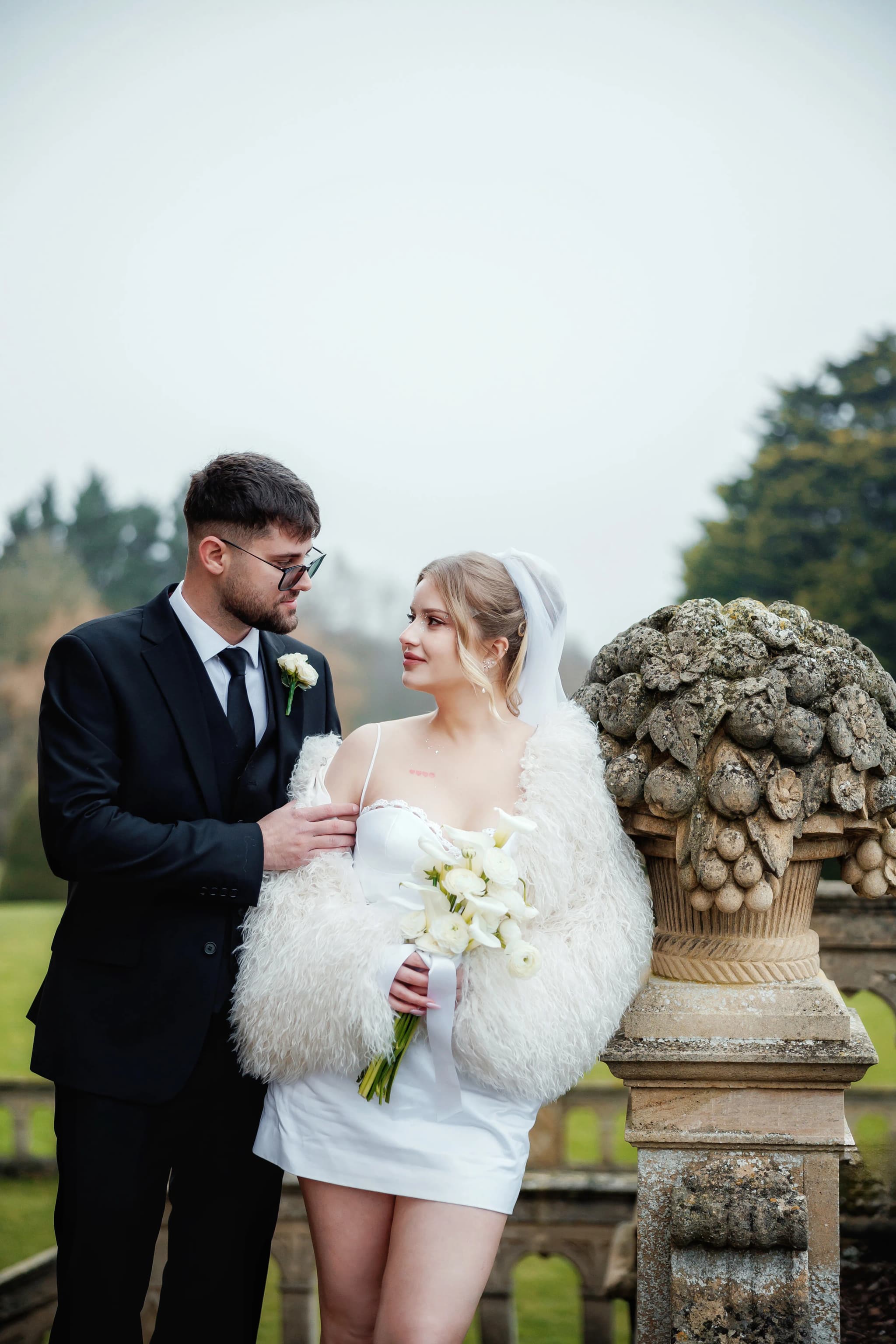
Around the Hall, the formal gardens, the ha-ha, and the terrace walls provide a series of smaller, more intimate portrait areas with quite different characters from the open avenue or parkland. These work particularly well for closer, more detailed portraits — hands, rings, quieter embraces — where a simpler, more contained background suits the mood better than a sweeping landscape. Because access to the Hall grounds and formal gardens requires National Trust entry, I always factor this into the session planning so we make efficient use of the time we have there rather than wandering and hoping for the best.
Wimpole Home Farm
A short walk from the Hall, the Victorian Home Farm is one of the largest model farms surviving in England, and it offers an aesthetic that is completely different from the grandeur of the mansion and avenue — red brick barns, timber framing, cobbled yards, and the genuine, unstaged presence of rare-breed animals including Longhorn cattle, Tamworth pigs, and a variety of heritage poultry and sheep. Couples who find the idea of a formal, architectural engagement session a bit stiff, or who simply want their photographs to reflect a more relaxed, rural, unmistakably English character, tend to gravitate to the farm the moment they see it.
It is also, incidentally, an excellent choice for couples bringing children along to their session, or for anyone who wants a slightly more playful, story-driven set of images rather than a purely romantic one. The animals, the working buildings, and the textures of the farmyard give us plenty to react to and photograph around, rather than relying solely on posed interaction between the couple, which can feel like a lot of pressure over a full session if it is the only mode available.
The Wider Parkland and the Gothic Folly
Beyond the formal gardens and farm buildings, Wimpole's parkland opens out into exactly the kind of landscape Capability Brown intended when he redesigned it in the 1760s — rolling grassland, loose clumps of mature trees, long uninterrupted views, and nothing that reads as obviously "designed" even though every element of it was. Early morning and late afternoon light rakes low across this undulating ground in a way that adds real depth and shape to the landscape behind a couple, and because the parkland is so open, we have enormous flexibility in choosing exactly where the light and the couple line up best on the day.
On the skyline sits Wimpole's folly — a deliberately built Gothic ruin, tower-like and atmospheric, constructed purely as an eye-catcher for the view rather than for any practical purpose. It is a genuinely unusual backdrop, unlike anything else available in the county, and for couples who want at least one image from their session that looks nothing like a typical Cambridgeshire engagement photograph, a walk out to the folly is well worth the extra distance. It does add meaningfully to the length of the session, so I only build it in when there is enough time and a couple who are keen for the walk.
Planning a Wimpole engagement session
I photograph at Wimpole regularly across every season and know which corners of the estate suit which light, which times of day avoid the crowds, and how to route a session so we see real variety without rushing. If you like the idea of an avenue, a mansion, a farmyard, and open parkland all in one afternoon, this is the place.
Enquire about a Wimpole sessionPractical Details: Access, Timing, and What to Expect
Wimpole Estate sits about eight miles south-west of Cambridge, just off the A603, and is straightforward to reach by car with ample on-site parking. Because it is a National Trust property, entry is required for anyone visiting the grounds, Hall, and Home Farm — either as a paying visitor or through National Trust membership, which many local couples already hold or find worth taking out if they plan to return for other occasions. It is worth checking current opening hours before booking, as these vary somewhat through the year and certain areas, particularly the Hall interior and Home Farm, can have slightly different hours from the wider parkland and gardens.
For engagement sessions I generally recommend allowing ninety minutes to two hours at Wimpole, simply because there is so much ground worth covering — trying to compress the avenue, the Hall, the farm, and the parkland into a much shorter window means rushing between locations rather than actually spending time in any of them. We do not need to visit every area in one session; part of the planning conversation is choosing two or three areas that suit the couple's taste and the season, rather than attempting all of Wimpole in one go.
Seasonally, autumn and spring tend to be the most photogenic windows — autumn for the avenue's colour and the low golden light across the parkland, spring for fresh green growth, blossom in the gardens, and the general sense of the estate waking up after winter. That said, Wimpole holds its own in every month of the year. Winter sessions along the bare avenue or across frosted parkland have a stark, elegant beauty that surprises a lot of couples who assume they need to wait for warmer weather, and summer offers long evenings and dense, dappled shade that keeps a session comfortable even on a hot afternoon. Early morning and the hour or two before closing tend to be quietest and offer the best light, and I plan session start times around this whenever a couple's schedule allows.
Wimpole rewards a bit of planning precisely because it offers so much — the difference between wandering the estate hoping to stumble on good spots and being taken directly to the avenue at its best hour, then the Hall front while the light is still soft, then the farmyard for something warmer and more playful, is the difference between a nice set of photographs and a genuinely memorable session. If you are considering Wimpole for your engagement photographs, whatever the season, get in touch and I can talk you through timing, which areas of the estate would suit you best, and what to expect from the day.

Yana Skakun
Photographer · England
Professional wedding, family and portrait photographer based in England. Passionate about capturing authentic emotions and timeless moments.
About Yana →Wimpole Estate engagementCambridgeshire National Trust engagement photosWimpole engagement sessioncountry house engagement CambridgeshireWimpole Hall Estate photographer
Photography Tips — Professional Photography in Cambridge & England
Yana Skakun is a professional photographer based in Cambridge, specialising in wedding, family, and portrait photography across England. Every session is personal — planned around your story, your people, and the moments that matter most. This guide — Wimpole Estate Engagement Photography: National Trust Romance in Cambridgeshire — is part of the photography journal: practical, experience-based advice drawn from real sessions across England. Whether you arrived searching for wimpole estate engagement or cambridgeshire national trust engagement photos, the same care and attention shapes every session Yana photographs.
Professional Photography sessions are available year-round, with bookings open across Cambridge, Ely, Huntingdon, Peterborough, and further afield — East England, London, the Midlands, and beyond. If you have specific questions about wimpole engagement session, mention it in your enquiry. Get in touch through the contact form above to check availability and discuss your session. Enquiries are welcomed from anywhere in the UK.
Frequently Asked Questions
What camera settings should I use for outdoor portraits?+
For outdoor portraits, shoot in aperture priority mode. Use a wide aperture (f/1.8–f/2.8) to blur the background and isolate your subject. Keep ISO as low as possible in good light. In bright conditions, use a neutral density filter or switch to manual to avoid overexposure at wide apertures.
What is the golden hour in photography?+
Golden hour is the period roughly 30–60 minutes after sunrise and before sunset. The sun is low in the sky, producing warm, soft, directional light that flatters skin tones and creates beautiful long shadows. It's widely considered the best natural light for portrait and outdoor photography.
How do you get sharp photos in low light?+
In low light, increase your ISO (accepting some grain), use the widest aperture your lens allows, and slow your shutter speed to the slowest you can hand-hold without camera shake (roughly 1/focal length as a guide). Use image stabilisation if available, and consider a tripod for static subjects.
What is the rule of thirds in photography?+
The rule of thirds divides the frame into a 3×3 grid. Placing your subject on one of the four intersection points — rather than dead centre — creates a more dynamic, visually interesting composition. It's a guideline, not a rule: some of the most powerful images break it deliberately.
How do you edit photos to look professional?+
Professional editing starts with shooting in RAW format. In Lightroom or similar software, correct exposure, white balance, and contrast first. Recover shadow and highlight detail. Apply gentle colour grading for mood. Be conservative with skin retouching — the goal is natural enhancement, not transformation. Consistency across a set of images is what separates professional from amateur editing.
Continue Reading
Related Articles

Photography Tips
Photography Gift Vouchers: The Most Personal Present You Can Give
5 min read · Read Article
Photography Tips
Photo Books vs Photo Albums: What Is the Difference and Which Is Better?
5 min read · Read Article
Photography Tips
Photo Gift Ideas: Turning Professional Images into Meaningful Presents
5 min read · Read Article
Get in Touch
Ready to Book Your Session?
Get in touch to discuss your vision — I'll reply within 24 hours.