Yana Skakun
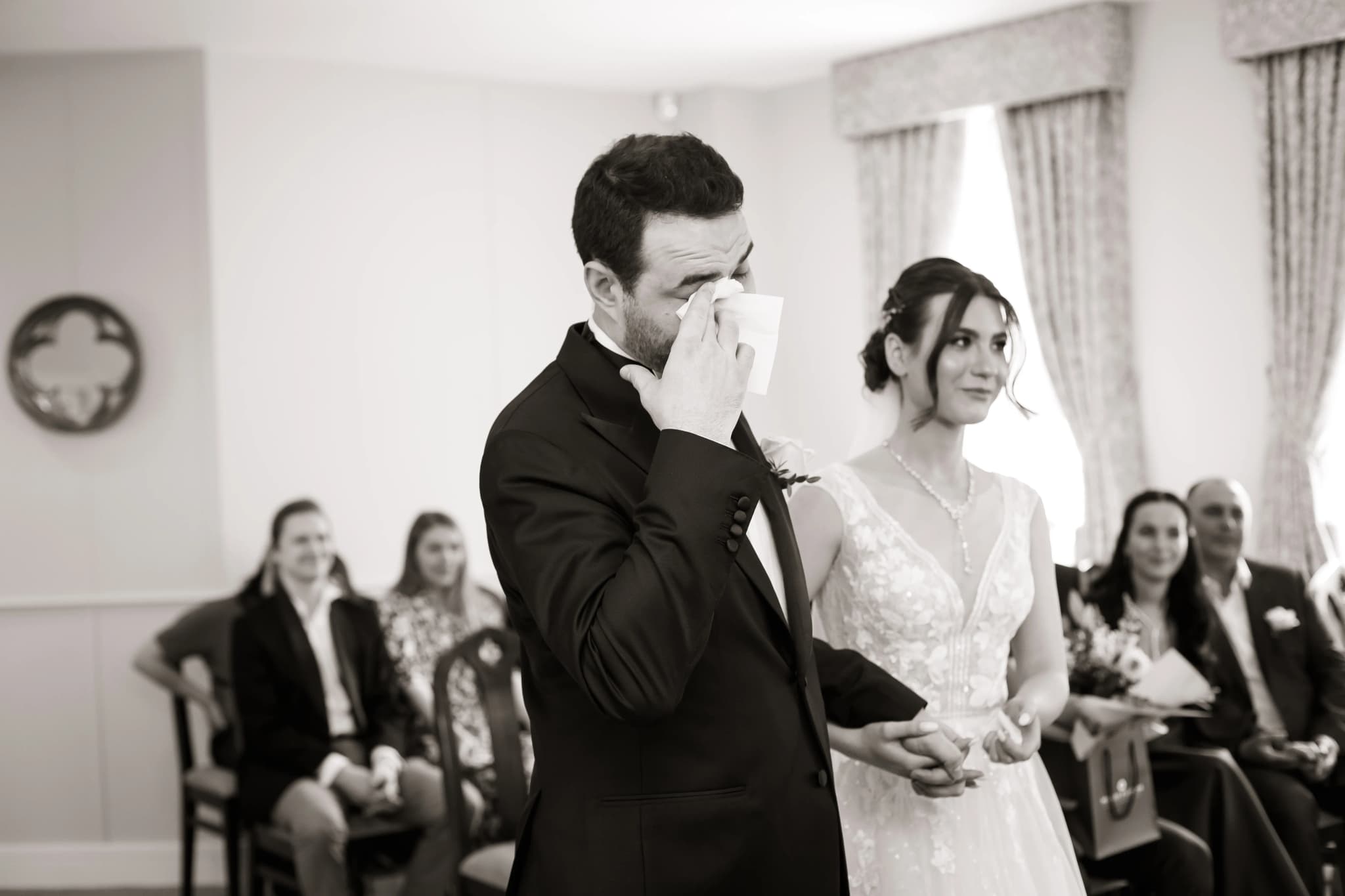
Editorial Flash Wedding Photography
Direct Flash Wedding Photography
Bold, graphic, high-contrast editorial wedding photography using on-camera flash — the aesthetic of fashion photography applied to the real moments of your wedding day.
Bold Flash, Bold Images
Direct flash wedding photography is the honest version of the editorial aesthetic — instead of lighting a studio shoot to look like direct flash, it is direct flash, with the graphic shadows, the crisp frontal definition and the dark-background figure separation that define the look. The aesthetic comes from the technique rather than from post-production simulation.
Applied to wedding photography, this technique produces images of extraordinary technical consistency and visual boldness — particularly in dark venues and evening reception settings where available-light documentary photography struggles to produce images with the clarity and graphic presence that the direct flash approach delivers naturally.
It is also the technique most associated with black and white wedding photography of genuine quality — the hard shadows and clean high-contrast tones of direct flash monochrome produces large-print images that have a presence available-light colour rarely matches.
Direct Flash Techniques Across the Wedding Day
How different flash approaches produce different visual results at each stage.
On-Axis Direct Flash
Hard, graphic, front-lit with bold shadow behind
On-axis direct flash — the speedlight mounted on the hot shoe directly above the lens — produces the characteristic aesthetics of paparazzi and editorial press photography: a hard frontal shadow behind the subject, even front-lit exposure on the face, and a darkening of the background that creates a graphic figure-ground separation. This is the 'red carpet' aesthetic applied to wedding photography — couples lit as if walking into a film premiere, at once intimate and editorial in feel.
Distance Flash
Flash at distance — separation light and pop
Flash used at 5–10 metres produces a different quality from the close-up on-axis look — a slightly softer frontal light combined with a background that goes to ambient. This technique is especially effective in dark venues where ambient is completely unusable and flash is necessary: the couple lit brightly in the foreground against a dark interior background, producing a graphic presence. It is also effective outdoors at blue hour, when the ambient sky is a deep blue and the flash renders the couple in bright warm contrast.
Bounce Flash — Ceiling and Wall
Soft directional flash from large surface
Ceiling bounce flash provides soft, broad, directional light from the largest available surface in a room — the kind of image that looks as though a large softbox was used but is achieved with a single speedlight in any venue. The characteristic of bounce flash is the top-of-frame light quality: subjects lit from above and slightly behind, with a catch-light in the upper portion of the eye rather than the central catch-light of direct flash. For reception speeches and dances, bounce flash allows mobility that studio flash cannot provide.
Fill Flash Outdoor Portraits
Balanced fill for outdoor midday light
Fill flash used outdoors in harsh midday sun fills the deep under-eye, under-chin shadows that make available-light outdoor portraiture difficult between 11am and 3pm. The flash power is set to provide 1–2 stops of fill below the ambient exposure — the shadow is lifted to readable, skin texture is retained, but the image doesn't read as flash-lit. This technique extends the usable portrait window from the low-light hours into the full day, which is important for weddings running to early afternoon portrait sessions.
Dance Floor Flash
High-energy reception party coverage
Dance floor flash photography is the most stylistically specific application — fast shutter speed (1/200) combined with ISO 400 and direct or slight-angle flash to freeze the dancers while dropping the background to black, or a slower shutter (1/30) to capture ambient movement blur while the flash freezes the subject in tack-sharp definition. The dance floor in the resulting images looks like a fashion shoot or music festival photography: energetic, graphic, clearly having fun, and printed as wallpaper-quality editorial images rather than blurry available-light party coverage.
Black and White Direct Flash
High-contrast editorial monochrome
Direct flash combined with black and white processing produces images in direct dialogue with the history of documentary and editorial photography — the contrast of the shadows, the graphic rendering of the foreground subject, the background falling to black: this is the aesthetic of Richard Avedon's party coverage, of the Vogue behind-the-scenes archive, of the classic photojournalism tradition. For edgy couples who want black and white wedding photography that doesn't look like the standard 'desaturated golden tone' aesthetic, direct flash monochrome provides a completely distinct visual language.
Editorial Flash Wedding Photography Packages
Bold, graphic wedding photography across the UK.
Essential
£1,395
- 6 hours coverage
- 300+ edited images
- Online gallery
- Personal licence
Most Popular
Full Day
£2,395
- 10 hours coverage
- 500+ edited images
- Online gallery
- Mix of flash and ambient
Premium
£3,495
- 12 hours coverage
- 700+ edited images
- Fine art album
- B&W print set included
Why Direct Flash Wedding Photography Works
The Editorial Fashion Aesthetic
Direct flash wedding photography belongs to the same visual lineage as fashion and editorial photography — the controlled, graphic aesthetic that the most recognisable photographers working for Vogue, i-D and Dazed have used for decades. Applied to weddings, it produces images that are visually distinct from the soft, golden-hour natural light aesthetic that currently dominates wedding photography. For couples who want wedding photographs that look genuinely editorial — sharp, graphic, bold — direct flash is the technical approach.
Works in Any Light Condition
The fundamental advantage of direct flash coverage is independence from ambient light conditions — dark venues that would produce unusable images with available-light documentary coverage become spaces where direct flash defines and renders the couple with clarity. Overcast outdoor conditions that flatten and dull available-light portraiture become neutral backgrounds against which flash-lit portraits are crisp and punchy. The consistent, controllable quality of flash means the images are technically consistent across the full range of light conditions a wedding presents.
Dark Venue Specialist Coverage
Many of the most beautiful wedding venues — candlelit barns, Victorian warehouses, Georgian dining rooms, basement cocktail bars — are photographically challenging in available light. They are designed for ambient, warm incandescent lighting that creates atmosphere but cannot provide the light levels required for sharp, low-ISO, detailed documentary photography. Direct flash coverage in these venues produces crisp, bold, dynamic images where available-light-only approaches struggle to produce anything technically satisfactory.
Evening and Night Photography
After 9pm in autumn and winter, outdoor available-light photography is generally unusable for anything requiring sharpness. Direct flash extends the outdoor photography window to any time of night — an exterior portrait against a lit castle facade at 11pm, a dance floor spill-out party shot at midnight under the venue exterior lights, a departure image at 1am under the stars. For weddings extending late into the evening, direct flash is the technical tool that maintains image quality throughout.
Consistent Quality Across the Gallery
Available-light documentary photography produces images of varying technical quality as light conditions change across a wedding day — the morning preparations in a hotel room at 9am are lit differently from the reception dinner room at 7pm, which is different from the dance floor at 10pm. The gallery as a whole varies in exposure quality, grain and rendering. Direct flash provides a more consistent technical quality across the day, because the primary light source (flash) is consistent even as ambient conditions vary.
Post-production Depth and Clarity
Direct flash images have a specific post-production quality: the foreground subject is sharp at pixel level with the flash-frozen shutter removing subject motion, and the background is rendered with a depth relationship invisible in ambient-light images. Black and white conversion of direct flash images is particularly rich — the shadows are true black, the highlights are controlled, the mid-tones are clean, and the skin rendering in high-contrast monochrome produces images that print large with a presence that available-light colour images rarely match.
Frequently Asked Questions
Will direct flash look 'cheap' or like snapshot photography?
Direct flash in unpractised hands can produce the flat, harsh look of smartphone flash photography. In the hands of a photographer who understands flash placement, power ratios, and post-production, the same technique produces the editorial aesthetic of the world's top fashion and documentary photographers. The difference is in understanding when to use direct flash and when to angle it slightly, the choice of shutter speed relative to ambient, the post-production choice to lean into the graphic shadow quality rather than try to correct it, and the compositional and timing skill that makes any photograph work regardless of light source. The camera-flash combination is not the aesthetic — the photographer is.
Is direct flash used for the whole day or just parts of it?
Most direct flash wedding coverage mixes flash and available-light work throughout the day — available light for outdoor ceremonies in good light, ceremony interiors where flash is inappropriate, and any situation where the ambient conditions are beautiful and flash would be additive rather than necessary. Direct flash is used consistently in dark venues, for evening and night coverage, for the dance floor, and for any portrait work where the editorial graphic aesthetic is the explicit goal. The gallery contains both flash and available-light images, which provides a more complete visual narrative than either approach used exclusively throughout.
What about ceremonies where flash is not allowed?
Most UK ceremony venues — register offices, churches, heritage buildings — either prohibit flash entirely or restrict it to specific moments. A fast prime (85mm f/1.4, ISO 3200) provides excellent ceremony coverage in available light even in dark church interiors. Flash is reintroduced after the ceremony for portraits, dinner and the reception. A ceremony without flash and a reception with flash provides a natural tonal contrast in the gallery — softer, more emotional ceremony images against bolder, more graphic reception images.
Is direct flash suitable for a formal or traditional wedding?
Direct flash produces a bold, graphic, slightly editorial aesthetic that is well suited to couples who want images with a strong visual character. For couples wanting soft, romantic, golden-hour images that match the gentle aesthetic of country house or garden wedding photography, flash-heavy coverage may feel visually mismatched with the setting. Direct flash works especially well in urban venues (warehouses, hotels, restaurants, city venues), indoor evening receptions, and for couples who specifically want the editorial aesthetic. A consultation early in the planning process establishes which aesthetic is right.
How does direct flash work for family portraits?
Family group portraits benefit from flash — it provides even illumination across a group of varying heights and skin tones, eliminates the harsh under-eye shadows of outdoor midday sun, and allows group shots in any weather. Direct flash for formal family groups is very close to standard professional family portrait practice and looks natural and technically correct in the gallery. The 'editorial' quality of direct flash is most visible in candid and unposed coverage — the family groups are simply well-lit professional portraits.
Want Bold, Graphic Wedding Photography?
Direct flash, editorial aesthetic, dark venues and late nights — get in touch to discuss your wedding.
Get in Touch
Let's Create Together
Tell me about your vision and I'll be in touch within 24 hours.