
Wedding Photographer Norfolk Broads — Broadland Waterways, Drainage Mills and the Open Fen Sky
The Norfolk Broads is England’s most distinctive water landscape — a 303-square-kilometre national park of navigable rivers, shallow lakes and fen that was created not by geological processes but by medieval peat digging: the broads are the flooded extraction pits of the medieval peat industry, whose workers could not have imagined that their eight centuries of digging would create the nation’s most celebrated inland waterway system. The broadland landscape has a visual character unlike any other English landscape: the open water, the reed beds, the sailing wherries, the drainage windmills on their dyke-side banks and the enormous, uninterrupted Norfolk sky above create a specific aesthetic that Norfolk Broads wedding photography uses as its primary setting. I photograph both the intimate, watery details of the broadland landscape and its extraordinary open-sky panoramas from the dyke-top viewpoints above the water.
The Broads Waterways, Ranworth and Hickling
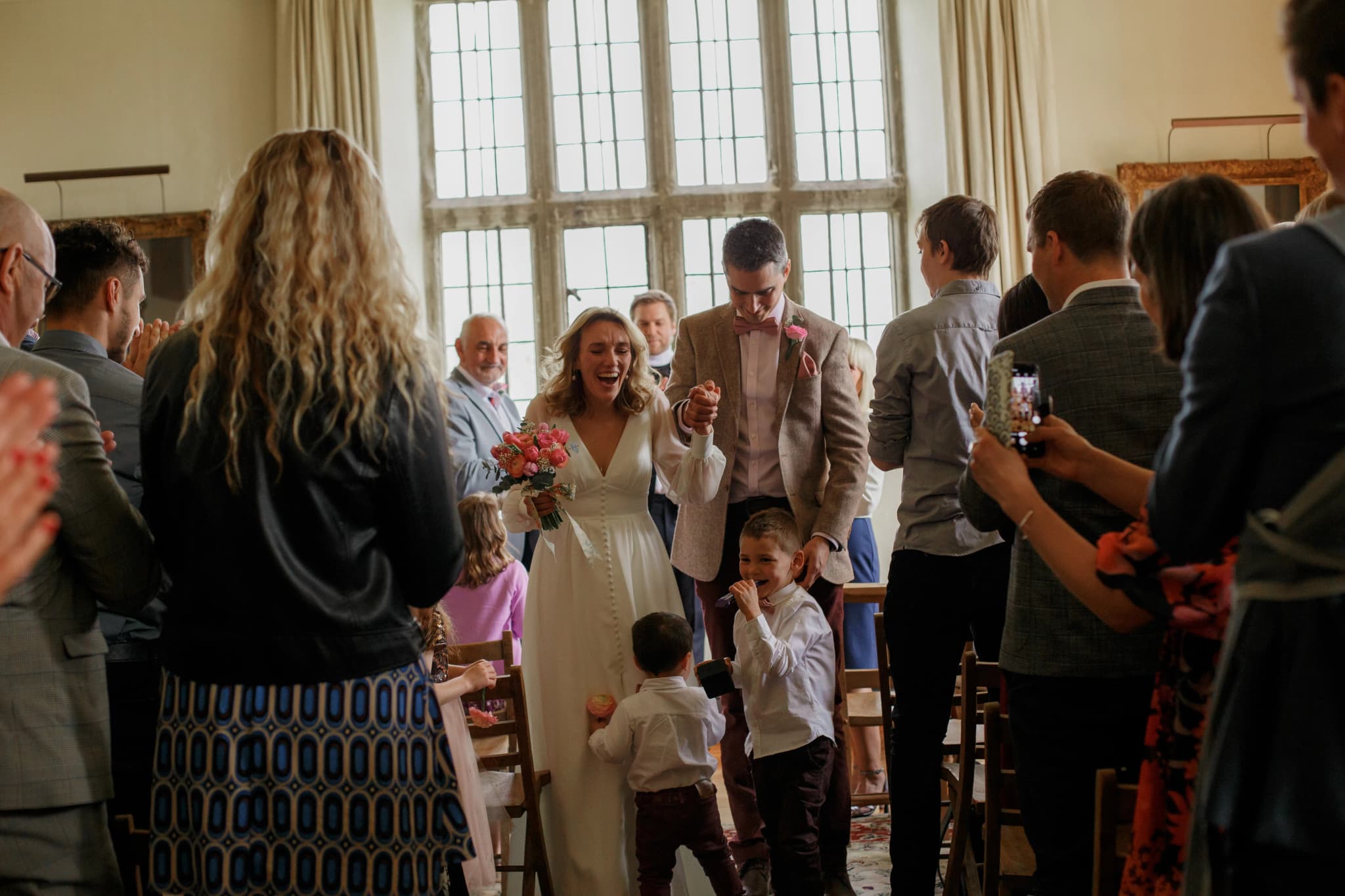
The broadland villages along the River Bure, Ant and Thurne — Wroxham (the ‘capital of the Broads’), Horning with its thatched riverside cottages, How Hill with the National Trust’s traditional thatched cottage and Hickling Broad (the largest of all the broads at 370 acres) — provide a sequence of wedding venue and portrait settings that are entirely water-defined in their character: arrival by boat, ceremony in a broadland barn, portraits at the water’s edge with the reed beds behind and the mill sails above. Ranworth Broad — a National Nature Reserve on the south River Bure, whose church of St Helen stands above the water with its late-medieval painted rood screen intact — is the most immediately photogenic combination of architectural and natural beauty in the broads. Potter Heigham’s medieval bridge — the lowest headroom arch in England at just 7 feet — and the open Thurne valley behind with its group of drainage mills provide the most traditionally broadland landscape view available.
The Southern Broads, Oulton Broad and the Waveney Valley
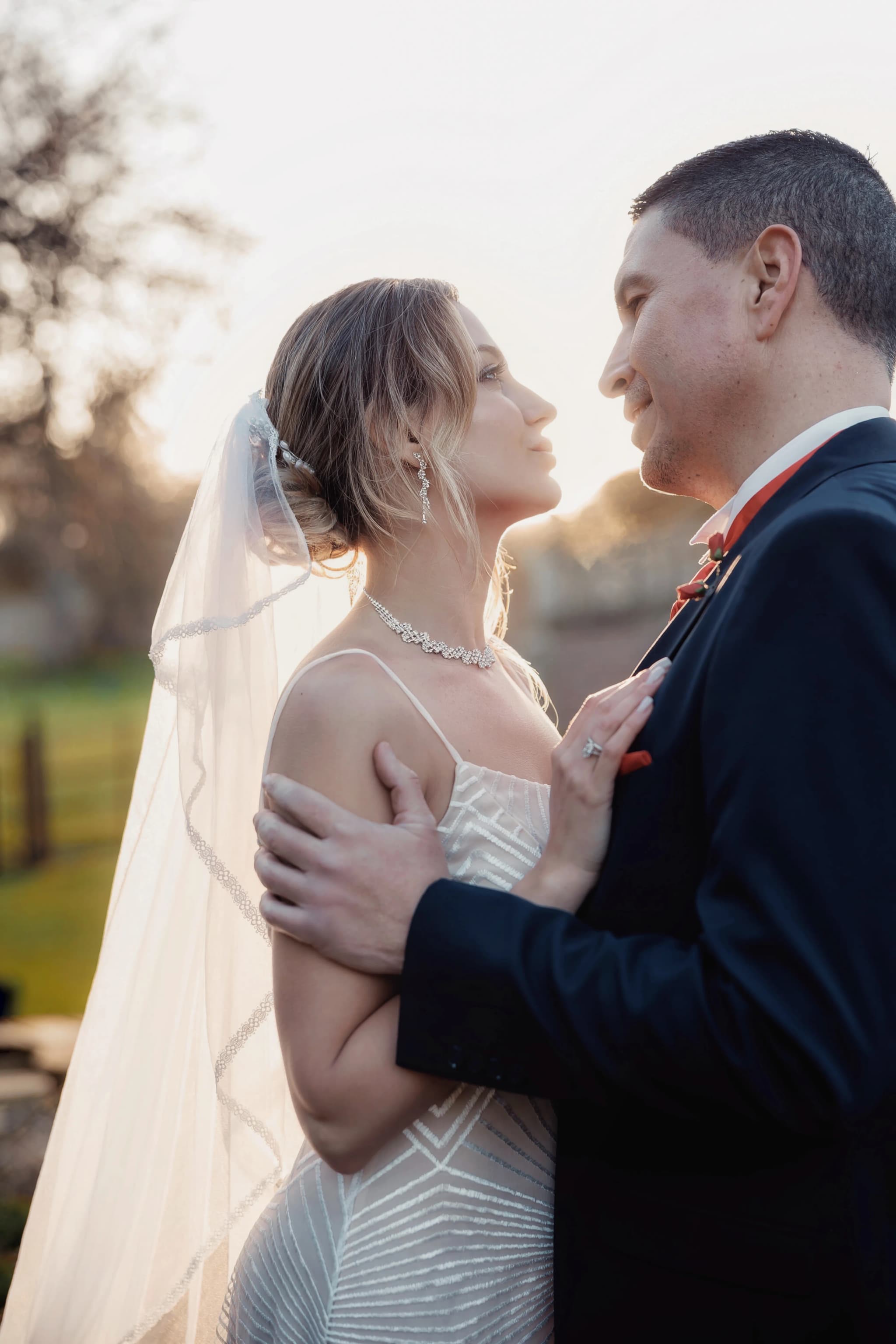
The southern broads in the Waveney valley — Oulton Broad near Lowestoft, Fritton Lake near Great Yarmouth and the Waveney River between Beccles and Bungay — provide a slightly different, more wooded and enclosed broadland character than the open northern broads, with the added distinction of straddling the Norfolk-Suffolk boundary along the Waveney. Beccles — a market town above the Waveney with a separate tower church and Georgian market square — is the wedding hub of the southern broads, providing both register office and several licensed premises venues within the town. Sunset and golden hour on the Broads is exceptional: the flat horizon, the open water and the westward-facing reed beds create the most photogenic conditions for couple portraits I have encountered anywhere in the east of England.