Yana Skakun

Why I Bring Backup Cameras to Every Single Wedding
By Yana Skakun·10 June 2026·6 min read
There is a moment at every wedding I shoot when I quietly stop being a photographer and become an insurance policy. It usually happens somewhere between the bride's father reaching for a tissue and the first kiss — a split second where I remember that this day cannot be reshot, and that the only thing standing between a once-in-a-lifetime memory and a catastrophe is the second camera hanging on my other shoulder. That is why I never, ever turn up to a wedding with a single body. Redundancy is not paranoia. It is the whole job.
A wedding day has no second take
When I photograph a portrait session in the meadows near Grantchester, and my battery dies or my card corrupts, I can reschedule. We pick another golden hour, I apologise, and life carries on. A wedding offers no such mercy. The confetti throw at Madingley Hall happens once. The signing of the register at a Suffolk village church happens once. If my camera chooses that exact moment to lock up, there is no "could we do that again?" — there is only the gap in the album where a memory should have been.
I have shot weddings across Cambridgeshire, Suffolk and Norfolk for long enough to have seen gear fail in nearly every way it can. A shutter that seized mid-ceremony. A memory card that read fine all morning and then threw an error during the speeches. A lens that decided, on a humid July afternoon, that autofocus was optional. None of those days ended in disaster, and the reason is dull and unglamorous: I had a second everything, already switched on, already metered, already on my body.
What a real backup setup actually looks like
People often assume a backup camera is the dusty old body you keep in a cupboard for emergencies. It is not. A genuine backup is a second professional camera you are already shooting with, configured to the same standard as your main one, so that switching between them is invisible in the final gallery. I carry two identical bodies for exactly this reason. If one fails, I do not lose a beat, fumble with unfamiliar menus, or hand you photos that suddenly look different.
Redundancy runs deeper than the camera body, though. Every weak link in the chain — the card, the battery, the lens, the file itself — needs a fallback. Here is precisely what I bring to every single wedding, and why each piece earns its place in the bag:
- ◆Two professional bodies: Identical cameras, both live and ready, so a failure means a one-second swap rather than a lost ceremony.
- ◆Dual card slots: Every frame writes to two cards at once. If one card corrupts, the other already holds an exact copy of your day.
- ◆Spare batteries, fully charged: Cold churches in Cambridgeshire drain power fast. I carry enough cells to outlast a twelve-hour day twice over.
- ◆Backup lenses: A second prime and a versatile zoom mean a dropped or stuck lens never leaves me staring at a moment I cannot capture.
- ◆Off-camera flash redundancy: Two flash units and spare triggers, because dim barn receptions in Suffolk do not wait for me to troubleshoot lighting.
- ◆Same-night cloud backup: Before I sleep, your images are copied to two drives and an encrypted cloud archive — three copies in two places.
Two cards are not optional — they are the rule
If I could persuade every couple to ask their photographer just one technical question, it would be this: "Does your camera write to two cards at the same time?" A camera with dual slots records every frame twice, in the same instant, to two separate cards. Memory cards do fail — rarely, but they do — and when one does, the second card has already saved the day before anyone knew there was a problem. It is the single most important redundancy in wedding work, and it happens entirely silently.
This matters even more in our part of the world. A damp marquee in the Fens, a sudden downpour during a Norfolk coastal shoot, condensation when we move from a cold porch into a warm hall — British weather is unkind to electronics. Dual-card recording means that even if the environment conspires against one card, your photographs survive on the other. I would not shoot a wedding on a single-slot camera, and I would gently steer any couple away from a photographer who does.
The redundancy you never see
Most of my backup planning is invisible to you, and that is exactly the point. A wedding photographer's competence is measured by the problems you never find out about. When a battery warning flashes during the first dance, I reach into my pocket without breaking eye contact with the couple. When a flash misfires, I am already lifting the second unit. You should leave your wedding believing nothing went wrong, because from where you stood, nothing did.
That calm only exists because the planning happened weeks earlier. I charge and test every battery the night before. I format and check every card. I clean and inspect each lens and pack the bag in the same order every time, so that under pressure my hands know where everything lives. Redundancy is not just owning spare gear — it is rehearsing the failure so thoroughly that, when it comes, it feels routine.
Why this is really about peace of mind
At its heart, carrying backups is not a gear decision. It is a promise. When a couple in Cambridge or out in the Suffolk countryside trusts me with their wedding, they are trusting me with memories they can never recreate. The least I can do is make sure no single point of failure — a card, a shutter, a flash, a flat battery — can ever take those memories away from them.
So when you are choosing your photographer, look past the showreel and ask about the unglamorous things. Ask how many cameras they carry. Ask whether they back up to two cards. Ask what happens, on your day, if something breaks. The answer to that question tells you far more about whether your memories are safe than any portfolio ever could.
Want a photographer who plans for the worst so your day only feels like the best?
I bring full backup gear and same-night triple backups to every Cambridgeshire and Suffolk wedding I shoot. Let's make sure your memories are never left to chance.
Check Your Date →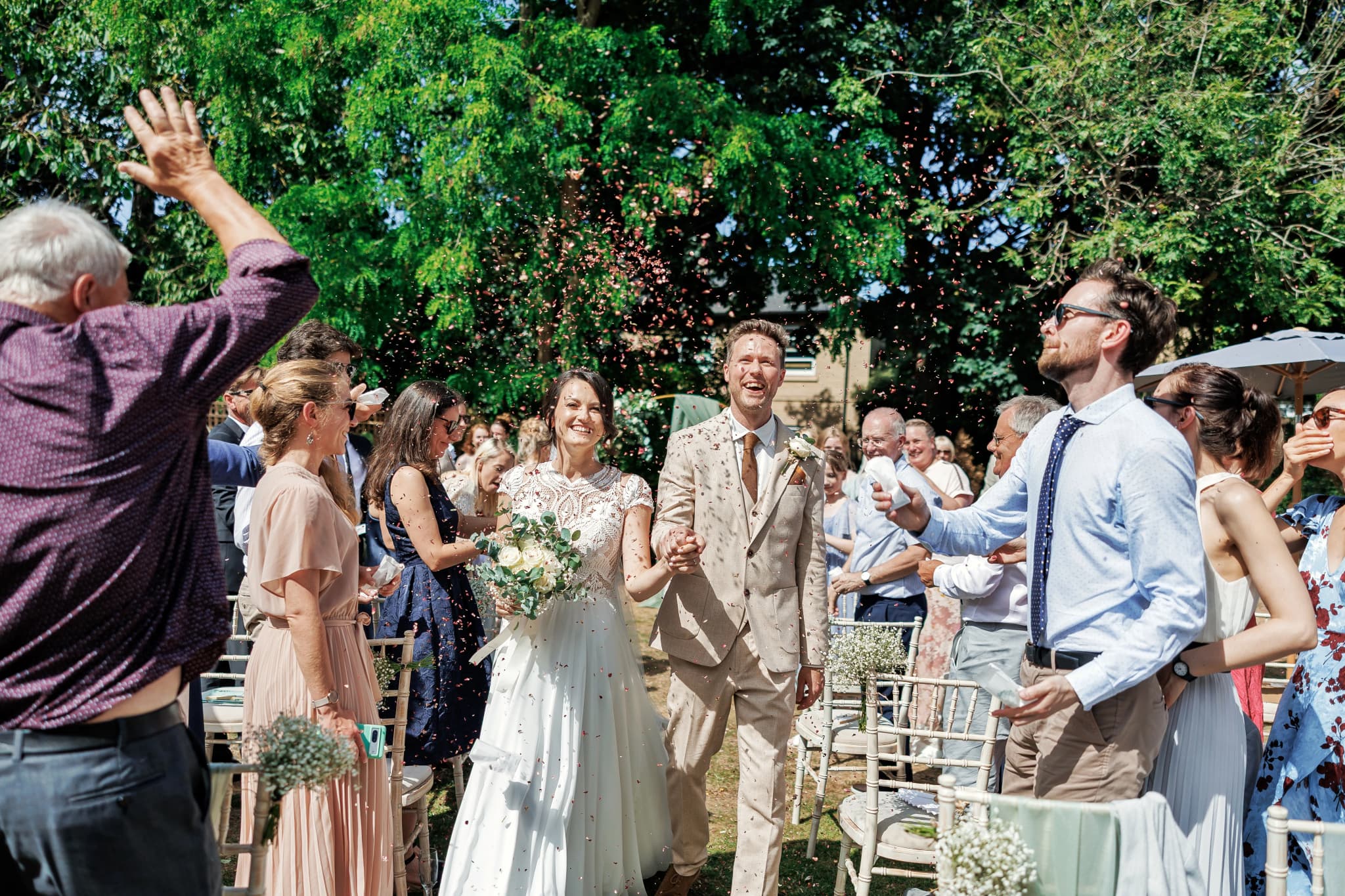



Yana Skakun
Photographer · England
Professional wedding, family and portrait photographer based in England. Passionate about capturing authentic emotions and timeless moments.
About Yana →backupcameraweddingphotographer
Behind the Scenes — Professional Photography in Cambridge & England
Yana Skakun is a professional photographer based in Cambridge, covering weddings, families, and portraits across England. Every session is personal — planned around your story, your people, and the moments that matter most. This guide — Why I Bring Backup Cameras to Every Single Wedding — is part of the photography journal: practical, experience-based advice drawn from real sessions across England. Whether you arrived searching for backup or camera, the same care and attention shapes every session Yana photographs.
Professional Photography sessions are available year-round, with bookings open across Cambridge, Ely, Huntingdon, Peterborough, and further afield — East England, London, the Midlands, and beyond. If you have specific questions about wedding, mention it in your enquiry. Get in touch through the contact form above to check availability and discuss your session. Enquiries are welcomed from anywhere in the UK.
Frequently Asked Questions
What does a photographer carry in their camera bag?+
A professional wedding or portrait photographer typically carries at least two camera bodies (primary and backup), 3–5 lenses covering wide to telephoto, multiple flash units, batteries and memory cards, a laptop for tethering if shooting in studio, and various accessories. The exact kit depends on the assignment and shooting conditions.
How do photographers edit their photos?+
Most photographers shoot in RAW format and use Adobe Lightroom for primary culling, colour grading, and global adjustments. Photoshop is used for detailed retouching where needed. Many photographers develop custom presets that establish their signature colour palette, then fine-tune each image individually. A typical wedding gallery of 600 images can take 20–40 hours to edit.
How long does it take to receive wedding photos?+
Most professional wedding photographers deliver final edited galleries within 4–8 weeks of the wedding date. Some offer 6–10 week turnaround, particularly during peak season when workload is highest. Discuss expected delivery timelines before booking and confirm it in your contract.
What backup systems do professional photographers use?+
Professional photographers back up images immediately after a shoot, often using dual-card capture during the wedding day itself (if the camera supports it). After the event, files are backed up to at least two separate drives and often a cloud service. Losing a client's images is a career-ending event — every working professional takes data security extremely seriously.
Do wedding photographers watermark their photos?+
Professional photographers typically do not watermark the digital files delivered to clients. Watermarks on personal images are inconvenient for clients and look unprofessional. Watermarking is more common on low-resolution online preview images or social media posts, but delivered gallery images are usually clean and ready to print.
Continue Reading
Related Articles

Behind the Scenes
Behind the scenes: A spring wedding in Cambridgeshire
8 min read · Read Article
Behind the Scenes
Carbon Neutral Wedding Photographer: How I Offset My Travel Emissions
6 min read · Read Article

Behind the Scenes
What is an Eco-Friendly Wedding Photographer? (My Commitment)
6 min read · Read Article
Get in Touch
Ready to Book Your Session?
Get in touch to discuss your vision — I'll reply within 24 hours.