Yana Skakun

Batch Editing Wedding Photos: Myth vs Reality
By Yana Skakun·10 June 2026·6 min read
If you've ever wondered why one photographer delivers your wedding gallery in three weeks and another takes ten, the answer almost always lives in the edit. There's a persistent myth that batch editing wedding photos means dragging one preset across 800 images and hitting export. I wish it were that simple. After years of shooting weddings across Cambridgeshire and Suffolk, I can tell you that real wedding editing is image-by-image work, and understanding why will change how you choose your photographer.
What "batch editing" actually means
Let's clear up the language first, because the word "batch" does a lot of misleading work. In my workflow, batching is a starting point, not a finish line. I'll select a run of frames shot under the same light, the same room, the same moment, and apply a consistent base correction to all of them at once. That part is genuinely efficient and entirely legitimate.
The myth is that the base correction is the whole job. It isn't. A preset can't know that the bride moved two feet to the left and her face fell into shadow. It can't know that a Cambridgeshire barn has warm tungsten uplighting on one wall and cold daylight pouring through the doors on the other. Batch editing gets me ninety per cent of the way on the easy frames and almost nowhere on the ones that matter most.
Why one preset never fits a whole wedding
A single wedding day is not a single lighting situation. It's often a dozen of them stitched together. Morning prep beside a north-facing window, a candlelit church in the Fens, confetti in flat October cloud, a first dance lit by nothing but a DJ's magenta wash. No preset survives contact with that range. Apply your golden-hour look to a grey ceremony and you'll get muddy skin and a sky the colour of dishwater.
British weather makes this harder still. I've photographed couples who had blazing sun, a downpour, and a rainbow inside the same hour in Suffolk. White balance, exposure, and contrast all shift frame to frame as clouds move. Editing those images as one block would flatten exactly the variety that made the day feel alive.
Skin tone is where shortcuts show fastest. Every guest's complexion reacts differently to mixed light, and getting people to look like themselves, not orange, not grey, is the most human part of the job. That's judgement, not maths.
What I'm actually adjusting on each frame
When I sit down with your gallery, each image gets looked at on its own terms. It sounds laborious, and it is, but it's the difference between photos that feel finished and photos that feel processed. Here's what genuinely changes from one frame to the next:
- ◆White balance: Mixed venue lighting means warmth shifts within a single room, so each frame is neutralised to keep skin honest.
- ◆Exposure: A face turned from a window can lose a stop of light in seconds, and that's corrected per image, not per batch.
- ◆Colour grade: The mood of a candlelit speech is not the mood of a confetti run, and the palette follows the moment.
- ◆Local adjustments: I'll dodge a shadowed face or rein in a blown highlight on a white dress that a global slider can't touch.
- ◆Crop and straighten: Composition gets refined frame by frame so horizons sit level and the eye lands where it should.
- ◆Distractions: An exit sign, a stray bin, a phone in the aisle: small clean-ups that only matter once you notice them.
The cost of the one-click promise
I understand the appeal of a fast, cheap edit, and I'd never judge a couple for being tempted. But the galleries I'm asked to rescue, often a year after the wedding, share the same fingerprints: inconsistent skin tones from chair to chair, ceremonies that look flat and lifeless, and that telltale heavy-handed filter that will date badly by your first anniversary. Once a preset is baked across hundreds of frames, unpicking it is harder than starting again.
There's also the question of what you're really paying for. The shooting is a single day; the editing can be the larger share of the work. When a price looks too good to be true, the saving has usually come out of the edit, which is precisely the part you'll be looking at on your wall for decades. A considered, image-by-image edit is slower and it's the honest cost of work that lasts.
What to ask before you book
You don't need to become an editing expert to protect yourself. Ask to see a full gallery from a real wedding rather than a curated highlights reel, ideally one shot somewhere with tricky light like a dim country church or an evening reception. Look at whether skin tones stay consistent across the whole day and whether the dark, candlelit moments still feel warm rather than dingy.
Ask, plainly, how images are edited and how long delivery takes. A photographer who edits frame by frame will tell you so happily, and they won't promise your full gallery in forty-eight hours. That patience is a feature, not a delay. The work that goes quietly into each frame is the work you'll never see but always feel.
Want photos that are edited like they matter, because they do?
I'm a Cambridge-based wedding photographer who hand-edits every gallery, frame by frame, so your day looks like itself. Tell me your date and venue and let's talk.
Check Your Date →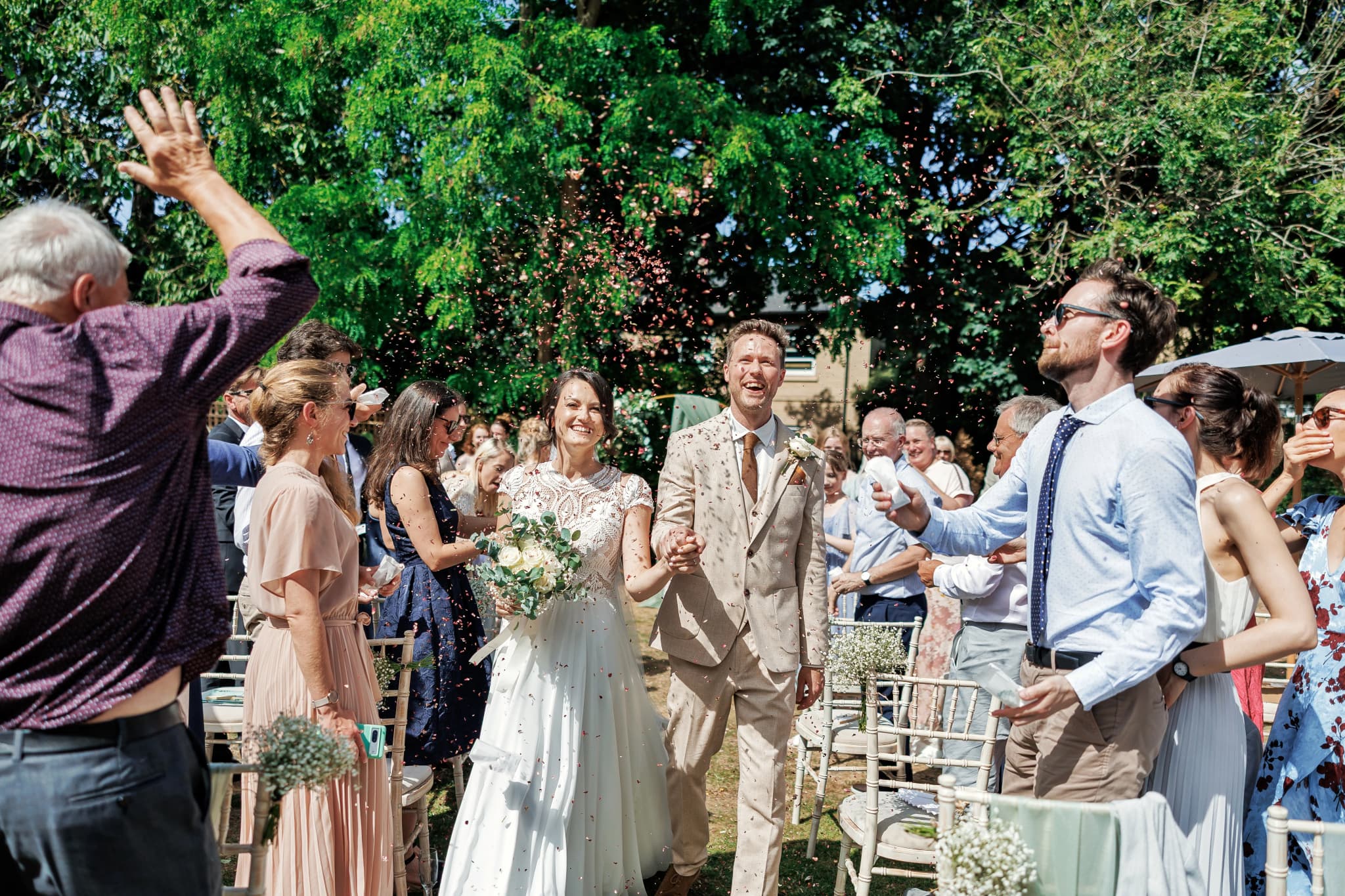

Yana Skakun
Photographer · England
Professional wedding, family and portrait photographer based in England. Passionate about capturing authentic emotions and timeless moments.
About Yana →batcheditingweddingphotos
Behind the Scenes — Professional Photography in Cambridge & England
Yana Skakun is a professional photographer based in Cambridge, covering weddings, families, and portraits across England. Every session is personal — planned around your story, your people, and the moments that matter most. This guide — Batch Editing Wedding Photos: Myth vs Reality — is part of the photography journal: practical, experience-based advice drawn from real sessions across England. Whether you arrived searching for batch or editing, the same care and attention shapes every session Yana photographs.
Professional Photography sessions are available year-round, with bookings open across Cambridge, Ely, Huntingdon, Peterborough, and further afield — East England, London, the Midlands, and beyond. If you have specific questions about wedding, mention it in your enquiry. Get in touch through the contact form above to check availability and discuss your session. Enquiries are welcomed from anywhere in the UK.
Frequently Asked Questions
What does a photographer carry in their camera bag?+
A professional wedding or portrait photographer typically carries at least two camera bodies (primary and backup), 3–5 lenses covering wide to telephoto, multiple flash units, batteries and memory cards, a laptop for tethering if shooting in studio, and various accessories. The exact kit depends on the assignment and shooting conditions.
How do photographers edit their photos?+
Most photographers shoot in RAW format and use Adobe Lightroom for primary culling, colour grading, and global adjustments. Photoshop is used for detailed retouching where needed. Many photographers develop custom presets that establish their signature colour palette, then fine-tune each image individually. A typical wedding gallery of 600 images can take 20–40 hours to edit.
How long does it take to receive wedding photos?+
Most professional wedding photographers deliver final edited galleries within 4–8 weeks of the wedding date. Some offer 6–10 week turnaround, particularly during peak season when workload is highest. Discuss expected delivery timelines before booking and confirm it in your contract.
What backup systems do professional photographers use?+
Professional photographers back up images immediately after a shoot, often using dual-card capture during the wedding day itself (if the camera supports it). After the event, files are backed up to at least two separate drives and often a cloud service. Losing a client's images is a career-ending event — every working professional takes data security extremely seriously.
Do wedding photographers watermark their photos?+
Professional photographers typically do not watermark the digital files delivered to clients. Watermarks on personal images are inconvenient for clients and look unprofessional. Watermarking is more common on low-resolution online preview images or social media posts, but delivered gallery images are usually clean and ready to print.
Continue Reading
Related Articles
Behind the Scenes
Behind the scenes: A spring wedding in Cambridgeshire
8 min read · Read Article

Behind the Scenes
Carbon Neutral Wedding Photographer: How I Offset My Travel Emissions
6 min read · Read Article
Behind the Scenes
What is an Eco-Friendly Wedding Photographer? (My Commitment)
6 min read · Read Article
Get in Touch
Ready to Book Your Session?
Get in touch to discuss your vision — I'll reply within 24 hours.