Yana Skakun
How to Get the Best Photos on Your Wedding Day: 20 Tips
By Yana Skakun·12 March 2026·10 min read
The couples whose wedding photographs they genuinely love — not just like — all have something in common: they made a handful of deliberate decisions in the months and weeks before the day. The photography was not just left to the photographer. Here are twenty practical, concrete things you can do to make your wedding photos as good as they possibly can be.
Before the Day
- ◆1. Choose your photographer for style, not price: The single biggest predictor of loving your photos is booking someone whose existing work you already love. Look at full galleries, not just highlight reels. The editing style, the way they capture emotion, the quality in difficult light — all of this is fixed before they arrive. No amount of planning compensates for a style mismatch.
- ◆2. Schedule a pre-wedding shoot: A pre-wedding or engagement shoot with your photographer does two things: it gets you comfortable in front of a camera, and it builds rapport with the person who will be documenting your wedding day. Couples who have done a session beforehand are consistently more relaxed and natural on the day.
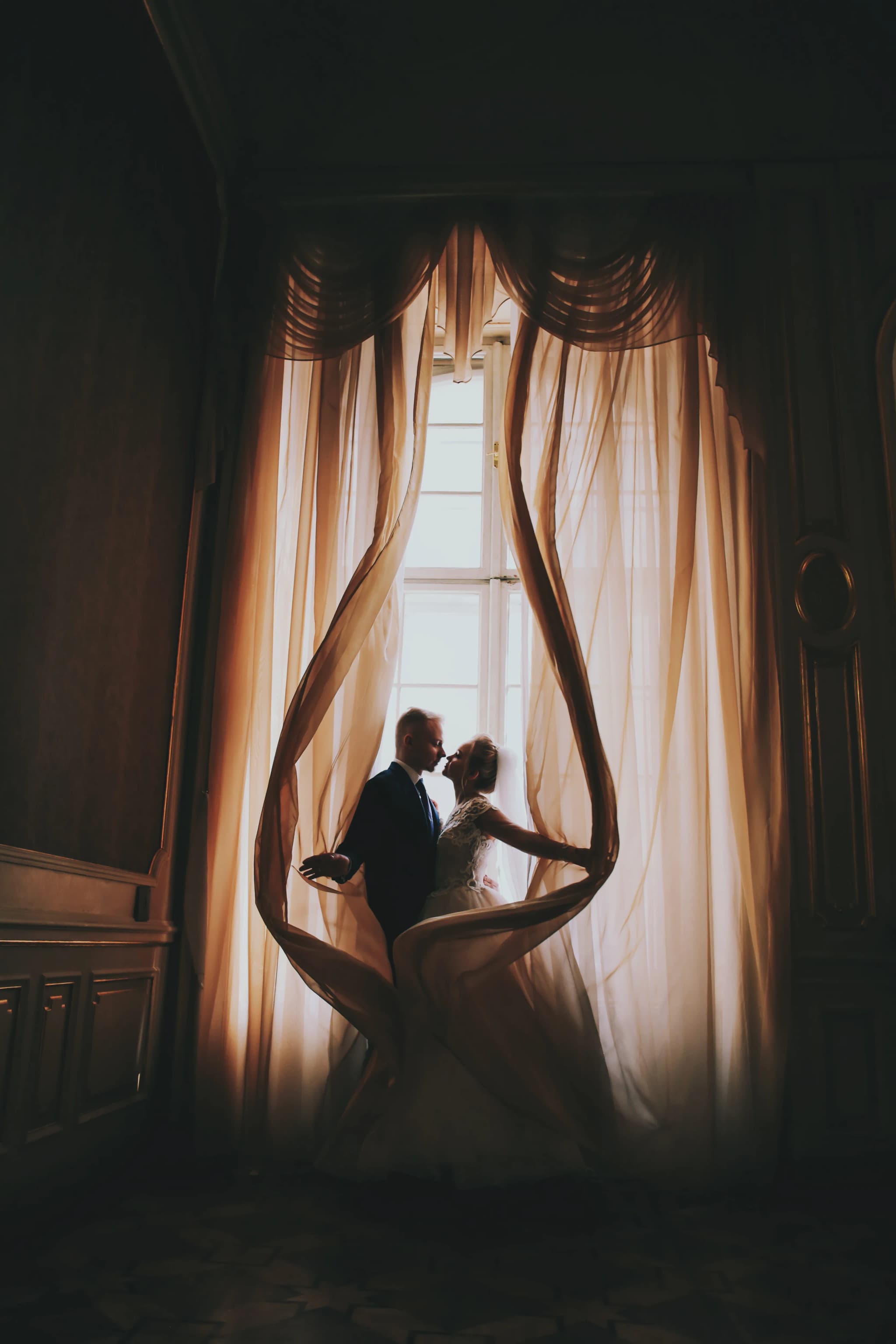
- ◆3. Build a realistic timeline: Give photography time in the schedule rather than treating it as something that happens in the gaps. The most common cause of rushed, disappointing wedding portraits is a timeline that had no portrait time built into it at all. Block 20–30 minutes for couple portraits in the golden hour. Tell your coordinator this is non-negotiable.
- ◆4. Visit portrait locations with your photographer beforehand: If your photographer has not worked at your venue before, a pre-visit is invaluable. If they have, ask them directly where the best portrait locations are and factor these into your timeline. Knowing in advance where you will go means no time is lost searching on the day.
- ◆5. Write a group photo list and share it with a coordinator: Nominated group photographs are the most time-consuming part of wedding photography. Having a pre-written list and a trusted person (a groomsman, a family member) who knows to round up the relevant people saves enormous time. Fifteen group combinations without a coordinator can take 35 minutes. With one, the same list can be done in 18.
- ◆6. Choose outfits that photograph well: You want a wardrobe consultant, not a fashion rulebook — but a few principles help: avoid large logos or text, choose colours that work against your venue, and check how your dress photographs outdoors rather than just under shop lighting. A fabric that looks stunning in person can burn out in strong sunlight.
On the Morning
- ◆7. Clear the getting-ready room: A tidy room photographs ten times better than a cluttered one. Ask someone to quickly clear visible clutter — empty glasses, bags on the floor, clothing, charger cables — before the photographer arrives. It takes four minutes and makes a noticeable difference.
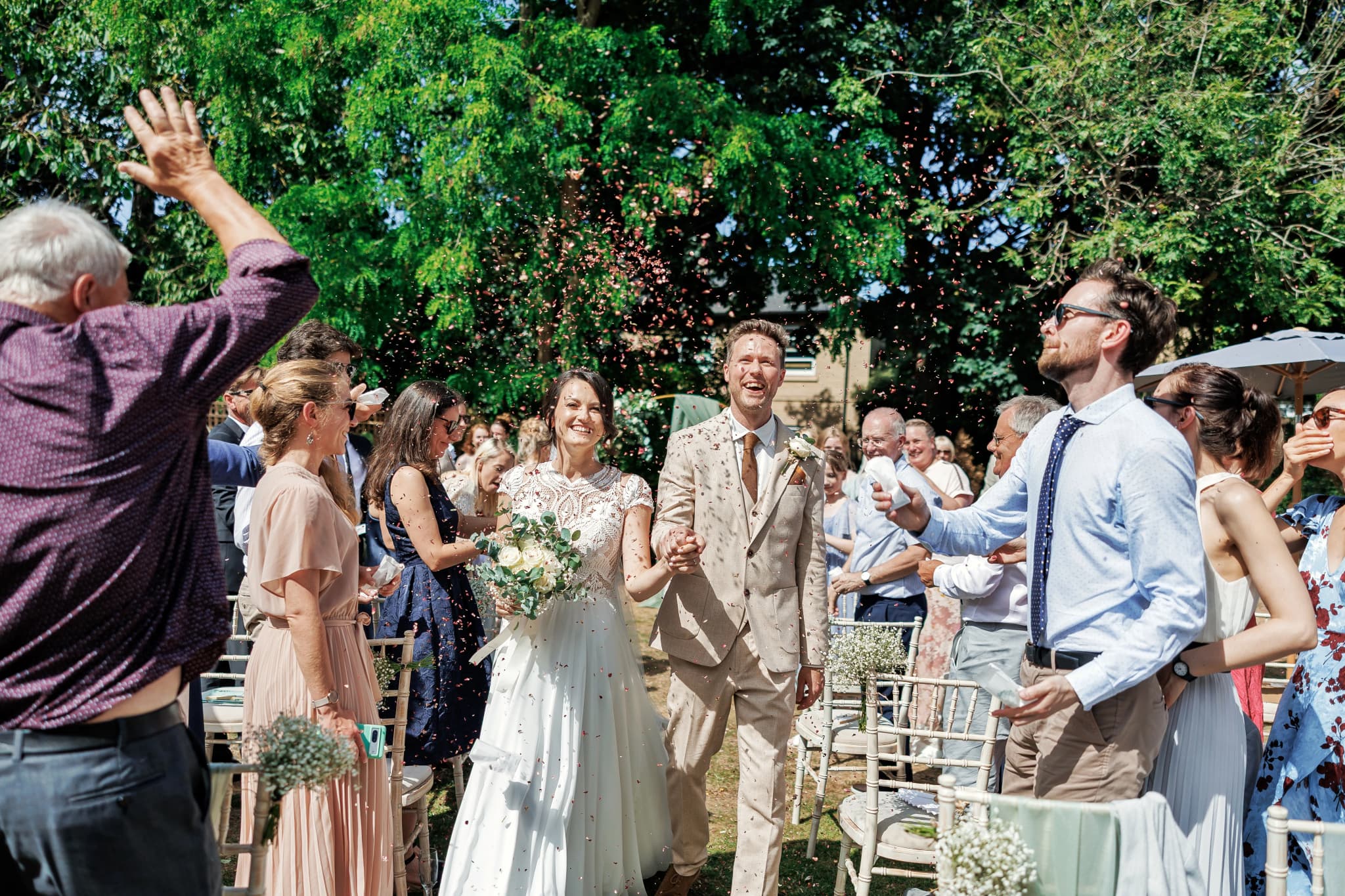
- ◆8. Put phones away during key moments: A ceremony photograph with ten arms holding up phones in the foreground is not the image you imagined. Talk to your guests in advance about being present. Communication is more effective than venue signs.
- ◆9. Let the morning run slowly: Rushing getting-ready photographs consistently produces worse images. Drama, urgency, and chaos read in the photographs. Aim to be 80% ready when your photographer arrives so the final details can be documented calmly.
- ◆10. Tell your family about the group photo plan: Brief your immediate family that group photographs will happen immediately after the ceremony, in a specific location, for approximately 20–30 minutes. Ask them not to disappear to the bar first. This briefing alone can save 15 minutes of shepherd work.
The Golden Hour Rule
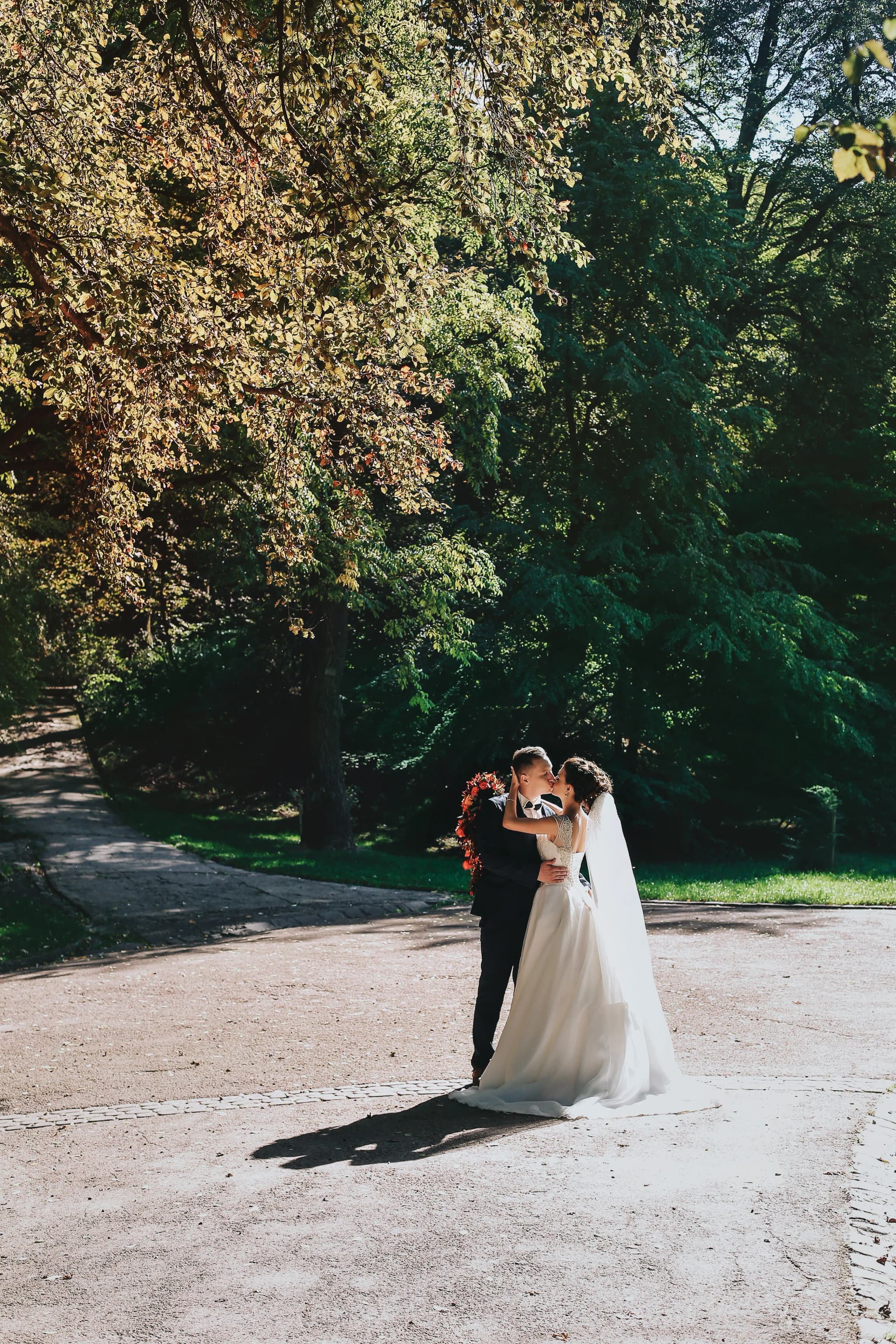
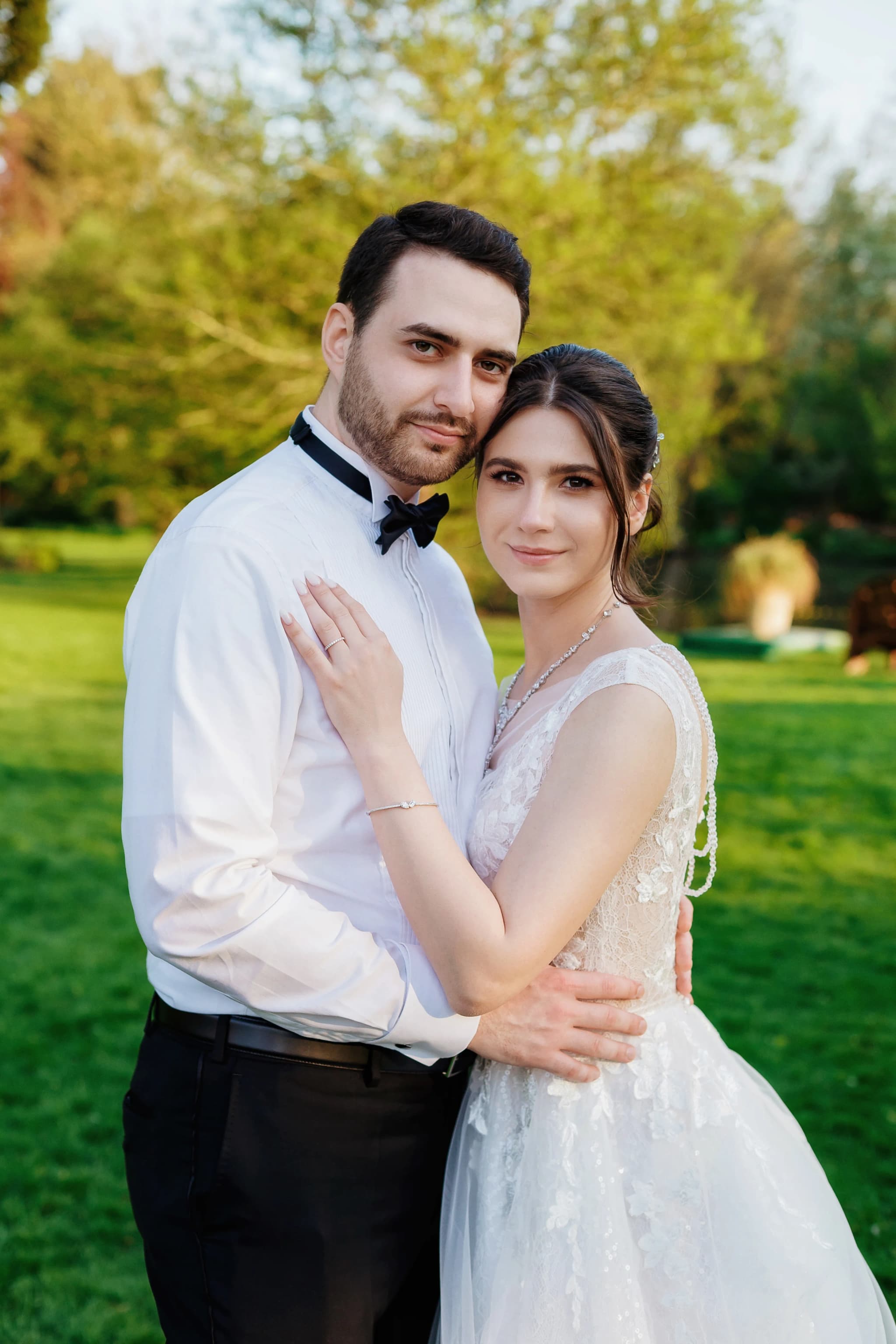
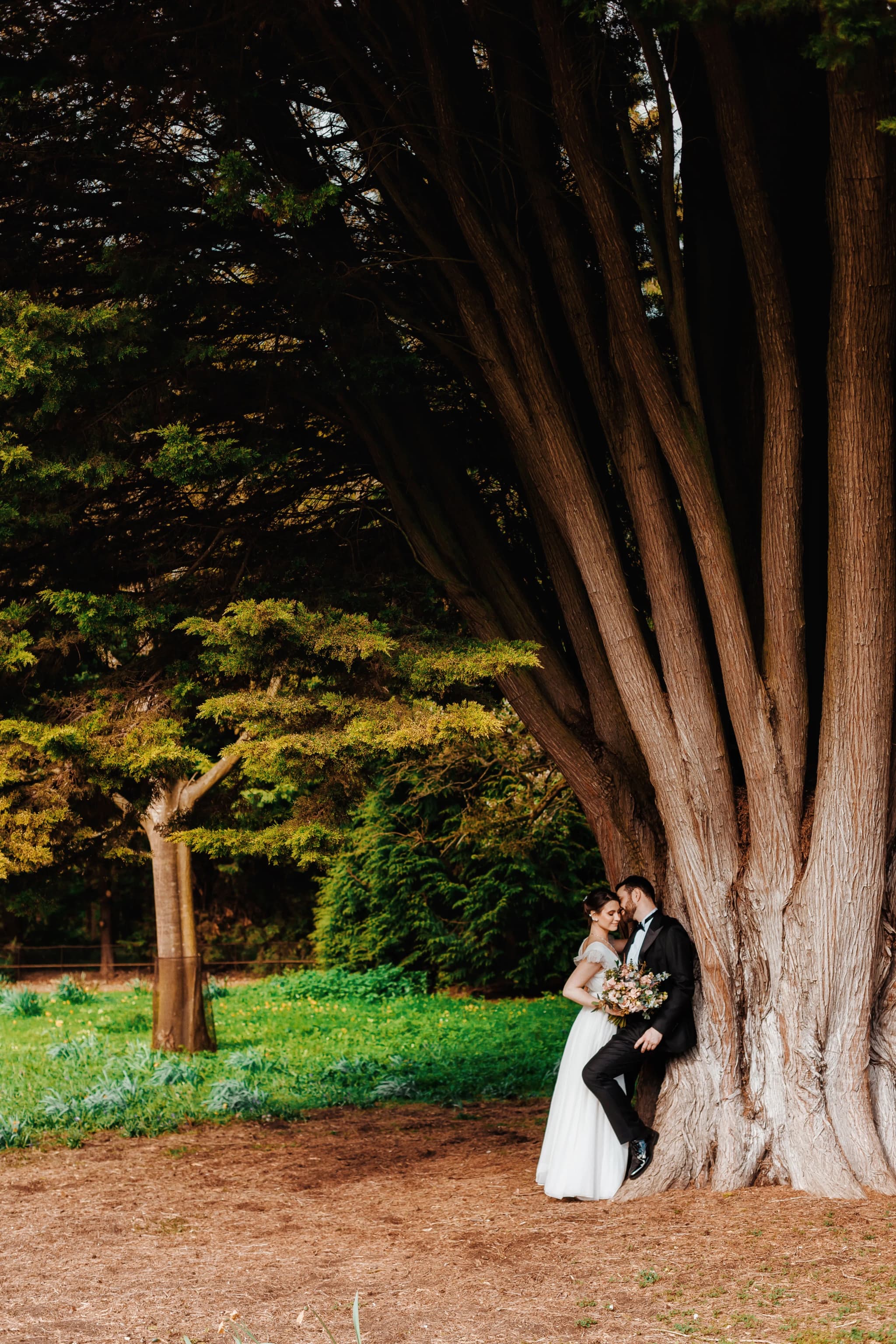
Build 20 minutes into your schedule specifically for couple portraits during golden hour — the 40 minutes before sunset. This is not negotiable if you want the images couples always ask me about on Instagram. Most venues will accommodate a brief absence from the drinks reception. Your guests will be talking among themselves; they will not miss you for twenty minutes.
During the Ceremony
- ◆11. Agree on an unplugged ceremony (or not): An unplugged ceremony — where guests are asked not to photograph — produces consistently better ceremony coverage because the photographer has unobstructed access to key moments. If a fully unplugged ceremony feels too restrictive, consider asking guests to keep phones down during the processional and vows specifically.
- ◆12. Slow down for key moments: The processional walk, the ring exchange, the first kiss — people rush these. Slow down slightly and the photographer has time to move, to choose the right angle, to capture the reaction rather than missing it. There is no prize for speed during your vows.
- ◆13. Look at each other, not the camera: During vows and the ring exchange, look at your partner. Photographs of couples looking at each other are almost universally better than photographs of couples looking at the camera or at the officiant. Your photographer will be invisible if you let them.
During Portraits
- ◆14. Trust the direction: Your photographer will guide you into positions that work photographically. Trust this. You may feel slightly awkward; you will not look awkward in the image. If you are unsure what to do with your hands, ask — you will always get a specific answer.
- ◆15. Walk and talk rather than stand and pose: Movement consistently produces better images than static poses. Walking together, sharing a genuine conversation about something you are both looking forward to — these moments photograph better than formal posing. Tell your photographer something funny or private during portrait time. It will show.
- ◆16. Have a plan for if it rains: Rain is not the disaster it seems. The most important thing is having a plan: a covered location for portraits, the decision to use or not use umbrellas (they can look beautiful), and an attitude of willingness. One couple per season who embraces rain produces my most commented-on photographs.
The Reception and Evening
- ◆17. Light candles and use warm lighting: Venue lighting for evening receptions makes an enormous difference to the warmth and mood of photographs. If your venue has options for warm rather than cool overhead lighting, use them. Table candles and ambient lighting produce images that feel alive rather than clinical.
- ◆18. First dance positioning: For the first dance, ask if the venue can dim the overhead lights and rely on the centrepiece or a spotlight. Discuss this with your photographer beforehand so they are positioned optimally and prepared for the lighting conditions.
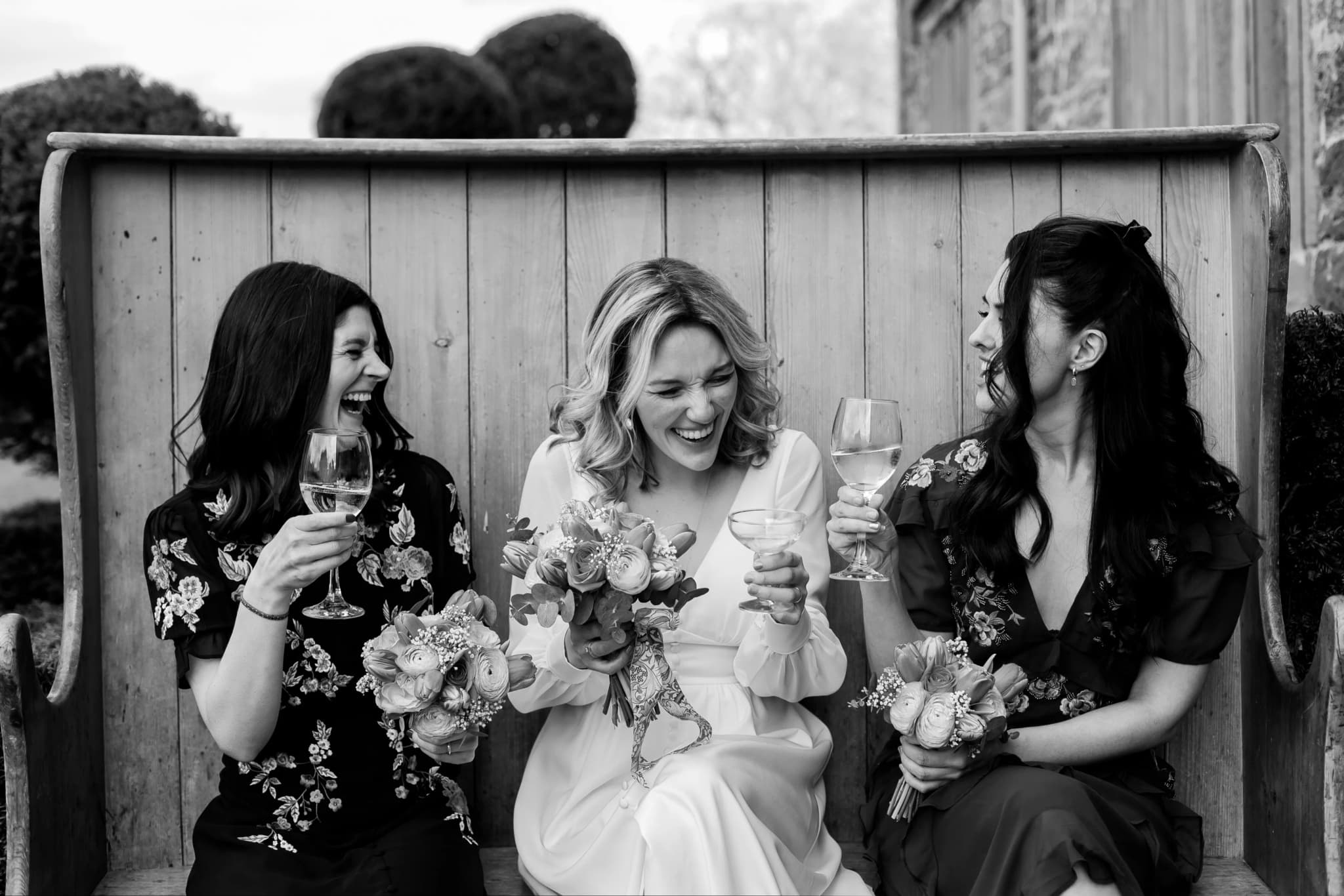
- ◆19. Keep the dancing genuine: The best dancing photographs come from authentic enjoyment rather than performing for the camera. Tell the wedding party to actually dance. Encourage your oldest and youngest guests onto the floor. This produces infinitely better images than a staged circle around the couple.
- ◆20. Don't clock-watch the end time: The hour before your photographer leaves is often when the most spontaneous and emotional moments happen — late-night dancing, quiet conversations outside, final hugs. Be present and let those moments happen. The most memorable images from a wedding day are rarely the formal ones.
Frequently Asked Questions
How much input should I have in directing my wedding photography?
More than most couples realise — but in planning, not on the day. The things that make the biggest difference (timeline, pre-wedding shoot, group photo list, golden hour slot) are all planned weeks ahead. On the day itself, trust your photographer and be present in the moment. The planning has already done the work.
What is the most common mistake that affects the quality of wedding photos?
A timeline that has no portrait time in it. The most common scenario is a couple who wanted golden hour portraits, but the schedule ran late, and there was no designated time blocked for it — so the moment passed. Treat portrait time as a fixed appointment, not an optional extra.
Can I ask my photographer not to share my images online?
Yes. Most photographers include a portfolio usage clause in their contract but will remove or limit it if you request this before signing. Be clear about your preferences as early as possible — it is much easier to negotiate before signing than after.
How long should I allow for wedding portrait photographs?
Allow 20–30 minutes for a couple portrait session during golden hour, plus 20–30 minutes for group photographs immediately after the ceremony. That is the realistic minimum. If you want a more extended portrait session — including bridal party photographs — budget 60–90 minutes in total.
More planning resources: Wedding day timeline guide · How to write a shot list · Check availability with Yana


Yana Skakun
Photographer · England
Professional wedding, family and portrait photographer based in England. Passionate about capturing authentic emotions and timeless moments.
About Yana →best wedding photos tipshow to get good wedding photoswedding photography tips UKimprove wedding photos
Wedding Tips — Wedding Photography in Cambridge & England
Yana Skakun is a professional wedding photographer based in Cambridge, covering weddings across England — from intimate elopements to full-day ceremonies at country houses, barns, and city venues. Every couple receives a relaxed, documentary approach that captures the day as it truly unfolds. This guide — How to Get the Best Photos on Your Wedding Day: 20 Tips — is part of the photography journal: practical, experience-based advice drawn from real sessions across England. Whether you arrived searching for best wedding photos tips or how to get good wedding photos, the same care and attention shapes every session Yana photographs.
Wedding Photography sessions are available year-round, with bookings open across Cambridge, Ely, Huntingdon, Peterborough, and further afield — East England, London, the Midlands, and beyond. If you have specific questions about wedding photography tips uk, mention it in your enquiry. Get in touch through the contact form above to check availability and discuss your session. Enquiries are welcomed from anywhere in the UK.
Frequently Asked Questions
How much does a wedding photographer cost in England?+
Wedding photography in England typically ranges from £1,500 to £4,000+ for a full day. Price depends on experience, coverage hours, and whether albums or engagement shoots are included. Most photographers charge between £2,000–£3,000 for 8–10 hours of coverage.
How early should you book a wedding photographer?+
For peak season (May–September), book 12–18 months in advance. For autumn and winter weddings, 9–12 months is usually sufficient. Popular photographers at popular venues fill up fast — as soon as you have a date and venue confirmed, start reaching out.
How many photos do you get from a wedding photographer?+
Most professional wedding photographers deliver 400–800 edited images for a full-day wedding. The exact number depends on coverage hours, how many guests there are, and the photographer's editing style. Quality matters more than quantity — a curated gallery of 500 images tells the story better than 1,500 unedited files.
Do you need a second photographer at your wedding?+
A second photographer is helpful if you want simultaneous coverage of getting-ready moments in different locations, multiple angles during the ceremony, or more candid coverage during the reception. It adds cost but significantly increases the variety and completeness of your gallery.
What is the difference between documentary and editorial wedding photography?+
Documentary (reportage) wedding photography captures moments as they happen — the photographer observes and doesn't intervene. Editorial photography involves deliberate direction: placing you in good light, shaping compositions, creating intentional portraits. Most photographers blend both styles throughout the day.
Continue Reading
Related Articles

Wedding Tips
Sustainable Eco-Friendly Wedding Guide — Planning a Green Celebration
15 min read · Read Article
Wedding Tips
Trash the Dress Session — Complete Planning and Photography Guide
14 min read · Read Article
Wedding Tips
Client Communication for Photographers — From Enquiry to Gallery Delivery
15 min read · Read Article
Get in Touch
Ready to Book Your Session?
Get in touch to discuss your vision — I'll reply within 24 hours.