Yana Skakun

Professional Headshots for Biomedical Scientists: Scientific Credibility and NHS Professional Identity
By Yana Skakun·13 August 2025·5 min read
Biomedical scientists occupy an odd position when it comes to professional photography. Their work is entirely laboratory-based — running the diagnostic tests that underpin clinical decisions across the NHS, from haematology and blood transfusion to microbiology and histopathology — yet increasingly they need a professional public face. IBMS directory profiles, NHS trust team pages, conference speaker listings, and research publication author photographs all now expect a proper headshot, and a photograph taken on a phone in a break room simply doesn't communicate the level of professional standing that HCPC registration and, for many, IBMS fellowship represents.
Why This Profession Needs Its Own Approach
I photograph a lot of healthcare professionals, and biomedical scientists are one of the groups whose public visibility has grown fastest without their photography catching up. Unlike doctors and nurses, who have direct patient contact and therefore a natural reason to have a recognisable professional photograph, biomedical scientists work almost entirely behind the scenes. That changes the moment someone is asked to submit a headshot for an IBMS congress programme, a trust intranet leadership page, or a co-authored paper in a clinical journal — suddenly there's an expectation of a photograph that doesn't exist yet.
My approach for this profession leans towards clean, well-lit, straightforward portraiture rather than anything overly stylised. The context — laboratory science, clinical governance, regulatory registration — calls for images that read as competent and serious rather than corporate-glossy. A simple backdrop, good even lighting on the face, and a natural, approachable expression tend to serve this group better than anything more elaborate.
Across the Clinical Laboratory Disciplines
Biomedical scientists work across several distinct disciplines — haematology, clinical biochemistry, microbiology, histopathology, immunology, and blood transfusion — and while the photography itself doesn't change dramatically between specialisms, the context often does. A microbiologist heading towards a consultant BMS role and building a research profile has different photography needs from a band 5 graduate who simply needs a professional image for their trust's new starter page. I try to have a brief conversation before the session about what the photograph is actually for, because that shapes small decisions — how formal the clothing should read, whether a slight smile or a more neutral expression suits the intended use.
For those pursuing IBMS Fellowship or a consultant-grade role, a photograph often needs to work across several contexts simultaneously — conference programmes, institutional leadership pages, and sometimes press or public engagement materials if the role involves any public-facing science communication. I make sure to capture a small variety of expressions and crops within a single session so there's a proper set to choose from rather than a single forced option.
Academic and Research Settings
Cambridge has an unusually high concentration of biomedical science roles that sit at the intersection of clinical service and research — Addenbrooke's clinical laboratories, the university's Department of Pathology, and research institutes across the Cambridge Biomedical Campus all employ biomedical scientists whose work feeds directly into published research as well as diagnostic service delivery. For anyone in this kind of hybrid role, a professional headshot needs to work equally well on a university research group page and an NHS trust profile, which are two quite different visual contexts with different expectations of formality.
I find the best results come from keeping the styling genuinely neutral — plain, professional clothing in solid colours, a simple background, and lighting that flatters without looking artificially polished. That kind of image transfers cleanly between a research institution's branding and an NHS trust's, without looking out of place in either.
Headshots for laboratory and clinical science professionals
I photograph biomedical scientists, clinical scientists, and other HCPC-registered professionals across Cambridge and Cambridgeshire for IBMS profiles, trust pages, and research publications.
Book a professional headshot sessionWhat to Expect from a Session
A headshot session for this kind of professional use is usually short — typically thirty to forty-five minutes is enough to work through a couple of outfit changes if needed and get a genuine range of expressions and crops. I work with natural light where possible, supplemented with simple studio lighting to keep skin tones even and shadows soft, which tends to produce the kind of dependable, professional result that suits regulatory and institutional use far better than anything more dramatic or heavily edited.
I always deliver a small set of retouched images rather than a single file, because different platforms crop differently — an IBMS directory thumbnail and a full-width trust webpage banner need different framing, and having options at the point of delivery saves a lot of back-and-forth later. Colour and black-and-white versions are also useful to have on hand, since some institutional templates specify one or the other.
Practical Advice Before Your Session
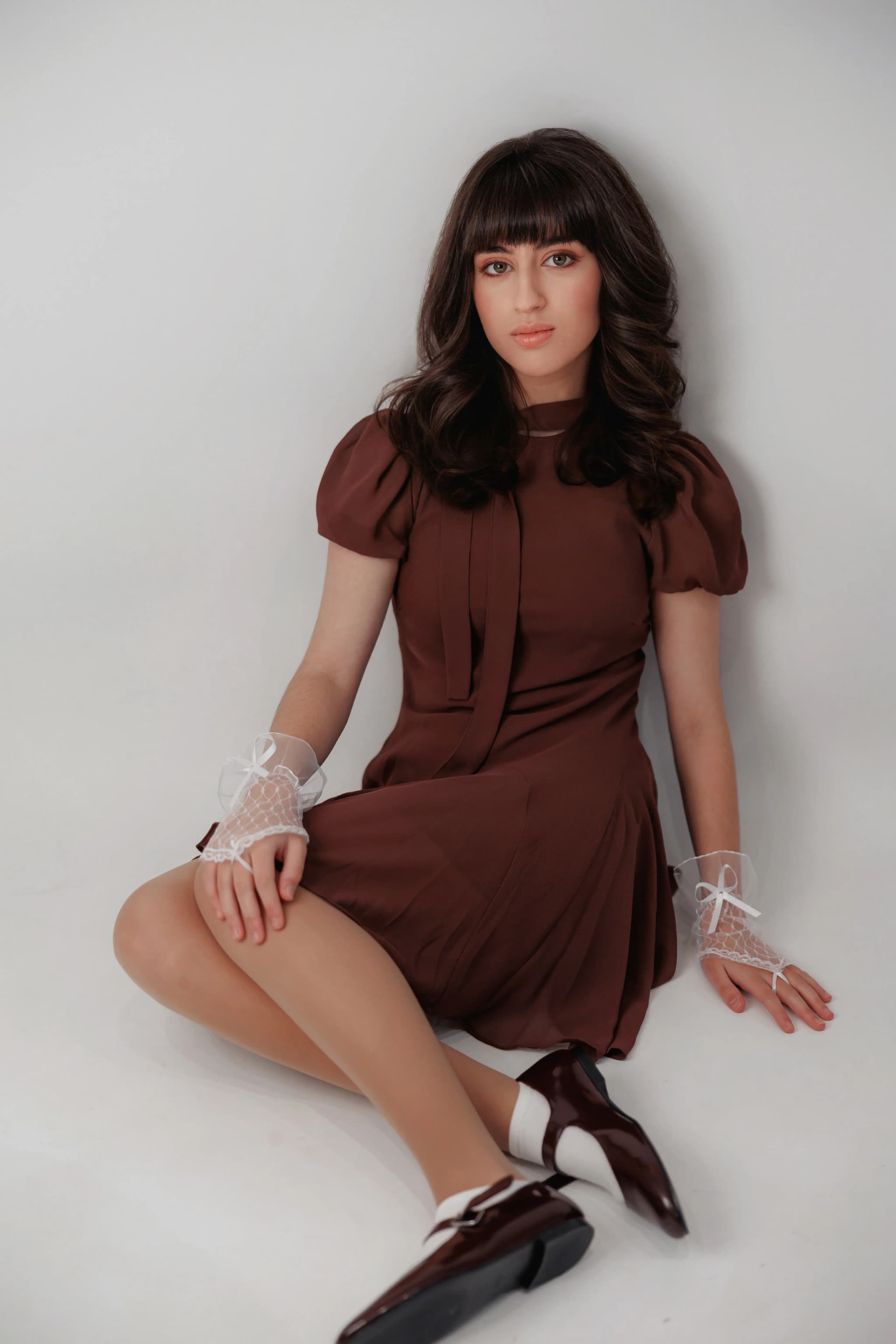
Solid, muted colours photograph best for this kind of professional headshot — navy, charcoal, deep green, or burgundy all work well, while busy patterns or very bright colours can distract from the face. If your trust or institution has a specific dress code expectation for photography (scrubs versus smart clothing, for example), it's worth mentioning this when booking so I can plan lighting and background accordingly.
Finally, don't underestimate how much a genuinely relaxed, unhurried session changes the result. Professionals who come to a headshot session expecting it to be stiff and formal often look exactly that way in the final images. I spend the first few minutes of any session just talking, which tends to produce a more natural expression once the camera comes out properly — and that difference is very visible in the final photographs.
Where and When Sessions Happen
Most biomedical scientists I photograph book a session outside working hours, either early morning before a shift or on a day off, and that suits studio-style or simple outdoor sessions equally well. For NHS staff working across Addenbrooke's and the wider Cambridge University Hospitals network, I'm happy to travel to a convenient location near the workplace to minimise disruption to a working day, or to use a studio setup at a separate location if that suits the timing better. Some laboratory settings themselves make for genuinely interesting environmental portraits — a corridor with good window light, or a departmental meeting room — though I'd always check with trust communications or estates teams first, since access and photography permissions in clinical buildings can be more restricted than people expect.
Group sessions for laboratory teams are worth considering too, particularly around service accreditation visits, new department launches, or simply refreshing a page of outdated staff photographs that no longer reflects who's actually working there. Booking a block of individual sessions back-to-back on the same day, in the same consistent setup, gives a cohesive set of images across an entire team without asking each person to coordinate a separate appointment.
Updating an Outdated Photograph
A surprising number of the biomedical scientists I photograph are replacing a headshot that's five, ten, sometimes fifteen years old — taken at induction and never updated since, despite promotions, further qualifications, and a significant amount of career progression in the meantime. If your current photograph no longer reflects your seniority, your specialism, or simply how you look now, that's a perfectly good reason on its own to book a new one. I'd always rather photograph someone who looks and feels like themselves than produce a technically perfect image of someone pretending to be a different, more polished version of who they actually are day to day.
Clothing and Preparation
For most biomedical scientists, smart, simple clothing works best — a shirt or blouse in a solid, mid-toned colour photographs more reliably than white, which can overexpose under studio lighting, or very dark colours, which can lose definition against a plain background. If you normally wear scrubs or a lab coat for work and want that reflected in your headshot, that's absolutely an option, but I'd recommend also getting a version in smart clothing, since a scrubs photograph may not suit every context it eventually gets used in, from a research paper to a LinkedIn profile.
I'd also gently push back on the instinct to over-prepare. A haircut booked for the day before, an unfamiliar new outfit, or heavy last-minute grooming changes can sometimes make people look less like themselves in the final images, not more polished. Small, familiar choices — clothing you already feel comfortable in, your usual grooming routine — tend to produce headshots that colleagues and patients alike immediately recognise as genuinely you.
A Small Investment with a Long Shelf Life
A good professional headshot, done properly once, tends to last several years before it needs updating again, which makes it a relatively small investment measured against how often it gets used — conference programmes, publications, trust webpages, and professional networking profiles all draw on the same set of images repeatedly. For a profession that's becoming steadily more visible without necessarily seeking that visibility out, having one properly considered set of photographs on file removes a small but recurring source of friction every time a new use for one comes up.

Yana Skakun
Photographer · England
Professional wedding, family and portrait photographer based in England. Passionate about capturing authentic emotions and timeless moments.
About Yana →biomedical scientist headshots UKHCPC BMS professional photo UKIBMS fellow headshot UKclinical laboratory professional photography Cambridgeconsultant biomedical scientist photo UKNHS laboratory team photography Cambridge
Headshot Tips — Professional Headshot Photography in Cambridge & England
Professional headshot sessions with Yana Skakun are clean, efficient, and designed to produce images that represent you authentically across every professional context — LinkedIn, company websites, speaker profiles, and press. Sessions available in Cambridge and across England. This guide — Professional Headshots for Biomedical Scientists: Scientific Credibility and NHS Professional Identity — is part of the photography journal: practical, experience-based advice drawn from real sessions across England. Whether you arrived searching for biomedical scientist headshots uk or hcpc bms professional photo uk, the same care and attention shapes every session Yana photographs.
Professional Headshot Photography sessions are available year-round, with bookings open across Cambridge, Ely, Huntingdon, Peterborough, and further afield — East England, London, the Midlands, and beyond. If you have specific questions about ibms fellow headshot uk, mention it in your enquiry. Get in touch through the contact form above to check availability and discuss your session. Enquiries are welcomed from anywhere in the UK.
Frequently Asked Questions
What should I wear for a professional headshot?+
Solid colours photograph better than patterns. Navy, grey, charcoal, and burgundy are universally flattering. Avoid white (creates exposure issues), black (can look flat), and bright neons. Make sure your clothing fits well and is freshly pressed. Bring 2–3 outfit options to give yourself variety.
How do I prepare for a headshot session?+
Get a good night's sleep. Stay hydrated in the days before. If you're having hair and makeup done, schedule it for the morning of the shoot. Bring the clothes you plan to wear on a hanger. Arrive 10 minutes early to settle in before the camera comes out. Most importantly — don't stress. A good photographer will guide you.
How long does a professional headshot session take?+
A standard headshot session takes 30–60 minutes. This covers 2–3 outfits and multiple expressions and angles. Corporate team headshots at a single location can be scheduled at 15–20 minutes per person.
How often should you update your professional headshot?+
Every 2–3 years, or whenever your appearance changes significantly — new hairstyle, weight change, or notable ageing. Your headshot should look like you when you walk into a meeting, not like you five years ago. Outdated headshots undermine trust, particularly in client-facing roles.
What is the difference between a headshot and a business portrait?+
A headshot is a tight crop of the face and upper chest, focused entirely on professional presence and approachability. A business portrait typically includes more of the body and often incorporates environment or context — an office setting, equipment, or a workspace that communicates your profession.
Continue Reading
Related Articles

Headshot Tips
LinkedIn Headshots for Cambridge Graduates: Start Your Career With the Right First Impression
7 min read · Read Article
Headshot Tips
Professional Photography for Small Businesses: The Complete Guide
12 min read · Read Article
Headshot Tips
Corporate Team Photography: Professional Headshots for Your Entire Organisation
9 min read · Read Article
Get in Touch
Ready to Book Your Session?
Get in touch to discuss your vision — I'll reply within 24 hours.