Yana Skakun
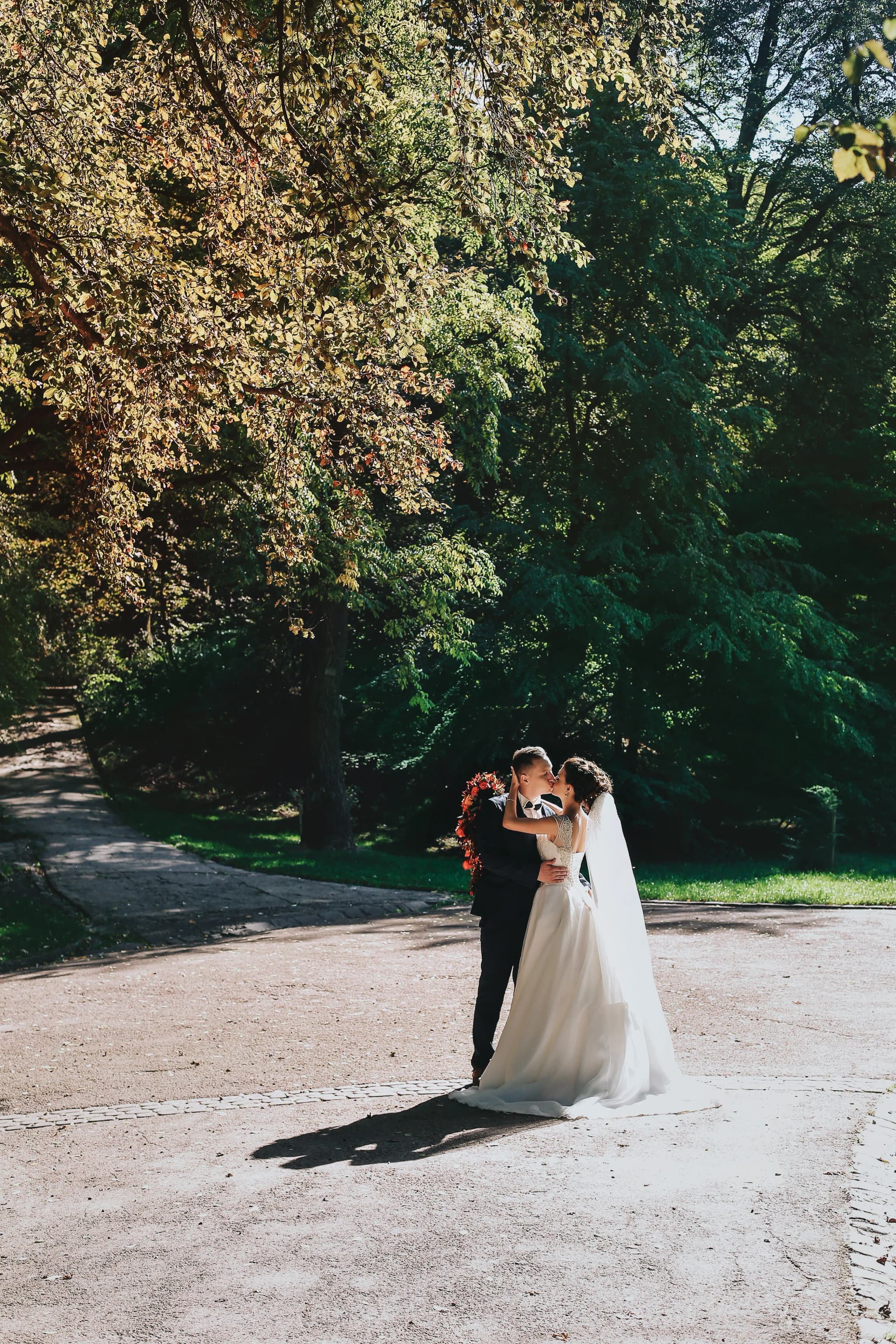
Wedding Photography in Bournemouth and East Dorset
By Yana Skakun·27 March 2026·8 min read
Bournemouth surprises couples who only know it as a seaside resort town. Behind seven miles of golden sand and a genuine Victorian and Edwardian architectural pedigree, the wider Bournemouth area opens onto clifftop hotels, quiet river valleys, and one end of the Jurassic Coast — all within a short drive of each other. I have photographed weddings across this stretch of Dorset for long enough now to have a real appreciation for how much variety sits behind the resort-town reputation.
Bournemouth's Venues: More Varied Than the Postcard Suggests
The clifftop hotels along East Cliff — the Highcliff Marriott and East Cliff Court among them — sit high above the beach with gardens and terraces looking straight out across the bay, and they photograph beautifully in the low light of early morning or late afternoon when the sea takes on real colour. The Bournemouth Pavilion, a listed Art Deco building right in the town centre, gives couples wanting an indoor ceremony a genuinely theatrical setting with a period grandeur that a lot of seaside towns simply do not have.
Further out, the Langtry Manor Hotel in East Cliff carries an unusual backstory — built by Edward VII for his mistress Lillie Langtry — and combines proper Victorian domestic character with just enough of a rakish history to give the venue some personality beyond its architecture. The Barford Hotel in Westbourne, a large Edwardian villa with mature gardens, is another venue I return to for couples who want greenery close to the town centre rather than committing to a full countryside estate.
Seven Miles of Beach
Bournemouth beach itself — stretching from Sandbanks in the east to Southbourne in the west — is genuinely one of the best urban beaches in Europe, and for wedding or engagement photography it offers more variety than a first glance suggests. The Victorian pier at the centre of the beach gives an additional architectural anchor to work with, while the quieter stretches towards Southbourne offer a calmer, less crowded backdrop for couples who want the sea without the crowds.
Hengistbury Head, technically just beyond Bournemouth's boundary but easily reached along the coast road through Southbourne, is a completely different proposition — a promontory of open heathland and low cliffs above a double beach of sand and shingle. It has a wild, elemental quality that the main town beach does not, and I use it often for couples who want their portraits to feel more dramatic and less resort-town.
Inland to the Stour and Avon Valleys
A short drive north and west of Bournemouth takes you into the flat, quiet water meadows of the Stour and Avon valleys, and the change in character is striking given how close it is to the coast. Christchurch, sitting at the junction of both rivers, has the longest nave of any parish church in England within its Norman Priory Church, surrounded by water meadows of genuinely pastoral English beauty. The quay at Christchurch Harbour, where the rivers meet the sea at Mudeford, has a working sailing and fishing character that photographs with real warmth and none of the stiffness of a purpose-built wedding venue.
Ringwood, further up the Avon, sits right on the edge of the New Forest, and couples who want to combine a Bournemouth base with a completely different landscape of ancient woodland, open lawns and heath find that transition takes less than half an hour by car.
Planning a Bournemouth wedding
Whether you are drawn to the clifftop hotels, the beach, or the quieter river valleys inland, I would love to talk through how your day and the local landscape fit together.
Discuss your Bournemouth weddingDay-Trip Distance to the Jurassic Coast
One of the real advantages of a Bournemouth wedding is how quickly the surrounding coastline escalates in drama. Old Harry Rocks and Studland Bay are twenty minutes west, Swanage and the cliffs at Dancing Ledge around half an hour, and Lulworth Cove and Durdle Door under an hour — all viable extensions for engagement sessions or second-day portrait shoots for couples whose families are staying in the area for a few days either side of the wedding.
For couples who want their photographs to include some of that wider Jurassic Coast drama without adding an overnight stay somewhere else entirely, building in a morning at Studland or Swanage the day after the wedding, while guests are still around, is a format that works very well logistically and produces a genuinely different set of images from the wedding day itself.
Practical Notes for a Bournemouth Wedding
Bournemouth is well connected by direct rail from London Waterloo, Bristol and Cardiff, all around ninety minutes, which makes it a genuinely easy destination for guests travelling from various directions. The main beach gets extremely busy on fine summer weekends, so for beach photography without a backdrop of sunbathers and volleyball games, I plan sessions either before nine in the morning or after seven in the evening from June through August.
Boscombe, the eastern suburb with its own smaller pier and beach, is consistently quieter than the main Bournemouth beach and worth knowing about as an alternative, particularly at low tide when its exposed rock reef adds some texture to the shoreline. Parking near the seafront is charged from May through September, and the multi-storey car parks in the town centre are the more reliable option for a full wedding day where the car needs to sit for several hours.
Getting the Best From Beach Light
Bournemouth's beach faces almost due south, which affects how the light behaves through the day in a way that is worth planning around. Midday sun sits high and flat over the water, producing fairly harsh, contrasty light on faces and a washed-out sky in photographs. The two or three hours either side of sunrise and sunset, by contrast, bring a warm, low, directional light across the sand that flatters skin tones and gives the sea real colour and texture rather than a flat grey-blue.
For couples marrying elsewhere in the town but wanting beach portraits as part of the day, I generally suggest timing that portrait session for either first thing in the morning before the ceremony or in the golden hour before the reception moves indoors, rather than squeezing it into the middle of the afternoon between the ceremony and the wedding breakfast.
Choosing Between a Clifftop and a Beach-Level Ceremony
Couples marrying in Bournemouth often have to decide between a clifftop venue, with its long sea views and gardens, and a beach-level setting closer to the water itself. Clifftop hotels give a more traditional, sheltered feel with the drama of the view held at a distance, which suits ceremonies and receptions well, particularly if the weather is uncertain. Beach-level portraits, taken separately from the ceremony, bring the couple right down to the sand and the water's edge, giving a more intimate, immersive set of images than a clifftop view alone can offer. Many of the couples I photograph in Bournemouth do both — a clifftop ceremony and reception, with a beach portrait session worked in around sunset.
Guests Travelling to Bournemouth
Bournemouth's combination of direct rail links, an international airport a short drive away, and a genuine resort-town infrastructure of hotels and guesthouses makes it a comparatively easy destination wedding for guests travelling from across the country. Couples marrying here often build in an extra day either side of the wedding for guests to enjoy the beach or explore along the coast, which also opens up the possibility of a relaxed second-day portrait session somewhere like Studland or Swanage while everyone is still around.
Bournemouth gives couples a genuinely rare combination — proper seaside resort architecture, quiet countryside within minutes, and one of England's most dramatic coastlines within day-trip reach. If you are planning a wedding in Bournemouth or anywhere along this stretch of East Dorset, get in touch and let's talk about your day.

Yana Skakun
Photographer · England
Professional wedding, family and portrait photographer based in England. Passionate about capturing authentic emotions and timeless moments.
About Yana →wedding photographer BournemouthBournemouth wedding venuesBournemouth beach wedding photographyDorset coast wedding photographerwedding venue Bournemouth
Venue Spotlights — Wedding & Portrait Photography in Cambridge & England
Yana Skakun photographs weddings and portrait sessions at venues across Cambridge, East England, London, and beyond. Venue scouting and creative collaboration are part of every booking — every location is worked with rather than against. This guide — Wedding Photography in Bournemouth and East Dorset — is part of the photography journal: practical, experience-based advice drawn from real sessions across England. Whether you arrived searching for wedding photographer bournemouth or bournemouth wedding venues, the same care and attention shapes every session Yana photographs.
Wedding & Portrait Photography sessions are available year-round, with bookings open across Cambridge, Ely, Huntingdon, Peterborough, and further afield — East England, London, the Midlands, and beyond. If you have specific questions about bournemouth beach wedding photography, mention it in your enquiry. Get in touch through the contact form above to check availability and discuss your session. Enquiries are welcomed from anywhere in the UK.
Frequently Asked Questions
What should I look for when visiting a wedding venue?+
Look at the natural light at the time of day your ceremony will take place. Walk outside and consider where portraits will happen — is there an area with shade, a garden, a meaningful backdrop? Ask about vendor restrictions (some venues require you to use their preferred photographer list). Check logistics: where do guests park, where does the bridal party get ready, is there a bridal suite?
How far in advance should you book a wedding venue?+
Popular venues book 18–24 months ahead, especially for peak season (May–September) Saturdays. If you're flexible on date and day of week, 12 months is usually sufficient. Always view a venue before booking — photos online rarely show the full picture of scale, light, or atmosphere.
What questions should you ask a wedding venue?+
Ask: what's included in the venue hire? Can you bring your own caterer? What are the noise restrictions and finishing times? Is there accommodation on site? What's the plan if it rains for outdoor ceremonies? What is the minimum and maximum guest capacity? Are there any vendor restrictions or preferred supplier lists?
How do venue locations affect wedding photography?+
Venue architecture, grounds, and natural light dramatically affect the quality of wedding photography. Beautiful venues with varied backdrops, good natural light in the key rooms, and outdoor space for portraits make the photographer's job much easier. When choosing a venue, visiting at the same time of day as your planned ceremony is helpful for assessing the light.
What makes a venue photogenic for weddings?+
Natural light (large windows, north-facing rooms), textured backgrounds (stone walls, wooden beams, floral arrangements), varied outdoor spaces (gardens, courtyards, woodland, water features), and interesting architectural details. Venues that feel authentic to their setting — a barn that's actually rustic, a manor house with period features — photograph better than generic white box venues.
Continue Reading
Related Articles

Venue Spotlights
Beach and Coastal Portrait Photography in England
13 min read · Read Article
Venue Spotlights
Autumn Photography Locations in Cambridgeshire: The Complete Seasonal Guide
12 min read · Read Article
Venue Spotlights
Cherry Blossom Photography Locations in England: Where & When to Shoot
11 min read · Read Article
Get in Touch
Ready to Book Your Session?
Get in touch to discuss your vision — I'll reply within 24 hours.