Yana Skakun

Child-Free Wedding Etiquette: Why Some People Get Offended
By Yana Skakun·26 January 2027·5 min read
Child-free weddings are becoming the norm rather than the exception across the UK. Yet they still generate more friction and hurt feelings than almost any other wedding decision, and I have seen the fallout from that friction play out on the day itself more than once. Understanding why people get offended, and what the etiquette actually is on both sides, can help everyone involved navigate the situation with empathy and confidence, rather than letting a perfectly reasonable decision curdle into a source of resentment before the day has even arrived.
Why Some Parents Take It Personally
For parents, particularly of young children, a child-free wedding presents two separate challenges: a practical one, finding childcare, often overnight and potentially at significant cost, and an emotional one. The emotional aspect is often what generates real hurt. When someone says no children, parents can interpret it as your family is not truly welcome, or you do not understand what our life is actually like right now, especially if they are already juggling the logistics of small children and feel judged for it.
This tension often surfaces earliest and most sharply with close family, particularly siblings or parents of the couple who have young grandchildren they were hoping to include. The closer the relationship, the more a child-free policy can feel like it should not apply, and couples sometimes find themselves under real pressure to make a quiet exception for one specific family before the wider guest list has even been informed. Holding a clear, consistent line from the very start, even with the people closest to you, tends to prevent far more difficult conversations later on.
This interpretation is almost always being read into a decision that was not made with any hostility at all. Couples simply want a quieter, more contained celebration without the complications and disruption children can bring to a long day of speeches, formal photographs, and an evening reception that often runs late. But from the outside, without that context, it can genuinely feel like a rejection, and that gap between intention and perception is where most of the difficulty comes from.
It is worth adding that this tension is rarely resolved by the couple explaining themselves at length. A short, warm explanation offered once, early, tends to land far better than a defensive justification offered after someone has already voiced their disappointment. The earlier the decision is communicated clearly, the less room there is for parents to fill the silence with their own, usually unflattering, explanation.
The Couple's Perspective
Reasons couples choose child-free weddings are almost always practical rather than personal. The venue may have hard capacity limits and the couple is prioritising adult guests within that number. The cost of feeding children, often charged at full adult price at catered events, can be genuinely prohibitive once multiplied across a large guest list. Some couples want an atmosphere of uninterrupted adult conversation through the speeches and the meal, or are concerned about disruption during the ceremony itself, when even a brief cry can distract from vows that guests have travelled a long way to hear.
Others simply want their guests with children to have a genuine night off from parenting responsibilities, treating the invitation as a gift of a few hours free from nappy bags and bedtime routines rather than an exclusion. None of these reasons is a statement about the value of anyone's children or the quality of their parenting, and couples making this decision are very rarely thinking about any individual family when they make it. It is a decision about the shape of the day as a whole, not a judgement on any one guest.
The Etiquette, for Both Sides
For the couple hosting, the clearest path through this is to communicate the decision as early as possible, since the more notice guests have, the easier childcare is to arrange around it. Applying the rule consistently matters just as much as the decision itself; exceptions that are not extended to everyone are the single fastest way to turn a practical choice into a source of genuine offence. Acknowledging the inconvenience directly and warmly, rather than leaving it as an unexplained line on the invitation, goes a long way, and where possible offering a resource such as a list of local babysitters or childcare services shows guests that their situation has actually been considered.
For guests with children, the etiquette runs the other way. Accepting gracefully does not require agreeing with the decision, but it does mean not making that disagreement the couple's problem to manage in the run-up to their wedding. Petitioning for an exception puts the couple in an impossible position, since granting one invites others, and if an exception is going to be made, it will usually be offered rather than requested. If childcare genuinely cannot be arranged, declining kindly and early is the most generous response available, and it is worth remembering throughout that the decision almost certainly is not a reflection of how the couple feels about children in general.
The Photography Dimension
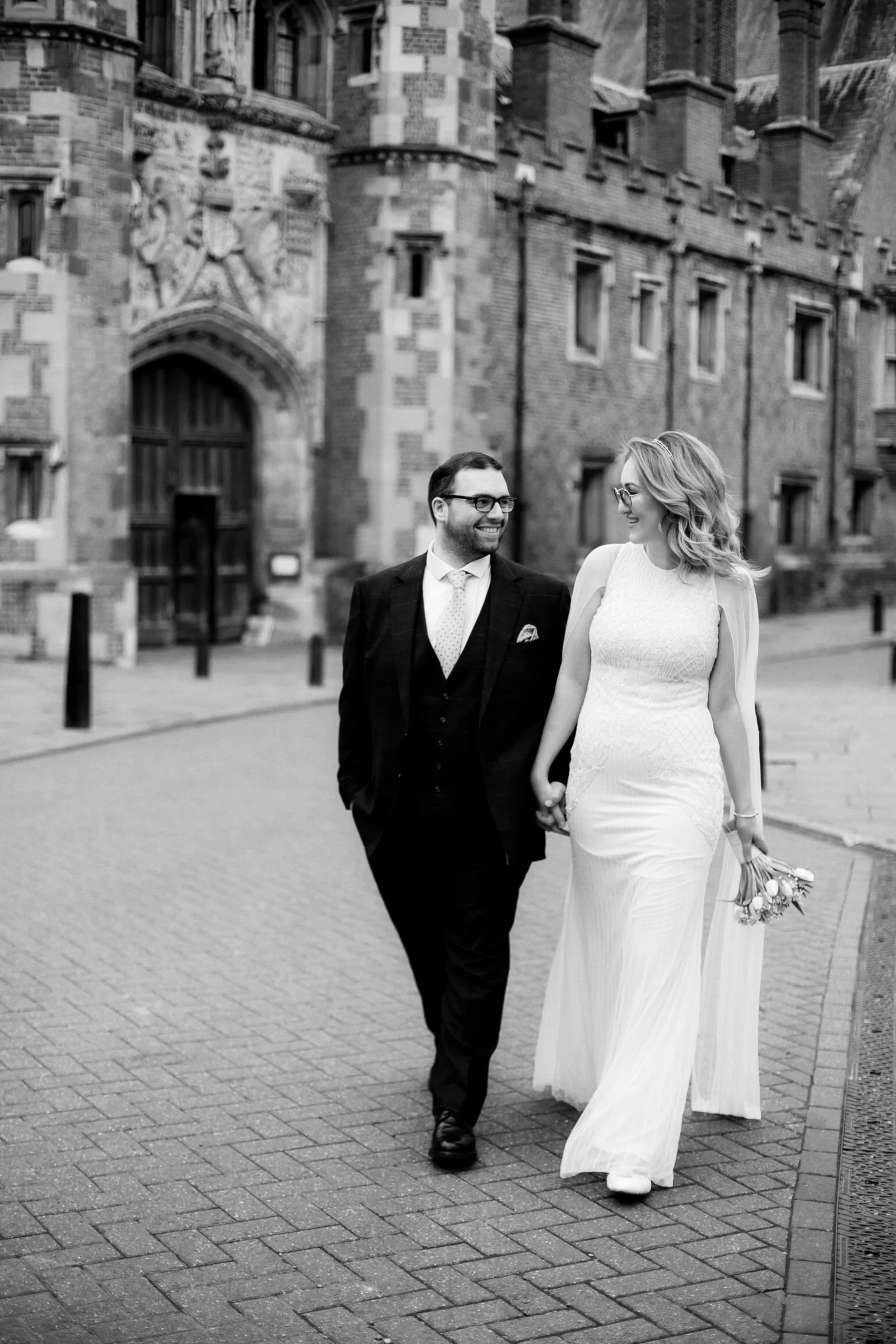
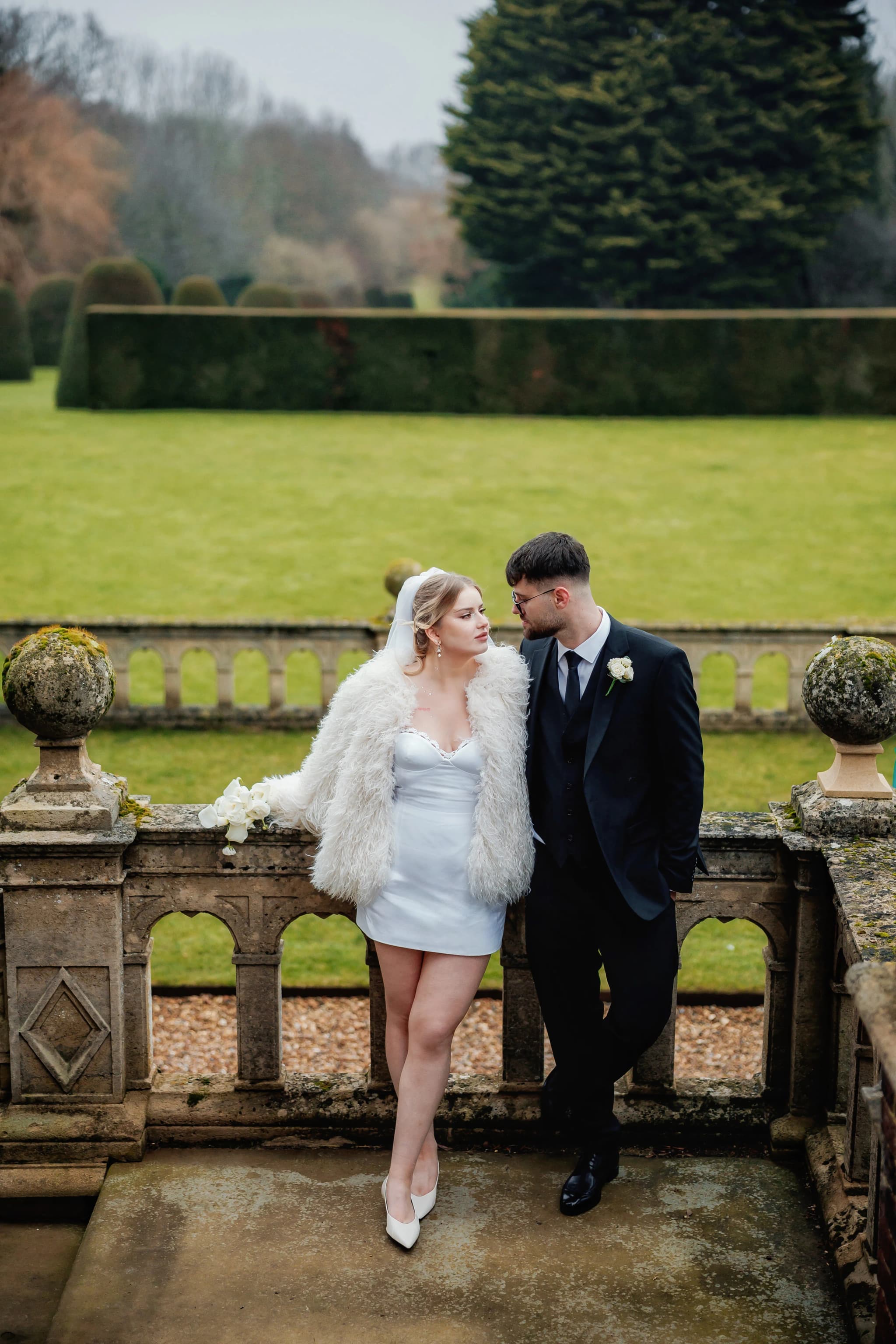
One of the subtler effects of a child-free wedding, from where I stand with a camera, is a more consistent atmosphere throughout the day. Group portraits happen without wrangling toddlers into a line, ceremony images are free of movement in the middle distance, and speech photographs do not have to work around a distracted parent half-listening for a child two tables away. The whole day tends to have a steadier, calmer rhythm, which shows up clearly in the resulting images.
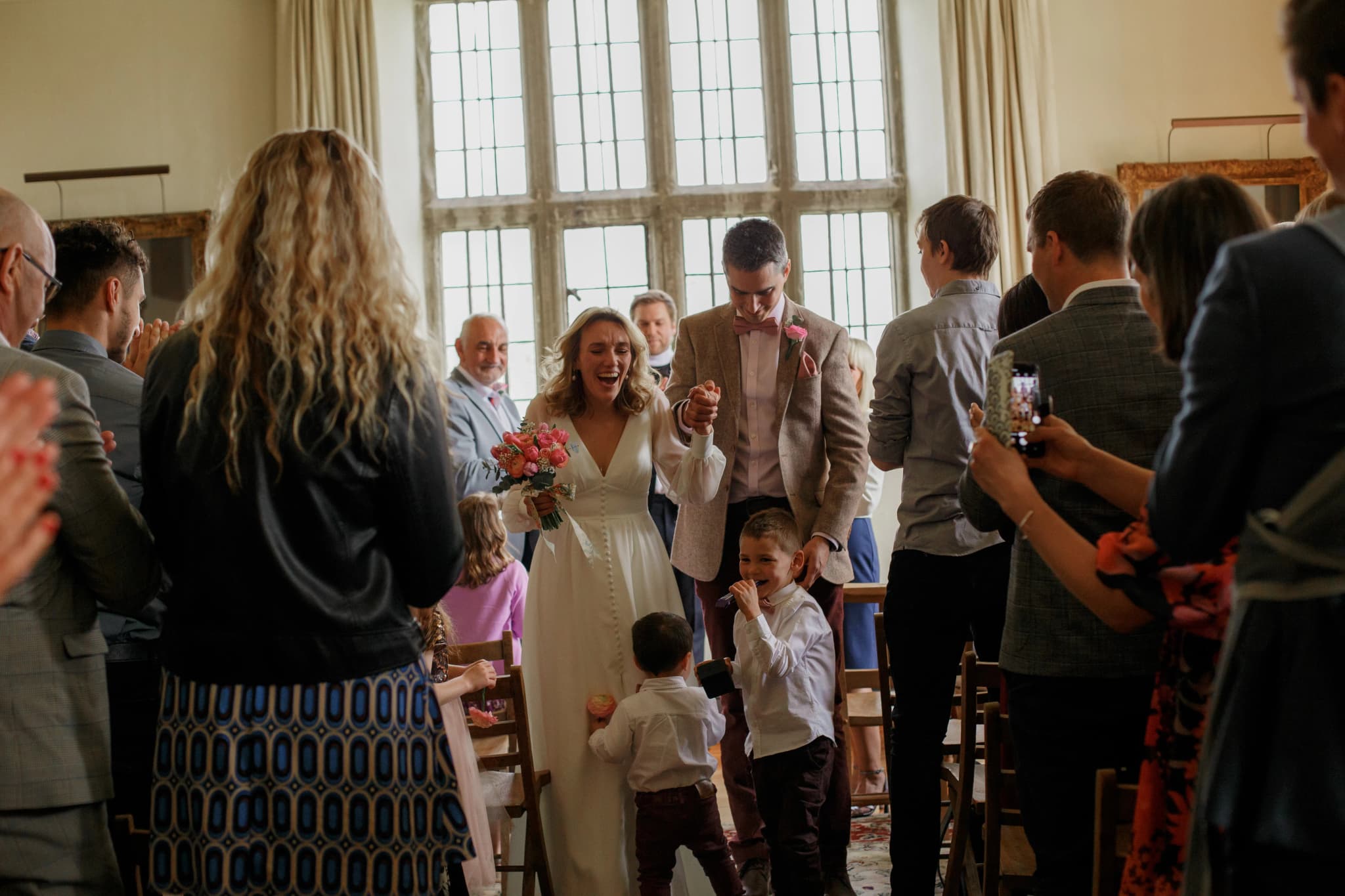
The trade-off is the absence of a particular kind of spontaneous joy: children in their party clothes running across a lawn, a toddler fascinated by a wedding dress, the unguarded laughter that only very young guests seem to produce. These are among the most memorable wedding photographs there are, and a child-free wedding simply will not have them. Neither approach is better than the other; they produce genuinely different days with genuinely different photographic character, and a good photographer should be able to find the beauty specific to whichever one a couple has chosen.
A note on adults-only versus family celebrations
Whichever way you decide, the photography approach adapts around it rather than the other way round. A child-free day gets a calmer, more considered documentary rhythm; a family day gets extra attention paid to catching the unplanned, joyful chaos that children bring. I photograph both beautifully, and I am always happy to talk through how your guest list shapes the coverage of your day.
Get in touch about your Cambridge weddingMaking Peace With Whichever Choice You Make
If you are the couple wrestling with this decision, it is worth remembering that there is no version of a wedding guest list that pleases everybody. Some relative or friend will be disappointed by almost any boundary you set, whether it concerns children, plus-ones, or the guest list size itself. A child-free wedding is a common, well-understood choice, and holding the line on it with warmth and consistency is far kinder in the long run than making a partial exception that leaves other guests feeling unfairly treated.
If you are the guest navigating a decision you are not thrilled about, it is worth remembering that a single evening of childcare, however inconvenient to arrange, is a small price for celebrating someone you care about on one of the most significant days of their life. Most of the hurt around child-free weddings dissolves once both sides assume good faith on the other's part, and a little generosity of interpretation tends to serve everyone better than a rigid reading of the invitation.
It also helps to remember that etiquette around weddings shifts over time, and child-free celebrations are now common enough that most guests will encounter one at some point, whether as the couple making the decision or the guest receiving it. Treating it as a normal, reasonable choice rather than an unusual imposition tends to defuse most of the tension before it has a chance to build, and it leaves far more room for everyone involved to simply enjoy the celebration itself.
In the end, the couples who navigate this most smoothly are the ones who decide early, communicate clearly, and then let the decision stand without constantly relitigating it as opinions filter back to them. That confidence tends to be contagious; guests generally take their cue from how settled a couple feels about a decision, and a clear, warmly delivered boundary is far easier for everyone to accept than one that seems to be wavering.
Whatever shape your wedding day takes, adults-only or full of children running across the lawn, get in touch and I would be glad to talk through how I would approach photographing it.


Yana Skakun
Photographer · England
Professional wedding, family and portrait photographer based in England. Passionate about capturing authentic emotions and timeless moments.
About Yana →child free wedding etiquette ukno kids wedding etiquetteoffended by child free weddingchild free reception uk
Wedding Tips — Wedding Photography in Cambridge & England
Yana Skakun is a professional wedding photographer based in Cambridge, covering weddings across England — from intimate elopements to full-day ceremonies at country houses, barns, and city venues. Every couple receives a relaxed, documentary approach that captures the day as it truly unfolds. This guide — Child-Free Wedding Etiquette: Why Some People Get Offended — is part of the photography journal: practical, experience-based advice drawn from real sessions across England. Whether you arrived searching for child free wedding etiquette uk or no kids wedding etiquette, the same care and attention shapes every session Yana photographs.
Wedding Photography sessions are available year-round, with bookings open across Cambridge, Ely, Huntingdon, Peterborough, and further afield — East England, London, the Midlands, and beyond. If you have specific questions about offended by child free wedding, mention it in your enquiry. Get in touch through the contact form above to check availability and discuss your session. Enquiries are welcomed from anywhere in the UK.
Frequently Asked Questions
How much does a wedding photographer cost in England?+
Wedding photography in England typically ranges from £1,500 to £4,000+ for a full day. Price depends on experience, coverage hours, and whether albums or engagement shoots are included. Most photographers charge between £2,000–£3,000 for 8–10 hours of coverage.
How early should you book a wedding photographer?+
For peak season (May–September), book 12–18 months in advance. For autumn and winter weddings, 9–12 months is usually sufficient. Popular photographers at popular venues fill up fast — as soon as you have a date and venue confirmed, start reaching out.
How many photos do you get from a wedding photographer?+
Most professional wedding photographers deliver 400–800 edited images for a full-day wedding. The exact number depends on coverage hours, how many guests there are, and the photographer's editing style. Quality matters more than quantity — a curated gallery of 500 images tells the story better than 1,500 unedited files.
Do you need a second photographer at your wedding?+
A second photographer is helpful if you want simultaneous coverage of getting-ready moments in different locations, multiple angles during the ceremony, or more candid coverage during the reception. It adds cost but significantly increases the variety and completeness of your gallery.
What is the difference between documentary and editorial wedding photography?+
Documentary (reportage) wedding photography captures moments as they happen — the photographer observes and doesn't intervene. Editorial photography involves deliberate direction: placing you in good light, shaping compositions, creating intentional portraits. Most photographers blend both styles throughout the day.
Continue Reading
Related Articles
Wedding Tips
Sustainable Eco-Friendly Wedding Guide — Planning a Green Celebration
15 min read · Read Article
Wedding Tips
Trash the Dress Session — Complete Planning and Photography Guide
14 min read · Read Article
Wedding Tips
Client Communication for Photographers — From Enquiry to Gallery Delivery
15 min read · Read Article
Get in Touch
Ready to Book Your Session?
Get in touch to discuss your vision — I'll reply within 24 hours.