Yana Skakun

What is Photo Culling? How I Narrow 5000 Photos Down to 800
By Yana Skakun·10 June 2026·6 min read
On the morning after a wedding, my memory card holds somewhere between 4,000 and 6,000 frames. The gallery you eventually receive holds around 800. The quiet, unseen work that bridges those two numbers is called culling, and it's where a wedding day actually becomes a story. Here's exactly how I narrow thousands of photos down to the ones worth keeping.
Why I shoot so many photos in the first place
It surprises people that a single wedding produces five thousand images. But weddings move fast and rarely repeat themselves. When confetti is thrown outside a Cambridgeshire church, I'll fire off a burst of fifteen frames in two seconds, because only one of them will have the confetti suspended perfectly against your face with both of you laughing. During the first dance in a dim Suffolk barn, I'm shooting continuously to catch the half-second your partner closes their eyes.
Shooting generously is insurance against the things I can't control: a guest blinking, a gust of fenland wind lifting a veil at the wrong moment, a toddler bolting across the aisle. I would always rather have ten versions of a moment and discard nine than miss it entirely. The volume isn't carelessness. It's the raw material that makes a careful edit possible.
The first pass: clearing the obvious
I import everything into Lightroom and back it up to two drives before I touch a single image. Then I begin the first pass, which is brutal and quick. I'm not looking for the best photos yet. I'm only looking for the ones that have to go. Closed eyes, an awkward half-blink, a frame where someone's caught mid-word with an unflattering expression, an out-of-focus grab, a test shot of an empty room while I checked my light.
This stage usually removes around forty per cent of the cards in an hour or two. I work fast and trust my gut, because hesitating over every near-duplicate is how culling turns into a week-long ordeal. The first pass isn't about taste. It's about clearing the noise so the photos that matter have room to breathe.
The second pass: choosing between near-twins
Now comes the slower, more thoughtful work. Those bursts I mentioned leave me with clusters of almost-identical frames, and my job is to pick the single strongest one from each. This is where experience earns its keep, because the difference between a good frame and the right frame is often tiny: a slightly wider smile, a hand resting more naturally, a guest in the background looking at you rather than at their phone.
Here is roughly what I'm weighing as I compare near-twins:
- ◆Emotion: Is someone genuinely feeling something? A real laugh always beats a tidy but hollow pose.
- ◆Connection: Are the people in the frame relating to each other? Eye contact and touch carry a photo.
- ◆Sharpness: Are the eyes crisp? I'll forgive a soft background, never a soft gaze.
- ◆Light: Does the light flatter the moment, or has a shadow fallen awkwardly across a face?
- ◆Composition: Is the frame balanced, free of distracting clutter creeping in at the edges?
- ◆Storytelling: Does this image move the day forward, or does it simply repeat one I've already kept?
I rate keepers with a simple flag system and let the rest fall away. By the end of this pass I'm usually down to around 1,200 images. The final stretch from there is the hardest, because every photo left is technically a good one.
The final cut: serving the story, not the count
The last reduction, from roughly 1,200 to 800, isn't about quality any more. It's about pace and narrative. A gallery of thousands of competent images is exhausting to look through, and it dilutes the very best moments by burying them among the merely fine. I think of your gallery the way I'd think of telling a friend about your day: I want the rhythm of getting ready, the nervous walk down the aisle, the relief of the first kiss, the chaos of the dancefloor, without describing every single minute in between.
So I'll keep three frames of the speeches rather than thirty, choosing the moment your best man's voice cracked and the one where the whole marquee tipped back laughing. I keep the establishing shot of the venue at golden hour, but not the eleven near-copies I took while waiting for a cloud to pass over the Cambridgeshire fields. Restraint is a gift to you, not a shortcut for me.
Why you'll never see the rejects
Couples occasionally ask whether they can have the deleted frames too, just in case. I understand the instinct, but I always say no, and gently. The culled images are the ones with closed eyes, missed focus, or simply nothing to add. Handing them over wouldn't give you more of your wedding; it would give you a muddier version of it. Trusting the edit is part of trusting the photographer.
Culling is invisible labour. You'll never see the hours I spend deciding which version of your laugh to keep, and that's exactly the point. What you see is a gallery that feels effortless, every image earning its place. That's the real craft of wedding photography: not just knowing when to press the shutter, but knowing which moments deserve to last.
Planning a wedding in Cambridgeshire or beyond?
I photograph a limited number of weddings each year so every gallery gets the care it deserves. If your date is approaching, let's have a chat about how I'd tell your story.
Check Your Date →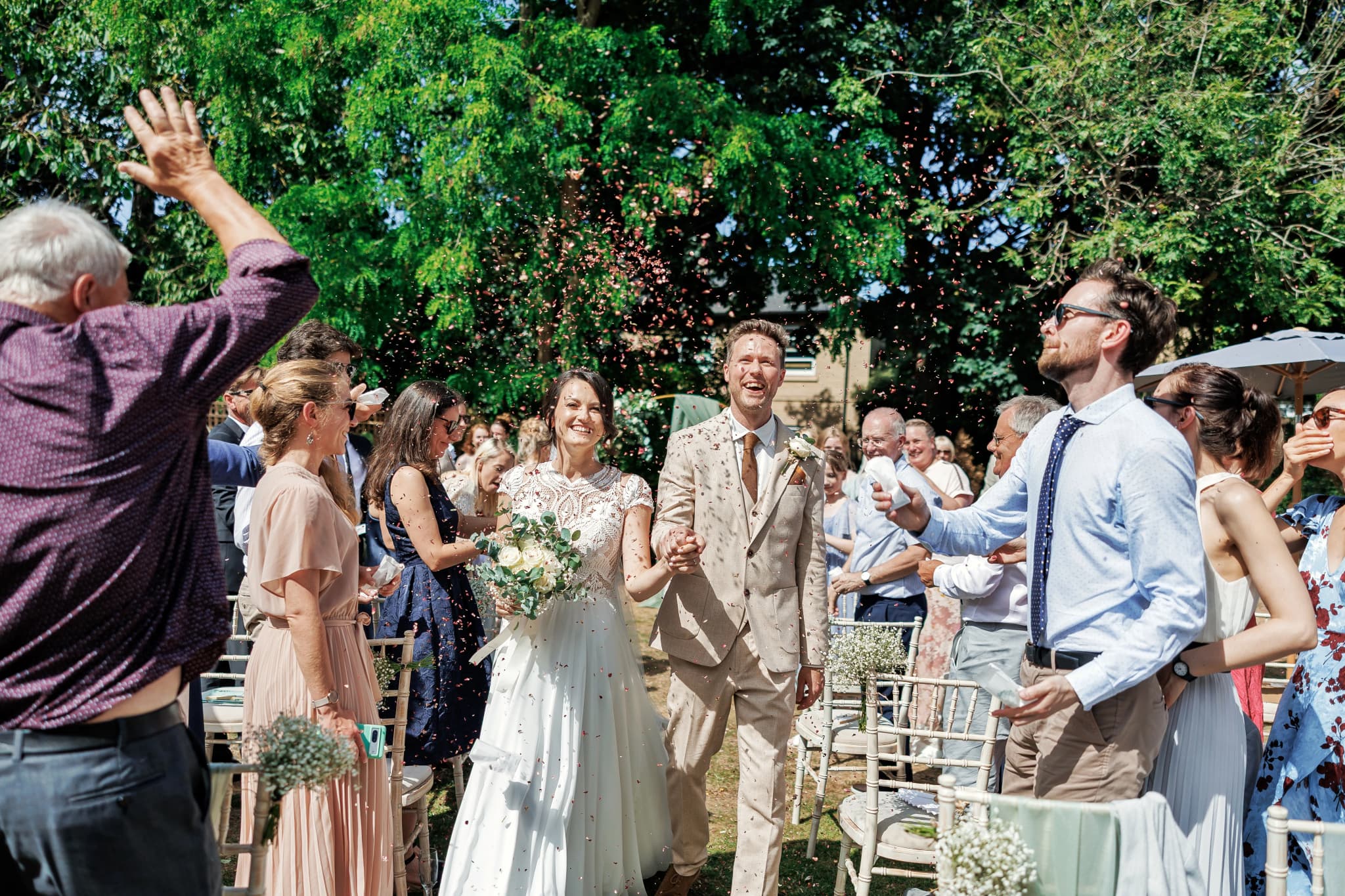

Yana Skakun
Photographer · England
Professional wedding, family and portrait photographer based in England. Passionate about capturing authentic emotions and timeless moments.
About Yana →photocullingweddingphotos
Behind the Scenes — Professional Photography in Cambridge & England
Yana Skakun is a professional photographer based in Cambridge, covering weddings, families, and portraits across England. Every session is personal — planned around your story, your people, and the moments that matter most. This guide — What is Photo Culling? How I Narrow 5000 Photos Down to 800 — is part of the photography journal: practical, experience-based advice drawn from real sessions across England. Whether you arrived searching for photo or culling, the same care and attention shapes every session Yana photographs.
Professional Photography sessions are available year-round, with bookings open across Cambridge, Ely, Huntingdon, Peterborough, and further afield — East England, London, the Midlands, and beyond. If you have specific questions about wedding, mention it in your enquiry. Get in touch through the contact form above to check availability and discuss your session. Enquiries are welcomed from anywhere in the UK.
Frequently Asked Questions
What does a photographer carry in their camera bag?+
A professional wedding or portrait photographer typically carries at least two camera bodies (primary and backup), 3–5 lenses covering wide to telephoto, multiple flash units, batteries and memory cards, a laptop for tethering if shooting in studio, and various accessories. The exact kit depends on the assignment and shooting conditions.
How do photographers edit their photos?+
Most photographers shoot in RAW format and use Adobe Lightroom for primary culling, colour grading, and global adjustments. Photoshop is used for detailed retouching where needed. Many photographers develop custom presets that establish their signature colour palette, then fine-tune each image individually. A typical wedding gallery of 600 images can take 20–40 hours to edit.
How long does it take to receive wedding photos?+
Most professional wedding photographers deliver final edited galleries within 4–8 weeks of the wedding date. Some offer 6–10 week turnaround, particularly during peak season when workload is highest. Discuss expected delivery timelines before booking and confirm it in your contract.
What backup systems do professional photographers use?+
Professional photographers back up images immediately after a shoot, often using dual-card capture during the wedding day itself (if the camera supports it). After the event, files are backed up to at least two separate drives and often a cloud service. Losing a client's images is a career-ending event — every working professional takes data security extremely seriously.
Do wedding photographers watermark their photos?+
Professional photographers typically do not watermark the digital files delivered to clients. Watermarks on personal images are inconvenient for clients and look unprofessional. Watermarking is more common on low-resolution online preview images or social media posts, but delivered gallery images are usually clean and ready to print.
Continue Reading
Related Articles
Behind the Scenes
Behind the scenes: A spring wedding in Cambridgeshire
8 min read · Read Article

Behind the Scenes
Carbon Neutral Wedding Photographer: How I Offset My Travel Emissions
6 min read · Read Article

Behind the Scenes
What is an Eco-Friendly Wedding Photographer? (My Commitment)
6 min read · Read Article
Get in Touch
Ready to Book Your Session?
Get in touch to discuss your vision — I'll reply within 24 hours.