Yana Skakun

Elopement Photography in Cornwall: England's Leading Landscape Elopement Destination
By Yana Skakun·18 April 2026·8 min read
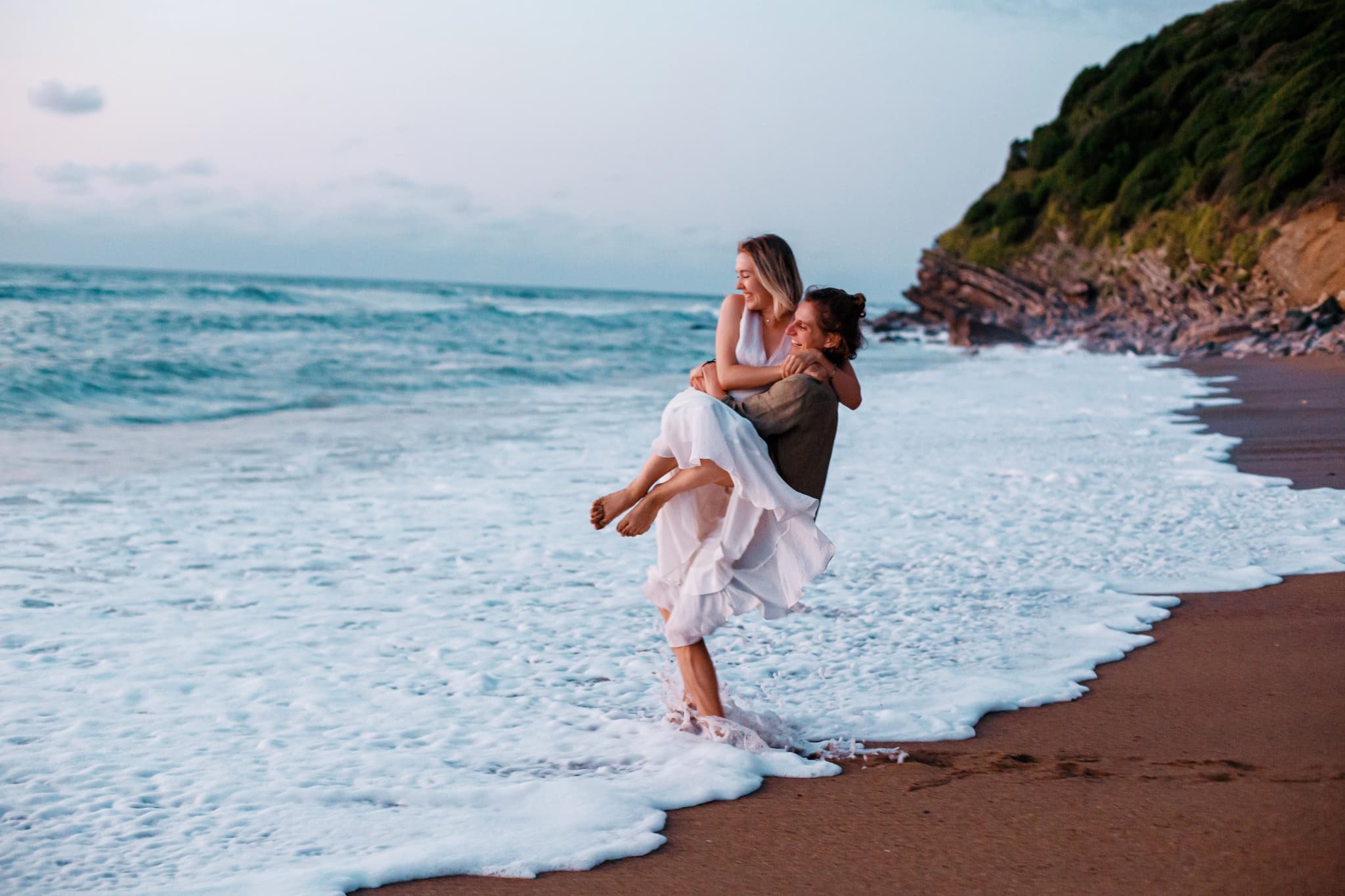
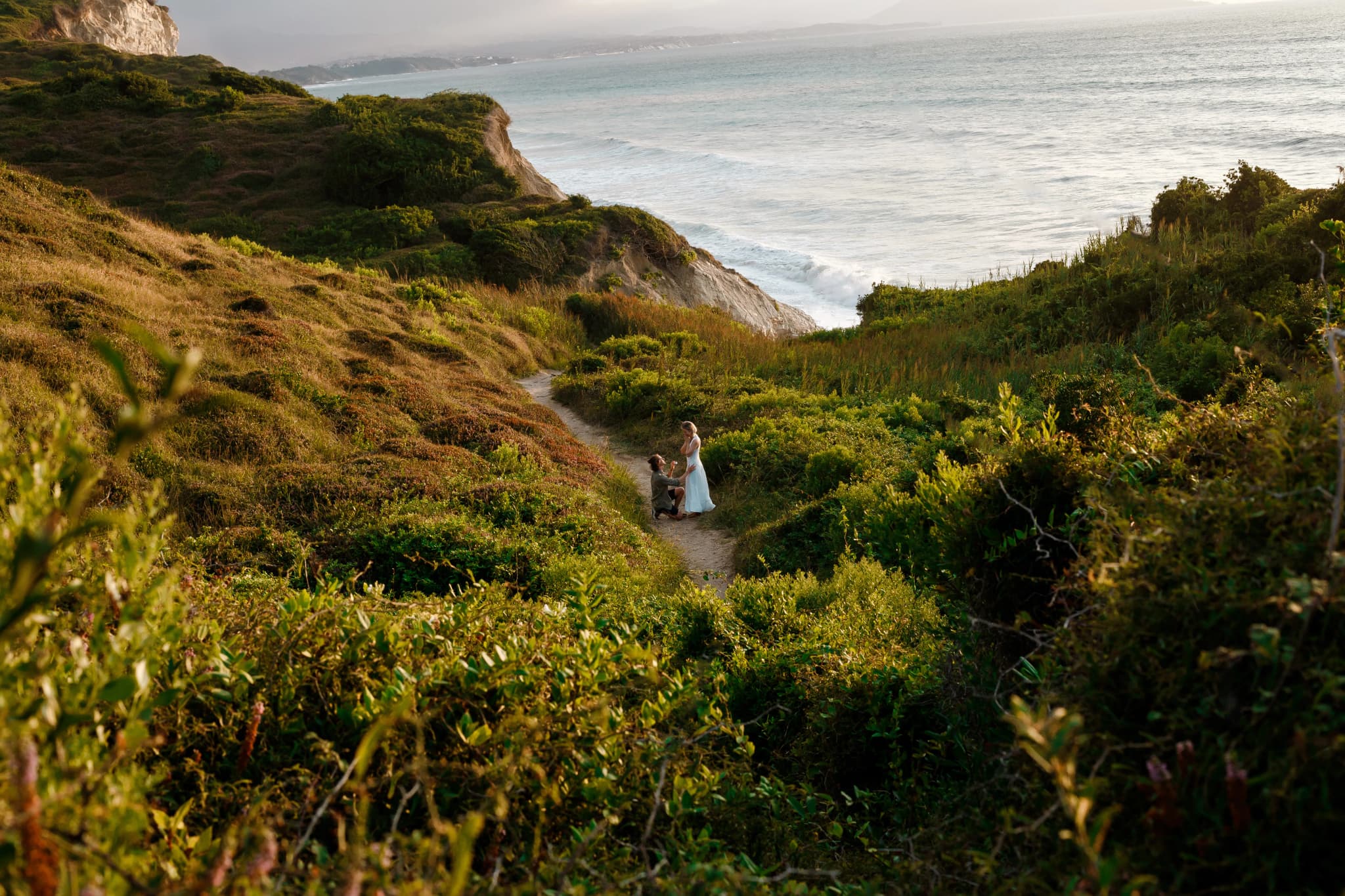
There is a particular kind of couple who gets in touch about a Cornwall elopement, and I recognise them within the first email — they have already looked at the map of the Penwith peninsula more times than they will admit, they have a rough idea of which cove they want, and they are slightly worried that wanting a small, landscape-led wedding somehow means wanting less. It does not. A Cornwall elopement is not a smaller wedding — it is a completely different kind of wedding, built around a coastline that does most of the emotional work for you.
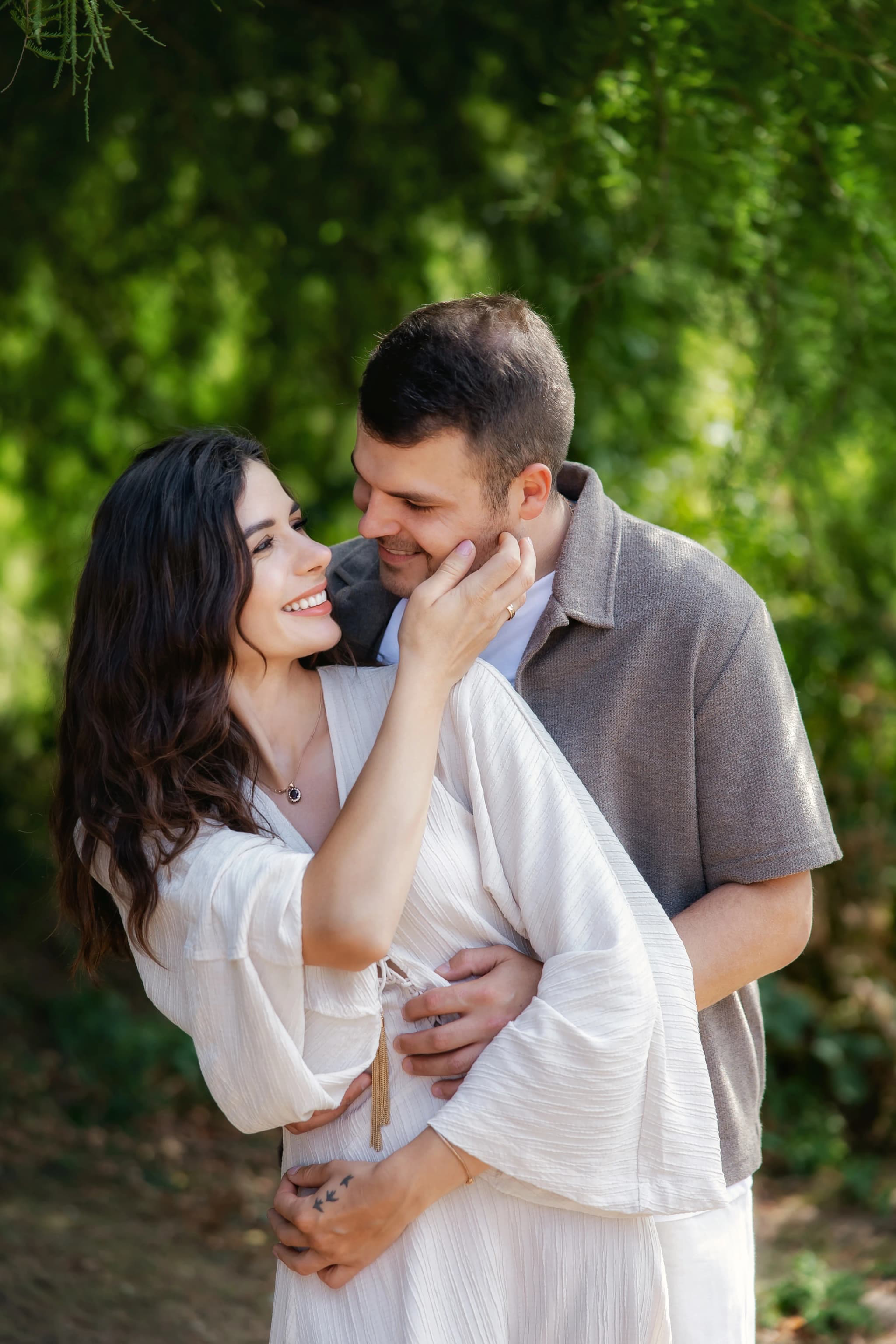
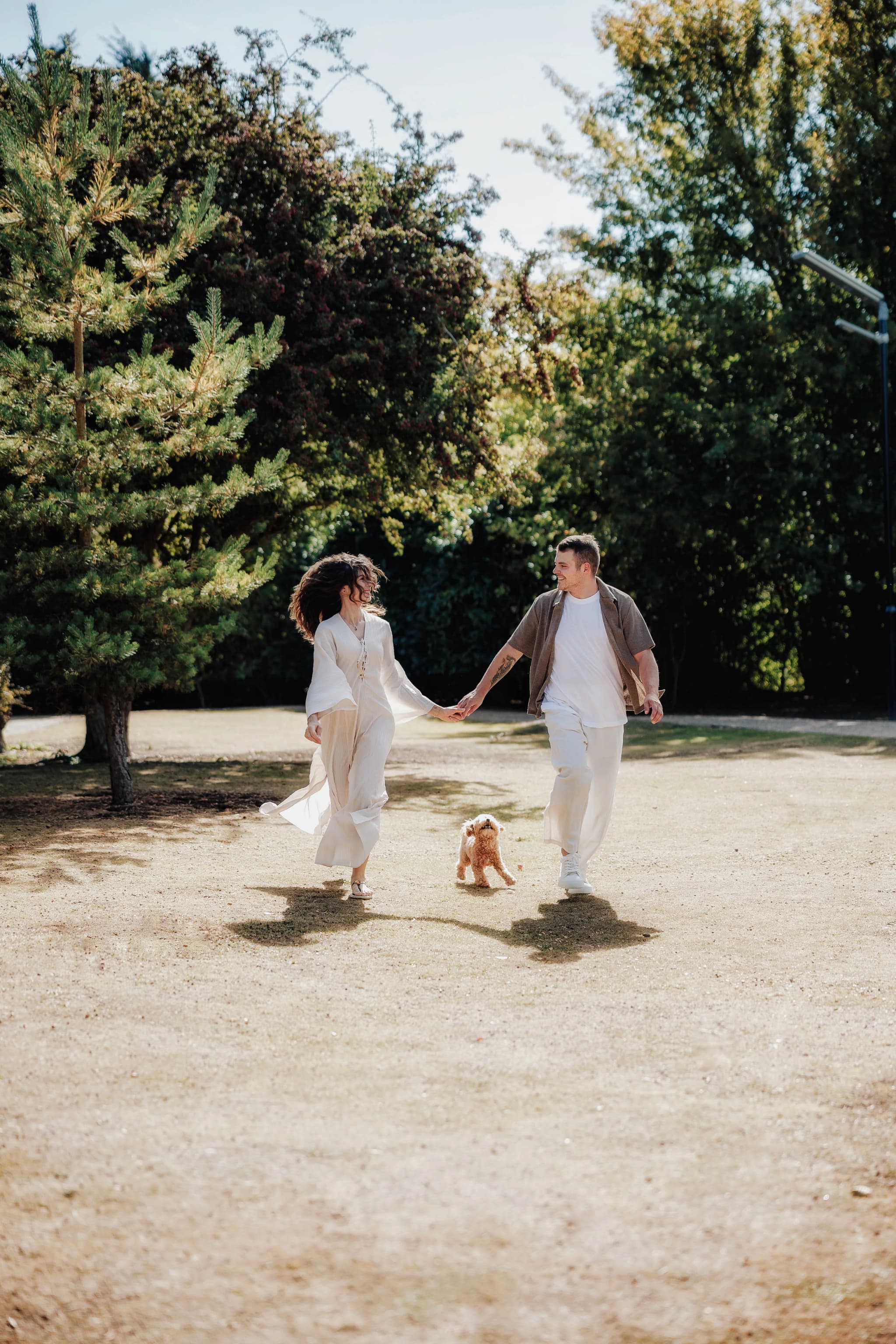
I have photographed couples on clifftops with nobody else in sight for miles, and I have photographed couples who married in a register office in Truro that morning and then drove out to the coast for portraits in the golden hour. Both are elopements in the way that matters — small, intentional, and built around a landscape rather than a guest list. Here is what I have learned about doing this well in Cornwall specifically.
Why Cornwall Works So Well for This
Cornwall has a coastline unlike anywhere else in England — genuine Atlantic drama on the north coast, gentler turquoise coves on the south and west, and a light quality that comes from being surrounded by sea on three sides. That light is the real reason Cornwall photographs so beautifully. The air is clearer and the horizon is further away than almost anywhere else in lowland England, which gives skies a depth that is hard to find inland.
The other reason Cornwall works is scale. You can drive from the Tamar Bridge to Land's End in about two and a half hours, but within that distance the landscape changes completely — wooded creeks, granite moorland, working fishing harbours, and empty clifftop paths. A couple can build an entire elopement day around two or three contrasting locations without a long drive between them, which matters when you are trying to keep the day unhurried rather than a logistics exercise.
There is also the matter of tradition. Cornwall has been a romantic destination in the English imagination for a very long time, long before "elopement" became the word people reached for. That cultural weight is not necessary for a good elopement, but it does mean the infrastructure — celebrants, small venues, cottages, cafes that will happily host a quiet toast — already exists and is used to this kind of day.
The Locations I Return to Most
The far west of Cornwall, the Penwith peninsula, is where I send most couples first. The cliffs around Land's End and Cape Cornwall are dramatic without needing much help from a photographer, and the coast road out past Zennor has pull-offs where you can walk five minutes and have an entire clifftop to yourselves. Porthcurno, with the Minack Theatre cut into the cliff face above a turquoise bay, is one of the most photogenic single locations in the county, though it is popular enough in summer that I generally recommend an early morning slot there.
The Lizard peninsula, England's most southerly point, has a different character — ancient serpentine rock, quieter coves, and a rawness that suits couples who want drama without crowds. Kynance Cove is the best-known spot there, with sea stacks and water that genuinely does turn turquoise on a clear day, and it rewards an out-of-season visit enormously.
For couples who want moorland rather than coast, Bodmin Moor is a genuinely different Cornwall — granite tors, ancient stone circles, and a bigger sense of sky than the coast can offer. It is far less visited than the beaches and gives a session an entirely different visual register, which I sometimes suggest as a second location on a two-location day, paired with a coastal spot for contrast.
Planning a Cornwall elopement
If you are weighing up a Cornwall elopement against a traditional wedding, I am happy to talk through what a day like this actually looks like in practice — timings, locations, and how photography coverage works for a small, landscape-led day.
Ask about Cornwall elopement coverageThe Legal Side, Honestly Explained
Unlike Scotland, England does not currently allow a legally binding outdoor civil ceremony. The legal marriage has to happen in a licensed building — a register office or a licensed venue with an outdoor space attached to it. This surprises a lot of couples who have seen photographs of cliffside Cornwall ceremonies and assumed the vows themselves happened out there.
The workaround that most couples use, and the one I would genuinely recommend, is to split the day in two. A short, unfussy legal ceremony at a register office — Truro and Penzance both handle this well — followed by a symbolic ceremony at your chosen clifftop or cove, led by an independent celebrant who can say anything you like without legal constraint. Guests, if there are any, often only attend the second part. This two-part structure gives you full creative freedom over the location that actually appears in your photographs, while keeping the legal paperwork simple.
Timing, Tides, and Weather
September is, in my experience, the best month for a Cornwall elopement. The summer crowds have thinned considerably after the school return, the sea is still warm from summer, and the light has started to take on that lower, warmer quality that suits portraits far better than the flat brightness of July and August. May and early June are a close second, with the added bonus of the county's hedgerows and gardens at their best.
Tides genuinely matter for some of Cornwall's best coves. Kynance in particular looks completely different at low tide, when the sand connects the sea stacks, versus high tide, when much of that sand disappears under water. I check tide tables when planning any cove-based session and will factor this into the timing of your day rather than treating it as an afterthought.
Weather in Cornwall is genuinely changeable, and the honest advice is to build in flexibility rather than fight it. A misty morning on the Penwith cliffs can produce some of the most atmospheric images I have taken — moody, soft, and quite unlike the postcard-blue-sky version of Cornwall. I would rather work with whatever the day gives us than chase a forecast that Cornwall rarely honours precisely anyway.
Practical Planning Notes
Book your celebrant and photographer as early as you can, particularly for a September Saturday, which tends to be the most requested date in my diary for exactly the reasons above. Cornwall's coastal paths are not always flat or short, so if your chosen cove requires a walk in, build genuine time into the schedule and choose footwear that will survive granite and gorse rather than aisle shoes.
A two-day Cornwall trip is worth considering if you can manage it — ceremony and portraits at one location on the first day, a second contrasting location, whether moorland or a different stretch of coast, on the second. It gives you a genuinely varied gallery rather than one that repeats the same backdrop, and it takes the pressure off getting everything from a single afternoon.
A Note on Privacy and Other Visitors
One question I get asked constantly is whether a well-known cove like Kynance or Porthcurno can genuinely feel private for an elopement. The honest answer is that it depends heavily on timing rather than the location itself. An early morning slot, well before the National Trust car parks fill up, or a September weekday rather than a summer weekend, can make even the most photographed spots in Cornwall feel like you have them entirely to yourselves. I plan around this deliberately when scouting a ceremony time, rather than simply picking whatever slot happens to suit travel logistics.
For couples who want an absolute guarantee of privacy, the lesser-known coves reached only by a longer coastal path walk — certain stretches beyond Lamorna, or parts of the Lizard away from the main Kynance car park — are worth considering, even though they demand more effort to reach. I am always glad to talk through the trade-off between a famous, easily reached location and a quieter one that takes more walking to get to.
Cornwall rewards couples who are willing to let the landscape lead. If you would like to talk through how a day like this could work for you — locations, timings, or just an honest read on whether a particular cove suits what you have in mind — get in touch and I will walk you through it.

Yana Skakun
Photographer · England
Professional wedding, family and portrait photographer based in England. Passionate about capturing authentic emotions and timeless moments.
About Yana →elopement photography CornwallCornwall elopement photographerKynance Cove elopementPenwith elopement photographycoastal elopement Cornwall
Engagement — Engagement & Love Story Photography in Cambridge & England
Engagement and pre-wedding sessions with Yana Skakun offer a natural way to get comfortable in front of the camera before your wedding day. Sessions take place at meaningful personal locations — Cambridge, the Cambridgeshire countryside, coast, woodland, or wherever your story began. This guide — Elopement Photography in Cornwall: England's Leading Landscape Elopement Destination — is part of the photography journal: practical, experience-based advice drawn from real sessions across England. Whether you arrived searching for elopement photography cornwall or cornwall elopement photographer, the same care and attention shapes every session Yana photographs.
Engagement & Love Story Photography sessions are available year-round, with bookings open across Cambridge, Ely, Huntingdon, Peterborough, and further afield — East England, London, the Midlands, and beyond. If you have specific questions about kynance cove elopement, mention it in your enquiry. Get in touch through the contact form above to check availability and discuss your session. Enquiries are welcomed from anywhere in the UK.
Frequently Asked Questions
What is the point of an engagement shoot?+
An engagement shoot lets you and your partner get comfortable in front of the camera before your wedding day. You'll learn how to move, where to look, and how to interact naturally — so wedding portraits feel relaxed rather than awkward. It also gives you and your photographer a chance to work together before the big day.
How long does an engagement photo session take?+
Most engagement sessions last 60–90 minutes. This gives enough time to warm up, explore two or three locations, try a few different looks, and capture a variety of shots without feeling rushed.
What should you wear for an engagement photoshoot?+
Wear outfits that feel like you — not something you'd only wear once. Complementary colours work well (you don't have to match exactly). Avoid bold logos and very small patterns. Bring a second outfit if you'd like variety. Think about where the shoot is happening and dress for the setting.
When should you do an engagement shoot?+
Ideally 6–12 months before your wedding — early enough that you can use the images for save-the-dates, but close enough to your wedding that the images feel current. Early morning or the hour before sunset gives the best natural light.
Where are good locations for engagement photos in England?+
Cambridge's Backs and botanic garden, London's parks and riverside, the Cotswolds countryside, coastal spots in Cornwall and Dorset, and historic estate gardens all make beautiful backdrops. Your photographer can suggest locations that suit your style and will photograph well in the season you're shooting.
Continue Reading
Related Articles

Engagement
Cotswolds Engagement Photography: Honey-Stone Villages & Rolling Hills
7 min read · Read Article
Engagement
Suffolk Countryside Engagement Shoot: Lavender Fields & Country Lanes
6 min read · Read Article
Engagement
Norfolk Coast Engagement Photos: Windswept & Beautiful
7 min read · Read Article
Get in Touch
Ready to Book Your Session?
Get in touch to discuss your vision — I'll reply within 24 hours.