Yana Skakun

Professional Headshots for Executive Coaches in the UK
By Yana Skakun·14 July 2025·5 min read
Executive coaching is one of the most personal of all professional services. A CEO or senior leader choosing a coach is making a decision based almost entirely on trust — trust in the coach's experience, trust in their discretion, and an intuitive sense of whether this is someone they could be genuinely honest with about the pressures and doubts that come with senior leadership. That trust starts forming before the first conversation ever happens, often from nothing more than the coach's professional photograph.
Why the Headshot Matters So Much in Coaching
A professional headshot for an executive coach has to communicate a particular, hard-to-fake combination of gravitas and warmth — the same balance that defines the best coaching relationships themselves. It should suggest someone who has genuinely stood where their clients stand, who understands the isolation and complexity of senior leadership, and who can be trusted with the kind of unguarded conversation that real development requires. A headshot that reads as either too corporate and closed, or too casual and unserious, undersells that balance before a prospective client has read a single word of the coach's biography.
This matters more in coaching than in most professional services because the buying decision is so relational. A prospective client browsing coach directories or LinkedIn profiles is not comparing technical specifications; they are trying to form a judgement, in a few seconds, about whether this is a person they could open up to. The photograph carries a disproportionate share of that judgement.
ICF and EMCC Credentialled Coaches
Coaches holding ICF credentials — ACC, PCC, or MCC — or EMCC accreditation have a professional standing that sets them apart in an increasingly crowded coaching market, where anyone can call themselves a coach with no formal training at all. A professional headshot on a coaching website, an ICF or EMCC directory listing, or a LinkedIn profile signals that same level of investment and seriousness to organisations and senior leaders evaluating coaching providers, reinforcing the credential rather than undercutting it with an amateur or outdated photograph.
Directory listings in particular are often the first point of contact a prospective client has with a coach, arrived at through a credentialing body's search tool rather than through referral or personal recommendation. In that cold-search context, the photograph is doing almost all of the persuasive work, since there is no existing relationship or referral to lean on.
Internal and Organisational Coaches
Coaches working inside organisations — in talent development, leadership development, or HR business partner roles with a coaching remit attached — also benefit from professional headshots, even though their audience is internal rather than public. Development programme materials, internal coaching directories, and communications about coaching offerings all carry more weight when the photograph attached to them meets the same standard as the rest of a well-run leadership development function.
A professional photograph in this context communicates the seriousness and quality of the internal coaching resource to potential clients within the organisation, many of whom will be senior leaders themselves and will notice, consciously or not, whether the coaching offer has been invested in and presented with the same care as any other executive-facing service.
Team and Systemic Coaches
Team coaches and systemic coaches working with leadership teams, boards, and senior management groups operate at a level of organisational visibility where the quality of their professional photography becomes a meaningful signal in itself. Clients at this level are used to working with premium, high-impact providers across every part of their business, and a coach's own presentation is read, fairly or not, as a proxy for the quality of the intervention they offer.
A well-made headshot supports the positioning of team coaching as exactly that kind of premium, high-impact service, rather than something that feels ad hoc or under-resourced compared with the rest of what a board or leadership team is used to engaging.
A note on preparing for a coaching headshot session
The best coaching headshots come from a short conversation beforehand about who your clients actually are and what tone you want the image to strike — more formal and corporate, or warmer and more approachable. There is no single correct answer; it depends entirely on your positioning and the clients you want to attract. I build that conversation into every coaching headshot session before we begin.
Get in touch about a coaching headshot sessionWhat to Bring and What to Expect
Wardrobe for a coaching headshot generally sits between formal corporate and business casual, reflecting the fact that coaches need to read as credible to senior leaders without appearing distant or overly corporate themselves. Bringing two or three outfit options — a blazer for a more formal variant, a smart knit or open-collar shirt for something warmer — gives useful flexibility, since many coaches need slightly different images for different platforms: a more formal version for an ICF directory, a warmer version for a personal website or LinkedIn banner.
A typical session runs long enough to work through a small number of expression and background variations without feeling rushed, because the difference between an image that reads as merely competent and one that genuinely captures warmth alongside authority often comes down to the last ten minutes of a session, once nerves have settled and a more natural expression has had time to surface.
Keeping Your Photography Current
Coaching is a long-relationship business, and a headshot taken five or six years ago, before a change in role, seniority, or simply appearance, quietly undercuts the trust the photograph is meant to build. I would generally suggest refreshing a coaching headshot every two to three years, or sooner after any significant change in how you present yourself professionally.
If you are an ICF or EMCC credentialled coach, an internal organisational coach, or a team and systemic coach working with senior leadership, and your current photography no longer reflects the calibre of work you do, that is worth addressing sooner rather than later, given how much of the initial trust-building in coaching happens before any conversation takes place.
Choosing a Setting That Fits Your Practice
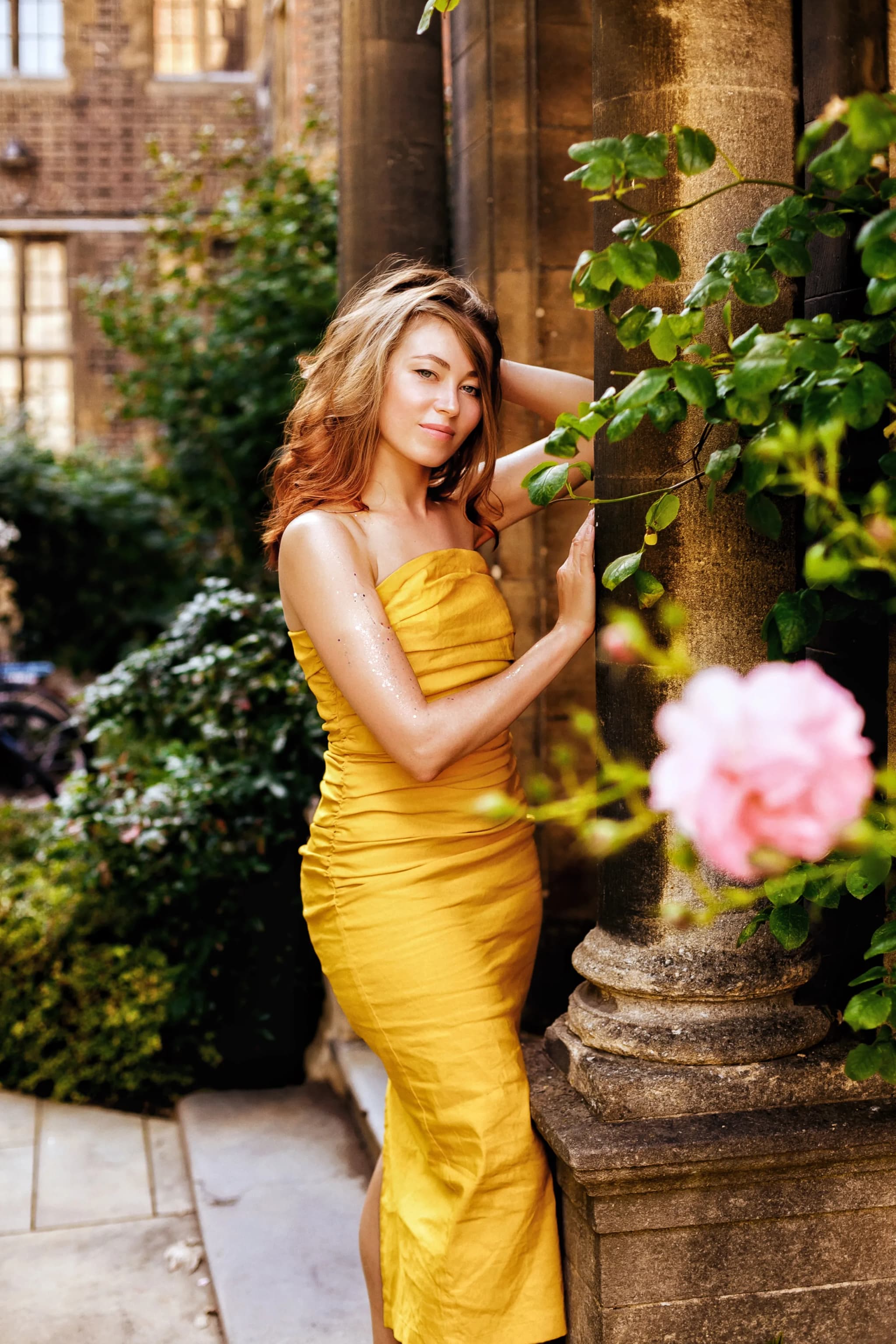
Background and setting are worth thinking about with as much care as wardrobe. A clean, neutral studio backdrop tends to suit coaches who work across multiple industries and want the image to feel adaptable to any context, while a more contextual setting — a well-lit office, a quiet outdoor location with some architectural or natural interest — can suit coaches who have built a distinctive personal brand and want their photography to reflect that individuality rather than blending into a generic template.
Many coaches also benefit from a small set of images beyond the primary headshot: a slightly wider environmental portrait for a website homepage, and a more candid, in-conversation style image for use on an about page or in a biography. Planning for this variety within a single session, rather than treating the headshot as the only deliverable, gives a coaching practice a more complete and more usable image library.
Building the Rest of Your Coaching Visual Identity
A headshot is usually the starting point of a coach's photography needs, but rarely the whole of it. Coaches building out a website, a speaker one-sheet, or materials for a book or programme launch often benefit from a broader set of images taken in the same session: environmental portraits that show you in a working context, a few genuinely candid-feeling shots for use across social platforms, and sometimes a small library of images for use in slide decks or programme brochures where a single repeated headshot would start to look thin.
Planning for this at the outset, rather than returning for a second session every time a new need arises, is usually more efficient and produces a more visually consistent body of work across everything a coaching practice puts out into the world.
Warmth Without Losing Authority
The hardest technical challenge in coaching photography is finding an expression that reads as genuinely warm without tipping into softness that undermines authority, or so composed and formal that it undermines the sense of accessibility a coach needs to project. This is rarely something that can be directed with a simple instruction like "smile naturally" — it tends to emerge over the course of a session, once a coach has settled into the process and stopped performing for the camera.
I spend time at the start of every coaching session talking rather than shooting, partly to build rapport and partly because that conversation itself often produces the most natural expressions once the camera does come out. Coaches, more than most professionals I photograph, tend to relax visibly once they realise the session is a genuine conversation rather than a series of instructions to follow.
If your current photography no longer reflects the calibre of work you do, get in touch and we can talk through a session that suits your practice and your clients.





Yana Skakun
Photographer · England
Professional wedding, family and portrait photographer based in England. Passionate about capturing authentic emotions and timeless moments.
About Yana →executive coach headshotsICF coach photographyEMCC coach headshotsleadership coach professional photoCambridge executive coach photographer
Headshot Tips — Professional Headshot Photography in Cambridge & England
Professional headshot sessions with Yana Skakun are clean, efficient, and designed to produce images that represent you authentically across every professional context — LinkedIn, company websites, speaker profiles, and press. Sessions available in Cambridge and across England. This guide — Professional Headshots for Executive Coaches in the UK — is part of the photography journal: practical, experience-based advice drawn from real sessions across England. Whether you arrived searching for executive coach headshots or icf coach photography, the same care and attention shapes every session Yana photographs.
Professional Headshot Photography sessions are available year-round, with bookings open across Cambridge, Ely, Huntingdon, Peterborough, and further afield — East England, London, the Midlands, and beyond. If you have specific questions about emcc coach headshots, mention it in your enquiry. Get in touch through the contact form above to check availability and discuss your session. Enquiries are welcomed from anywhere in the UK.
Frequently Asked Questions
What should I wear for a professional headshot?+
Solid colours photograph better than patterns. Navy, grey, charcoal, and burgundy are universally flattering. Avoid white (creates exposure issues), black (can look flat), and bright neons. Make sure your clothing fits well and is freshly pressed. Bring 2–3 outfit options to give yourself variety.
How do I prepare for a headshot session?+
Get a good night's sleep. Stay hydrated in the days before. If you're having hair and makeup done, schedule it for the morning of the shoot. Bring the clothes you plan to wear on a hanger. Arrive 10 minutes early to settle in before the camera comes out. Most importantly — don't stress. A good photographer will guide you.
How long does a professional headshot session take?+
A standard headshot session takes 30–60 minutes. This covers 2–3 outfits and multiple expressions and angles. Corporate team headshots at a single location can be scheduled at 15–20 minutes per person.
How often should you update your professional headshot?+
Every 2–3 years, or whenever your appearance changes significantly — new hairstyle, weight change, or notable ageing. Your headshot should look like you when you walk into a meeting, not like you five years ago. Outdated headshots undermine trust, particularly in client-facing roles.
What is the difference between a headshot and a business portrait?+
A headshot is a tight crop of the face and upper chest, focused entirely on professional presence and approachability. A business portrait typically includes more of the body and often incorporates environment or context — an office setting, equipment, or a workspace that communicates your profession.
Continue Reading
Related Articles

Headshot Tips
LinkedIn Headshots for Cambridge Graduates: Start Your Career With the Right First Impression
7 min read · Read Article
Headshot Tips
Professional Photography for Small Businesses: The Complete Guide
12 min read · Read Article
Headshot Tips
Corporate Team Photography: Professional Headshots for Your Entire Organisation
9 min read · Read Article
Get in Touch
Ready to Book Your Session?
Get in touch to discuss your vision — I'll reply within 24 hours.