Yana Skakun

Flash Photography at Weddings: Why You Shouldn't Fear the Flash
By Yana Skakun·10 June 2026·6 min read
I'll let you in on something most wedding photographers won't admit out loud: the flash is your friend. I know the word makes people flinch — it conjures memories of harsh, washed-out party snaps from the nineties. But used well, off-camera flash is the single biggest difference between a flat, gloomy reception gallery and one that crackles with atmosphere. After more than a decade shooting weddings across Cambridgeshire and Suffolk, I've learned that the venues I once dreaded are the ones where flash truly earns its keep.
Why reception venues are so unforgiving
Think about where receptions actually happen. A converted barn near Newmarket with exposed beams swallowing every scrap of light. A marquee in a Suffolk field at 9pm in October. A college hall in Cambridge lit by a handful of warm bulbs and a couple of fairy lights. These rooms are designed to feel romantic to the human eye, not to feed a camera sensor. Our eyes adapt beautifully to dim, candlelit spaces; a camera does not.
Left with only the ambient light, I'd be forced to crank the ISO sky-high, drop the shutter speed until movement turns to mush, and still hand you images drowning in noise and sickly orange colour casts. That's the reality of British wedding season too — our long summer evenings are lovely, but the dancing always starts after sunset, and our winter weddings are dark by half past three. Relying on what little light the venue provides is how you end up with a first dance you can barely make out.
On-camera versus off-camera: a world of difference
When people picture "flash photography" they're imagining on-camera flash — a burst fired straight from the top of the camera into your face. It flattens features, throws hard shadows up the wall behind you, and gives everyone that startled deer-in-headlights look. No wonder it has such a poor reputation.
Off-camera flash is an entirely different craft. I place one or two lights on stands around the room, angled and softened so the light rakes across the scene rather than blasting into it. Suddenly there's shape, depth and direction. The light wraps around a dancing couple, catches the rim of a champagne flute, and separates your guests from the darkness behind them. It mimics the way a window or a low evening sun would fall — only I get to decide exactly where it lands.
The skill isn't in owning the gear; it's in making the light look as though it was always meant to be there. A well-judged flash should be invisible to the eye and obvious only in the result.
What off-camera flash actually gives you
Beyond simply "making things brighter", thoughtful lighting changes the entire feel of your reception coverage. Here's what it brings to the table on the night:
- ◆Sharp, clean images: Properly lit frames mean fast shutter speeds and low ISO, so your first dance is crisp instead of a blurry, grainy smear.
- ◆True-to-life colour: Balanced flash neutralises that heavy orange tungsten cast, so the dress reads white and skin tones look natural, not jaundiced.
- ◆Drama and atmosphere: Lighting one couple while letting the background fall away creates depth and mood that flat ambient light simply can't.
- ◆Frozen movement: Flash duration is far quicker than any shutter, so a thrown bouquet, a confetti toss or a spinning lift is caught perfectly mid-air.
- ◆Backlighting and rim light: A flash hidden behind the dancefloor crowd produces a glowing halo of light through hair and haze that feels almost cinematic.
- ◆Consistency all night: From speeches to the last song, I control the light rather than chasing it, so the whole evening looks deliberate and cohesive.
But won't it ruin the mood?
This is the worry I hear most, and it's a fair one. Nobody wants strobes flashing relentlessly through their first dance like a nightclub. The good news is that done correctly, off-camera flash is remarkably discreet. I keep my lights low-powered and tucked at the edges of the room, and I'm firing in quick, occasional bursts — not a constant barrage. Most couples tell me afterwards they barely noticed the lighting was there at all.
I also balance my flash against whatever the venue gives me. If your barn has gorgeous festoon lighting or your marquee is strung with fairy lights, I'll expose for that warmth first and use flash only to lift faces and add definition. The atmosphere you've carefully planned stays intact; I'm simply making sure the camera can actually record it. The mood you feel in the room is the mood you'll see in your gallery.
Questions worth asking your photographer
Whoever you book, it's worth checking how they handle low light, because plenty of photographers simply don't carry off-camera lighting or know how to use it. Ask whether they bring flash to receptions, whether they have a backup if a light fails, and ask to see a full evening gallery — not just the golden-hour portraits taken in perfect daylight.
A confident wedding photographer will happily talk you through their approach to your specific venue. When I scout a barn near Ely or a hall in Cambridge, I'm already picturing where my lights will stand and how the dancefloor will read once the sun is gone. That preparation is exactly what lets me promise you a reception gallery that's every bit as alive as the moment itself.
Worried your reception venue might be a little too dark?
I bring off-camera lighting to every wedding across Cambridgeshire, Suffolk and beyond, so your evening looks as magical in print as it felt on the night. Let's talk about your venue and your date.
Check Your Date →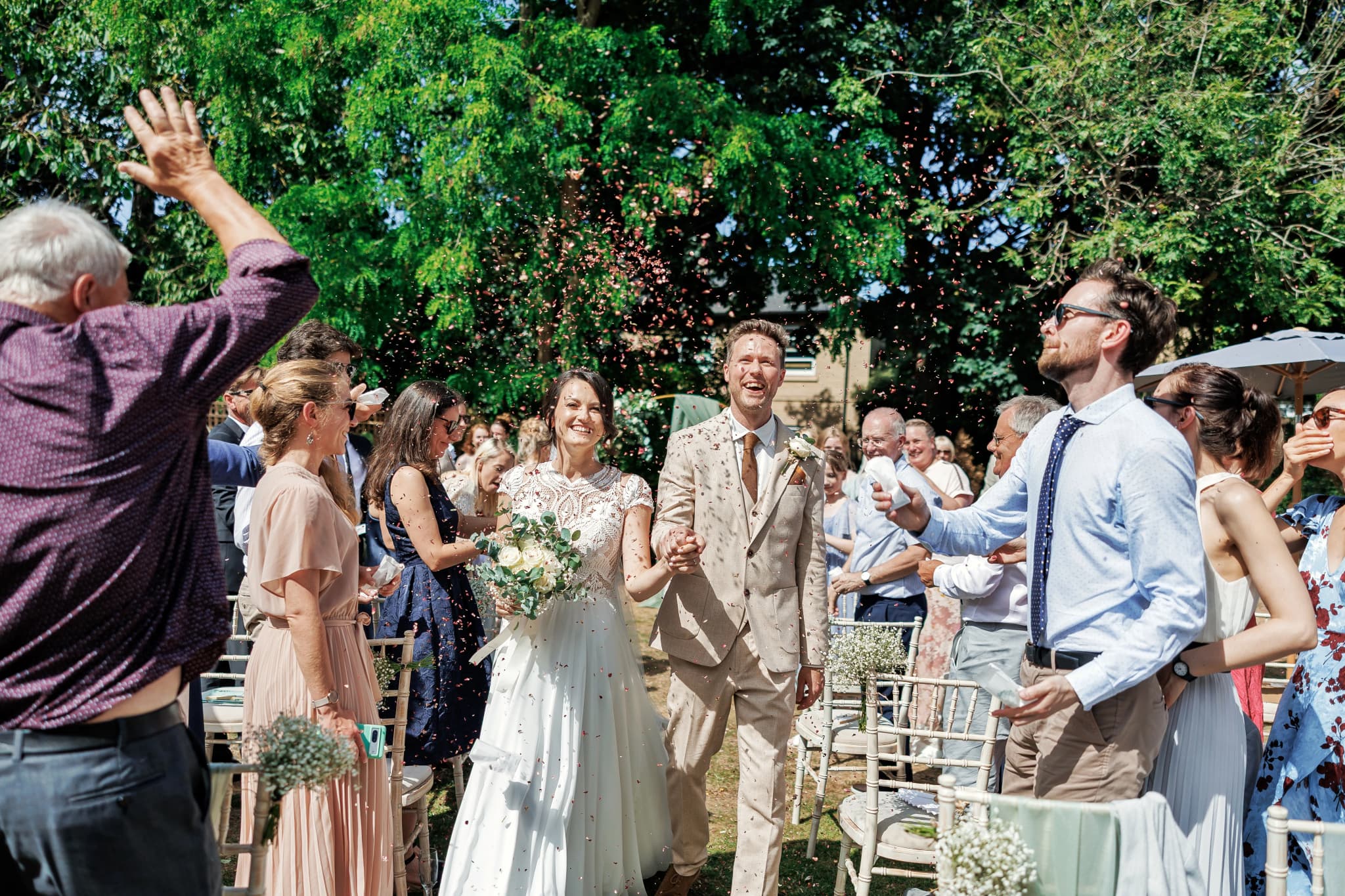

Yana Skakun
Photographer · England
Professional wedding, family and portrait photographer based in England. Passionate about capturing authentic emotions and timeless moments.
About Yana →flashphotographyweddingreception
Photography Guide — Professional Photography in Cambridge & England
Yana Skakun is a professional photographer based in Cambridge, covering weddings, families, and portraits across England. Every session is personal — planned around your story, your people, and the moments that matter most. This guide — Flash Photography at Weddings: Why You Shouldn't Fear the Flash — is part of the photography journal: practical, experience-based advice drawn from real sessions across England. Whether you arrived searching for flash or photography, the same care and attention shapes every session Yana photographs.
Professional Photography sessions are available year-round, with bookings open across Cambridge, Ely, Huntingdon, Peterborough, and further afield — East England, London, the Midlands, and beyond. If you have specific questions about wedding, mention it in your enquiry. Get in touch through the contact form above to check availability and discuss your session. Enquiries are welcomed from anywhere in the UK.
Frequently Asked Questions
What camera settings should I use for outdoor portraits?+
For outdoor portraits, shoot in aperture priority mode. Use a wide aperture (f/1.8–f/2.8) to blur the background and isolate your subject. Keep ISO as low as possible in good light. In bright conditions, use a neutral density filter or switch to manual to avoid overexposure at wide apertures.
What is the golden hour in photography?+
Golden hour is the period roughly 30–60 minutes after sunrise and before sunset. The sun is low in the sky, producing warm, soft, directional light that flatters skin tones and creates beautiful long shadows. It's widely considered the best natural light for portrait and outdoor photography.
How do you get sharp photos in low light?+
In low light, increase your ISO (accepting some grain), use the widest aperture your lens allows, and slow your shutter speed to the slowest you can hand-hold without camera shake (roughly 1/focal length as a guide). Use image stabilisation if available, and consider a tripod for static subjects.
What is the rule of thirds in photography?+
The rule of thirds divides the frame into a 3×3 grid. Placing your subject on one of the four intersection points — rather than dead centre — creates a more dynamic, visually interesting composition. It's a guideline, not a rule: some of the most powerful images break it deliberately.
How do you edit photos to look professional?+
Professional editing starts with shooting in RAW format. In Lightroom or similar software, correct exposure, white balance, and contrast first. Recover shadow and highlight detail. Apply gentle colour grading for mood. Be conservative with skin retouching — the goal is natural enhancement, not transformation. Consistency across a set of images is what separates professional from amateur editing.
Continue Reading
Related Articles


Get in Touch
Ready to Book Your Session?
Get in touch to discuss your vision — I'll reply within 24 hours.