Yana Skakun

Romantic Golden Hour Couples Shoot: Why Sunset Sessions Are Magic
By Yana Skakun·17 November 2033·6 min read
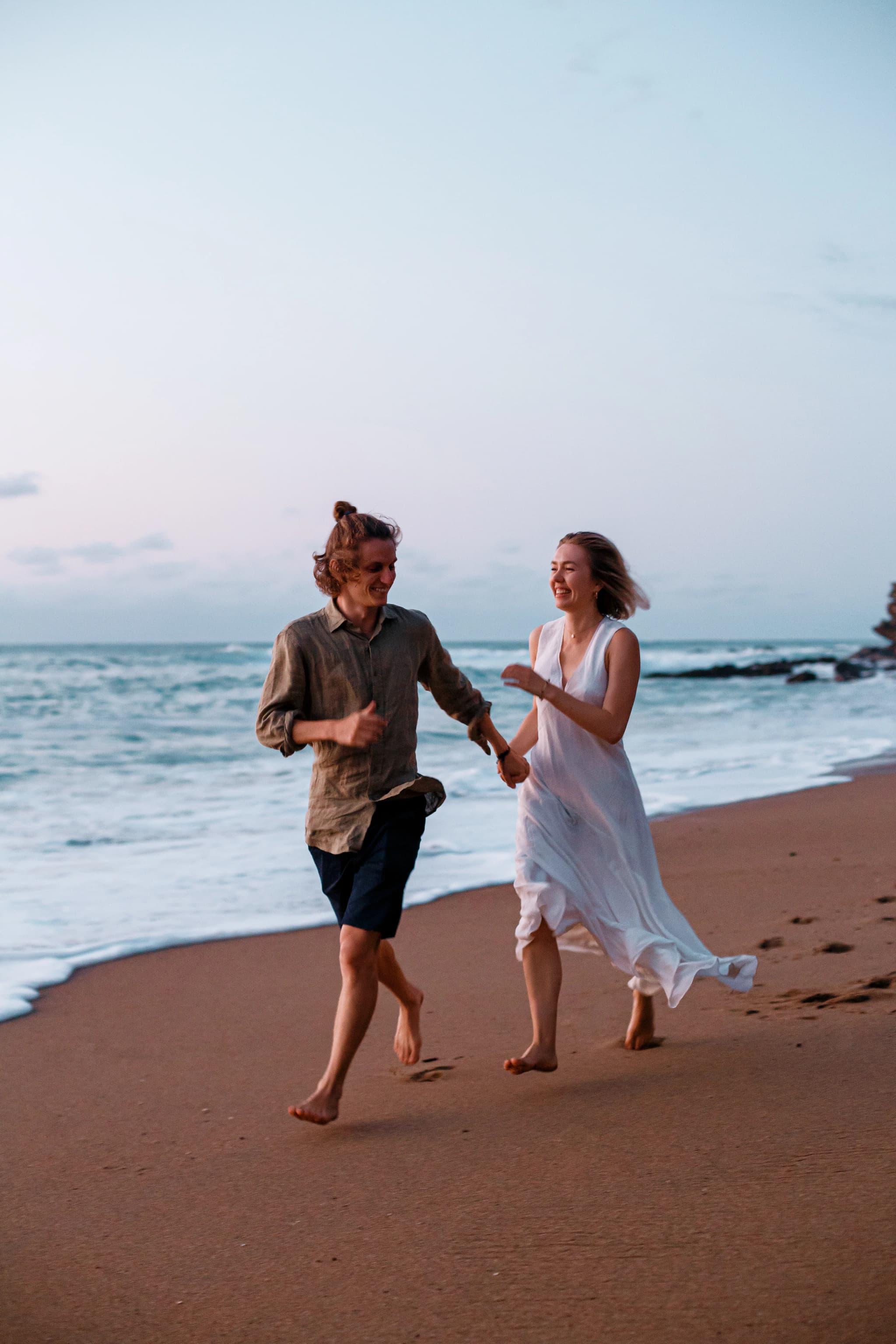
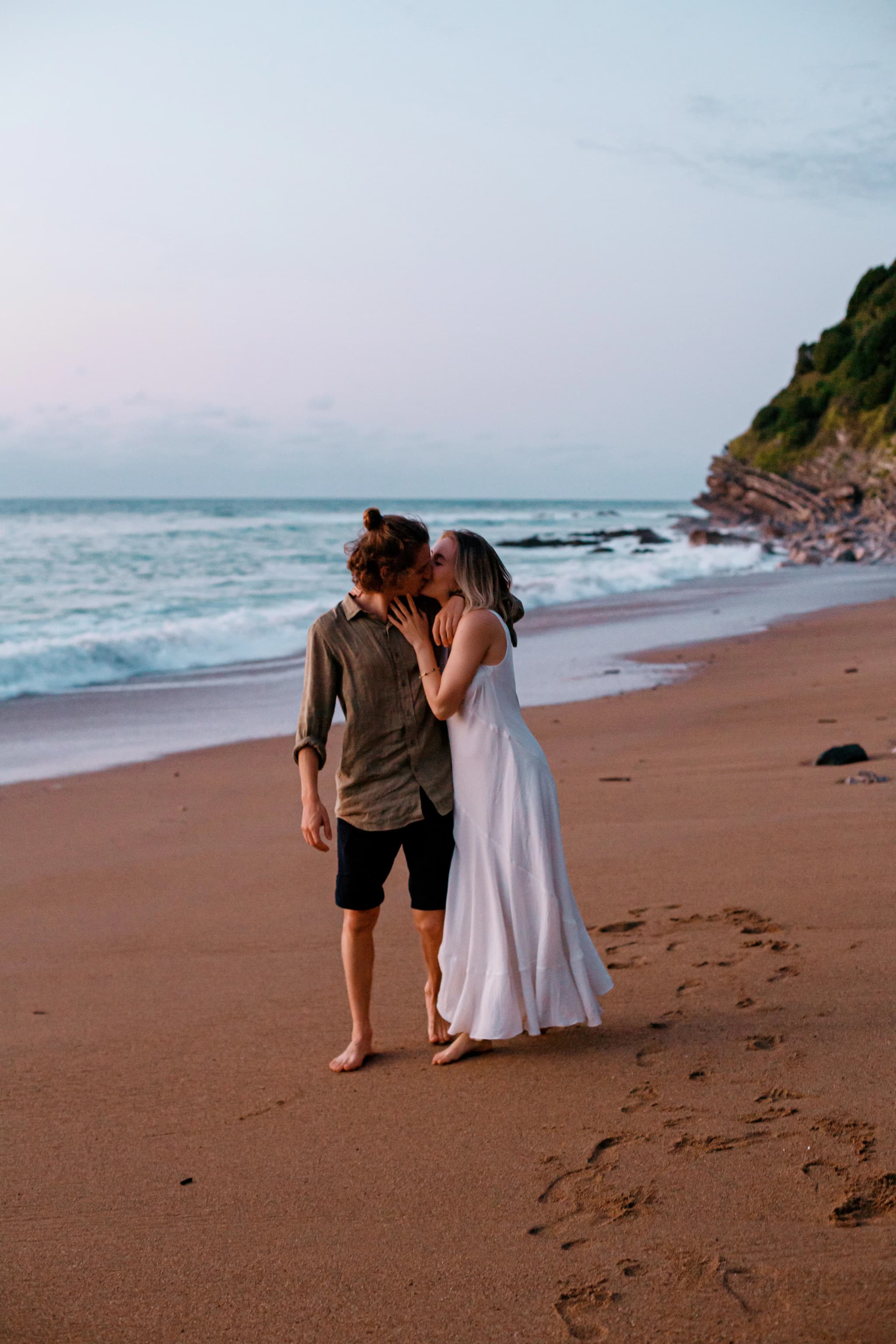
Golden hour, the period roughly forty-five minutes before sunset and briefly after sunrise, produces light that does something no studio strobe can fully replicate. The sun sits low and its rays travel through a much greater thickness of atmosphere than midday light, scattering the blue frequencies and leaving behind warm amber and gold. For couples photography specifically, this warm, directional, diffused light does something useful beyond the purely technical: it wraps two people in the same quality of light at the same moment, and the effect on the resulting images is quietly emotional in a way that is hard to put into words until you have seen it happen.
What Makes Golden Hour Light Special for Couples
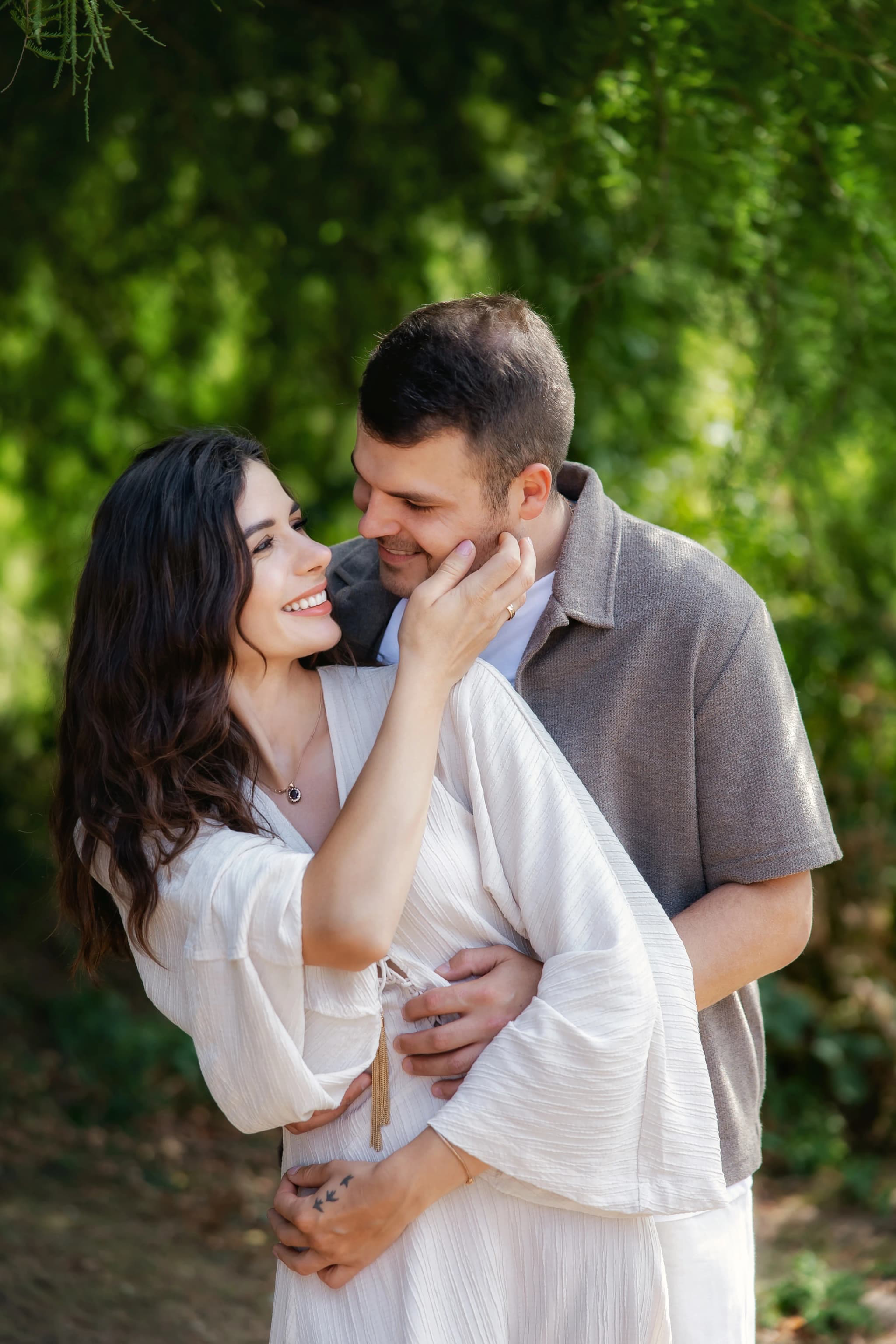
Golden hour light falls across faces at a flattering angle that eliminates the harsh shadows of overhead noon sun, and it does this for both people in a couple simultaneously, which matters more than it might sound. In a portrait of two people standing close together, uneven or harsh light tends to pick out different flaws on each face depending on angle, while golden hour's soft, low, even quality treats both people the same way, which is part of why couples' galleries from golden hour sessions tend to feel so cohesive rather than like two separate portraits placed side by side.
Couples often tell me afterwards that golden hour photographs look the way falling in love felt — warm, slightly hazy at the edges, softly lit rather than starkly clear. That is not an accident of language. The aesthetics of golden hour light genuinely reinforce the emotional content of a couples session: the warmth in the colour temperature echoes the warmth of the moment, and the soft directional quality of the light lends itself naturally to close, intimate poses without needing much direction from me at all.
There is also a practical benefit that is easy to overlook. Because golden hour light is soft and forgiving rather than harsh and high-contrast, couples who feel self-conscious in front of a camera tend to relax more quickly in it than they would under flat midday sun or bright artificial light. Less squinting, fewer harsh shadows under the eyes, and a generally gentler quality to the whole scene all combine to make people feel more at ease, which comes through directly in how natural the resulting expressions look.
Locations That Work Best at Golden Hour
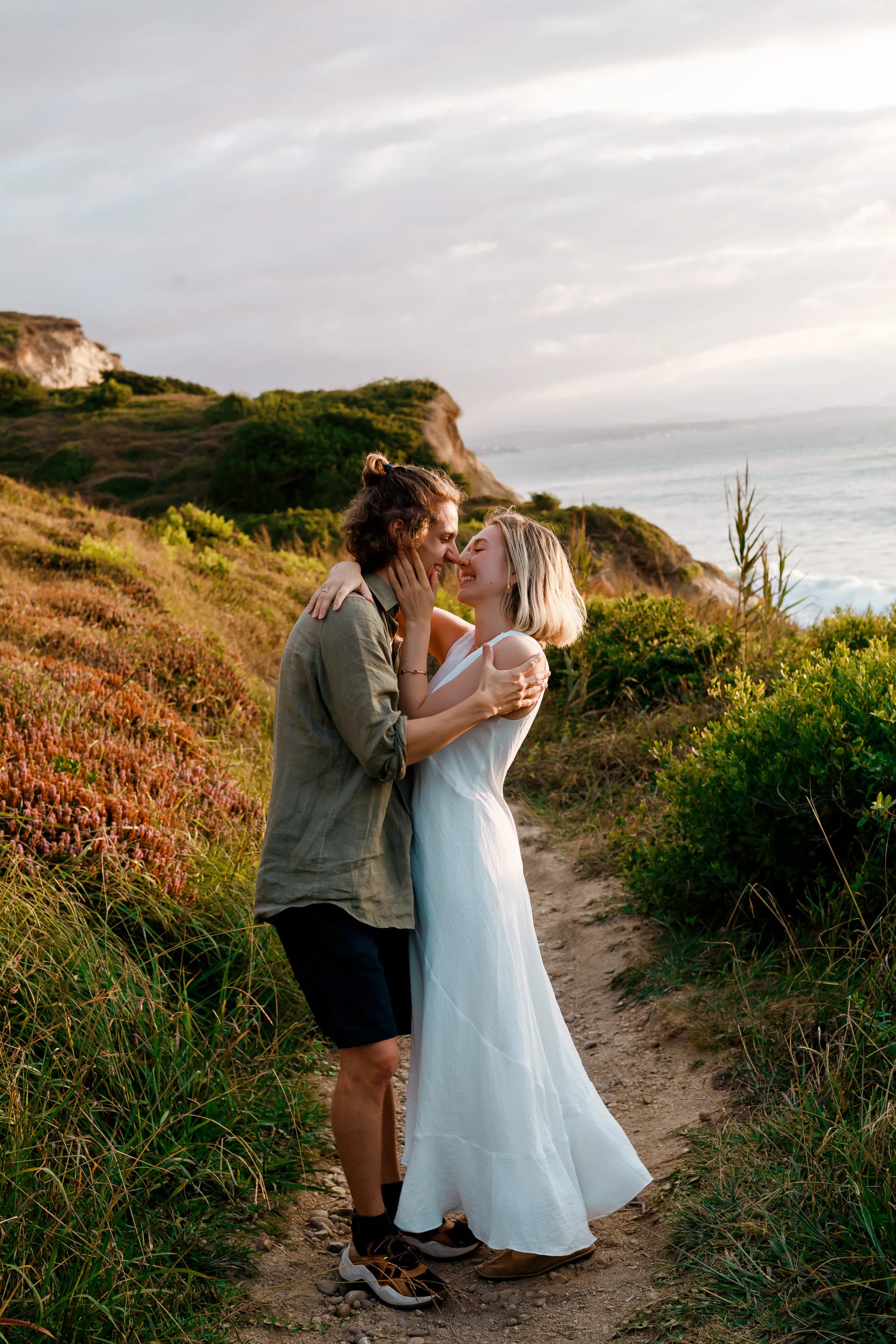
Not every location performs equally well at golden hour. The best spots have clear western horizons — open fields, riverbanks, hilltops — so the light can reach the couple directly rather than being blocked by buildings or trees before it gets low enough to produce that characteristic warm glow. Cambourne, Grantchester Meadows, the River Cam near Fen Ditton, and open farmland on the edge of the Cambridgeshire fens all catch golden hour beautifully, and each has a slightly different character depending on how open or enclosed the surrounding land is.
Long grasses, wildflower meadows, and water all take on a golden glow at sunset that adds texture and depth to the background behind a couple, often doing a good part of the visual work without any additional styling needed. In summer, fields approaching harvest are particularly beautiful for this — the grain turns close to the same colour as the light itself, and the overall palette of the image becomes warm and cohesive from top to bottom, which is difficult to achieve as convincingly at any other time of day.
Timing: Why Golden Hour Sessions Require Planning
Golden hour does not last long, and sunset time shifts by several hours between winter and midsummer in the UK, which makes planning around it more involved than it might first appear. A summer golden hour session in Cambridge might begin around 8:30pm and continue through a long, slow twilight until nearly 10pm, giving a genuinely relaxed window to work with. A winter session at golden hour, by contrast, ends around 3:30pm, and the quality of light at those low angles is often interrupted by cloud cover moving in off the North Sea, which makes winter golden hour sessions more weather-dependent and harder to guarantee.
For this reason I typically schedule dedicated golden hour couples sessions for late spring through early autumn, when the sun sets late enough to suit most people's schedules and the light at low angles tends to be more consistently warm and clear. We confirm your sunset time during booking and plan the meeting time to work backwards from it, generally arriving ten to fifteen minutes before the light truly peaks so there is time to settle in before the best of it arrives.
A note on booking a golden hour session
Golden hour sessions revolve entirely around a moving target — the exact sunset time for your date and location — so I plan these sessions with the meeting time calculated specifically for you rather than a fixed slot. If a warm, romantic, sunset-lit set of couples photographs is what you are picturing, it is worth getting in touch early so we can find a date that works for both your schedule and the season.
Enquire about a golden hour sessionWhat to Wear for Golden Hour
Warm tones — rust, burnt orange, terracotta, ivory, soft gold, cream, deep burgundy — photograph beautifully in golden hour light, since they echo rather than fight the colour temperature of the scene around them. Cool tones such as grey, blue, and navy are also lovely against a warm background, offering a gentle contrast rather than clashing with it, so there is more flexibility in what to wear than people sometimes assume. What tends not to work as well is bright white or solid black as a dominant single-item outfit choice, since both can behave unpredictably in the high-contrast light typical of a clear sunset.
Couples often choose complementary rather than perfectly matching palettes for a golden hour session — one warm-toned outfit and one slightly cooler, or both in earthy neutrals that sit comfortably together without looking co-ordinated in an obvious way. I am always happy to look over outfit choices in advance and offer thoughts on how a particular colour is likely to read in evening light, since it is genuinely easier to predict than most people expect once you know what to look for.
Golden Hour Through the Seasons
Golden hour looks and feels genuinely different depending on the time of year, and part of planning a couples session well is deciding which version of it suits the two of you. A midsummer golden hour is long, gentle, and unhurried, with warm haze building slowly over an hour or more, giving plenty of time to relax into the session without watching the clock too closely. An autumn golden hour arrives earlier and moves faster, but pairs beautifully with turning leaves and the low, rich colour of the season, producing images with a slightly more dramatic, saturated feel than the softer light of high summer.
A winter golden hour, though shorter and colder, has its own particular magic — pale, cool ground contrasting with intensely warm sky colour, bare trees silhouetted against a fading orange horizon, and a stillness to the light that summer sessions rarely have. Couples who want something a little more atmospheric and less conventionally pretty often gravitate toward a winter session once they understand what the light can look like at that time of year, and I am always happy to talk through what to expect before committing to a particular season.
Spring golden hour sits somewhere between the two extremes, with fresh green growth on trees and hedgerows catching the low light in a way that feels new and optimistic rather than richly saturated like autumn or starkly cool like winter. For couples planning a spring wedding, a spring golden hour engagement session ahead of the big day can be a lovely way to preview the kind of light and colour palette the wedding photographs themselves might carry a few months later.
Golden hour is, in my experience, the single most reliable way to produce couples photographs with real warmth and atmosphere, and it rewards a bit of planning far beyond what the light itself costs in effort. If you would like to talk through timing, location, and what to wear for a golden hour couples or engagement session, get in touch and we can build a plan around the season that suits you best.

Yana Skakun
Photographer · England
Professional wedding, family and portrait photographer based in England. Passionate about capturing authentic emotions and timeless moments.
About Yana →golden hour couples photographysunset couples shoot Cambridgeromantic golden hour sessionevening engagement photography Cambridge
Engagement — Engagement & Love Story Photography in Cambridge & England
Engagement and pre-wedding sessions with Yana Skakun offer a natural way to get comfortable in front of the camera before your wedding day. Sessions take place at meaningful personal locations — Cambridge, the Cambridgeshire countryside, coast, woodland, or wherever your story began. This guide — Romantic Golden Hour Couples Shoot: Why Sunset Sessions Are Magic — is part of the photography journal: practical, experience-based advice drawn from real sessions across England. Whether you arrived searching for golden hour couples photography or sunset couples shoot cambridge, the same care and attention shapes every session Yana photographs.
Engagement & Love Story Photography sessions are available year-round, with bookings open across Cambridge, Ely, Huntingdon, Peterborough, and further afield — East England, London, the Midlands, and beyond. If you have specific questions about romantic golden hour session, mention it in your enquiry. Get in touch through the contact form above to check availability and discuss your session. Enquiries are welcomed from anywhere in the UK.
Frequently Asked Questions
What is the point of an engagement shoot?+
An engagement shoot lets you and your partner get comfortable in front of the camera before your wedding day. You'll learn how to move, where to look, and how to interact naturally — so wedding portraits feel relaxed rather than awkward. It also gives you and your photographer a chance to work together before the big day.
How long does an engagement photo session take?+
Most engagement sessions last 60–90 minutes. This gives enough time to warm up, explore two or three locations, try a few different looks, and capture a variety of shots without feeling rushed.
What should you wear for an engagement photoshoot?+
Wear outfits that feel like you — not something you'd only wear once. Complementary colours work well (you don't have to match exactly). Avoid bold logos and very small patterns. Bring a second outfit if you'd like variety. Think about where the shoot is happening and dress for the setting.
When should you do an engagement shoot?+
Ideally 6–12 months before your wedding — early enough that you can use the images for save-the-dates, but close enough to your wedding that the images feel current. Early morning or the hour before sunset gives the best natural light.
Where are good locations for engagement photos in England?+
Cambridge's Backs and botanic garden, London's parks and riverside, the Cotswolds countryside, coastal spots in Cornwall and Dorset, and historic estate gardens all make beautiful backdrops. Your photographer can suggest locations that suit your style and will photograph well in the season you're shooting.
Continue Reading
Related Articles
Engagement
Cotswolds Engagement Photography: Honey-Stone Villages & Rolling Hills
7 min read · Read Article
Engagement
Suffolk Countryside Engagement Shoot: Lavender Fields & Country Lanes
6 min read · Read Article
Engagement
Norfolk Coast Engagement Photos: Windswept & Beautiful
7 min read · Read Article
Get in Touch
Ready to Book Your Session?
Get in touch to discuss your vision — I'll reply within 24 hours.