Yana Skakun

Hengrave Hall Wedding Photography: Tudor Grandeur in Suffolk
By Yana Skakun·6 April 2026·7 min read
Hengrave Hall in the village of Hengrave near Bury St Edmunds is one of England's finest Tudor buildings — a magnificent E-plan mansion of pale Bury St Edmunds limestone completed in 1538 for Sir Thomas Kytson, with an oriel window of extraordinary delicacy and a gatehouse that has appeared in countless history books. For wedding photography it is among the most remarkable venues in East Anglia, and every time I photograph a wedding there I find another detail of the building I had not fully appreciated on previous visits.
The Gatehouse and Entrance Courtyard
Hengrave's gatehouse — with the carved oriel window dated 1525 and the Kytson arms — is the single most recognisable feature of the hall. The pale limestone glows in sunlight and takes on a warm honey tone in evening light, which makes the gatehouse a genuinely different backdrop depending on what time of day a couple chooses for their portraits. Portraits on the steps of the gatehouse, with the oriel window above and the courtyard behind, produce one of the most architecturally distinctive wedding images in Suffolk, and it is usually the first location I photograph once the couple is ready, before the light or the schedule moves on.
The entrance courtyard itself, enclosed on multiple sides by the hall's ranges, creates a naturally sheltered space that works well even when the weather outside is less cooperative — the walls block wind and soften direct light, giving a more even, flattering result than fully open ground.
The Great Hall
Hengrave's great hall is a baronial space of hammer beams, heraldic glass, and polished oak — the principal ceremony and reception room. The east-facing bay window provides beautiful morning light, which is worth factoring into the timing of a morning ceremony if the couple wants the window's light to feature prominently. The minstrels' gallery above creates framing opportunities for ceremony coverage, giving an elevated vantage point that captures the full scale of the room alongside the ceremony itself.
Long-table wedding breakfasts in this room photograph magnificently — the height of the hall draws the eye up, and the wood tones throughout provide warmth that carries through images taken at any point in the evening, from the first course through to speeches and the first dance. The combination of scale and warmth in this room is unusual; many grand historic halls feel imposing rather than inviting, but Hengrave's great hall manages both at once.
The Chapel and Grounds
The Chapel of St John at Hengrave is a private licensed chapel — intimate, stone-floored, with clear glass east windows that flood morning ceremonies with clean directional light. Because the chapel is comparatively small and intimate, it suits couples planning a more contained ceremony, and the clear glass windows mean the natural light inside is genuinely usable for photography without needing much additional support.
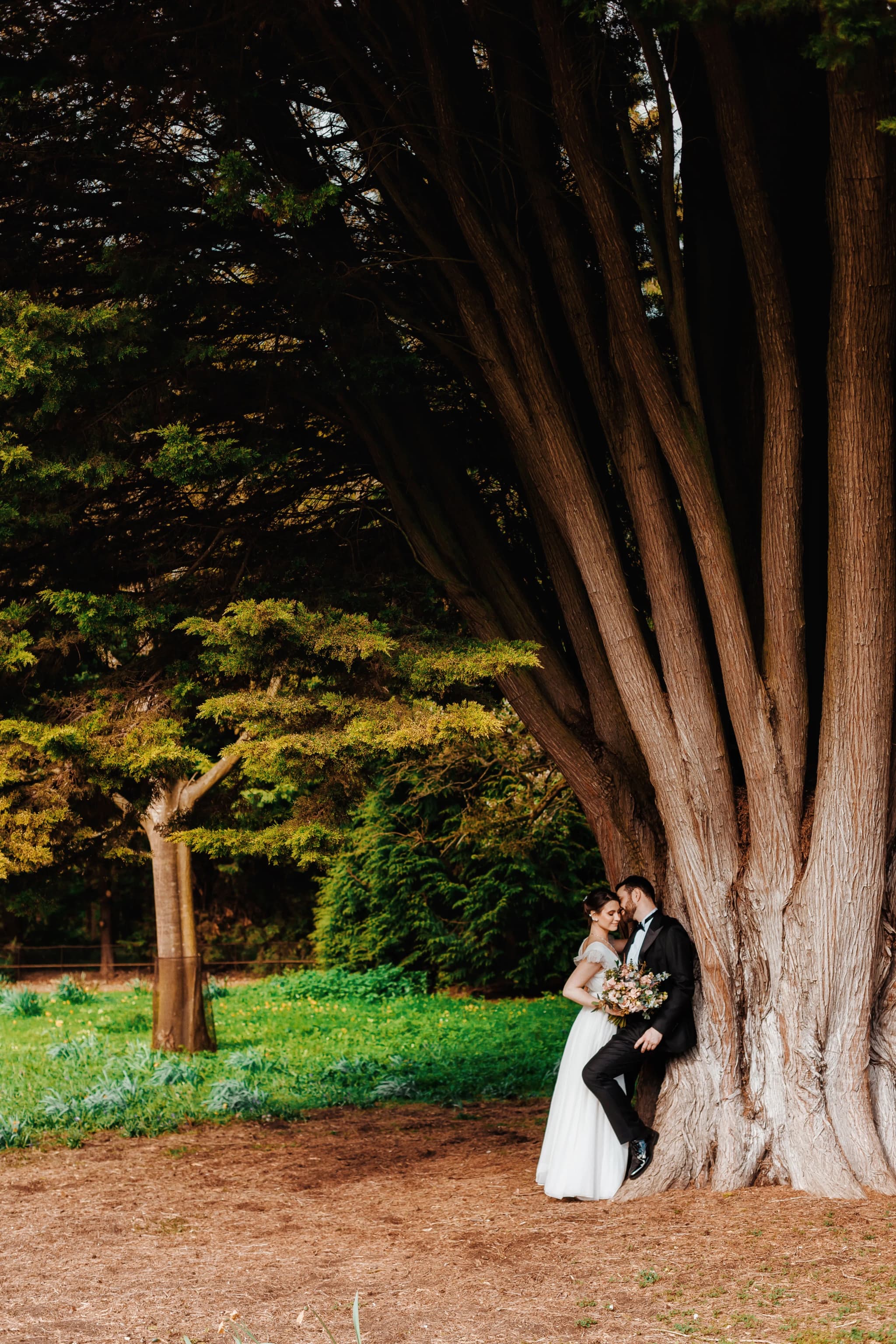
The hall's grounds include formal terraces, a croquet lawn, and a park with ancient specimen trees providing framing for golden-hour portraits. The parkland in particular offers a real change of pace from the formality of the hall itself — wide open grass, mature trees, and long views that give portraits a softer, more relaxed character to sit alongside the grander architectural images taken closer to the building.
A note on photographing at Hengrave Hall
I photograph weddings throughout Suffolk and know Hengrave Hall well, including how its light and different spaces change through the day. Get in touch to discuss your wedding and how we might make the most of the venue.
View wedding photographyHengrave Hall in Different Seasons
Hengrave Hall photographs beautifully across most of the year, though each season brings out something slightly different in the building and its grounds. Summer gives the fullest, greenest parkland and the longest evening light for portraits away from the hall itself, while spring adds fresh growth to the formal terraces and a particular clarity to the limestone in cooler, cleaner light. Couples marrying in these months tend to make the most of the wider grounds, spending more time on the croquet lawn and among the parkland trees.
Autumn and winter weddings at Hengrave lean more heavily on the interior spaces — the great hall and the chapel — both of which hold their character regardless of the weather outside, and both of which photograph with real warmth even on a grey day thanks to the wood tones and stonework. A low winter sun through the chapel's east windows can, in the right conditions, produce some of the most striking light of the entire year at this venue, which is worth bearing in mind for couples not set on a summer date.
Planning Your Day Around the Venue
Because Hengrave Hall offers such a genuinely varied set of spaces — the honey-toned gatehouse, the soaring great hall, the intimate stone chapel, and the open parkland — I always encourage couples to think about which of these they most want to feature, rather than trying to use every space equally within a limited timeline. A day built around two or three key locations, given proper time each, tends to produce a stronger, more coherent set of images than a rushed tour of the entire estate.
Timing matters here as much as it does at any historic venue: the gatehouse and courtyard work best with some direct sun to bring out the warmth in the limestone, while the chapel's east-facing windows favour a morning ceremony for the cleanest available light. I usually visit in advance of the wedding day itself if I have not photographed there recently, simply to reconfirm how the light is falling at the time of year in question.
Combining Hengrave Hall With the Surrounding Area
Hengrave sits close enough to Bury St Edmunds that couples occasionally choose to combine the two — a portrait session in the abbey gardens or the historic streets of the town, followed by the ceremony and reception at the hall itself. This is not something every couple wants, given the additional travel it adds to the day, but for those drawn to the idea it offers a genuine change of scene between the more intimate, architectural photography at Hengrave and the wider, more urban character of Bury St Edmunds.
For couples staying entirely within the grounds of Hengrave Hall, there is more than enough variety within the estate itself to avoid the day feeling repetitive — the gatehouse, the great hall, the chapel, and the parkland each offer a genuinely different character, and a well-planned timeline can move between them without ever needing to leave the property.
A Venue That Rewards Advance Planning
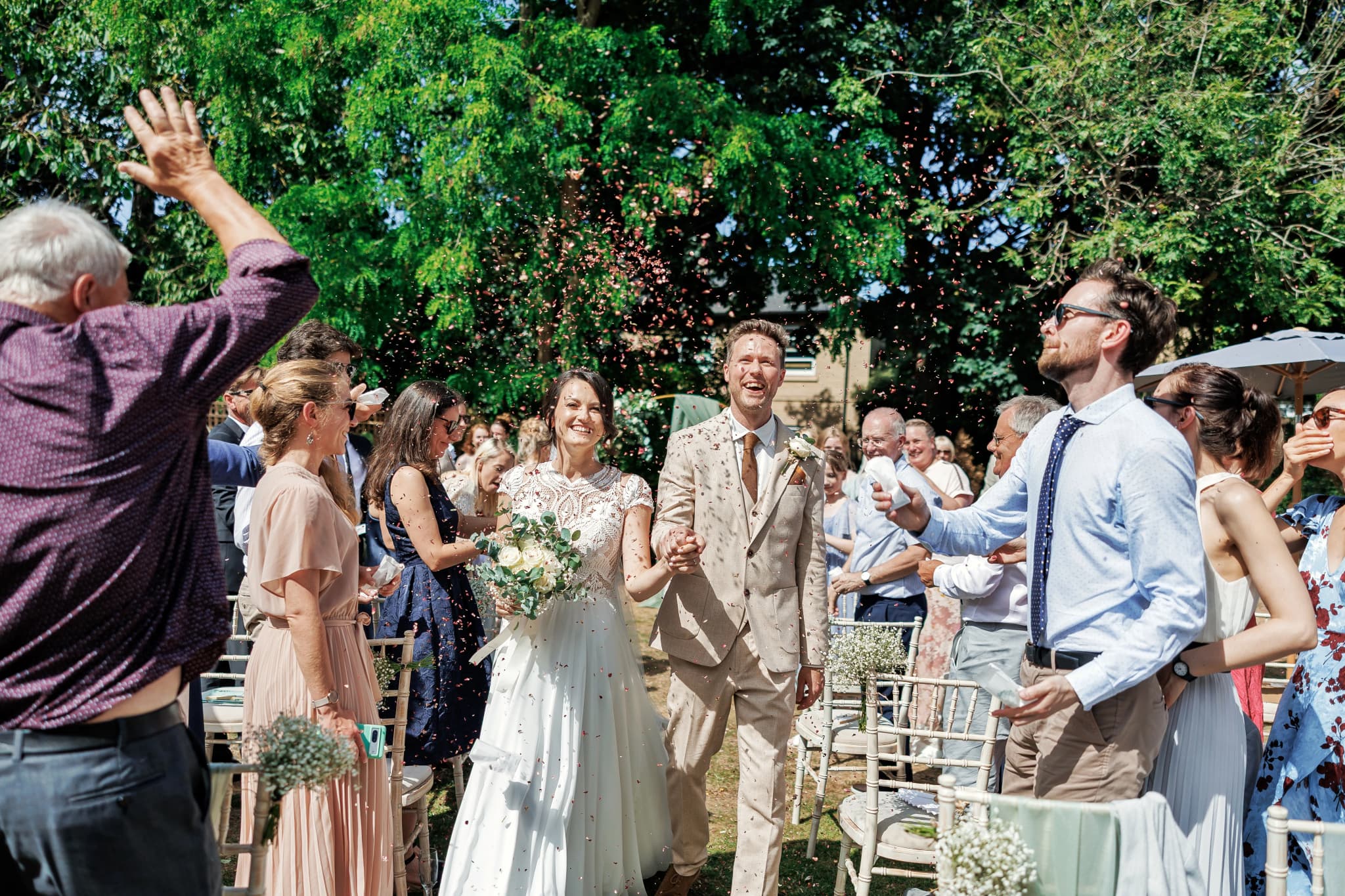
Guests attending a wedding at Hengrave Hall are also part of the visual story, and the venue's scale gives plenty of opportunity for candid coverage of the day alongside the more deliberate portrait and architectural work — guests arriving through the gatehouse, drinks on the terrace, and the general atmosphere of a wedding taking place within a genuinely historic setting all add depth to the final set of images beyond the couple's own portraits.
Weather is a genuine factor to plan around at a venue this size, given how much of its appeal sits outdoors in the courtyard and parkland. Having a clear, agreed plan for what happens to the outdoor portions of the photography if the weather turns means the day can adapt smoothly rather than losing time to indecision, and the hall's interior spaces are strong enough on their own to carry a full set of portraits if needed.
Given the scale and historic character of Hengrave Hall, it is a venue that rewards couples who plan their photography timeline in some detail rather than leaving it loosely defined. Knowing in advance which spaces you most want to feature, roughly how much time is realistically available for portraits between the ceremony and the reception, and how the light is likely to fall at that time of year all help the day run smoothly once it actually arrives.
I am always glad to visit in advance of a wedding at a venue of this scale, walking through the day's planned timeline on-site so that both the couple and I have a shared, realistic picture of how the photography will unfold. For a building with as much history and architectural variety as Hengrave, that preparation genuinely pays off in the results.
Hengrave Hall rewards couples who want scale, history, and genuine architectural drama in their wedding photography, and it remains one of the Suffolk venues I most enjoy returning to. If you are planning a wedding at Hengrave Hall, or considering it as an option, get in touch and I would be glad to talk through how the day could work.


Yana Skakun
Photographer · England
Professional wedding, family and portrait photographer based in England. Passionate about capturing authentic emotions and timeless moments.
About Yana →hengrave hall wedding photographerhengrave hall wedding photography suffolktudor wedding venue suffolkhengrave hall wedding review
Venue Spotlights — Wedding & Portrait Photography in Cambridge & England
Yana Skakun photographs weddings and portrait sessions at venues across Cambridge, East England, London, and beyond. Venue scouting and creative collaboration are part of every booking — every location is worked with rather than against. This guide — Hengrave Hall Wedding Photography: Tudor Grandeur in Suffolk — is part of the photography journal: practical, experience-based advice drawn from real sessions across England. Whether you arrived searching for hengrave hall wedding photographer or hengrave hall wedding photography suffolk, the same care and attention shapes every session Yana photographs.
Wedding & Portrait Photography sessions are available year-round, with bookings open across Cambridge, Ely, Huntingdon, Peterborough, and further afield — East England, London, the Midlands, and beyond. If you have specific questions about tudor wedding venue suffolk, mention it in your enquiry. Get in touch through the contact form above to check availability and discuss your session. Enquiries are welcomed from anywhere in the UK.
Frequently Asked Questions
What should I look for when visiting a wedding venue?+
Look at the natural light at the time of day your ceremony will take place. Walk outside and consider where portraits will happen — is there an area with shade, a garden, a meaningful backdrop? Ask about vendor restrictions (some venues require you to use their preferred photographer list). Check logistics: where do guests park, where does the bridal party get ready, is there a bridal suite?
How far in advance should you book a wedding venue?+
Popular venues book 18–24 months ahead, especially for peak season (May–September) Saturdays. If you're flexible on date and day of week, 12 months is usually sufficient. Always view a venue before booking — photos online rarely show the full picture of scale, light, or atmosphere.
What questions should you ask a wedding venue?+
Ask: what's included in the venue hire? Can you bring your own caterer? What are the noise restrictions and finishing times? Is there accommodation on site? What's the plan if it rains for outdoor ceremonies? What is the minimum and maximum guest capacity? Are there any vendor restrictions or preferred supplier lists?
How do venue locations affect wedding photography?+
Venue architecture, grounds, and natural light dramatically affect the quality of wedding photography. Beautiful venues with varied backdrops, good natural light in the key rooms, and outdoor space for portraits make the photographer's job much easier. When choosing a venue, visiting at the same time of day as your planned ceremony is helpful for assessing the light.
What makes a venue photogenic for weddings?+
Natural light (large windows, north-facing rooms), textured backgrounds (stone walls, wooden beams, floral arrangements), varied outdoor spaces (gardens, courtyards, woodland, water features), and interesting architectural details. Venues that feel authentic to their setting — a barn that's actually rustic, a manor house with period features — photograph better than generic white box venues.
Continue Reading
Related Articles
Venue Spotlights
Beach and Coastal Portrait Photography in England
13 min read · Read Article
Venue Spotlights
Autumn Photography Locations in Cambridgeshire: The Complete Seasonal Guide
12 min read · Read Article
Venue Spotlights
Cherry Blossom Photography Locations in England: Where & When to Shoot
11 min read · Read Article
Get in Touch
Ready to Book Your Session?
Get in touch to discuss your vision — I'll reply within 24 hours.