Yana Skakun

How to Pose a Pregnant Bride for Comfortable Wedding Photos
By Yana Skakun·10 June 2026·6 min read
Photographing an expecting bride is one of my favourite things to do, and over the years in Cambridge I've learned that the secret to beautiful pregnancy wedding photos isn't clever angles or trendy poses — it's comfort. When a mum-to-be feels supported and relaxed, her natural glow does most of the work. Here's exactly how I pose a pregnant bride so she looks effortlessly radiant and feels good all day long.
Start With the Bump, Not Against It
The biggest mistake I see is photographers trying to hide a pregnancy. There's no need. A bump is gorgeous, and the day is a celebration of two beginnings at once. My first move is always to find the angle that gently emphasises the silhouette rather than flattening it. For a standing portrait I'll ask the bride to turn roughly 45 degrees from the camera so the profile of the bump reads clearly against the background.
From there it's all about the hands. One hand resting beneath the bump and one resting on the top creates a tender, instinctive cradle that almost every expecting mum falls into naturally. I keep the shoulders soft and back, never hunched, which lengthens the neck and stops the dress from bunching. Small adjustments make an enormous difference, so I direct in millimetres rather than big sweeping changes.
Prioritise Comfort and Energy
A wedding day is long, and being on your feet while pregnant is tiring. I build genuine rest into the timeline. We do the most active portraits first, while energy is high, then move to seated and leaning poses as the day goes on. I always scout a chair, a low wall or a window ledge nearby so the bride is never more than a few steps from a spot to sit down.
I also keep sessions short and snappy. Rather than a long forty-minute portrait block, I'll split it into two or three smaller bursts across the day. This keeps everyone fresh and means we can chase the best light without anyone feeling drained. Hydration matters too — I'm never shy about pausing for water and a quiet sit-down, especially in a warm marquee in August.
My Go-To Comfortable Poses
These are the poses I return to again and again because they flatter the figure while asking almost nothing of the body. Each one can be done standing or with support, and none require holding an awkward position for long.
- ◆The cradle: Both hands gently framing the bump, weight on the back foot, chin slightly forward. Soft, instinctive and endlessly flattering.
- ◆Leaning in: The bride leans her back or shoulder against her partner's chest, taking the weight off her feet while creating a connected, intimate frame.
- ◆The seated three-quarter: Sat on a chair or low wall, turned slightly off-camera with one hand on the bump. Perfect for resting while still looking elegant.
- ◆Window light profile: Standing side-on to a window or doorway so soft light wraps the silhouette. Ideal for getting-ready shots in the bridal suite.
- ◆The slow walk: A relaxed step hand-in-hand through a garden or down a tree-lined path, captured in motion so nothing feels static or posed.
- ◆Forehead to forehead: A quiet, close pose with the partner that draws the eye to emotion rather than asking the bride to hold any difficult stance.
Light, Lenses and Flattering Angles
Soft, directional light is your best friend with an expecting bride. I avoid harsh overhead sun, which casts unflattering shadows and makes anyone squint, and instead seek open shade or that beautiful diffused glow we get on a typically overcast Cambridgeshire afternoon. Many of the barns and country houses I shoot at across Suffolk and Cambridgeshire have huge windows, and that window light is perfect for gentle, wrapping portraits.
On the technical side, I shoot most full-length portraits from very slightly below eye level with a longer lens. This lengthens the figure and keeps the bump in natural proportion. I'm careful never to shoot down on a pregnant bride, as a high angle foreshortens the body and is rarely kind. A touch of distance with an 85mm or 135mm also lets the bride relax, because she isn't feeling a camera hovering inches from her face.
Planning Ahead for a Relaxed Day
So much of comfortable posing happens before the wedding even begins. At our pre-wedding chat I ask how the bride is feeling, whether there are any particular concerns, and how she imagines her energy on the day. If she's further along, we plan a gentler timeline with the ceremony and portraits earlier, leaving the evening free to simply enjoy. I also encourage comfortable, broken-in shoes for any outdoor walking, especially at venues with gravel courtyards or rolling lawns.
Finally, I always remind couples that the goal is to feel like themselves. The most striking pregnancy wedding photos I've ever taken came from moments of real ease — a hand resting on the bump during the speeches, a quiet laugh in golden hour, a partner's arm wrapped protectively around both. My job is to create the calm, supported space where those moments can simply happen.
Planning a wedding while expecting and want photos that feel as comfortable as they look?
I'd love to hear about your day and how you're feeling. Let's plan a relaxed, flattering approach built entirely around you and your bump.
Check Your Date →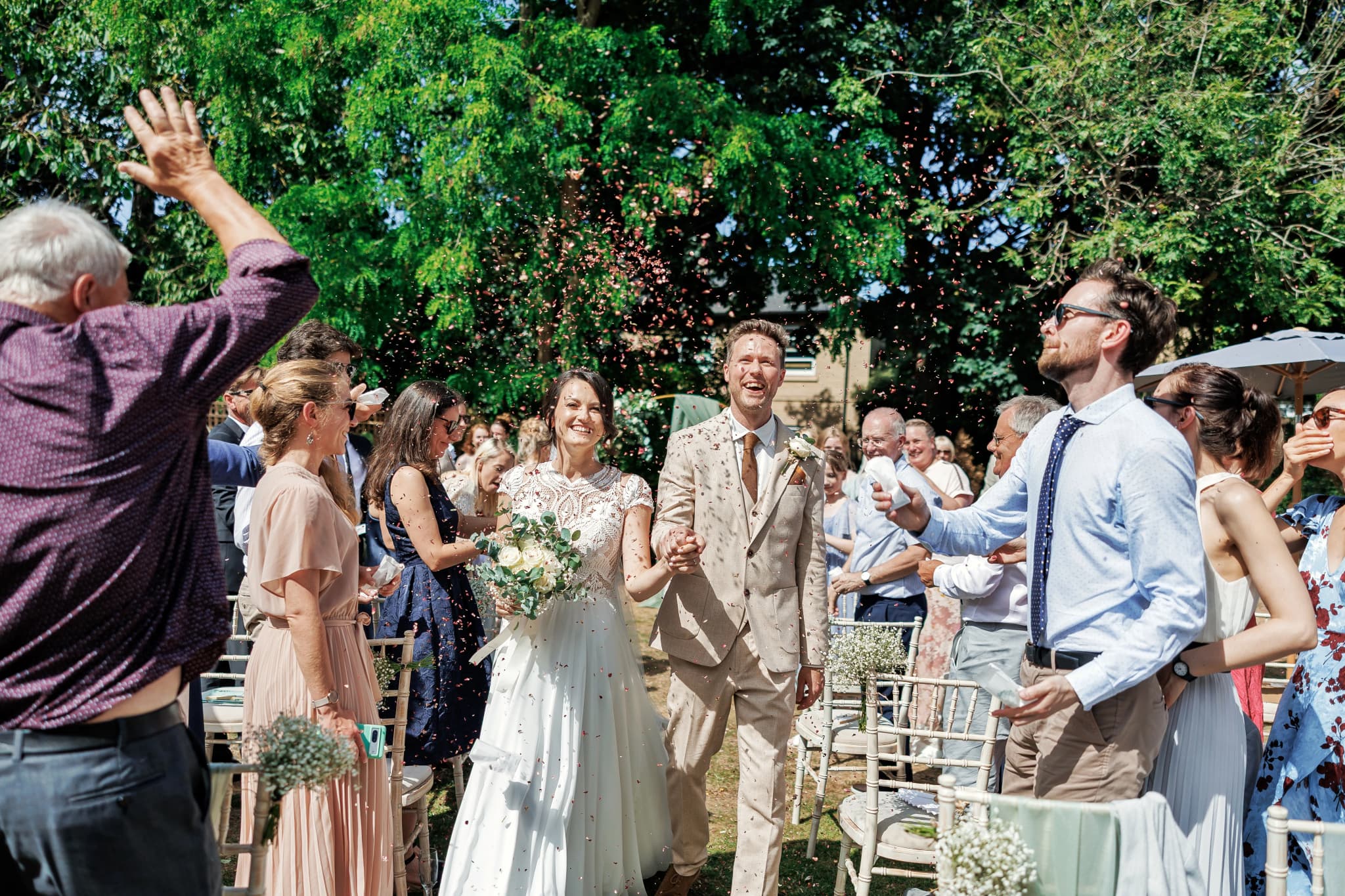

Yana Skakun
Photographer · England
Professional wedding, family and portrait photographer based in England. Passionate about capturing authentic emotions and timeless moments.
About Yana →pregnantbrideposingwedding
Photography Guide — Professional Photography in Cambridge & England
Yana Skakun is a professional photographer based in Cambridge, covering weddings, families, and portraits across England. Every session is personal — planned around your story, your people, and the moments that matter most. This guide — How to Pose a Pregnant Bride for Comfortable Wedding Photos — is part of the photography journal: practical, experience-based advice drawn from real sessions across England. Whether you arrived searching for pregnant or bride, the same care and attention shapes every session Yana photographs.
Professional Photography sessions are available year-round, with bookings open across Cambridge, Ely, Huntingdon, Peterborough, and further afield — East England, London, the Midlands, and beyond. If you have specific questions about posing, mention it in your enquiry. Get in touch through the contact form above to check availability and discuss your session. Enquiries are welcomed from anywhere in the UK.
Frequently Asked Questions
What camera settings should I use for outdoor portraits?+
For outdoor portraits, shoot in aperture priority mode. Use a wide aperture (f/1.8–f/2.8) to blur the background and isolate your subject. Keep ISO as low as possible in good light. In bright conditions, use a neutral density filter or switch to manual to avoid overexposure at wide apertures.
What is the golden hour in photography?+
Golden hour is the period roughly 30–60 minutes after sunrise and before sunset. The sun is low in the sky, producing warm, soft, directional light that flatters skin tones and creates beautiful long shadows. It's widely considered the best natural light for portrait and outdoor photography.
How do you get sharp photos in low light?+
In low light, increase your ISO (accepting some grain), use the widest aperture your lens allows, and slow your shutter speed to the slowest you can hand-hold without camera shake (roughly 1/focal length as a guide). Use image stabilisation if available, and consider a tripod for static subjects.
What is the rule of thirds in photography?+
The rule of thirds divides the frame into a 3×3 grid. Placing your subject on one of the four intersection points — rather than dead centre — creates a more dynamic, visually interesting composition. It's a guideline, not a rule: some of the most powerful images break it deliberately.
How do you edit photos to look professional?+
Professional editing starts with shooting in RAW format. In Lightroom or similar software, correct exposure, white balance, and contrast first. Recover shadow and highlight detail. Apply gentle colour grading for mood. Be conservative with skin retouching — the goal is natural enhancement, not transformation. Consistency across a set of images is what separates professional from amateur editing.
Continue Reading
Related Articles


Get in Touch
Ready to Book Your Session?
Get in touch to discuss your vision — I'll reply within 24 hours.