Yana Skakun

How to Stop Blinking in Photos: A Photographer's Secret
By Yana Skakun·10 June 2026·6 min read
After a decade of photographing weddings across Cambridgeshire and Suffolk, I can tell you that nothing ruins a perfect group portrait quite like a closed pair of eyes. You spend twenty minutes herding thirty guests into a tidy arrangement on the lawn, everyone smiles, and then half of Aunt Margaret's face is in soft focus while she blinks. The good news is that blinking is the most preventable problem in wedding photography, and you don't need expensive kit to solve it. You just need timing.
Why We Blink at the Worst Possible Moment
Humans blink roughly fifteen to twenty times a minute, and that rate climbs under bright light or stress. Stand a guest in the June sun outside a barn in the Suffolk countryside, point a large lens at them, and ask them to hold still, and their blink reflex goes into overdrive. The brighter the day, the more often the eyes close. This is why the most blink-heavy photos I've ever taken were on glorious cloudless afternoons, not grey ones.
Flash makes it worse in a particular way. The human startle response to a sudden pop of light closes the eyelids in around a tenth of a second, which is almost exactly when the shutter fires. So the very tool we use to light a dim church or a candlelit Cambridge college hall is also the thing triggering the blink we're trying to avoid. Understanding the mechanism is the first step to beating it.
The Eyes-Closed, Eyes-Open Trick
My single most reliable technique sounds almost too simple. I ask the entire group to close their eyes, then open them on my count. I'll say, "Everyone, eyes shut for me. Now, on three, open and smile. One, two, three." The instant everyone's eyes spring open is a natural blink-free window of about a second, because the eye has just refreshed its moisture and won't need to blink again immediately.
The beauty of this method is that it synchronises a crowd. Instead of thirty people each blinking on their own private schedule, you get one shared moment where every set of eyes is guaranteed open. I fire two or three frames in that window to be safe. For very large family groups, the kind you get at a marquee reception in the Cambridgeshire fens, this trick has saved me more times than I can count.
A word of warning: deliver the count with energy and warmth. If you sound flat, people open their eyes lazily and you lose the effect. I treat it like a tiny piece of theatre, and the resulting laughter often gives me a genuine expression as a bonus.
Reading Faces Before You Press the Shutter
Beyond the count, a lot of blink prevention comes down to observation. I've trained myself to watch eyes rather than smiles in the half-second before I shoot. People telegraph a blink: the eyelids droop slightly, the gaze softens, and there's a tiny flutter. With practice you learn to wait that fraction of a second until the eyes are bright and fully open again.
Here are the habits I rely on at every wedding to keep eyes open and faces relaxed:
- ◆Shoot in bursts: Fire three to four frames in quick succession so you always have a clean alternative if one person blinks. Storage is cheap; reshoots are impossible.
- ◆Watch the squinters: In bright Suffolk sun, position the group so the light isn't directly in their eyes, or use a tree line or building for shade to reduce reflexive squinting.
- ◆Count, don't surprise: Always cue people verbally before a flash fires so the pop doesn't trigger a startle blink at the exact moment of capture.
- ◆Give a micro-break: Between setups, let everyone look away and relax their eyes for a few seconds, which resets the blink cycle before the next frame.
- ◆Spot the serial blinker: Every group has one person who closes their eyes constantly. Place them at the edge of the frame so they're easy to swap in from another shot.
- ◆Keep the energy high: A bored group blinks more. Keep talking, keep it light, and the eyes stay engaged and open between frames.
Fixing Blinks After the Day
Even with perfect technique, the occasional blink slips through, especially in a group of forty at a big village church do. This is where shooting in bursts pays off. Because I always capture several frames of every group, I have a near-identical photo taken a fraction of a second apart where the eyes are open. In editing, I can blend one person's open eyes from frame two into the otherwise perfect frame one.
This kind of head-swap is invisible when done well, because the camera hasn't moved and the bodies are in the same position. It's a routine part of professional retouching, not trickery, and it's the safety net that lets me promise couples blink-free group shots. The takeaway for you, if you're photographing your own family event: never take just one frame of a group. Always take several.
Confidence Is the Real Secret
When I started out, my group shots had more blinks because I was hesitant. I'd mumble instructions, the group would lose focus, and eyes would wander and close. The photographers who consistently nail clean portraits are the ones who take charge with a friendly authority. People want to be directed; a relaxed, confident voice keeps a crowd attentive and their eyes wide open and ready.
So the photographer's secret to stopping blinks isn't a gadget at all. It's a clear count, a watchful eye, a burst of frames, and the calm presence to hold a group's attention for the two seconds that matter. Master those, whether you're shooting a Cambridge college quad or a barn in the Fens, and the blinking problem all but disappears.
Want group portraits where every single guest has their eyes open?
I bring a decade of blink-free group photography to weddings across Cambridgeshire, Suffolk and beyond. Let's make sure your family shots are flawless, every face, every frame.
Check Your Date →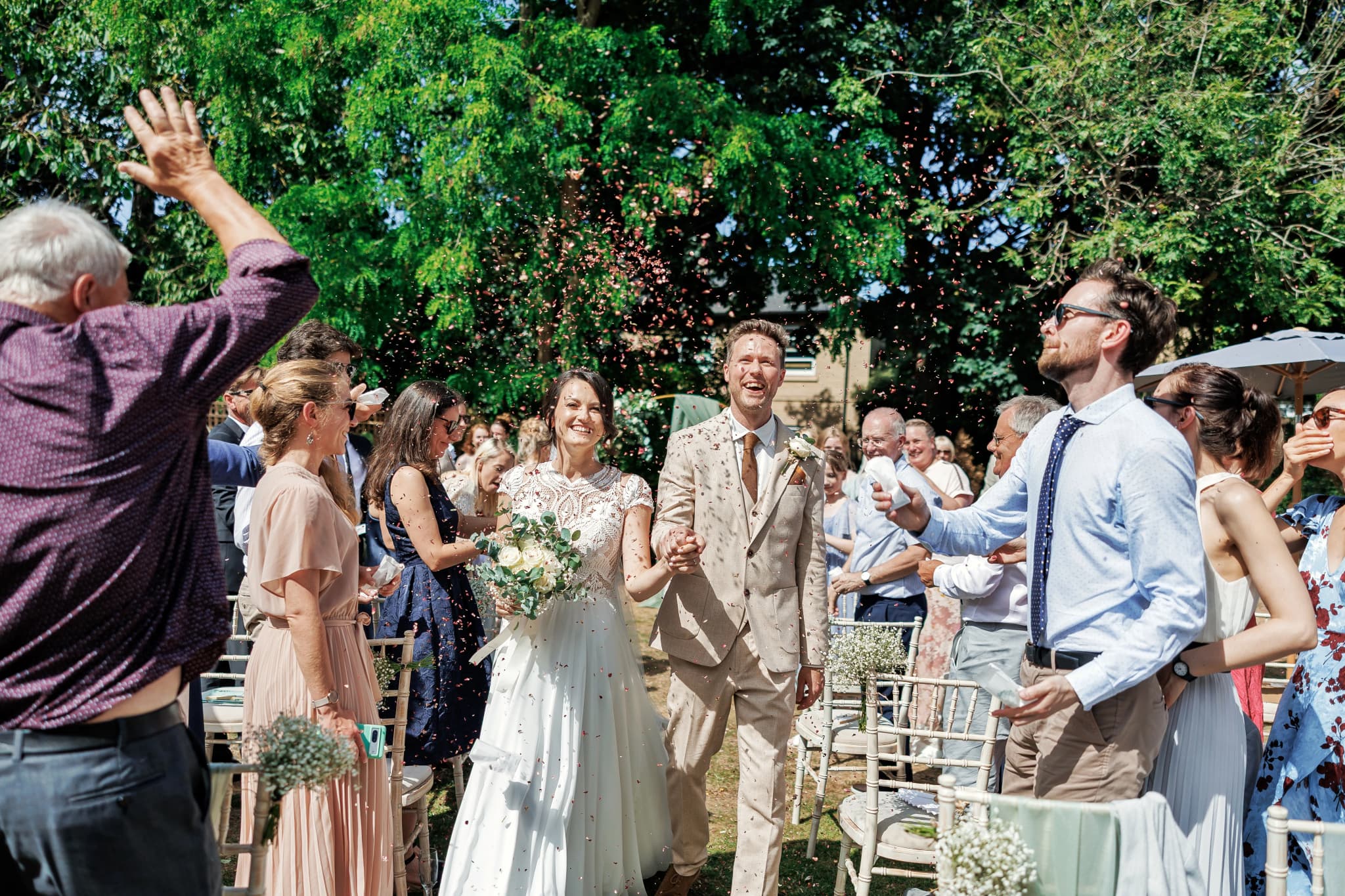

Yana Skakun
Photographer · England
Professional wedding, family and portrait photographer based in England. Passionate about capturing authentic emotions and timeless moments.
About Yana →howstopblinkingphotos
Photography Guide — Professional Photography in Cambridge & England
Yana Skakun is a professional photographer based in Cambridge, covering weddings, families, and portraits across England. Every session is personal — planned around your story, your people, and the moments that matter most. This guide — How to Stop Blinking in Photos: A Photographer's Secret — is part of the photography journal: practical, experience-based advice drawn from real sessions across England. Whether you arrived searching for how or stop, the same care and attention shapes every session Yana photographs.
Professional Photography sessions are available year-round, with bookings open across Cambridge, Ely, Huntingdon, Peterborough, and further afield — East England, London, the Midlands, and beyond. If you have specific questions about blinking, mention it in your enquiry. Get in touch through the contact form above to check availability and discuss your session. Enquiries are welcomed from anywhere in the UK.
Frequently Asked Questions
What camera settings should I use for outdoor portraits?+
For outdoor portraits, shoot in aperture priority mode. Use a wide aperture (f/1.8–f/2.8) to blur the background and isolate your subject. Keep ISO as low as possible in good light. In bright conditions, use a neutral density filter or switch to manual to avoid overexposure at wide apertures.
What is the golden hour in photography?+
Golden hour is the period roughly 30–60 minutes after sunrise and before sunset. The sun is low in the sky, producing warm, soft, directional light that flatters skin tones and creates beautiful long shadows. It's widely considered the best natural light for portrait and outdoor photography.
How do you get sharp photos in low light?+
In low light, increase your ISO (accepting some grain), use the widest aperture your lens allows, and slow your shutter speed to the slowest you can hand-hold without camera shake (roughly 1/focal length as a guide). Use image stabilisation if available, and consider a tripod for static subjects.
What is the rule of thirds in photography?+
The rule of thirds divides the frame into a 3×3 grid. Placing your subject on one of the four intersection points — rather than dead centre — creates a more dynamic, visually interesting composition. It's a guideline, not a rule: some of the most powerful images break it deliberately.
How do you edit photos to look professional?+
Professional editing starts with shooting in RAW format. In Lightroom or similar software, correct exposure, white balance, and contrast first. Recover shadow and highlight detail. Apply gentle colour grading for mood. Be conservative with skin retouching — the goal is natural enhancement, not transformation. Consistency across a set of images is what separates professional from amateur editing.
Continue Reading
Related Articles


Get in Touch
Ready to Book Your Session?
Get in touch to discuss your vision — I'll reply within 24 hours.