Yana Skakun

Professional Headshots for Journalists and Editors: Credibility in a Byline Profession
By Yana Skakun·17 August 2025·5 min read
Journalism has always been a byline profession, but the expectation that journalists maintain a strong, consistent visual presence across multiple platforms has intensified considerably in recent years. News organisations increasingly build audience loyalty around individual journalists rather than the masthead alone, which means a commissioning editor, a conference organiser, or a podcast producer will very often look at your professional photograph before they ever look at your writing. I photograph journalists, editors, and broadcast presenters across the UK, and the brief is rarely as simple as "a headshot" — it is usually a small, carefully considered set of images that has to work across a surprising number of contexts.
Why the Standard Corporate Headshot Falls Short
Journalism spans an enormous professional range — national broadsheet correspondents, trade press editors, investigative reporters, freelance feature writers, regional broadcast journalists, and newsletter authors all occupy quite different registers, and none of them are well served by the same flat, grey-background, arms-folded corporate portrait that suits a law firm partner or an accountancy director. A journalist's photograph needs to communicate curiosity, engagement, and a degree of approachability, because much of a journalist's working life depends on people being willing to talk to them.
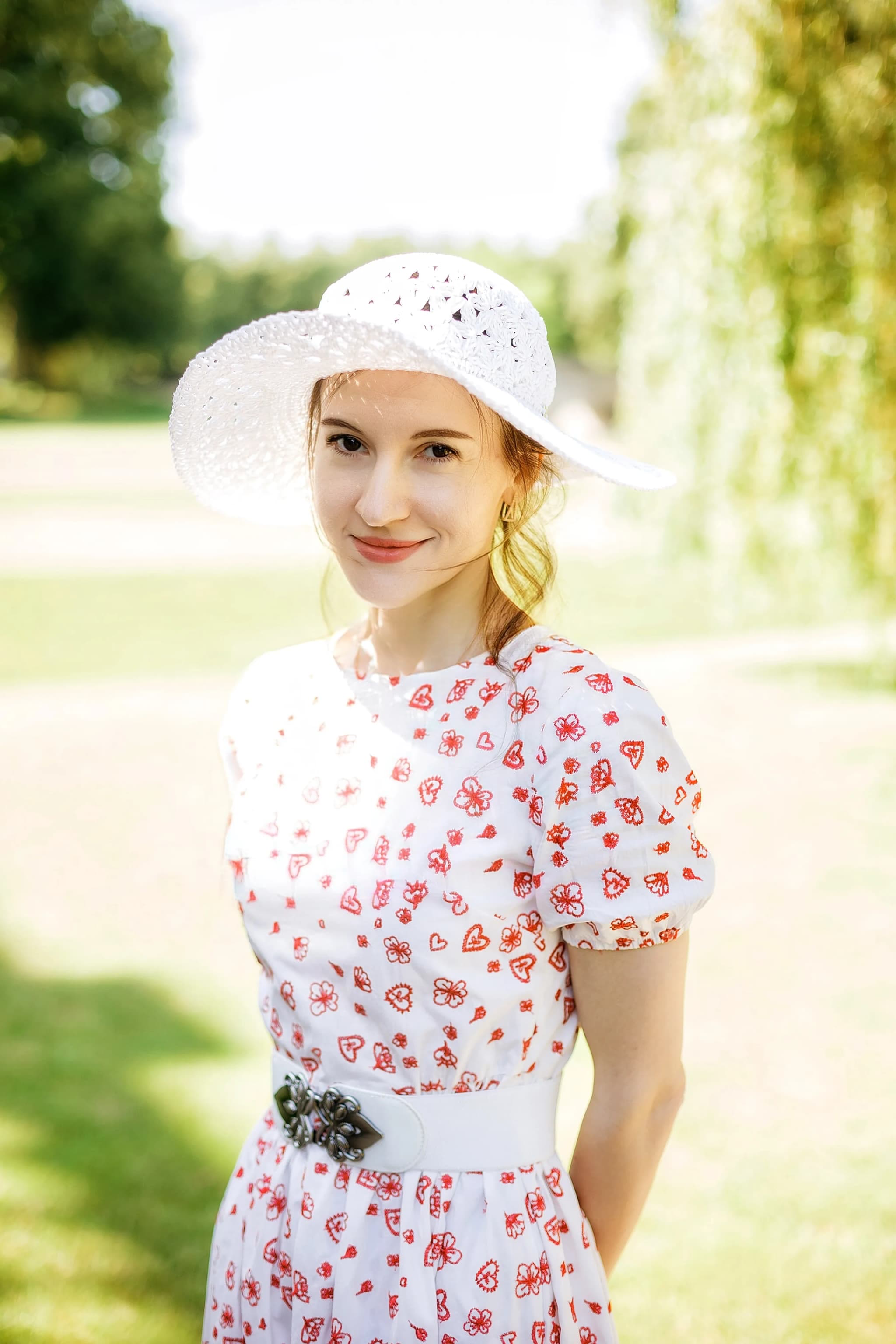
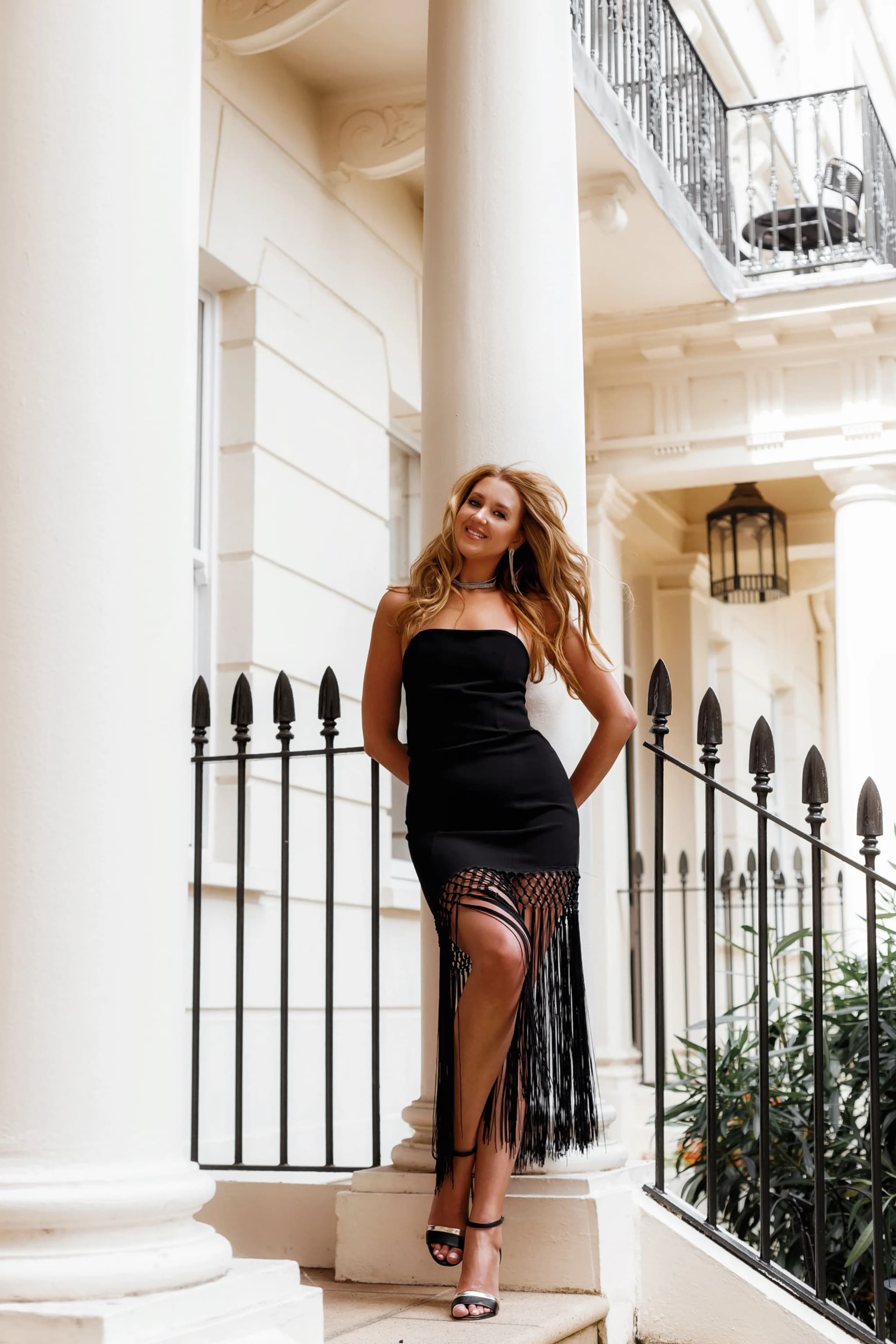
In practice this means I steer sessions away from the stiffly posed corporate smile and towards a direct, engaged expression with genuine eye contact. Environmental portraits — photographed in a newsroom, at a desk, against a bookshelf, or somewhere that says something true about the person's working life — consistently outperform the studied blankness of a plain backdrop. The goal is a photograph that looks like it belongs to a person who asks difficult questions for a living, not one that looks like it belongs to a stock photo library.
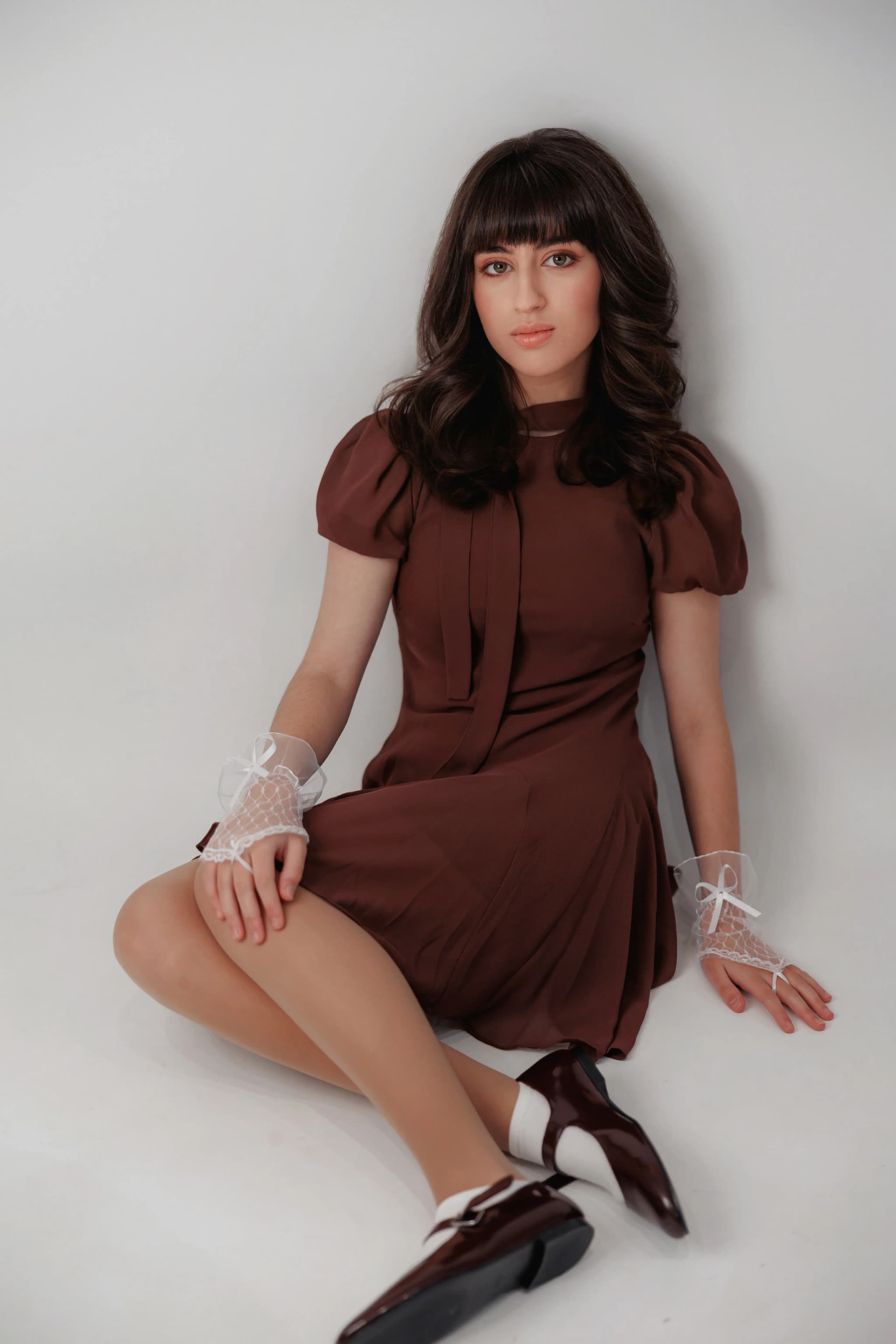
That said, I always shoot a clean, simple option alongside anything more characterful. Publications and agencies have their own house requirements, and a straightforward, well-lit portrait against a neutral background remains the most flexible single image in the set — the one that will still work in five years when the environmental context has changed.
Freelance Journalists and the Personal Brand Problem
For freelance journalists, the professional photograph sits at the centre of a much broader personal brand — a website, a portfolio, a social media presence, and the pitch materials sent to editors who may never have met you in person. A single photograph has to do a lot of work across a website header, a LinkedIn profile, a Substack or newsletter banner, a speaker biography, and the byline photo that runs alongside commissioned articles.
I generally recommend a short session producing four or five genuinely distinct images rather than dozens of near-identical variations on one pose. A close crop for the byline photo, a slightly wider environmental shot for the website homepage, a version with space around the subject for a banner or header, and one or two options with a different expression or angle — between them, that small set covers almost every practical use a freelance journalist will need for two or three years without requiring a reshoot every time a new platform or speaking engagement comes up.
Broadcast, Podcast, and Video Journalist Photography
Television and radio journalists, video journalists, and podcast hosts have requirements that print journalists simply do not. Their images need to work as square crops for podcast cover artwork, wide landscape formats for YouTube channel headers, and portrait formats for agency representation pages and booking websites — often all from the same session, and often with very little tolerance for cropping in afterwards.
I plan these sessions around the exact formats required before I ever pick up a camera. Knowing the pixel dimensions and aspect ratios in advance means compositions can be built with the right amount of headroom and negative space from the outset, rather than discovering afterwards that the perfect frame does not leave room for a square crop. If you know your podcast artwork needs a 3000 by 3000 pixel square with room for a logo overlay in one corner, tell me before the session and I will compose for it deliberately.
Photographs that work as hard as you do
If you need a headshot set that covers a byline, a website, a podcast cover, and a conference biography without four separate sessions, let's talk about what you actually need before we book anything.
Enquire about a headshot sessionPublication House Styles and Contributor Photography
Newspapers, magazines, and online publications frequently maintain house styles for contributor photography, ranging from formal studio headshots to more relaxed editorial-style portraits shot on location. If you are being photographed as part of a publication's official contributor photography programme, that standard will usually be specified for you in advance, and my job is simply to deliver within it precisely.
Freelancers pitching across multiple outlets are in a slightly different position, because different publications may expect different registers. I usually suggest capturing both a clean, neutral-background headshot and a more relaxed environmental portrait within the same session, so you have appropriate options for a formal masthead and for a more feature-style byline without needing to book a second appointment for the sake of one photograph.
Where and How Sessions Happen
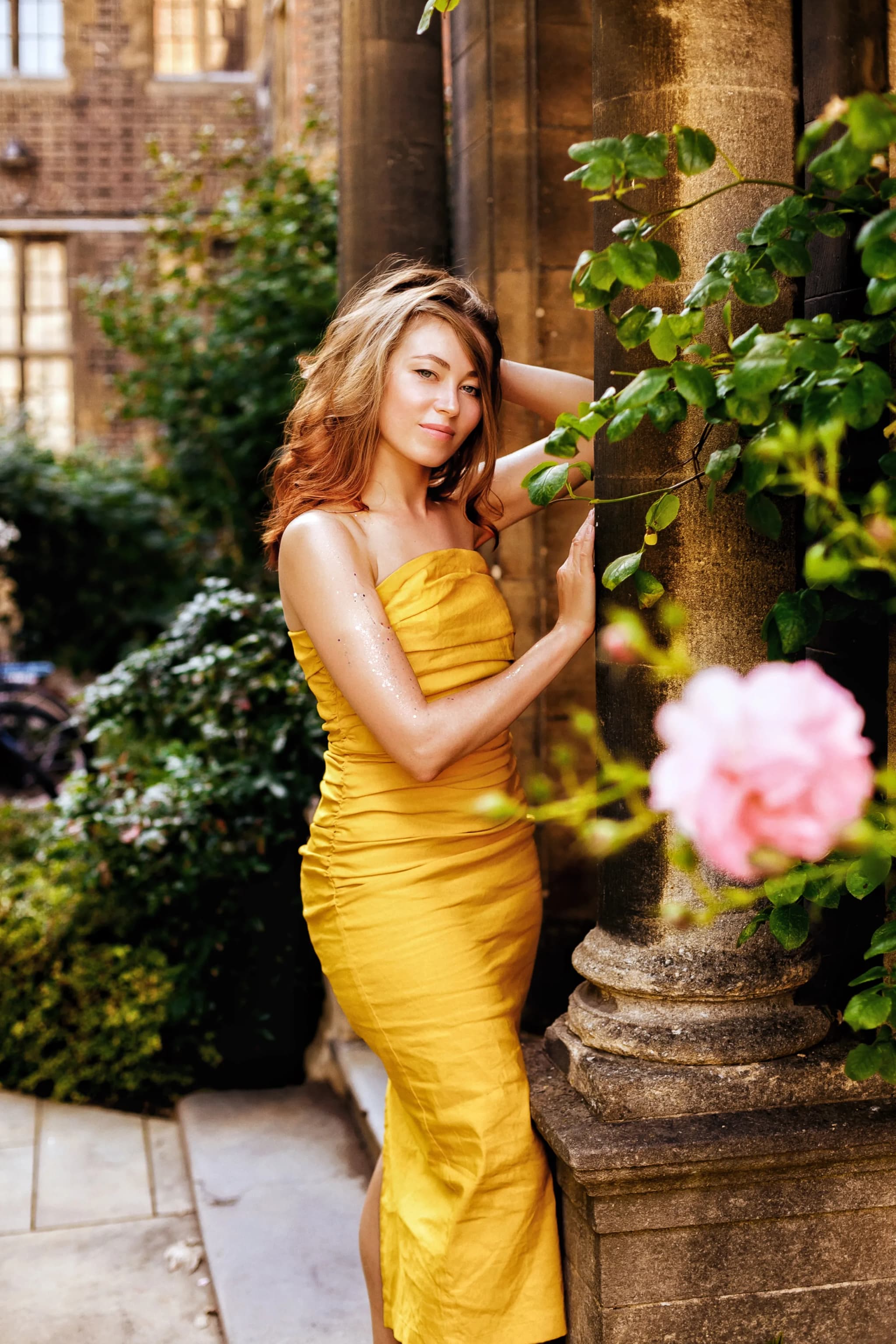
I photograph journalist headshots both in a studio setting and on location — a newsroom, an office, a favourite café, or somewhere with genuine personal or professional meaning. Cambridge and the surrounding area give me easy access to a range of settings that work well for editorial-style portraits: exposed brick and large windows in converted commercial spaces, quiet courtyards with good directional light, and simple architectural backdrops that read as understated rather than staged.
Sessions are typically brief — thirty to forty-five minutes is usually enough to work through two or three setups and capture the range of expressions and crops needed. I deliver a curated set of finished images rather than the entire take, because choosing between fifteen very similar frames is more stressful than useful, and a tighter, considered edit gets you to a usable photograph faster.
Usage Rights and Keeping a Photo Current
Something that comes up more with journalists than with almost any other client group is the question of usage rights, because a byline photograph often ends up republished by editors, syndication partners, or aggregator sites well beyond its original context. I always agree usage terms clearly before a session — typically broad personal and professional use across your own platforms and any publication you write for, without restrictions that would leave you needing to chase permission every time an editor wants to run your photo alongside a piece.
The other question worth thinking about honestly is how long a headshot should stay in circulation. Journalism is a visible profession, and a photograph that is noticeably several years out of date — different hairstyle, different glasses, simply an older version of yourself — can undercut the credibility it is meant to support. I generally suggest treating a headshot as good for two to three years rather than indefinitely, and building a refresh into your routine around any major career change, such as moving outlets or taking on a new column or programme.
Getting the Most from a Short Session
A little preparation goes a long way. Bring two or three outfit options in different tones so we have flexibility between formal and relaxed looks, avoid anything with a busy pattern or a visible logo that will date the image, and think in advance about which platforms the photographs need to serve so we can plan crops and framing deliberately rather than as an afterthought. If you already have a byline photo you like, bringing an example is genuinely useful — it tells me instantly what register you are aiming for.
Beyond that, my advice to every journalist I photograph is the same advice I would give anyone stepping in front of a camera for professional reasons: arrive having eaten, arrive without having rushed, and give yourself ten minutes before we start to simply stand still and breathe. The best journalist photographs are the ones where the person looks like themselves on a good day, not like someone performing an idea of professionalism. If you would like to discuss a headshot session, get in touch and we can talk through exactly what you need it to do.

Yana Skakun
Photographer · England
Professional wedding, family and portrait photographer based in England. Passionate about capturing authentic emotions and timeless moments.
About Yana →journalist headshots UKfreelance journalist professional photo UKnewspaper editor headshot UKbroadcast journalist profile photo UKmedia professional photography Cambridgeeditorial portrait journalist UK
Headshot Tips — Professional Headshot Photography in Cambridge & England
Professional headshot sessions with Yana Skakun are clean, efficient, and designed to produce images that represent you authentically across every professional context — LinkedIn, company websites, speaker profiles, and press. Sessions available in Cambridge and across England. This guide — Professional Headshots for Journalists and Editors: Credibility in a Byline Profession — is part of the photography journal: practical, experience-based advice drawn from real sessions across England. Whether you arrived searching for journalist headshots uk or freelance journalist professional photo uk, the same care and attention shapes every session Yana photographs.
Professional Headshot Photography sessions are available year-round, with bookings open across Cambridge, Ely, Huntingdon, Peterborough, and further afield — East England, London, the Midlands, and beyond. If you have specific questions about newspaper editor headshot uk, mention it in your enquiry. Get in touch through the contact form above to check availability and discuss your session. Enquiries are welcomed from anywhere in the UK.
Frequently Asked Questions
What should I wear for a professional headshot?+
Solid colours photograph better than patterns. Navy, grey, charcoal, and burgundy are universally flattering. Avoid white (creates exposure issues), black (can look flat), and bright neons. Make sure your clothing fits well and is freshly pressed. Bring 2–3 outfit options to give yourself variety.
How do I prepare for a headshot session?+
Get a good night's sleep. Stay hydrated in the days before. If you're having hair and makeup done, schedule it for the morning of the shoot. Bring the clothes you plan to wear on a hanger. Arrive 10 minutes early to settle in before the camera comes out. Most importantly — don't stress. A good photographer will guide you.
How long does a professional headshot session take?+
A standard headshot session takes 30–60 minutes. This covers 2–3 outfits and multiple expressions and angles. Corporate team headshots at a single location can be scheduled at 15–20 minutes per person.
How often should you update your professional headshot?+
Every 2–3 years, or whenever your appearance changes significantly — new hairstyle, weight change, or notable ageing. Your headshot should look like you when you walk into a meeting, not like you five years ago. Outdated headshots undermine trust, particularly in client-facing roles.
What is the difference between a headshot and a business portrait?+
A headshot is a tight crop of the face and upper chest, focused entirely on professional presence and approachability. A business portrait typically includes more of the body and often incorporates environment or context — an office setting, equipment, or a workspace that communicates your profession.
Continue Reading
Related Articles

Headshot Tips
LinkedIn Headshots for Cambridge Graduates: Start Your Career With the Right First Impression
7 min read · Read Article
Headshot Tips
Professional Photography for Small Businesses: The Complete Guide
12 min read · Read Article
Headshot Tips
Corporate Team Photography: Professional Headshots for Your Entire Organisation
9 min read · Read Article
Get in Touch
Ready to Book Your Session?
Get in touch to discuss your vision — I'll reply within 24 hours.