Yana Skakun
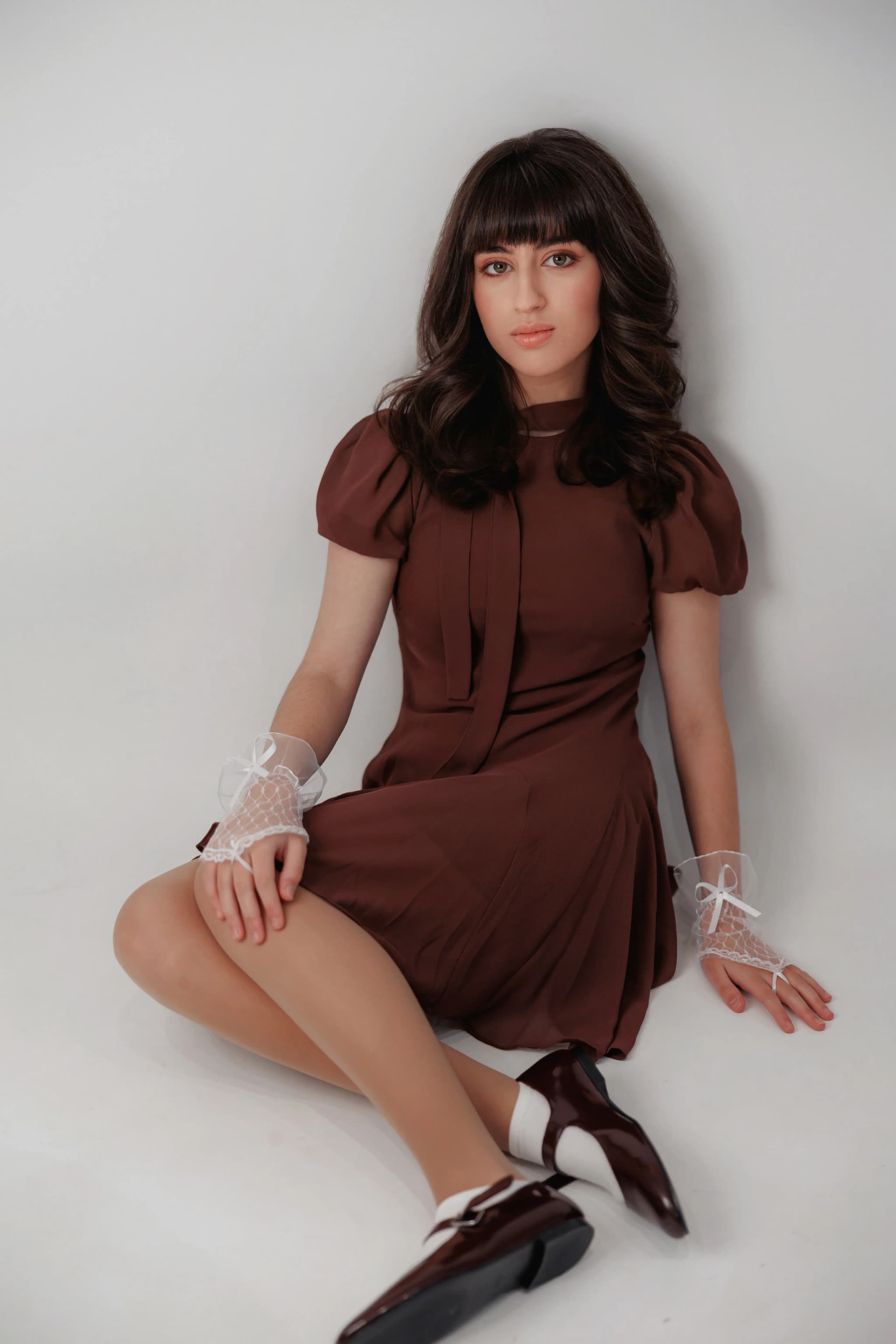
Corporate headshots: How to make a great first impression on LinkedIn
By Yana Skakun·25 April 2025·6 min read
A LinkedIn profile photo is almost always the first thing anyone sees of you before they read a single word of your experience, your job title, or your recommendations. It is looked at for a fraction of a second and, in that fraction of a second, a judgement is formed — approachable or guarded, current or dated, senior or junior, trustworthy or uncertain. Most of us are still using a photo cropped out of a wedding, a holiday snap taken by a friend, or a selfie shot in a car on the way to an interview. None of those were ever intended to represent us professionally, and it shows the moment they sit next to a colleague's properly lit, properly composed headshot. This guide is a practical walkthrough of what actually makes a LinkedIn headshot work, how to prepare for a session, and what to expect if you book one with me in Cambridge or further afield.
Why an Everyday Photo Rarely Does the Job
Phone cameras are genuinely good these days, so it is a fair question why a dedicated session is worth the time. The answer has less to do with the camera and much more to do with everything around it. A phone selfie is almost always shot from slightly below or slightly too close, which distorts facial proportions in a way our eyes are very sensitive to, even if we cannot articulate exactly why a photo looks "off". Indoor lighting from an overhead ceiling light or a window behind you rather than in front of you creates harsh shadows under the eyes and across the neck. And a background of a cluttered kitchen, a car interior, or a busy pub does not exactly say senior, considered, or in control of the details.
None of this is really about vanity. It is about signalling. A profile photo that has been thought about, even briefly, tells a viewer that you take your professional presence seriously enough to invest a little effort in it. That is a small thing on its own, but LinkedIn is a platform built entirely on small first impressions accumulating into a decision to click through, connect, or move on.
What Actually Makes a Headshot Work
The best LinkedIn headshots share a handful of qualities, and none of them require an elaborate setup. The expression matters most of all — a genuine, relaxed expression reads as confidence, while a fixed, forced smile reads as discomfort, even if the viewer cannot say exactly why. Eye contact with the lens, a slight and natural tilt of the head, and shoulders angled a little away from square-on to the camera all combine to create a photograph that feels like a person rather than a passport photo.
Lighting is the next most important factor. Soft, even, directional light — whether from a large window or from studio lighting shaped to mimic one — flatters skin texture and avoids the harsh shadows that overhead lighting creates. The background should be simple enough that it never competes with your face for attention: a clean solid tone, a softly blurred outdoor setting, or a considered indoor environment that hints at your industry without becoming the subject of the photo. And the framing should be tight enough that your face and expression are clearly the focus, without being so close that the image feels intrusive.
Sharpness and quality matter more than people often expect. A slightly soft or low-resolution image looks unprofessional even when everything else about the pose and lighting is right, particularly once LinkedIn compresses and resizes it for the small circular crop used across the platform.
Preparing: Outfit, Grooming, and Mindset
What you wear should reflect the impression you want to give in your industry, not a generic idea of "business attire". For most corporate and professional-services roles, a smart shirt, blouse, or tailored jacket in a solid colour works well. For more creative fields, a slightly more relaxed but still considered outfit can suit the industry better than a formal suit would. Whatever you choose, solid colours photograph more cleanly than busy patterns, and it is worth bringing two or three options to a session so we can see on camera which one reads best against the background and against your colouring — something that is genuinely hard to predict in advance.
Grooming is worth a little forward planning. A haircut a week or two before the session, rather than the day before, tends to look more natural on camera than one that is freshly and obviously cut. Minimal jewellery avoids distracting reflections and glare. Sleep and hydration in the days before a session make a visible difference to how skin and eyes look under directional lighting — tiredness is one of the things a good lens picks up on most readily.
The mindset piece is the one most people underestimate. Almost everyone feels a little stiff and self-conscious in front of a camera to begin with, and that is entirely normal rather than something to worry about beforehand. Part of my job during a session is simply giving you a few minutes to settle into it — by the later frames, people are almost always more relaxed and more themselves than in the first ones.
What Happens During a Session
A headshot session starts with a short conversation about how the photos will be used — LinkedIn specifically, a company website, a speaker bio, a press pack — because that shapes decisions about framing, background, and even how many different looks are worth capturing. From there we work through a small number of setups: perhaps a plain background for a clean, versatile LinkedIn-ready shot, and a softer, more environmental option if you would like an alternative for a website bio or a more informal use.
Throughout the session I show you images as we go, rather than shooting blind and hoping for the best at the end. This does two useful things: it lets you see how a particular angle or expression is actually reading on camera, and it takes the guesswork and anxiety out of the process, because you are not waiting until the gallery arrives to find out whether anything worked. Most sessions run for a focused block of time rather than an entire afternoon — long enough to properly warm up and get past the stiff opening minutes, short enough that it never becomes a slog.
Afterwards, the strongest images are lightly retouched — even skin tone, removal of temporary blemishes, a touch of sharpening — while keeping the result looking like you on a good day, not like an artificially smoothed version of you. You will typically be able to choose your favourites from a shortlist rather than being handed a single unreviewed file.
Choosing a Setting: Studio, Office, or Outdoors
Cambridge and the surrounding area offer a genuinely useful range of settings for professional headshots, and the right one depends on the tone you are after. A simple studio setup, whether in a hired space or on location with portable lighting, gives the most control and the most classically clean LinkedIn look — ideal if you want the focus entirely on your face with nothing else in the frame. Office environments work well when a company wants a consistent set of headshots for a whole team, photographed on-site so everyone is available without individual travel, and often with a background that subtly reflects the workplace.
Outdoor settings, softly blurred behind you, suit people who want something a little warmer and less formal than a studio backdrop — useful for consultants, coaches, and creative professionals whose LinkedIn presence benefits from feeling personable rather than corporate. I photograph headshot sessions around Cambridge itself as well as further afield across the wider region, and I am always happy to talk through which setting is likely to suit your industry and the impression you are trying to create before we settle on a date.
Ready to update your profile photo?
A focused headshot session gives you a genuinely current, professional image for LinkedIn and beyond — without the awkwardness you might be expecting.
Enquire about a headshot sessionA good LinkedIn headshot is a small investment that keeps paying off every time someone views your profile, and it rarely needs repeating more than once every year or two unless your role or appearance changes significantly in the meantime. If your current photo is a cropped holiday snap, a five-year-old conference badge photo, or simply something you have never quite liked, it is worth setting aside a short amount of time to fix it properly. If you would like to talk through outfit ideas, settings, or availability for a session in Cambridge or the wider region, get in touch and I will help you plan something that actually looks like you on your best day.


Yana Skakun
Photographer · England
Professional wedding, family and portrait photographer based in England. Passionate about capturing authentic emotions and timeless moments.
About Yana →LinkedIn headshot tips UKprofessional headshots EnglandLinkedIn photo tipscorporate headshots UK
Headshot Tips — Professional Headshot Photography in Cambridge & England
Professional headshot sessions with Yana Skakun are clean, efficient, and designed to produce images that represent you authentically across every professional context — LinkedIn, company websites, speaker profiles, and press. Sessions available in Cambridge and across England. This guide — Corporate headshots: How to make a great first impression on LinkedIn — is part of the photography journal: practical, experience-based advice drawn from real sessions across England. Whether you arrived searching for linkedin headshot tips uk or professional headshots england, the same care and attention shapes every session Yana photographs.
Professional Headshot Photography sessions are available year-round, with bookings open across Cambridge, Ely, Huntingdon, Peterborough, and further afield — East England, London, the Midlands, and beyond. If you have specific questions about linkedin photo tips, mention it in your enquiry. Get in touch through the contact form above to check availability and discuss your session. Enquiries are welcomed from anywhere in the UK.
Frequently Asked Questions
What should I wear for a professional headshot?+
Solid colours photograph better than patterns. Navy, grey, charcoal, and burgundy are universally flattering. Avoid white (creates exposure issues), black (can look flat), and bright neons. Make sure your clothing fits well and is freshly pressed. Bring 2–3 outfit options to give yourself variety.
How do I prepare for a headshot session?+
Get a good night's sleep. Stay hydrated in the days before. If you're having hair and makeup done, schedule it for the morning of the shoot. Bring the clothes you plan to wear on a hanger. Arrive 10 minutes early to settle in before the camera comes out. Most importantly — don't stress. A good photographer will guide you.
How long does a professional headshot session take?+
A standard headshot session takes 30–60 minutes. This covers 2–3 outfits and multiple expressions and angles. Corporate team headshots at a single location can be scheduled at 15–20 minutes per person.
How often should you update your professional headshot?+
Every 2–3 years, or whenever your appearance changes significantly — new hairstyle, weight change, or notable ageing. Your headshot should look like you when you walk into a meeting, not like you five years ago. Outdated headshots undermine trust, particularly in client-facing roles.
What is the difference between a headshot and a business portrait?+
A headshot is a tight crop of the face and upper chest, focused entirely on professional presence and approachability. A business portrait typically includes more of the body and often incorporates environment or context — an office setting, equipment, or a workspace that communicates your profession.
Continue Reading
Related Articles

Headshot Tips
LinkedIn Headshots for Cambridge Graduates: Start Your Career With the Right First Impression
7 min read · Read Article
Headshot Tips
Professional Photography for Small Businesses: The Complete Guide
12 min read · Read Article
Headshot Tips
Corporate Team Photography: Professional Headshots for Your Entire Organisation
9 min read · Read Article
Get in Touch
Ready to Book Your Session?
Get in touch to discuss your vision — I'll reply within 24 hours.