Yana Skakun
Beautiful Barn Wedding Venues Across Norfolk
By Yana Skakun·30 March 2026·9 min read
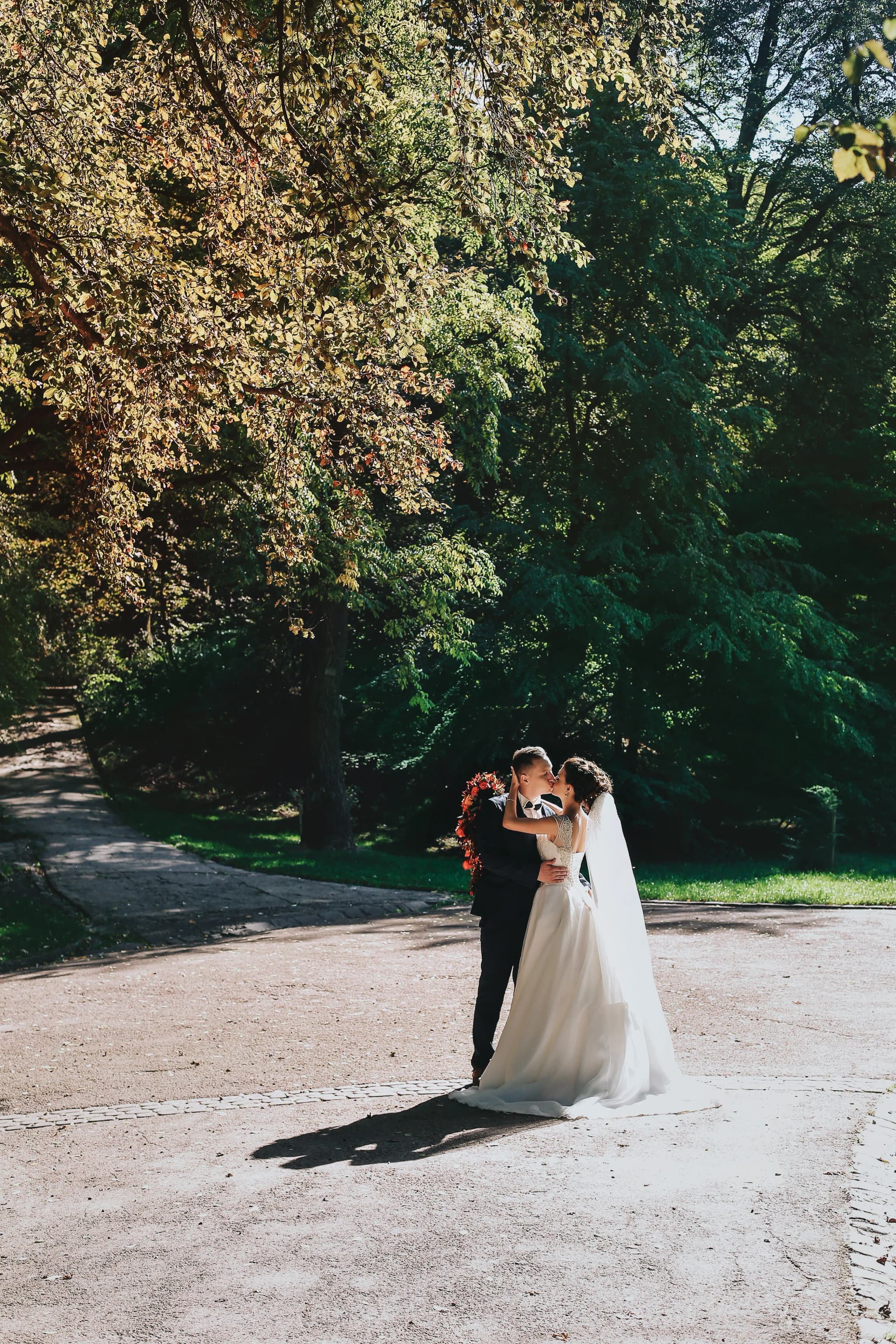
Norfolk has a remarkable tradition of agricultural barn architecture — flint and brick, timber-framed, and in some cases thatched. I have been photographing weddings across this county for long enough now to have my own working knowledge of which barns catch the light well at five o'clock in June, which ones get muddy after rain, and which ones have that one corner every photographer ends up using because it simply works. The converted wedding barns that have emerged from Norfolk's agricultural heritage over the past twenty years offer some of the most naturally beautiful spaces for wedding photography in the whole of East Anglia, and this guide is meant as a genuinely useful starting point if you are choosing between them.
Why Barns Photograph So Well
There is a reason barn weddings have become so popular with photographers as well as couples, and it is not just aesthetic fashion. Barns give you a single, coherent setting for the whole day — getting-ready room, ceremony space, drinks reception, wedding breakfast and evening party are often all within a short walk of one another, sometimes under the same roof. That matters enormously for the flow of a wedding day. Less time is lost to travel between venues, which means more time is available for the parts of the day that actually make good photographs: the in-between moments, the reactions, the light changing outside as the evening goes on.
The materials themselves help too. Flint, brick, aged timber and pantile all have texture and depth that plain modern function-room walls simply do not. A barn interior gives you something to work with in every direction — up towards the roof trusses, across the worn brick floor, through the wide barn doors towards the fields beyond. And because most Norfolk barns sit on working or former working farmland, the surrounding landscape is usually open and rural rather than urban, which gives a natural, unhurried backdrop for portraits away from the main event.
Norfolk Barn Wedding Venues
Norfolk has a genuinely wide spread of barn venues, from grand estate conversions to small family-run sites, and each has a distinct character worth knowing before you book. Here are five I return to often, each for a different reason.
Heydon BarnEstate Barn
Part of the Heydon Estate in the heart of Norfolk, a beautifully restored threshing barn set within a walled kitchen garden. The flint and brick exterior, timber-framed interior and estate grounds provide a complete setting for both ceremony and reception photography.
Godwick Great BarnMedieval Barn
The largest thatched barn in Norfolk, part of the lost medieval village of Godwick. The 17th-century barn sits beside the remains of the village church and moated hall site, giving an extraordinary historical backdrop unlike any other barn venue in the county.
The Barn at BawburghVillage Barn
A converted barn in the pretty village of Bawburgh on the River Yare just west of Norwich. The restored interior retains timber beams and flint walls; the churchyard of the medieval St Mary and St Walstan provides a nearby portrait location.
Stody EstatePrivate Estate
A working estate near Holt in north Norfolk with a converted barn overlooking the estate gardens and parkland. The walled garden and estate woodland provide varied portrait settings within walking distance of the barn.
The Barns at HunstantonCoastal Barn
A converted farm barn near the north Norfolk coast, within easy reach of the chalk cliffs and striped sands of Hunstanton beach for a sunset portrait walk. The Norfolk light in this most north-facing part of the English coast has a clarity found nowhere else in East Anglia.
This is by no means an exhaustive list — Norfolk has dozens of converted barn venues, from the well-established names above to smaller, newer sites opening every year. If you have a venue in mind that is not listed here, I have very likely photographed there already, or would be glad to visit in advance to get a feel for the light and layout before your day.
Norfolk Barn Aesthetics
The defining characteristics of Norfolk barn architecture are flint rubble walls, handmade brick dressings around doors and windows, and pantile or thatched roofing. These materials have a warm, textured quality that photographs beautifully in the low-angle East Anglian light — particularly in the golden hour before sunset when the flint catches the warm tones and the texture of the hand-laid stone becomes genuinely three-dimensional. Norfolk's big skies and flat, open landscape mean that golden hour light travels a long way unobstructed, so a barn standing in open farmland often gets more usable evening light than a venue tucked into woodland or a built-up village.
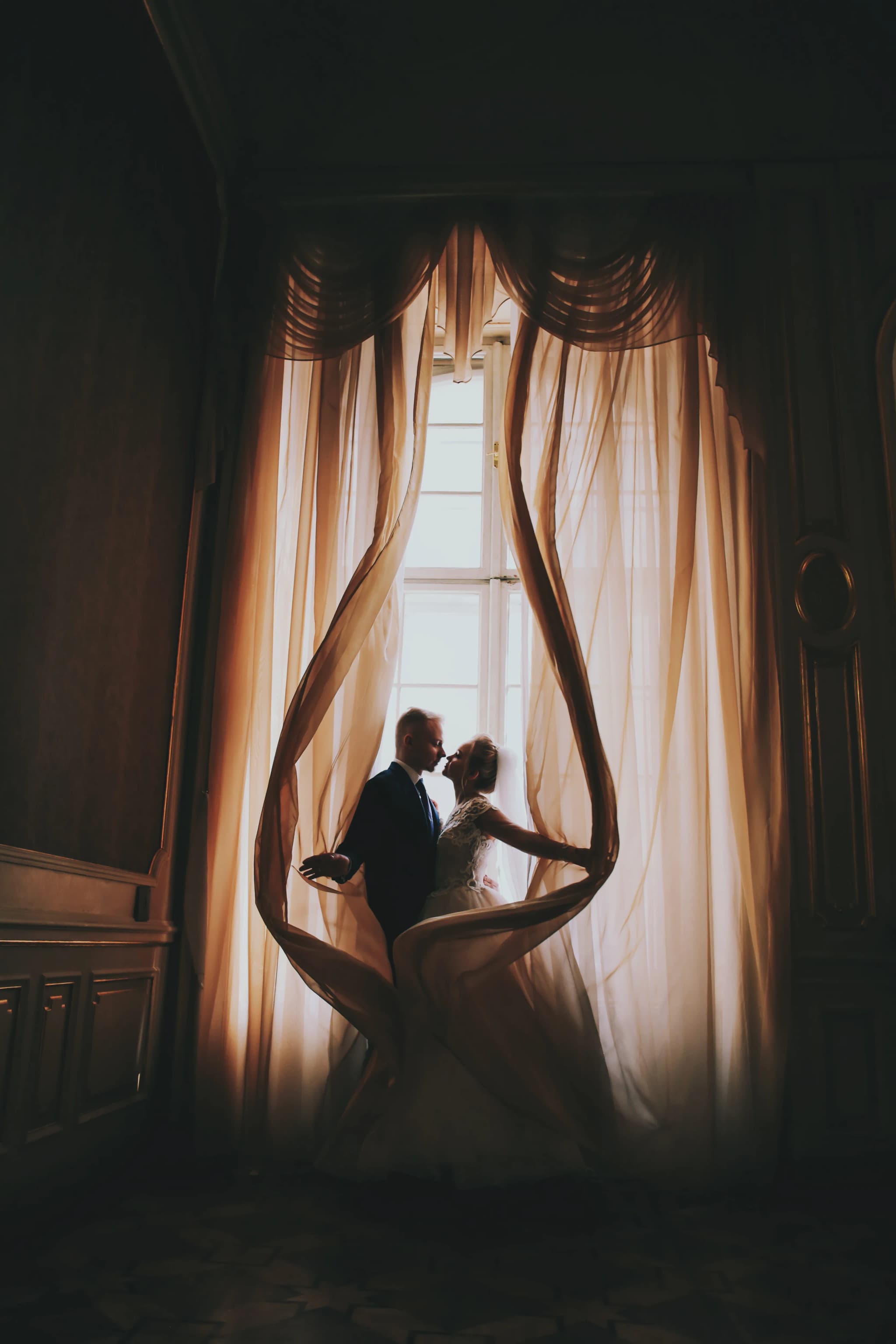
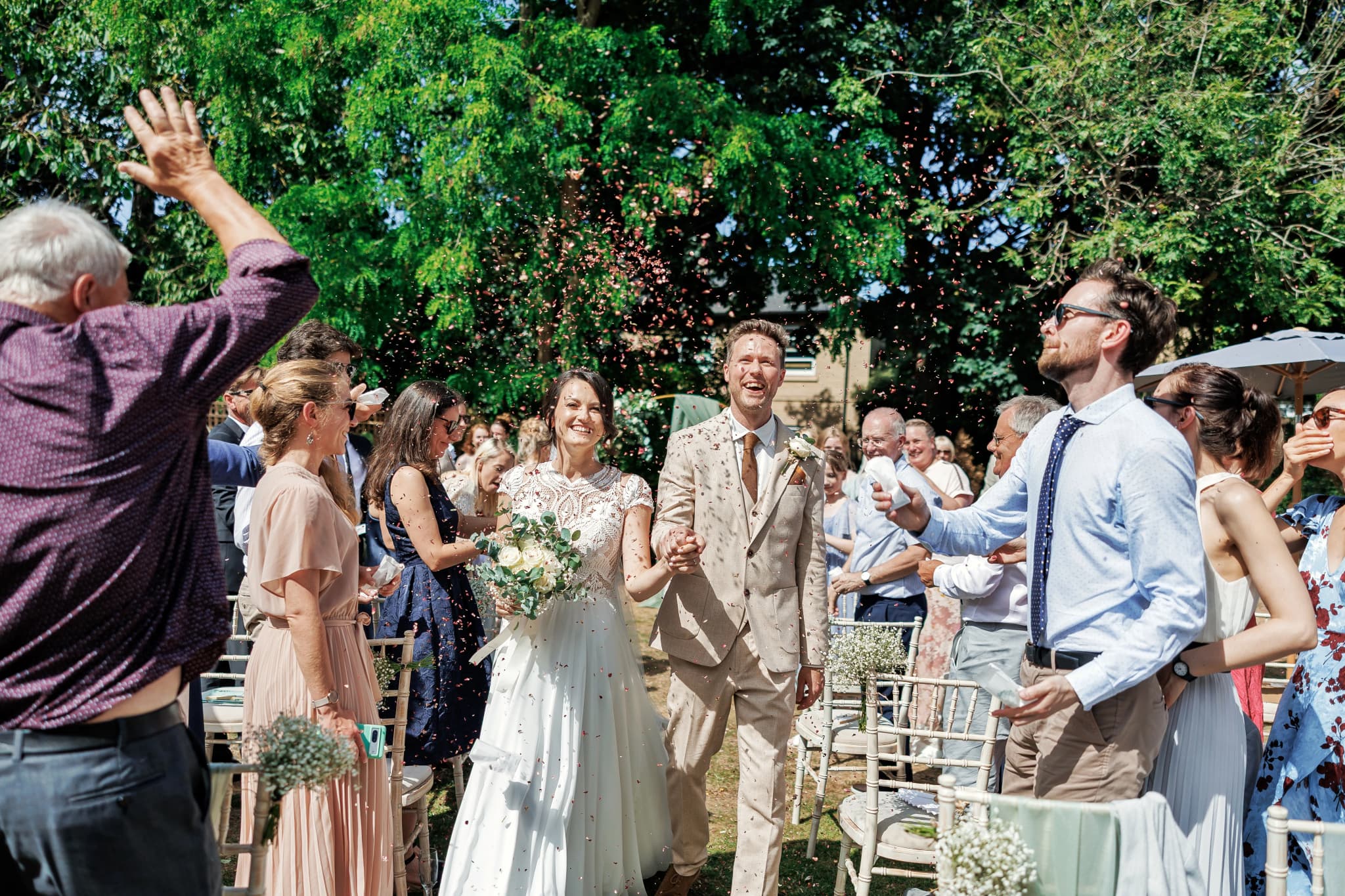
Inside, the exposed timber roof structures — king post trusses or queenpost frames — give strong graphic lines that anchor portraits taken looking upward, and work particularly well for confetti shots and full room images during speeches. The beam-filtered light from high clerestory windows or open eaves creates a diffuse, directional interior light that is well suited to natural-looking, unposed photography rather than the flat, even light of a modern function suite. Wide barn doors, where the venue has them, are one of my favourite features to work with: they frame a couple against the landscape beyond and let a huge amount of soft, indirect daylight into the room even on an overcast day.
Thatched roofs, where they survive, add a further layer of texture and warmth that is increasingly rare to find at a wedding venue of any kind, and they photograph particularly well from a low angle against an evening sky. Flint in particular has an unusual quality in changing light — it can look cool and grey at midday and turn a deep amber in the last hour before sunset, so I always try to build in time for portraits outside the barn as the light starts to turn, rather than keeping the whole afternoon indoors.
Planning Your Barn Wedding Timeline
Barn weddings tend to run on a slightly different rhythm from hotel or marquee weddings, and it is worth planning your timeline with the building's character in mind. Ceremonies in working barns often happen mid-afternoon, with drinks reception spilling out into the surrounding grounds if the weather allows — this outdoor drinks period is usually the best window for relaxed group photographs, since guests are naturally gathered together and the light is generally soft and even. I always recommend building in a short couple's portrait session during this window too, ideally somewhere away from the main crowd, even if it is only fifteen or twenty minutes.
The other timeline consideration specific to barns is sunset. Because so many Norfolk barns stand in open countryside with genuinely uninterrupted views, sunset from just outside the barn doors is often one of the best photographic opportunities of the entire day, and one that is easy to miss if the timeline has not accounted for it. I like to check sunset time for the specific date well in advance and flag a short window, even just five or ten minutes, for the two of you to step outside together as the light turns. It rarely feels like an interruption to the evening — most couples are glad of the excuse for a few quiet minutes away from the room.
Considering a barn wedding in Norfolk?
I would be glad to talk through your chosen venue, share honest thoughts on timing and light for that specific barn, and answer any questions about coverage for your day.
Get in touch about your Norfolk weddingPractical Notes for Couples and Guests
A few practical things are worth knowing if you are considering a Norfolk barn for your own wedding. Many of these venues are working or former agricultural sites, which means ground underfoot can be uneven, and courtyards or approach paths are sometimes gravel or grass rather than tarmac — worth mentioning to guests in advance, particularly anyone attending in heels or bringing a pushchair. Norfolk barns also tend to sit some distance from the nearest town, which most couples find to be part of the appeal, but it does mean transport for guests is worth thinking through early, whether that is a coach booking or simply clear directions and parking information included with the invitations.
Weather is always a consideration for any outdoor element of a Norfolk wedding, and barns handle this better than most venues precisely because the barn itself is the fallback. A wet afternoon does not derail a barn wedding the way it can a marquee-only event, since the ceremony, drinks and portraits can all move indoors without the day losing its character. That said, I always scout an indoor backup portrait spot at the same time as the outdoor locations when I visit a new venue, so that even on a difficult weather day there is a considered, attractive setting ready to use rather than a last-minute scramble for a corner with decent light.
Lastly, if your chosen barn is new to me, I make a point of visiting in advance wherever possible, ideally at a similar time of day and time of year to your wedding date. Seeing how the light moves through a specific barn in April is genuinely different from seeing it in August, and that reconnaissance visit means there is no guesswork on the day itself — just quiet, confident use of a space I already understand.
Norfolk's barns are, in my experience, some of the most rewarding wedding venues in the country to photograph precisely because they were never designed to be photographed at all — they were built for grain and livestock, and that honesty of material and structure gives every image a groundedness that a purpose-built function room rarely has. Whether you have already booked one of the venues above or are still weighing up options, I would love to hear about your day and talk through what a barn setting could look like for you —get in touch and we can start planning from there.


Yana Skakun
Photographer · England
Professional wedding, family and portrait photographer based in England. Passionate about capturing authentic emotions and timeless moments.
About Yana →barn wedding NorfolkNorfolk barn venuesconverted barn wedding NorfolkNorfolk barn wedding photographerrustic wedding Norfolk
Venue Spotlights — Wedding & Portrait Photography in Cambridge & England
Yana Skakun photographs weddings and portrait sessions at venues across Cambridge, East England, London, and beyond. Venue scouting and creative collaboration are part of every booking — every location is worked with rather than against. This guide — Beautiful Barn Wedding Venues Across Norfolk — is part of the photography journal: practical, experience-based advice drawn from real sessions across England. Whether you arrived searching for barn wedding norfolk or norfolk barn venues, the same care and attention shapes every session Yana photographs.
Wedding & Portrait Photography sessions are available year-round, with bookings open across Cambridge, Ely, Huntingdon, Peterborough, and further afield — East England, London, the Midlands, and beyond. If you have specific questions about converted barn wedding norfolk, mention it in your enquiry. Get in touch through the contact form above to check availability and discuss your session. Enquiries are welcomed from anywhere in the UK.
Frequently Asked Questions
What should I look for when visiting a wedding venue?+
Look at the natural light at the time of day your ceremony will take place. Walk outside and consider where portraits will happen — is there an area with shade, a garden, a meaningful backdrop? Ask about vendor restrictions (some venues require you to use their preferred photographer list). Check logistics: where do guests park, where does the bridal party get ready, is there a bridal suite?
How far in advance should you book a wedding venue?+
Popular venues book 18–24 months ahead, especially for peak season (May–September) Saturdays. If you're flexible on date and day of week, 12 months is usually sufficient. Always view a venue before booking — photos online rarely show the full picture of scale, light, or atmosphere.
What questions should you ask a wedding venue?+
Ask: what's included in the venue hire? Can you bring your own caterer? What are the noise restrictions and finishing times? Is there accommodation on site? What's the plan if it rains for outdoor ceremonies? What is the minimum and maximum guest capacity? Are there any vendor restrictions or preferred supplier lists?
How do venue locations affect wedding photography?+
Venue architecture, grounds, and natural light dramatically affect the quality of wedding photography. Beautiful venues with varied backdrops, good natural light in the key rooms, and outdoor space for portraits make the photographer's job much easier. When choosing a venue, visiting at the same time of day as your planned ceremony is helpful for assessing the light.
What makes a venue photogenic for weddings?+
Natural light (large windows, north-facing rooms), textured backgrounds (stone walls, wooden beams, floral arrangements), varied outdoor spaces (gardens, courtyards, woodland, water features), and interesting architectural details. Venues that feel authentic to their setting — a barn that's actually rustic, a manor house with period features — photograph better than generic white box venues.
Continue Reading
Related Articles

Venue Spotlights
Beach and Coastal Portrait Photography in England
13 min read · Read Article
Venue Spotlights
Autumn Photography Locations in Cambridgeshire: The Complete Seasonal Guide
12 min read · Read Article
Venue Spotlights
Cherry Blossom Photography Locations in England: Where & When to Shoot
11 min read · Read Article
Get in Touch
Ready to Book Your Session?
Get in touch to discuss your vision — I'll reply within 24 hours.