Yana Skakun
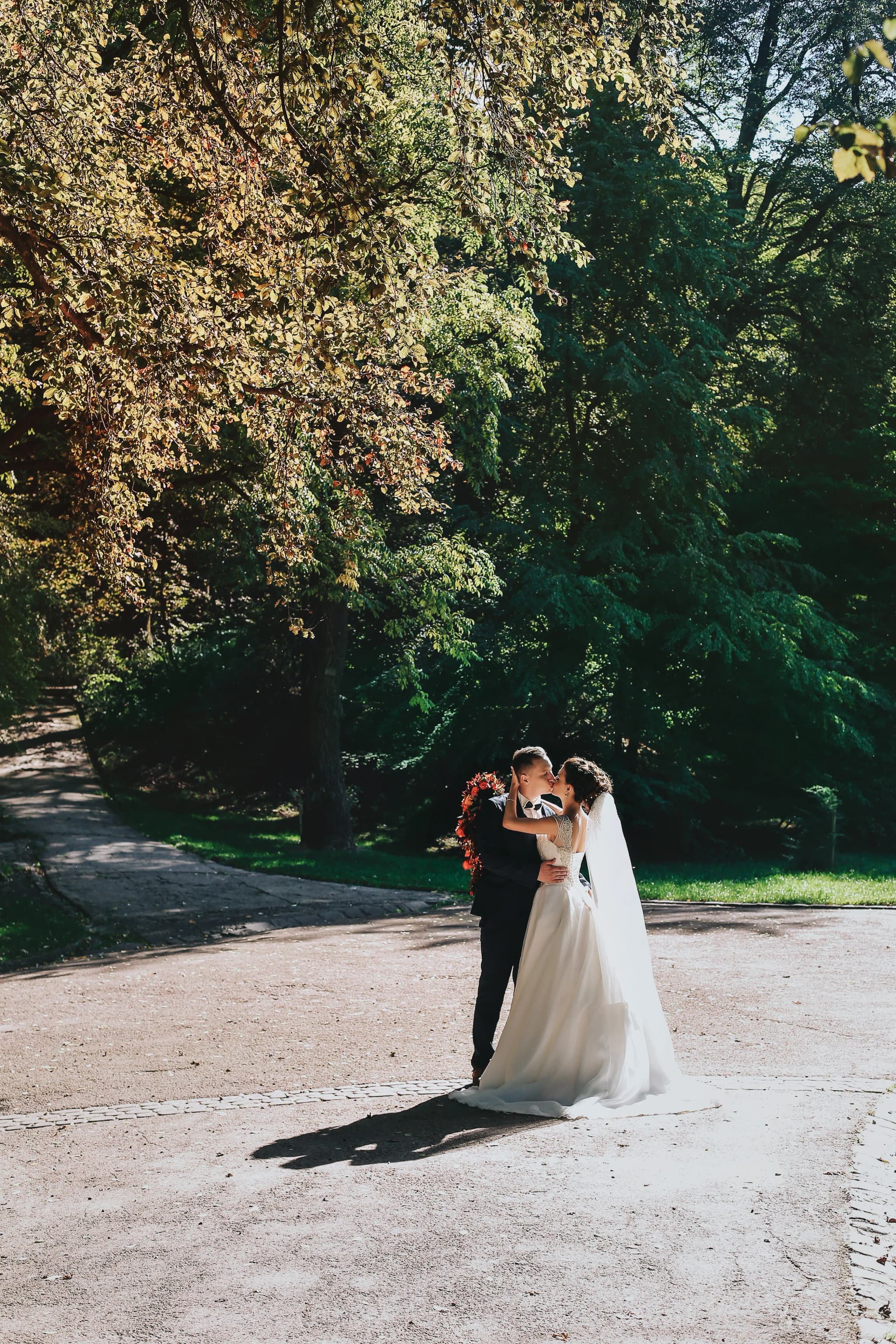
Norfolk Estate & Manor House Wedding Venues
By Yana Skakun·30 March 2026·9 min read
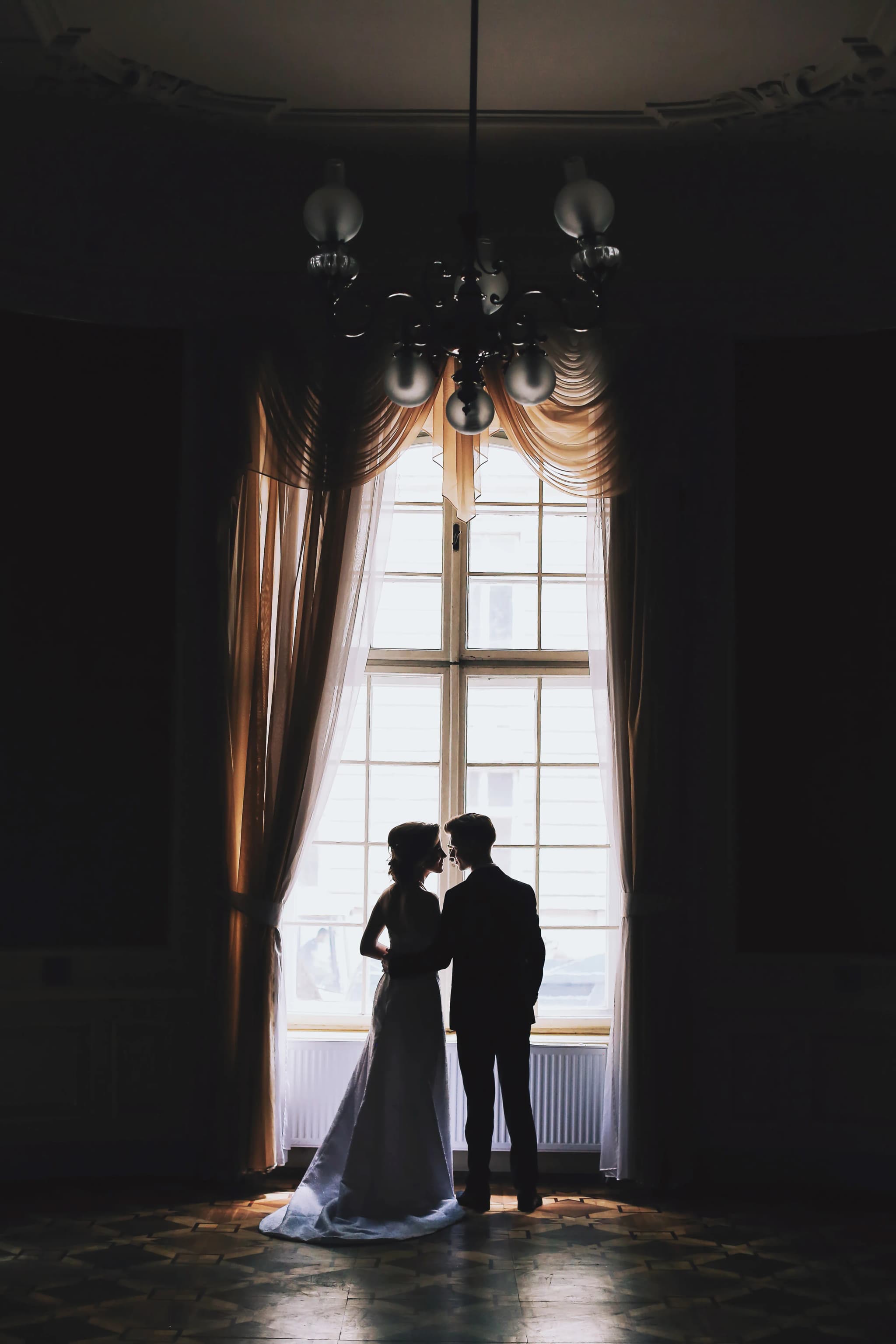
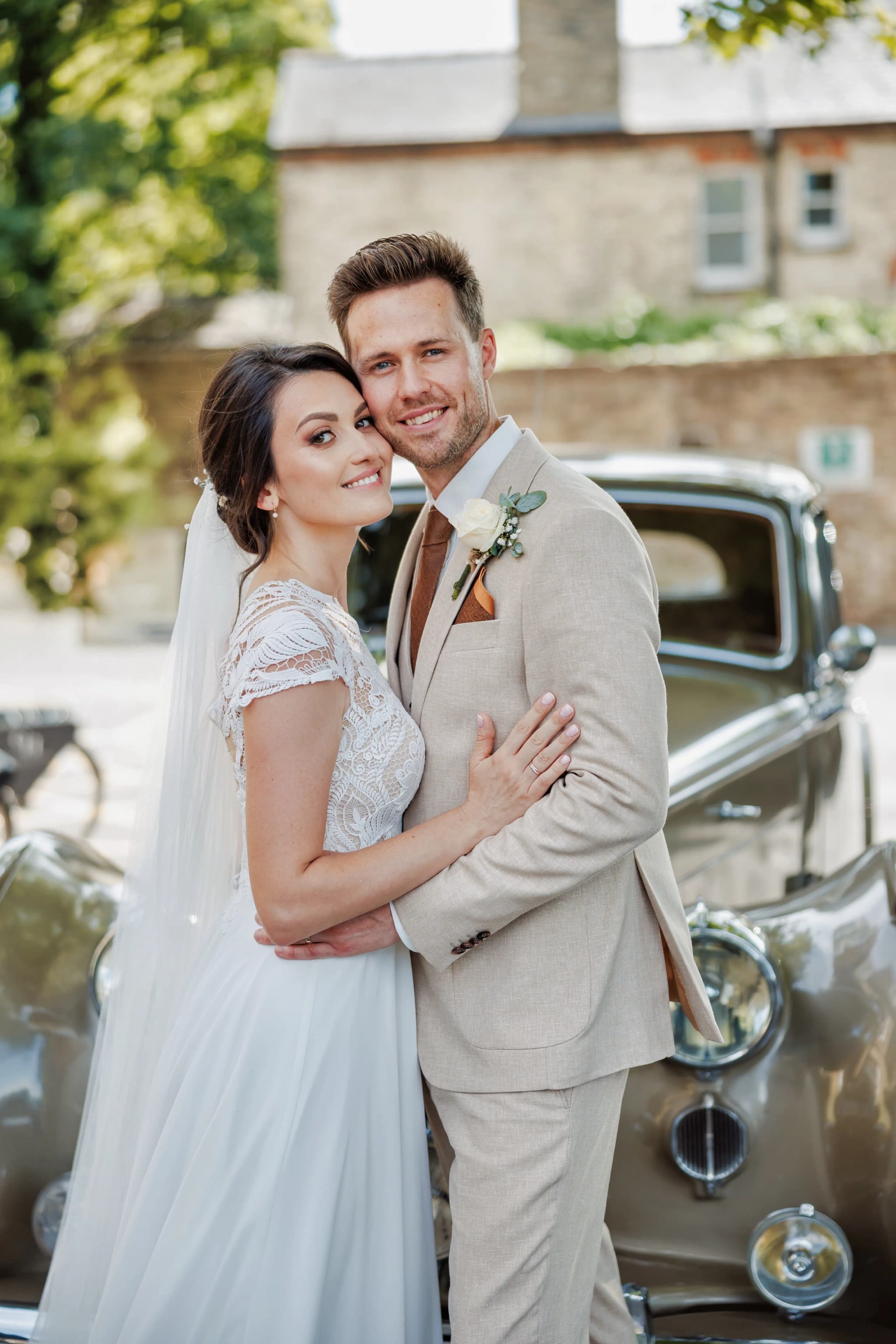
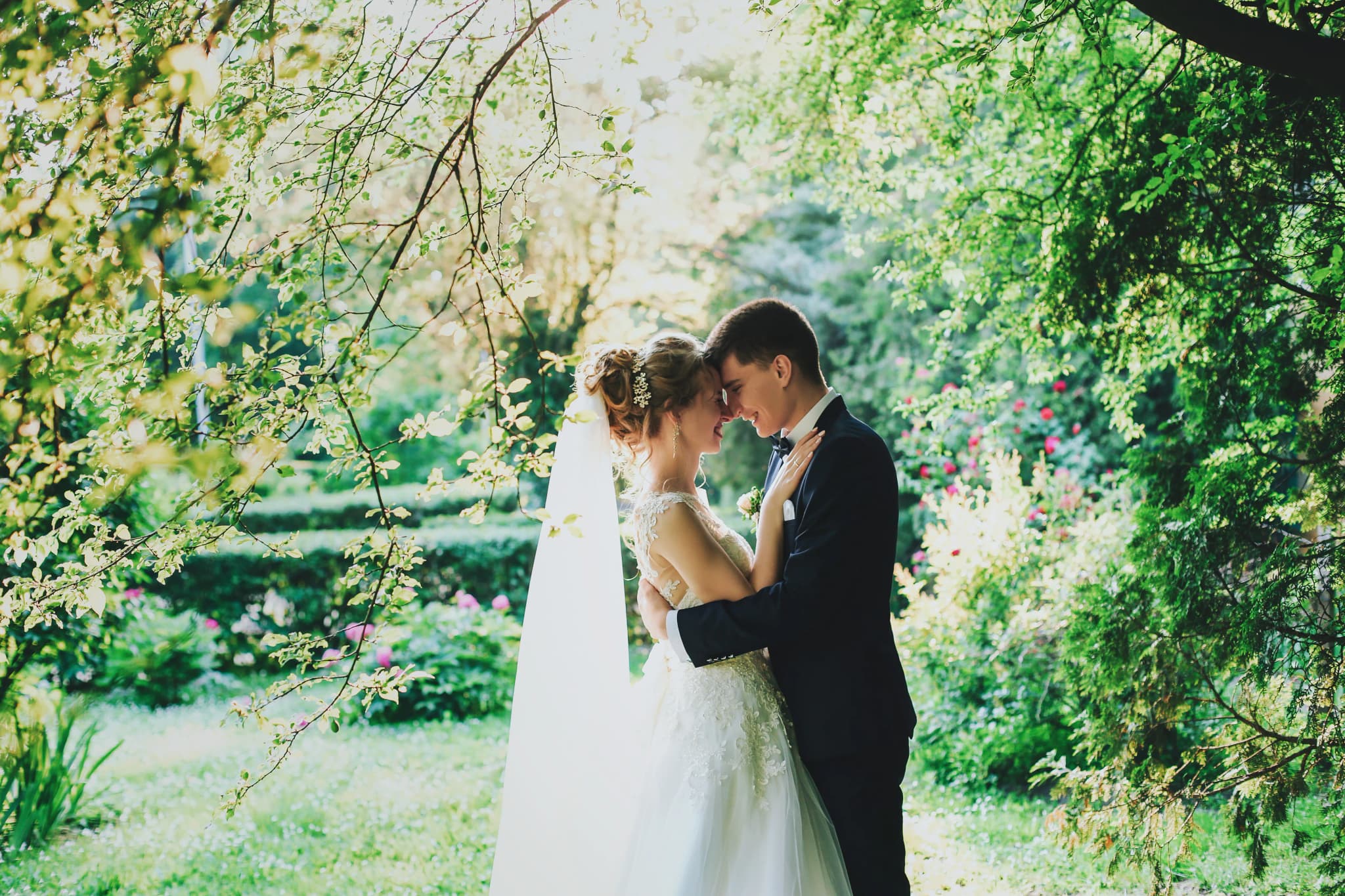
Norfolk is one of England's great agricultural counties, and the prosperity of its landowners over four centuries has left a legacy of country houses and estates that now serve as some of the finest wedding venues in East Anglia. I photograph weddings across the county throughout the year, and the estates themselves end up shaping the day almost as much as the couple's own choices do — the scale of a Palladian entrance court, the intimacy of a walled kitchen garden, the reflective stillness of a lake at dusk. From Palladian mansions to Arts and Crafts gardens, the range of estate settings available in Norfolk is genuinely wide, and choosing the right one is as much about how it will photograph as how it will host your guests.
Norfolk Estate and Manor Wedding Venues
Below are five estates I return to often, each with a distinct character. This is not an exhaustive list — Norfolk has dozens of licensed country house venues — but these five give a useful sense of the range on offer, from grand formal architecture to something quieter and more garden-led.
Kimberley HallGrade I Palladian House
A Grade I listed Palladian country house near Wymondham, designed by William Talman in the 1720s and later remodelled. The formal entrance court, walled garden and parkland lake provide a complete sequence of portrait settings within one estate.
VoewoodArts and Crafts Estate
An Arts and Crafts house near Holt designed by Edward Boardman in 1903, set within six acres of Arts and Crafts gardens with tiered terraces, a sunken garden and a kitchen garden. The house and gardens are available for exclusive hire.
Fritton LakeLakeside Estate
A private estate on the south bank of Fritton Lake near Great Yarmouth, with restored estate buildings surrounding the lake. The stillwater reflections of the surrounding woodland and the converted boathouse setting are the defining photographic features.
Mannington HallMoated Manor House
A 15th-century moated manor house in the rolling countryside of north Norfolk, surrounded by restored Victorian rose gardens and medieval church ruins. The moat, drawbridge and flint tower combine to produce a romantically picturesque setting.
Narborough Hall GardensWalled Garden
Georgian walled gardens on the River Nar near Swaffham with restored herbaceous borders, kitchen garden and a riverside walk through the estate. An intimate venue well suited to smaller weddings wanting a classic garden setting.
Royal Connections: Sandringham and Holkham
Two of the most famous estates in England sit in north Norfolk. Holkham Hall — Thomas Coke's Palladian mansion surrounded by a vast parkland estate — has one of the finest landscape parks in Britain, with the lake, the beam engine house and the long approach through the ancient deer park all providing portrait opportunities. Holkham Beach, at the north edge of the estate, is one of the most beautiful beaches on the English coast, and couples marrying nearby sometimes make time for a short walk down to the dunes for a set of images with that enormous open sky behind them.
Sandringham House offers licensed wedding ceremonies and receptions in the grounds. The woodland walks, the lake and the formal garden areas provide a range of portrait settings within this most famous of royal country retreats. Both estates are working landscapes as well as wedding venues, which means access to certain areas can depend on the season and on what else is happening on the estate that week — it is always worth confirming photography locations with the venue coordinator well ahead of the day itself, and I am glad to help with that conversation if it is useful.
Choosing an Estate to Suit Your Day
The estates above differ enormously in scale and atmosphere, and the right choice usually comes down to guest numbers and the feeling you want the day to have rather than any single objective measure of "best". A house like Kimberley Hall, with its formal entrance court and parkland, suits a larger wedding that wants a sense of grandeur and a variety of distinct settings across one afternoon. Somewhere like Narborough Hall Gardens, by contrast, is a better fit for a smaller wedding that wants a single beautiful garden rather than acres of parkland to move through.
Water is worth thinking about specifically. Fritton Lake and the moat at Mannington Hall both give a very particular kind of photograph — still reflections, soft light bouncing back up into shadow areas, a genuine sense of place that is hard to replicate anywhere inland. If reflective water in your images matters to you, it is worth building time into the day's schedule specifically for it, since the best reflections tend to come in the calm light of early evening rather than the middle of the afternoon.
It is also worth asking each estate directly what is included in their hire and what is not. Some Norfolk estates offer exclusive use of the house and grounds for the whole weekend; others host multiple events across a season and have more defined boundaries around access times and photography locations. Knowing this in advance shapes how I plan the timeline, particularly around golden hour portraits, which often need slightly more flexibility than a standard reception schedule allows for.
Planning a Norfolk estate wedding
If you are weighing up estates or already have a venue booked, I am happy to talk through timings, light and locations specific to the house you have chosen.
Get in touch about your Norfolk weddingSeasons on a Norfolk Estate
Norfolk's estates change character dramatically across the year, and that is genuinely worth factoring into a date if you have flexibility. Spring brings bulbs and blossom to the walled gardens at Narborough and Mannington, and the parkland at Holkham and Kimberley is at its freshest green before the summer dries it out. Summer offers the longest light and the greatest reliability for outdoor ceremonies, but it is also the busiest and most competitive season for booking any of these venues, so early enquiries matter.
Autumn turns the mature parkland trees at these estates into something spectacular, particularly at Kimberley Hall and around the lake at Holkham, and the lower afternoon light flatters portraits in a way high summer sun does not. Winter weddings are quieter but far from unphotographable — the bare structure of a walled garden, a log fire inside a historic hall, and the particular clarity of Norfolk's big winter skies all have their own appeal, and several of these estates offer noticeably more availability and flexibility outside the summer season.
Practical Notes for Estate Wedding Photography
Estate venues are wonderful to photograph precisely because they offer so much variety within one location, but that variety is only useful if the day's schedule leaves room for it. I generally recommend building in a proper block of time after the ceremony — even thirty minutes makes a real difference — specifically for couple portraits around the grounds, rather than trying to fit them into the gaps between formalities and canapés. Estates with a lot of ground to cover, like Holkham or Kimberley, benefit from identifying two or three locations in advance rather than wandering and hoping to find something on the day.
Weather backup is another practical consideration specific to historic estates. Many of these houses have genuinely beautiful interiors — panelled halls, staircases, orangeries — that photograph just as well as the gardens when the Norfolk weather does not cooperate. Knowing which rooms are available as a wet-weather option, and having that conversation with the venue coordinator ahead of time rather than on the morning itself, takes a genuine source of stress off the day.
Guest logistics matter too. Some of Norfolk's larger estates have parkland stretching well beyond what guests in heels or formal shoes will want to walk, so it is worth thinking about where the ceremony, drinks reception and portraits will each take place relative to one another, and whether transport between them — even something as simple as a short buggy ride — needs to be arranged.
Norfolk's estates offer something that is genuinely difficult to find elsewhere in the east of England: real architectural and landscape variety within a single wedding venue, built up over centuries rather than designed for the purpose. Whether you have already chosen your house or are still deciding between a handful of options, I am always glad to talk through how a particular estate photographs across the seasons, what its light does at different times of day, and how best to use the grounds you have been given for the day. If you would like to talk through your own Norfolk wedding plans, please get in touch and we can start building a plan around the venue you have in mind.

Yana Skakun
Photographer · England
Professional wedding, family and portrait photographer based in England. Passionate about capturing authentic emotions and timeless moments.
About Yana →manor house wedding Norfolkestate wedding NorfolkNorfolk hall wedding venuescountry house wedding NorfolkNorfolk stately home wedding
Venue Spotlights — Wedding & Portrait Photography in Cambridge & England
Yana Skakun photographs weddings and portrait sessions at venues across Cambridge, East England, London, and beyond. Venue scouting and creative collaboration are part of every booking — every location is worked with rather than against. This guide — Norfolk Estate & Manor House Wedding Venues — is part of the photography journal: practical, experience-based advice drawn from real sessions across England. Whether you arrived searching for manor house wedding norfolk or estate wedding norfolk, the same care and attention shapes every session Yana photographs.
Wedding & Portrait Photography sessions are available year-round, with bookings open across Cambridge, Ely, Huntingdon, Peterborough, and further afield — East England, London, the Midlands, and beyond. If you have specific questions about norfolk hall wedding venues, mention it in your enquiry. Get in touch through the contact form above to check availability and discuss your session. Enquiries are welcomed from anywhere in the UK.
Frequently Asked Questions
What should I look for when visiting a wedding venue?+
Look at the natural light at the time of day your ceremony will take place. Walk outside and consider where portraits will happen — is there an area with shade, a garden, a meaningful backdrop? Ask about vendor restrictions (some venues require you to use their preferred photographer list). Check logistics: where do guests park, where does the bridal party get ready, is there a bridal suite?
How far in advance should you book a wedding venue?+
Popular venues book 18–24 months ahead, especially for peak season (May–September) Saturdays. If you're flexible on date and day of week, 12 months is usually sufficient. Always view a venue before booking — photos online rarely show the full picture of scale, light, or atmosphere.
What questions should you ask a wedding venue?+
Ask: what's included in the venue hire? Can you bring your own caterer? What are the noise restrictions and finishing times? Is there accommodation on site? What's the plan if it rains for outdoor ceremonies? What is the minimum and maximum guest capacity? Are there any vendor restrictions or preferred supplier lists?
How do venue locations affect wedding photography?+
Venue architecture, grounds, and natural light dramatically affect the quality of wedding photography. Beautiful venues with varied backdrops, good natural light in the key rooms, and outdoor space for portraits make the photographer's job much easier. When choosing a venue, visiting at the same time of day as your planned ceremony is helpful for assessing the light.
What makes a venue photogenic for weddings?+
Natural light (large windows, north-facing rooms), textured backgrounds (stone walls, wooden beams, floral arrangements), varied outdoor spaces (gardens, courtyards, woodland, water features), and interesting architectural details. Venues that feel authentic to their setting — a barn that's actually rustic, a manor house with period features — photograph better than generic white box venues.
Continue Reading
Related Articles

Venue Spotlights
Beach and Coastal Portrait Photography in England
13 min read · Read Article
Venue Spotlights
Autumn Photography Locations in Cambridgeshire: The Complete Seasonal Guide
12 min read · Read Article
Venue Spotlights
Cherry Blossom Photography Locations in England: Where & When to Shoot
11 min read · Read Article
Get in Touch
Ready to Book Your Session?
Get in touch to discuss your vision — I'll reply within 24 hours.