Yana Skakun

Professional Headshots for Nutritional Therapists: Clinical Credibility and Genuine Warmth
By Yana Skakun·10 July 2025·4 min read
Nutrition professionals work in a field where trust is hard-won and quickly lost. Someone booking a consultation with a nutritional therapist or registered dietitian is often arriving after months, sometimes years, of conflicting advice — a diet that worked for a friend but not for them, a piece of social media wisdom that contradicted what their GP said, a health concern they have not fully explained to anyone yet. Before they ever sit down for that first consultation, they have almost always looked at a website first, and the photograph next to your biography is doing a huge amount of quiet work in that moment. It is answering a question the client has not consciously asked: can I trust this person with something as personal as what I eat, how I feel in my body, and what I have struggled with. Getting that photograph right is not a vanity exercise. It is a genuine piece of client-facing communication, and it deserves the same care a therapist would put into their consultation room.
Why This Sector Needs a Different Approach to Headshots
Most professional headshot photography is built around a single, fairly narrow idea of what "professional" looks like — a dark blazer, a plain grey background, arms folded, a confident half-smile. That template works reasonably well for law, finance, and corporate management, where the goal is to signal authority and competence above all else. It works much less well for nutrition professionals, because the thing a nutritional therapist or dietitian most needs to communicate is not authority in the abstract. It is a very specific, dual quality: genuine clinical credibility sitting alongside genuine human warmth.
A client considering a nutrition consultation is not hiring someone to manage a portfolio or represent them in a negotiation. They are inviting someone into a conversation about food, weight, digestion, energy, mood, and sometimes years of difficult relationship with their own body. A headshot that reads as cold, distant, or overly polished can actively work against a nutrition practice, because it suggests a clinical detachment that does not match what the client is hoping to find. Equally, a headshot that reads as too casual, with no visual signal of expertise at all, can leave a potential client wondering whether this practitioner takes their own work seriously enough. The photography needs to sit in the middle of those two failure states, and that middle ground is narrower and more specific than most general headshot photographers appreciate.
Registered Dietitian or Nutritional Therapist: The Brief Is Not the Same
These are related but genuinely distinct professions, and the photography brief for each is different enough that it is worth spelling out.
Registered dietitians are HCPC-regulated allied health professionals, and much of their work sits within an NHS or clinical evidence-based framework, even when they also run private practice. That regulatory backing is an asset, and the photography for an RD often benefits from a more restrained, clinically credible presentation — clean lines, calm colour palette, minimal styling, an image that would look entirely at home on an NHS trust page as well as a private practice website. Where an RD is working purely in private practice, there is usually more room to bring warmth into the image without undermining the clinical seriousness, but the starting point still leans professional-first.
Nutritional therapists, particularly those registered with BANT (the British Association for Nutrition and Lifestyle Medicine), typically operate entirely in private practice and have considerably more freedom in how they present their brand. Many build a strong personal following through Instagram, newsletters, and content marketing, and their photography needs reflect that: not just a single headshot but a small library of images that can be used across a website, social media grid, email signature, and printed materials without ever repeating the same shot. The tone tends to sit further towards warmth and approachability, while still carrying enough visual seriousness that a first-time visitor understands this is a qualified professional, not a lifestyle influencer without credentials.
What the Images Actually Need to Communicate
When I plan a session for a nutrition professional, I am working towards a small number of specific communication goals rather than simply taking flattering photographs. The first is genuine presence and vitality. This does not mean performative wellness — nobody needs to be photographed mid-stretch holding a green smoothie. It means capturing a practitioner who looks genuinely well, genuinely energised, and comfortable in their own skin, because that quiet, unforced embodiment of good health carries real implicit authority with a prospective client.
The second goal is approachability. A nutrition consultation involves disclosing things people often find embarrassing or difficult — binge eating, chronic bloating, a complicated relationship with weight, years of yo-yo dieting. The headshot needs to signal that this is a person you could say those things to without judgement. That comes through in genuinely warm, unforced expressions rather than a rehearsed corporate smile, and it is one of the main reasons I spend time talking with clients before the camera comes out at all, so the expressions in front of the lens are theirs rather than a performance.
The third goal is credibility. Qualifications, registration body, and clinical experience are communicated through biography copy and website content, not through the photograph itself, but the image still needs to visually signal professional seriousness — good posture, appropriate styling, a setting that looks considered rather than accidental. The image and the copy work together; neither one can carry the whole job on its own.
Beyond the Headshot: Why Context Images Matter So Much in This Field
A single studio headshot against a plain background will cover a website biography page adequately, but nutrition professionals who are active on social media or building a content-led brand need considerably more than that. A single image used everywhere — on the website, on Instagram, on printed leaflets, in a newsletter header — starts to look repetitive within a few months, and repetitive imagery quietly signals a practice that is not investing in itself.
This is where context or "brand" photography earns its place. Rather than one shot in one setting, I build a session around several natural environments: working at a consultation table with notes or a dietary plan in front of you, standing in a kitchen preparing or arranging food, reviewing a client file, or simply sitting in conversation. These images tell the story of what a consultation actually feels like, and they give you a bank of varied, on-brand photography to draw on for a year or more — a different image for each blog post, each social media caption, each seasonal newsletter, rather than reaching for the same headshot every time. Clients who invest in this kind of session upfront generally find it considerably reduces the ongoing cost and hassle of content creation, because the photography library simply exists and is ready to use.
Food styling within these sessions does not need to be elaborate. A simple, well-arranged plate, a chopping board with fresh ingredients, or a consultation folder with a visible food diary all read as authentic and relevant without requiring a food stylist or an elaborate set build. The goal is context that feels true to the actual working day of a nutrition professional, not a stock-photography version of wellness.
Brand photography for nutrition professionals
I photograph headshots and brand sessions for nutritional therapists, registered dietitians, and nutrition coaches across Cambridge and the wider UK, combining studio-quality headshots with natural, in-practice context images.
Enquire about a sessionStyling and Wardrobe Guidance
Wardrobe for a nutrition professional's session generally sits in smart-casual territory rather than formal corporate wear. Warm neutral tones — cream, soft green, terracotta, warm grey, denim — tend to photograph well and align with the calm, natural associations of the profession, whereas stark black or heavily patterned clothing can pull focus away from the face and read as slightly at odds with the warmth the brand is trying to project. Clean, simple lines photograph better than busy prints, and natural fabrics tend to hold their shape and texture better under studio or natural light than synthetic ones.
A clinical white coat has its place for dietitians working in more formal healthcare-adjacent contexts, and I am always happy to include a few frames in one for practitioners who need that option for specific uses. For private practice and social media brand photography more broadly, though, softer and more personally styled clothing usually communicates the practitioner-client relationship more effectively than clinical dress does. I generally suggest bringing two or three outfit options to a session — one slightly more polished, one more relaxed — so the final gallery has enough range to cover both a formal biography page and more casual social content.
Hair and make-up choices should aim for a natural, slightly elevated version of how you present day to day, rather than a dramatic departure from it. Clients recognising their practitioner from their website when they arrive for a first appointment is a small thing, but it matters for building trust before a word is even spoken.
Choosing a Setting: Studio, Clinic, or Natural Light
There is no single correct setting for this kind of session, and the right choice depends on how the images will be used. A studio session with a clean, softly lit background produces the most versatile headshots — consistent lighting, a neutral backdrop that will not date, and images that crop cleanly for a range of uses from a website header to a professional directory listing. For a nutritional therapist or dietitian who wants their core headshot to work reliably across every platform for several years, studio photography is usually the most efficient starting point.
Sessions photographed at a practitioner's own clinic or consultation room add a layer of authenticity that a studio cannot replicate, showing the actual space clients will be visiting and reinforcing a sense of an established, real-world practice. Natural light sessions, whether at a client's home kitchen or a bright, plant-filled space, tend to produce the warmest, most relaxed images and work particularly well for practitioners building a personal brand around wellbeing and lifestyle content. Many sessions I run combine two of these settings within a single booking, giving a practical mix of polished studio headshots and warmer, more contextual lifestyle images without needing to book separate appointments.
Getting Genuine Expressions on Camera
The single biggest difference between a headshot that feels authentic and one that feels stiff is not the lighting or the outfit — it is the expression, and expressions are very hard to fake convincingly on demand. Most people, understandably, tense up in front of a camera, and the resulting smile reads as slightly forced even when the sitter is genuinely a warm, engaging person in real life. My approach is to spend the first several minutes of any session simply talking — about the practice, about what a typical client session looks like, about what drew them into nutrition in the first place — before the serious photographing starts. By the time we are working through the actual shot list, most of the self-consciousness has settled and the expressions on camera are much closer to how that person actually looks and sounds with a client sitting across from them.
For practitioners who find this part genuinely uncomfortable, it is worth saying clearly: this is common, not a personal failing, and a good headshot session accounts for it rather than expecting people to simply switch on a natural smile at will.
A strong set of headshot and brand images is one of the more cost-effective investments a nutrition professional can make in their practice, because the photography underpins every other piece of marketing that follows — the website, the social media presence, the printed materials, the email signature that a prospective client sees before they have made any decision at all. Getting it right the first time, with a photographer who understands the specific balance this profession needs between clinical credibility and human warmth, saves the cost and disruption of reshooting a year later once the mismatch becomes obvious. If you are a nutritional therapist, registered dietitian, or nutrition coach based in Cambridge or further afield and would like to talk through what a session might look like for your practice, get in touch and we can plan something that fits how you actually work with clients.
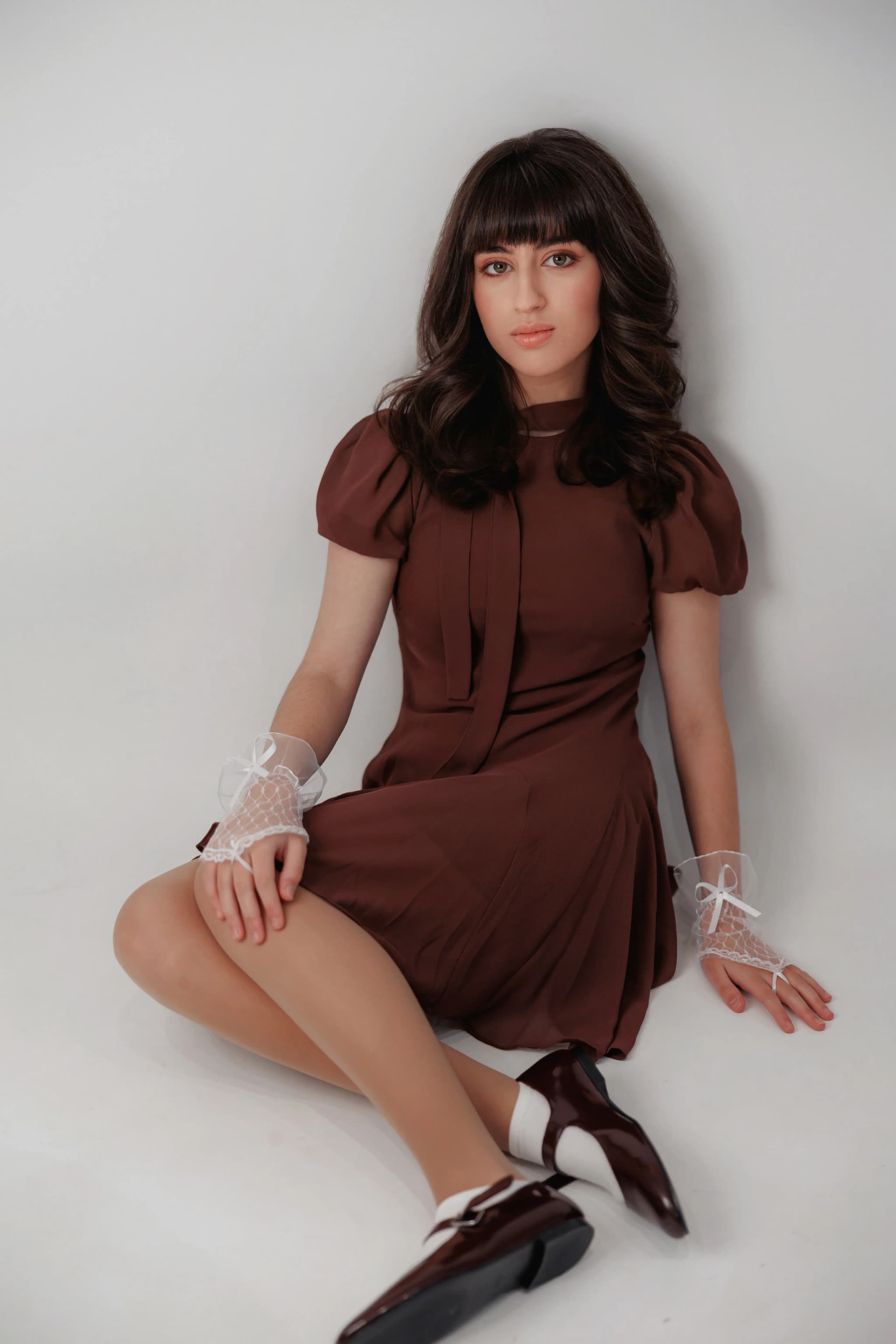
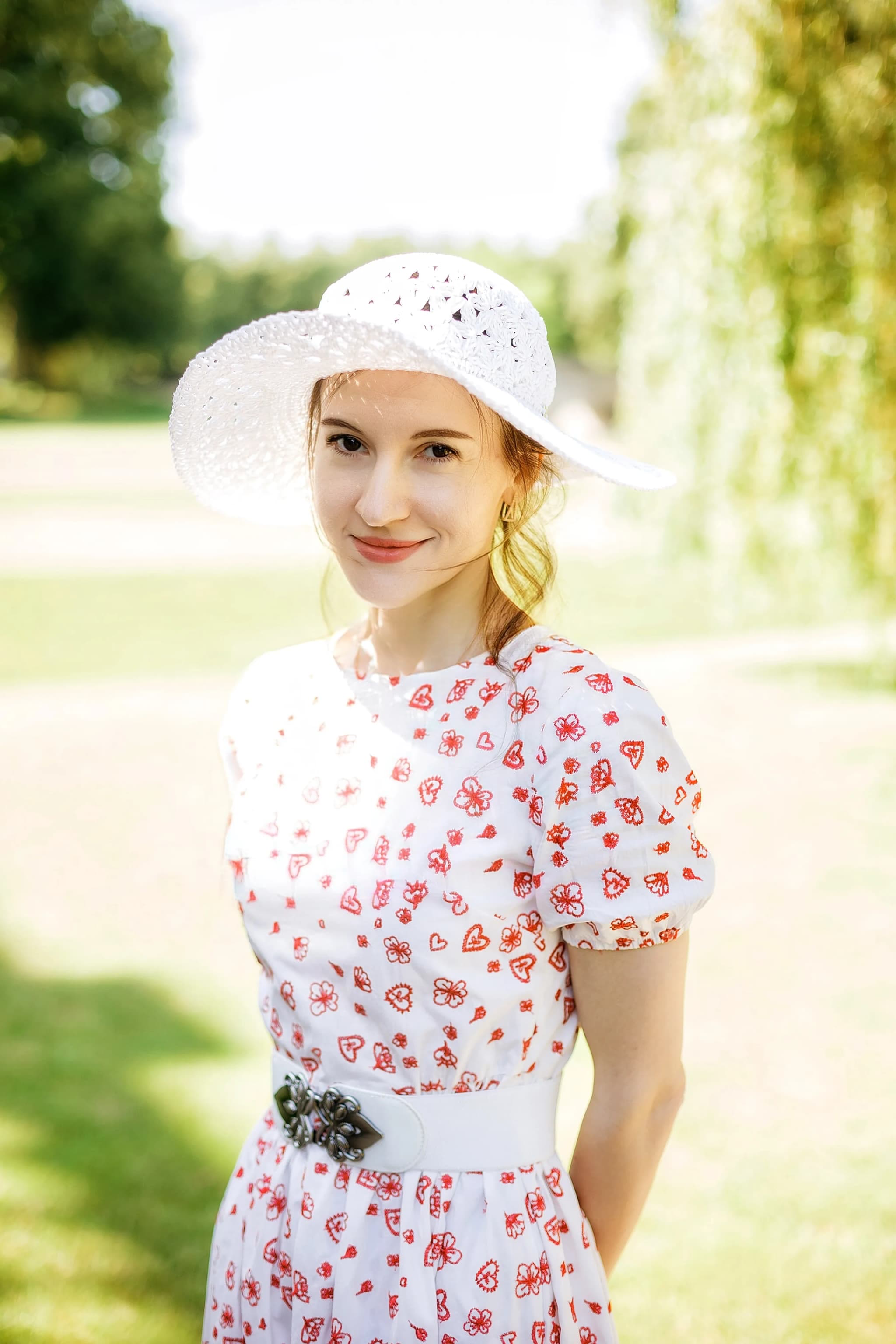
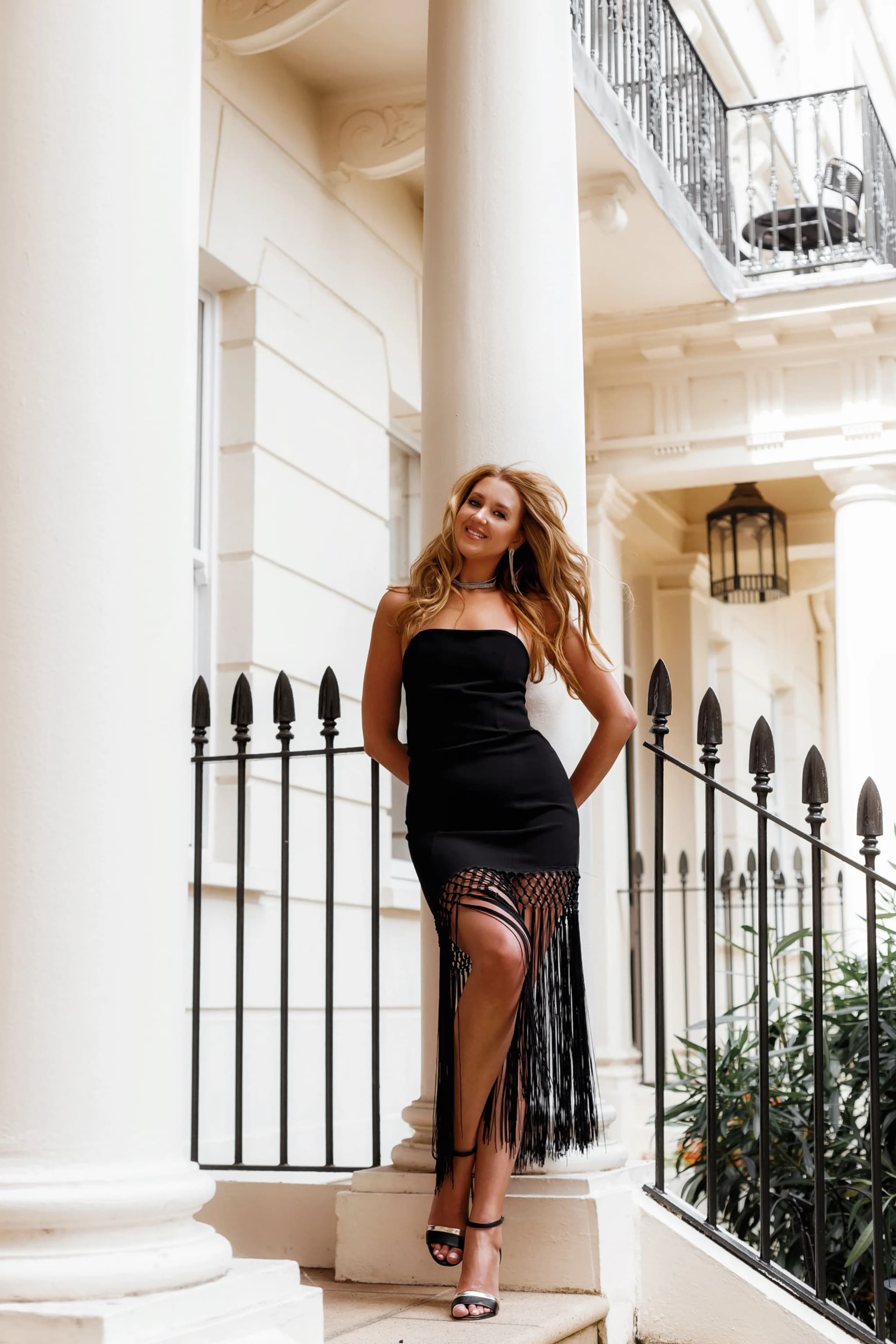
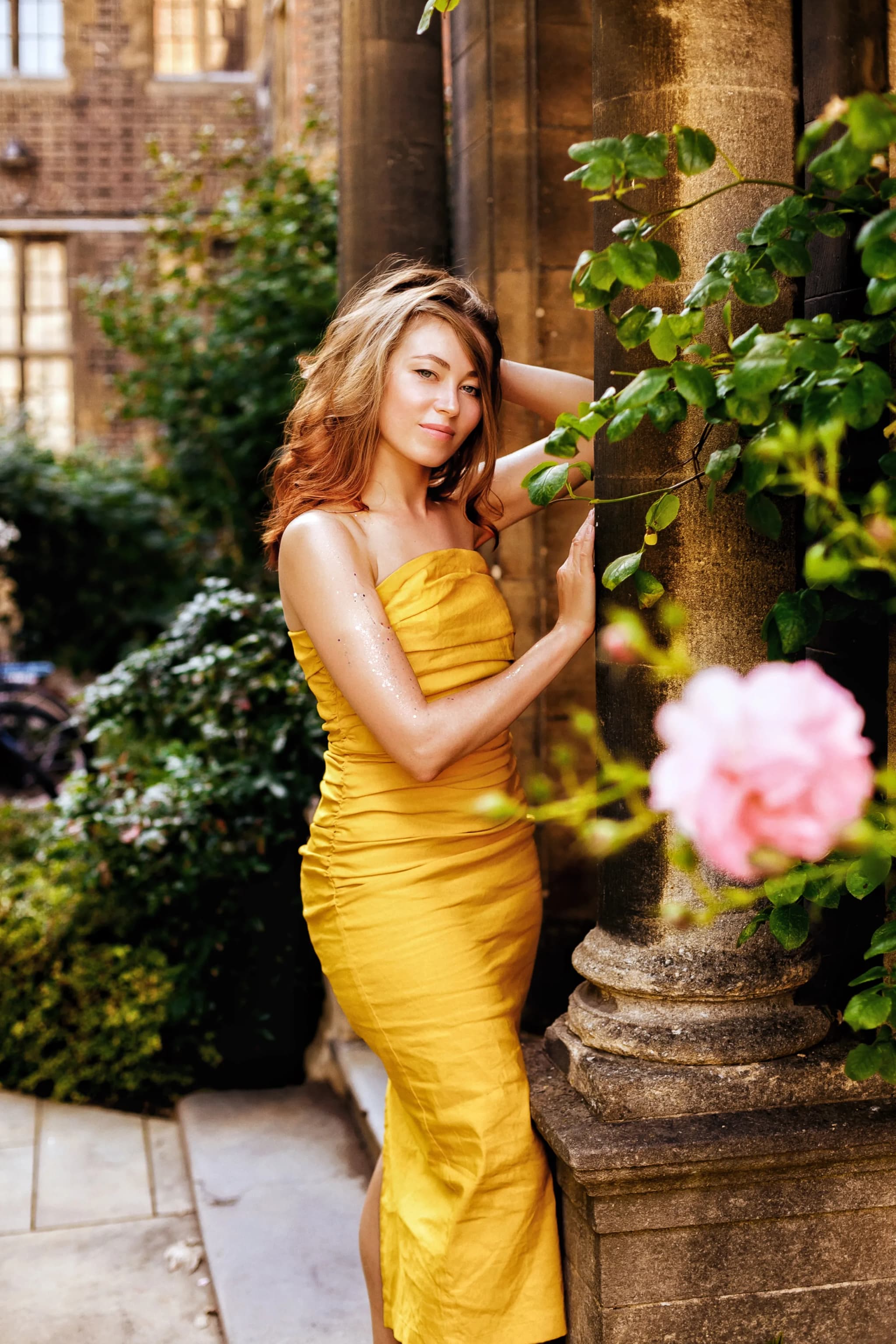

Yana Skakun
Photographer · England
Professional wedding, family and portrait photographer based in England. Passionate about capturing authentic emotions and timeless moments.
About Yana →nutritional therapist headshots UKdietitian professional photo UKnutrition coach brand photography UKBANT nutritionist headshots UKwellness professional photography Cambridgenutrition brand photos UK
Headshot Tips — Professional Headshot Photography in Cambridge & England
Professional headshot sessions with Yana Skakun are clean, efficient, and designed to produce images that represent you authentically across every professional context — LinkedIn, company websites, speaker profiles, and press. Sessions available in Cambridge and across England. This guide — Professional Headshots for Nutritional Therapists: Clinical Credibility and Genuine Warmth — is part of the photography journal: practical, experience-based advice drawn from real sessions across England. Whether you arrived searching for nutritional therapist headshots uk or dietitian professional photo uk, the same care and attention shapes every session Yana photographs.
Professional Headshot Photography sessions are available year-round, with bookings open across Cambridge, Ely, Huntingdon, Peterborough, and further afield — East England, London, the Midlands, and beyond. If you have specific questions about nutrition coach brand photography uk, mention it in your enquiry. Get in touch through the contact form above to check availability and discuss your session. Enquiries are welcomed from anywhere in the UK.
Frequently Asked Questions
What should I wear for a professional headshot?+
Solid colours photograph better than patterns. Navy, grey, charcoal, and burgundy are universally flattering. Avoid white (creates exposure issues), black (can look flat), and bright neons. Make sure your clothing fits well and is freshly pressed. Bring 2–3 outfit options to give yourself variety.
How do I prepare for a headshot session?+
Get a good night's sleep. Stay hydrated in the days before. If you're having hair and makeup done, schedule it for the morning of the shoot. Bring the clothes you plan to wear on a hanger. Arrive 10 minutes early to settle in before the camera comes out. Most importantly — don't stress. A good photographer will guide you.
How long does a professional headshot session take?+
A standard headshot session takes 30–60 minutes. This covers 2–3 outfits and multiple expressions and angles. Corporate team headshots at a single location can be scheduled at 15–20 minutes per person.
How often should you update your professional headshot?+
Every 2–3 years, or whenever your appearance changes significantly — new hairstyle, weight change, or notable ageing. Your headshot should look like you when you walk into a meeting, not like you five years ago. Outdated headshots undermine trust, particularly in client-facing roles.
What is the difference between a headshot and a business portrait?+
A headshot is a tight crop of the face and upper chest, focused entirely on professional presence and approachability. A business portrait typically includes more of the body and often incorporates environment or context — an office setting, equipment, or a workspace that communicates your profession.
Continue Reading
Related Articles

Headshot Tips
LinkedIn Headshots for Cambridge Graduates: Start Your Career With the Right First Impression
7 min read · Read Article
Headshot Tips
Professional Photography for Small Businesses: The Complete Guide
12 min read · Read Article
Headshot Tips
Corporate Team Photography: Professional Headshots for Your Entire Organisation
9 min read · Read Article
Get in Touch
Ready to Book Your Session?
Get in touch to discuss your vision — I'll reply within 24 hours.