Yana Skakun

PhD Student Photography Cambridge: Documenting the Long, Extraordinary Journey
By Yana Skakun·17 March 2033·7 min read
A Cambridge PhD represents something unusual in academic careers: an extended, often solitary undertaking that transforms a student into a specialist, and ultimately into a doctor. The journey — from the uncertainty of the first year, through the grinding middle chapters, to the final submission and viva — is one of the most significant intellectual and personal passages a person goes through. It is also, typically, almost entirely undocumented visually. PhD students almost never commission photography during their degrees. They are busy, often on tight budgets, and photography feels like something reserved for weddings and undergraduate graduations rather than for the quiet, reading-intensive world of doctoral research. This is a mistake that most PhD graduates only realise once it is too late — when the years are behind them and the visual record consists of conference lanyards and badly lit library selfies. I photograph PhD students at every stage of the Cambridge doctorate, and this guide sets out when it is worth commissioning photography, what it can capture, and how to make the most of the moments that will not come round again.
Why the PhD Deserves Its Own Photography
Undergraduate students in Cambridge have graduation photography as a matter of course — it is baked into the culture, the college calendar, and the general expectation of what a Cambridge degree looks like on the day it finishes. PhD students, by contrast, often complete a doctorate with barely a photograph taken across three, four, or more years of work. Part of this is practical: a PhD does not have the fixed rhythm of undergraduate terms, with a single clear beginning and end. It stretches out, sometimes with breaks, extensions, or periods of fieldwork abroad, and there is rarely an obvious moment that says "this is when we take the photographs."
But the lack of an obvious moment does not mean there is a lack of meaningful moments. A doctorate is arguably a more significant personal achievement than an undergraduate degree — it typically represents years of specialised, often difficult, sometimes genuinely gruelling work, frequently undertaken while juggling teaching, funding applications, and in many cases family life alongside the research itself. Treating it as unworthy of documentation simply because it does not come with a built-in graduation-day tradition undersells what has actually been achieved.
I find that PhD students who do commission photography, even briefly, are almost always glad they did once the degree is finished and the department has moved on to the next cohort. The college room you worked from, the supervisor you spent years arguing amicably with, the specific version of yourself who existed only during those years — all of that is worth having in a photograph, not just in memory.
When to Commission PhD Photography
There are several natural milestones in a Cambridge PhD that create genuine opportunities for commissioned photography, and it helps to think about them early rather than realising retrospectively that a moment has passed.
The first-year confirmation of PhD status — sometimes called the first-year assessment, registration exercise, or MPhil-to-PhD upgrade depending on the department — marks the point at which a student has officially moved from provisional to full doctoral candidacy. It is an early milestone, but a meaningful one, and a short session around this point captures the version of the student who is only beginning to specialise, before the thesis has taken its final shape.
Thesis submission, ahead of the viva, is another powerful moment to document: the physical thesis in hand or on the desk, the college, the supervisor, the workspace where the bulk of the writing happened. Many students find this stage more emotionally significant than the eventual graduation ceremony, because it is the point at which years of work are finally, physically, complete.
The viva itself, and the moment immediately afterwards when a candidate emerges as Doctor rather than Mister, Miss, or Mx, is one of the most emotionally charged moments in an academic career. Photographing the minutes after a successful viva — outside the examination room, with the relief still visible — produces some of the most genuine, unguarded images I take in any category of work I do.
And the graduation ceremony itself, when the doctorate is formally conferred in the Senate House, offers the full ceremonial trappings that undergraduate graduation is known for — the scarlet and black of the doctoral gown, the college courts, the procession, and the particular satisfaction of a day that has been years in the making. None of these moments require a full session on their own; some work well as focused, thirty-minute commissions, while others suit an extended session that moves through several locations and contexts across a single afternoon.
The Workspace and the Research
One of the most interesting aspects of PhD photography — and one that is almost impossible to reconstruct retrospectively — is documentation of the actual working environment in which the degree happened. A desk covered in annotated printouts, a shelf of books that have been read and re-read, a college room with four years of accumulated postcards and photographs pinned above the desk, the library reading room where most of the writing took place, or the laboratory, archive, or field site where the primary research was carried out. These spaces are as much a part of the PhD story as the ceremonies, and they disappear completely once the degree is finished, the desk is cleared, and the room is handed back to college.
I incorporate working-environment documentation into PhD sessions whenever a client wants it, whether that means twenty minutes in a university department building, an hour in a college library reading room by arrangement, or a walk through the specific streets and courts that formed the daily commute of the degree. The resulting images sit alongside the more formal portraits and tell a fuller, more textured story of where the degree actually happened, not just how it ended.
For students whose research involved specific equipment, specimens, archives, or field locations, there is often scope to include a small amount of that material directly — a particular instrument, a stack of relevant volumes, a view from a fieldwork site if it is local to Cambridge. These details tend to matter more to the graduate themselves, years later, than the generic gown-and-scroll images that everyone ends up with regardless of subject.
Choosing Locations Across the Colleges and Departments
Cambridge offers an unusually wide range of locations for doctoral photography, and the right choice depends heavily on the discipline and the college. For students in the humanities and social sciences, college libraries, the Old Schools, and the University Library on West Road all provide backdrops that feel appropriately scholarly without being clichéd. For scientists, the newer departmental buildings around the Downing Site or West Cambridge can look striking in their own right, offering a contemporary counterpoint to the traditional college shots most graduation photography defaults to.
College courts remain a strong choice regardless of discipline — the specific college a PhD student belongs to is often deeply tied to their sense of identity during the degree, even more so than for undergraduates, since postgraduate college life tends to be quieter and more individually defined. A session that includes both the college and the department or faculty building gives a rounded sense of the two institutional homes every PhD student has during their years in Cambridge.
The Backs, the Cam, and the general riverside walk between colleges also work well for more relaxed, less overtly academic images — useful for students who want at least some photographs that could sit on a personal wall or be shared with family, rather than everything reading as strictly professional or institutional.
Booking around the viva and graduation calendar
Viva dates are often confirmed with relatively short notice, and graduation ceremony dates are set well in advance by the University. I keep flexible availability around both, and I would rather know early and adjust than have a student miss the opportunity because they assumed it was too late to arrange.
Enquire about PhD photographyAcademic Portraits for the Career Ahead
Many PhD students who commission photography are also, whether they say so explicitly or not, thinking about the next stage of their career — postdoctoral positions, lectureships, fellowship applications, and the first steps of academic job hunting. Professional academic portraits, taken in Cambridge while the association with the University is current and visible, form a genuinely useful part of an early academic profile. Department websites, conference speaker bios, journal author photographs, and book jacket portraits all require a professional-quality headshot, and having one that was taken with intention, rather than cropped from a phone photo at a conference dinner, makes a difference to how a young academic presents themselves.
Commissioning these portraits alongside graduation or viva documentation is the most efficient approach, since it means a single session covers both the personal record of the milestone and the professional asset needed for the years immediately afterwards. I typically capture a small set of more formal, plain-background-style portraits alongside the environmental and ceremonial images, so that graduates leave with both categories covered without needing to arrange a second, separate session later.
For students moving on to a different institution shortly after graduation, this is often the last opportunity to have professional photographs taken with Cambridge as the backdrop, which for many fields still carries a certain resonance in a professional biography or personal website for years to come.
Involving Supervisors, Labmates, and Family
A PhD is rarely a solitary achievement in the way it can sometimes feel day to day. Supervisors, research group colleagues, labmates, and college friends are often woven into the story of the degree in ways that are worth including in a photography session if the timing allows. A short set of images with a supervisor after a successful viva, or with a research group outside the department building, adds a dimension that purely solo portraits cannot.
Family members who have supported a multi-year doctorate, sometimes from a distance, often want to be part of the graduation photography specifically, in the same way they would for an undergraduate ceremony. I plan sessions around this where relevant, allowing time for both individual portraits and group images with family, partners, or children who have been part of the PhD years in their own way.
How Sessions Are Arranged
PhD photography sessions are arranged individually rather than through a fixed package, because the milestones and needs vary so much from one doctorate to another. Some students want a single, focused hour on graduation day covering gown portraits, family images, and college backdrops. Others want a longer arrangement spanning thesis submission, the viva day, and graduation separately, building a more complete visual record of the final year of the degree. Others are primarily interested in academic portraits for career purposes and want the ceremonial elements kept minimal.
I discuss timing, locations, and priorities with each student individually before a session, so that the time available is spent on what actually matters to them rather than following a generic template built for undergraduate graduation. Edited images are delivered via an online gallery, with a download option for full-resolution files and a print-ordering option for anyone who wants physical copies for family or for framing.
A Cambridge doctorate is one of the more significant undertakings a person can complete, and it deserves a visual record that reflects that, not an afterthought squeezed in on graduation morning between the ceremony and lunch. Whether you are approaching your viva, holding your bound thesis for the first time, or simply realising with a few months to go that you have almost nothing to show for years of work beyond a stack of conference badges, there is still time to arrange something that does the degree justice. If you would like to talk through what would suit your own timeline and milestones, get in touch and we can plan a session around your viva, submission, or graduation date.
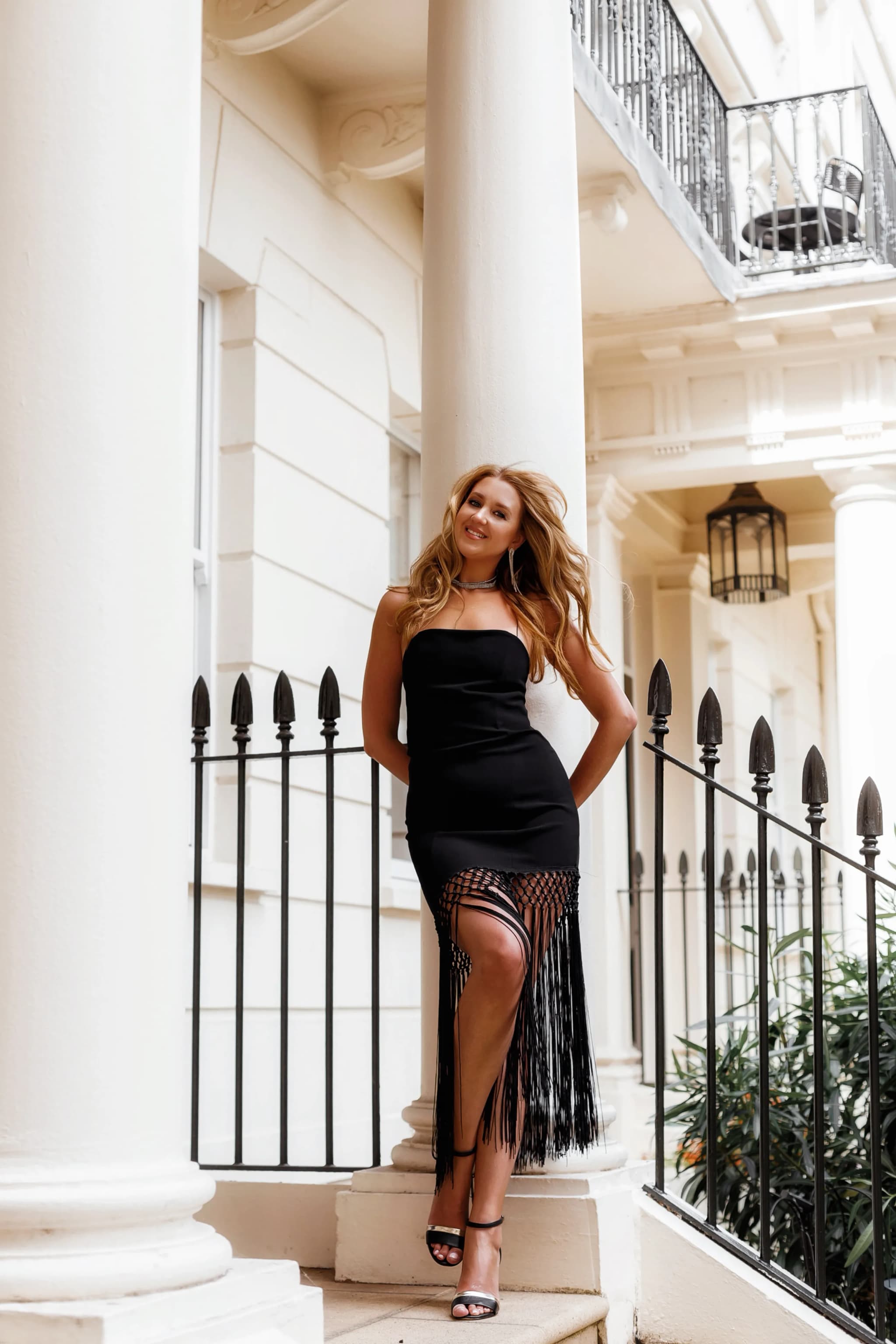


Yana Skakun
Photographer · England
Professional wedding, family and portrait photographer based in England. Passionate about capturing authentic emotions and timeless moments.
About Yana →PhD student photography Cambridgedoctoral portfolio photography CambridgePhD portraits Cambridgeacademic photography Cambridge
Portrait Tips — Portrait Photography in Cambridge & England
Portrait sessions with Yana Skakun are unhurried and personal — designed to produce images that feel genuinely like you, not a performance. Sessions are available in Cambridge, across East England, and at locations throughout the UK. This guide — PhD Student Photography Cambridge: Documenting the Long, Extraordinary Journey — is part of the photography journal: practical, experience-based advice drawn from real sessions across England. Whether you arrived searching for phd student photography cambridge or doctoral portfolio photography cambridge, the same care and attention shapes every session Yana photographs.
Portrait Photography sessions are available year-round, with bookings open across Cambridge, Ely, Huntingdon, Peterborough, and further afield — East England, London, the Midlands, and beyond. If you have specific questions about phd portraits cambridge, mention it in your enquiry. Get in touch through the contact form above to check availability and discuss your session. Enquiries are welcomed from anywhere in the UK.
Frequently Asked Questions
How do I look natural in portrait photos?+
The key is to keep moving — walking, talking, laughing. Still poses often look stiff. A good portrait photographer will direct you gently rather than just pointing and shooting. Take a breath, drop your shoulders, and try to focus on something that makes you happy rather than worrying about how you look.
What should I wear for a portrait session?+
Wear something you feel good in — not something borrowed or brand new that you haven't worn before. Solid colours photograph better than busy patterns. Bring a second outfit for variety. Think about the location: flowing fabrics work beautifully outdoors; tailored looks suit urban settings.
How long does a portrait session take?+
Standard portrait sessions last 60–75 minutes. This allows enough time to warm up, try different locations and poses, and explore a couple of looks without rushing. If you're very camera-shy, a longer session helps — the more relaxed you become, the better the final images.
What locations are best for outdoor portrait photography?+
Gardens, parks, riverside paths, woodland, and areas with interesting architecture all make great portrait backgrounds. The most important factor is light — a location with open shade or soft directional light will always photograph better than a technically beautiful spot in harsh midday sun.
What is the difference between a portrait session and a headshot session?+
Portrait sessions focus on you as a whole person — full-body, three-quarter, and close-up images in a relaxed, often outdoor setting. Headshot sessions focus specifically on professional or actor headshots: face and upper body, often in a controlled setting with consistent, professional lighting.
Continue Reading
Related Articles
Portrait Tips
Glasses and Glare in Photography: How to Get Great Results
6 min read · Read Article
Portrait Tips
Fake Tan Before a Photoshoot: Timing, Application, and What Can Go Wrong
6 min read · Read Article
Portrait Tips
Hair and Makeup for a Photoshoot: What Photographs Well
7 min read · Read Article
Get in Touch
Ready to Book Your Session?
Get in touch to discuss your vision — I'll reply within 24 hours.