Yana Skakun

Plus-Size Couple Posing Guide for Flattering Wedding Photos
By Yana Skakun·10 June 2026·6 min read
I'll let you in on a secret I share with nearly every couple who books me: there is no such thing as an unphotogenic body, only posing and lighting that hasn't been thought through. After years photographing weddings across Cambridgeshire and Suffolk, I've learned that flattering plus-size couples isn't about hiding anything — it's about angles, connection, and a photographer who actually knows what they're doing. Here's how I make sure every couple looks and feels like the most gorgeous version of themselves.
It Starts With How I Light You, Not How You Stand
Before we even talk about poses, I want to be honest about the single biggest factor in flattering photographs: light. Flat, overhead light — the kind you get at midday in a marquee or under harsh barn spotlights — tends to broaden and flatten everyone. Soft, directional light does the opposite. It sculpts, it adds dimension, and it gives the body shape rather than mass.
That's why I'm forever chasing window light and shaded edges of the garden. A Cambridgeshire wedding in soft, overcast British weather is genuinely a gift for me — that grey sky acts like an enormous softbox and wraps you in gentle, even light. When the sun does break through, I'll turn you so it skims across you rather than hitting you head-on, which carves out lovely definition along the jaw and shoulders.
Angles, Distance and the Magic of Looking Up
Most unflattering photos I see online were taken from below, with the camera pointing up. That angle exaggerates the chin and stomach for absolutely everyone, regardless of size. I do the reverse. I shoot from very slightly above eye level for portraits, which lengthens the neck, defines the jawline, and naturally draws the eye upward to your faces — which, after all, is where all the joy is.
I also pay close attention to my lens and my distance. A wide lens held too close distorts and widens whatever is nearest the camera. Instead I step back and use a longer focal length, which compresses the scene flatteringly and keeps your proportions true. These are quiet technical choices you'll never notice on the day, but they make an enormous difference to the final gallery.
Posing That Flatters Every Couple
Good posing is really just good direction. I never bark a list of instructions at you — I guide you into shapes that feel natural and happen to photograph beautifully. The aim is always to create space, lines and connection rather than to suck anyone in. Here are the cues I come back to again and again on a wedding day.
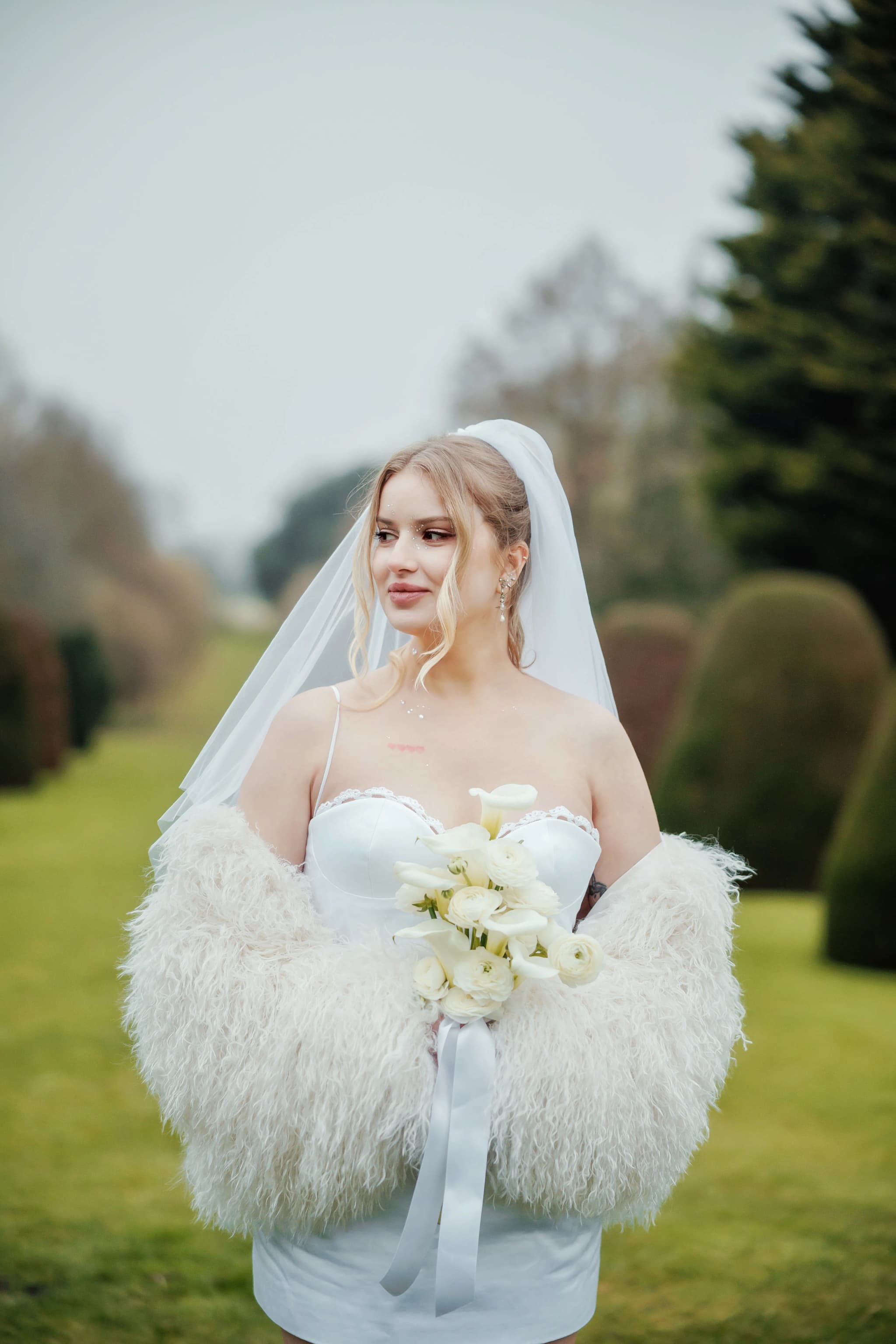
- ◆Turn, don't face: Standing square-on to the lens is the least flattering angle for anyone. I'll turn you both slightly towards each other at around 45 degrees, which slims the silhouette and instantly reads as intimate.
- ◆Create a little gap: Drawing a hand to the waist or resting it on a hip opens a small triangle of space between arm and body. That tiny gap defines the waist and stops arms pressing flat against you.
- ◆Chin forward and down: It feels strange, but easing the chin slightly forward and dropping it a touch sharpens the jawline and erases any softness under the chin for both of you.
- ◆Weight on the back foot: Shifting your weight onto your back leg lifts the chest, lengthens the front line of the body and gives a relaxed, confident stance rather than a braced one.
- ◆Lead with the forehead: When you lean in for a forehead touch or a near-kiss, I ask you to lead with your foreheads and noses, keeping a sliver of light between your faces so neither gets lost.
- ◆Hands with intention: Gentle, purposeful hands — cradling a face, resting on a lapel, fingers laced — look elegant. Stiff, flat or gripping hands draw the eye for the wrong reasons, so I keep them soft.
Movement Beats Standing Still
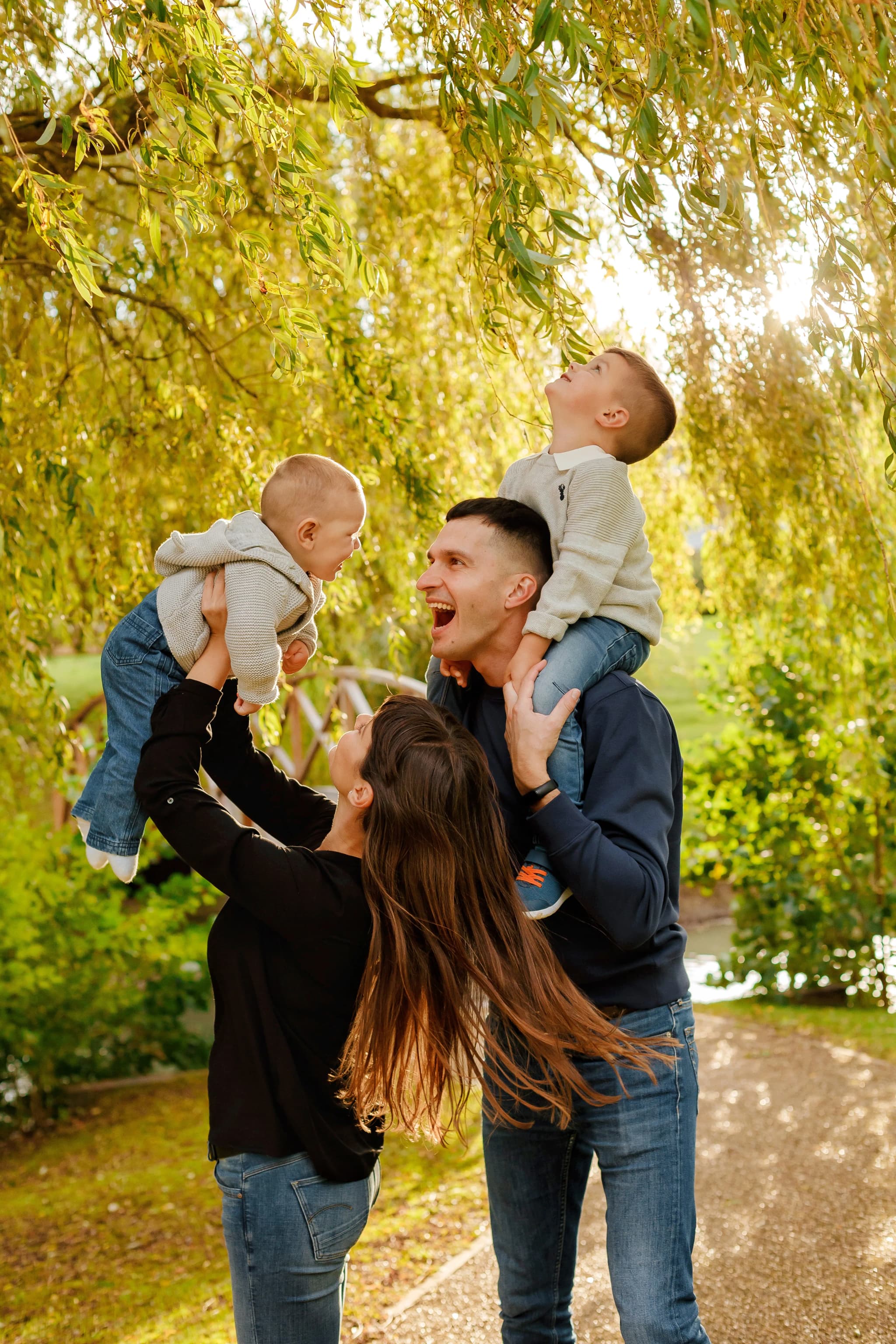
If there's one thing I'd ask you to trust me on, it's this: the best couple photographs are rarely posed statues. They're moments of movement. A slow walk down a Suffolk country lane, a spin under a willow tree, a proper belly laugh because I've said something daft — these are where bodies relax and real chemistry shows up. Movement also keeps everything dynamic, so nothing settles or compresses awkwardly.
Walking shots are my secret weapon. I'll have you stroll towards me hand in hand, looking at each other rather than the lens, and somewhere in those few steps I catch the frame that ends up enlarged on your wall. It works because you're not thinking about your body at all — you're just being a couple in love, which is exactly what I'm there to document.
Confidence Is the Real Secret Ingredient
I can light you perfectly and angle the camera just so, but the photographs that take my breath away are the ones where a couple genuinely forgets to worry. That's my actual job on the day — not just pressing the shutter, but making you feel safe enough to be yourselves. I'll never make you contort or hold something uncomfortable, and I'll always show you a frame or two early on so you can see for yourselves how lovely you look.
Body positivity in wedding photography isn't a trend or a box to tick. It's simply photography done properly, with care and respect for the people in front of the lens. You deserve images that look like the joyful, beautiful day you actually lived — not a version of you edited down to someone else's idea of perfect. When you look back at your gallery in twenty years, I want you to remember exactly how loved and how radiant you felt.
Ready for wedding photos that celebrate exactly who you are?
I photograph warm, relaxed weddings across Cambridgeshire, Suffolk and the surrounding counties, and I'd love to capture the two of you looking and feeling your absolute best.
Check Your Date →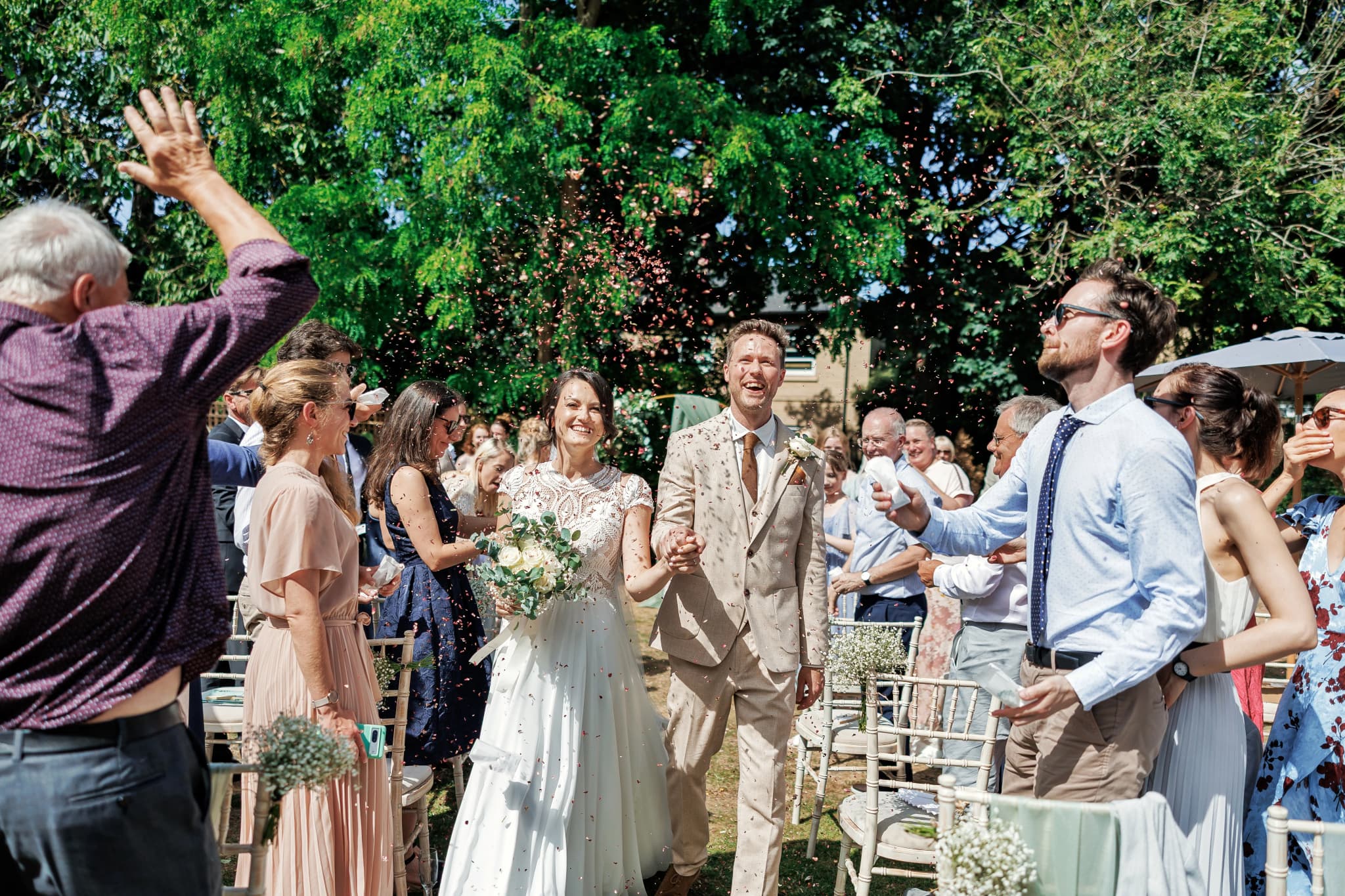

Yana Skakun
Photographer · England
Professional wedding, family and portrait photographer based in England. Passionate about capturing authentic emotions and timeless moments.
About Yana →plussizecoupleposes
Photography Guide — Professional Photography in Cambridge & England
Yana Skakun is a professional photographer based in Cambridge, covering weddings, families, and portraits across England. Every session is personal — planned around your story, your people, and the moments that matter most. This guide — Plus-Size Couple Posing Guide for Flattering Wedding Photos — is part of the photography journal: practical, experience-based advice drawn from real sessions across England. Whether you arrived searching for plus or size, the same care and attention shapes every session Yana photographs.
Professional Photography sessions are available year-round, with bookings open across Cambridge, Ely, Huntingdon, Peterborough, and further afield — East England, London, the Midlands, and beyond. If you have specific questions about couple, mention it in your enquiry. Get in touch through the contact form above to check availability and discuss your session. Enquiries are welcomed from anywhere in the UK.
Frequently Asked Questions
What camera settings should I use for outdoor portraits?+
For outdoor portraits, shoot in aperture priority mode. Use a wide aperture (f/1.8–f/2.8) to blur the background and isolate your subject. Keep ISO as low as possible in good light. In bright conditions, use a neutral density filter or switch to manual to avoid overexposure at wide apertures.
What is the golden hour in photography?+
Golden hour is the period roughly 30–60 minutes after sunrise and before sunset. The sun is low in the sky, producing warm, soft, directional light that flatters skin tones and creates beautiful long shadows. It's widely considered the best natural light for portrait and outdoor photography.
How do you get sharp photos in low light?+
In low light, increase your ISO (accepting some grain), use the widest aperture your lens allows, and slow your shutter speed to the slowest you can hand-hold without camera shake (roughly 1/focal length as a guide). Use image stabilisation if available, and consider a tripod for static subjects.
What is the rule of thirds in photography?+
The rule of thirds divides the frame into a 3×3 grid. Placing your subject on one of the four intersection points — rather than dead centre — creates a more dynamic, visually interesting composition. It's a guideline, not a rule: some of the most powerful images break it deliberately.
How do you edit photos to look professional?+
Professional editing starts with shooting in RAW format. In Lightroom or similar software, correct exposure, white balance, and contrast first. Recover shadow and highlight detail. Apply gentle colour grading for mood. Be conservative with skin retouching — the goal is natural enhancement, not transformation. Consistency across a set of images is what separates professional from amateur editing.
Continue Reading
Related Articles


Get in Touch
Ready to Book Your Session?
Get in touch to discuss your vision — I'll reply within 24 hours.