Yana Skakun

Lenses Explained: Why Professional Wedding Photography Looks Different
By Yana Skakun·10 June 2026·6 min read
Couples often ask me why their professional wedding photos look so different from the ones their guests snapped on the day. The honest answer rarely has anything to do with a secret editing trick. More often than not, it comes down to glass — the lenses I carry, and specifically the way professional wedding photography lenses render light, depth and skin in a way a phone simply cannot.
It Starts With the Aperture, Not the Camera
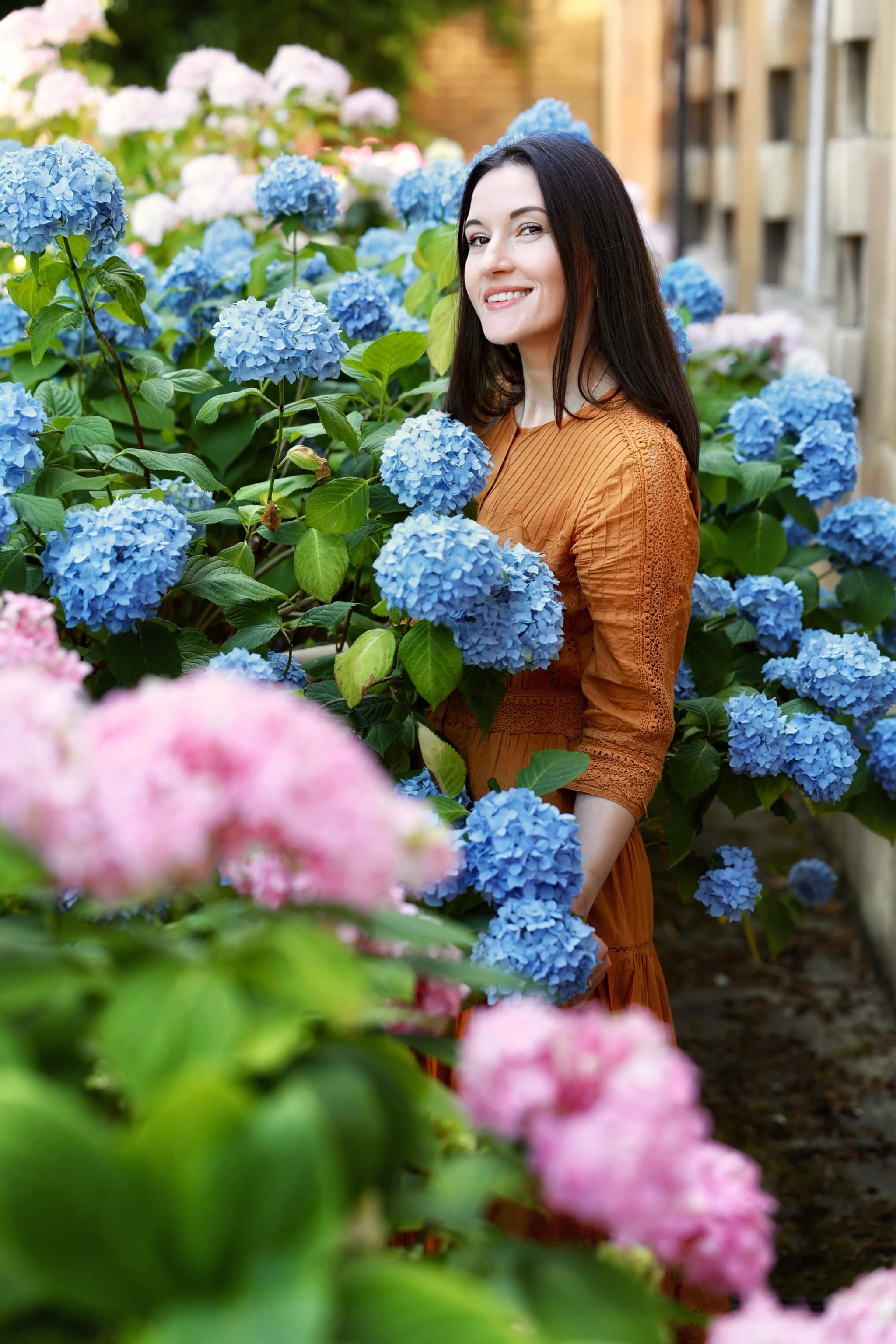
The single biggest difference between a snapshot and a frame I'm proud to deliver is aperture — how wide the lens opens to let light in. Most phone cameras and kit lenses sit around f/2.8 to f/4, which is perfectly fine in good light. My favourite portrait lenses open all the way to f/1.4 or f/1.8, gathering several times more light and throwing the background into that soft, creamy blur photographers call bokeh.
That wide aperture does two things at once. It isolates the couple from a busy background, so a cluttered marquee or a crowded Cambridge college courtyard melts away into colour and tone. And it lets me keep shooting in low light without dragging the shutter or cranking the ISO into noisy territory. When the candles come out during a winter ceremony in a Suffolk barn, that extra stop of light is the difference between a usable photograph and a blurry one.
Why I Reach for Primes on a Wedding Day
A prime lens has a fixed focal length — it doesn't zoom. That sounds like a limitation, and on a chaotic wedding day it can feel like one. But primes are the sharpest, fastest, most beautifully rendered lenses a photographer can own, precisely because the engineers aren't compromising the optics to make them zoom. The result is genuine clarity in the eyes, gentle falloff around the edges, and a three-dimensional quality that flatters every face.
Working with primes also changes how I shoot. Because I can't zoom, I move — I step closer for an intimate moment, I back off for the wide context of a Cambridgeshire field at golden hour. That physical involvement keeps me present and reading the room rather than standing in one spot fiddling with a zoom ring. Couples tell me afterwards they barely noticed me, and a lot of that comes from the way primes force me to work quietly and deliberately.
The Lenses I Actually Carry
There's no single perfect lens for a wedding, which is why I work with a small, considered kit rather than one do-everything zoom. Each piece of glass earns its place by doing one job exceptionally well. Here is what tends to live in my bag on a typical day across East Anglia.
- ◆35mm f/1.4: My storytelling lens. Wide enough to capture the room and the atmosphere, fast enough for dim church interiors and first dances without flash.
- ◆50mm f/1.4: The classic. It sees roughly what the human eye sees, so the images feel natural and unforced — perfect for candid moments during the reception.
- ◆85mm f/1.8: My portrait workhorse. The longer reach compresses the background into buttery softness and flatters facial features beautifully for couple shots.
- ◆135mm f/2: For ceremonies. I stand discreetly at the back yet still fill the frame with emotion, never intruding on a private exchange of vows.
- ◆24mm f/1.4: For grand venues and big group shots, plus dramatic wide skies when a Suffolk sunset decides to put on a show.
- ◆100mm macro: The detail lens. Rings, lace, calligraphy and buttonholes shot close enough to reveal texture most people never notice in person.
How Fast Glass Survives the British Weather
If you're marrying in the UK, you already know the forecast is a gamble. A bright morning can turn to drizzle by the time the confetti comes out, and ceremonies in our older churches and barns are often genuinely dark inside even at midday. Fast lenses are what let me keep delivering clean, warm images when the light disappears.
On an overcast Cambridgeshire afternoon, a phone or kit lens will quietly raise the ISO and soften everything to compensate. My f/1.4 primes pull in so much more light that I can hold a low ISO, keep the shutter quick enough to freeze a laugh, and still render skin tones honestly. That's why pro work looks consistent across a whole day — the bright garden portraits and the candlelit speeches feel like they belong to the same wedding, because the glass never ran out of light.
What This Means for Your Photos
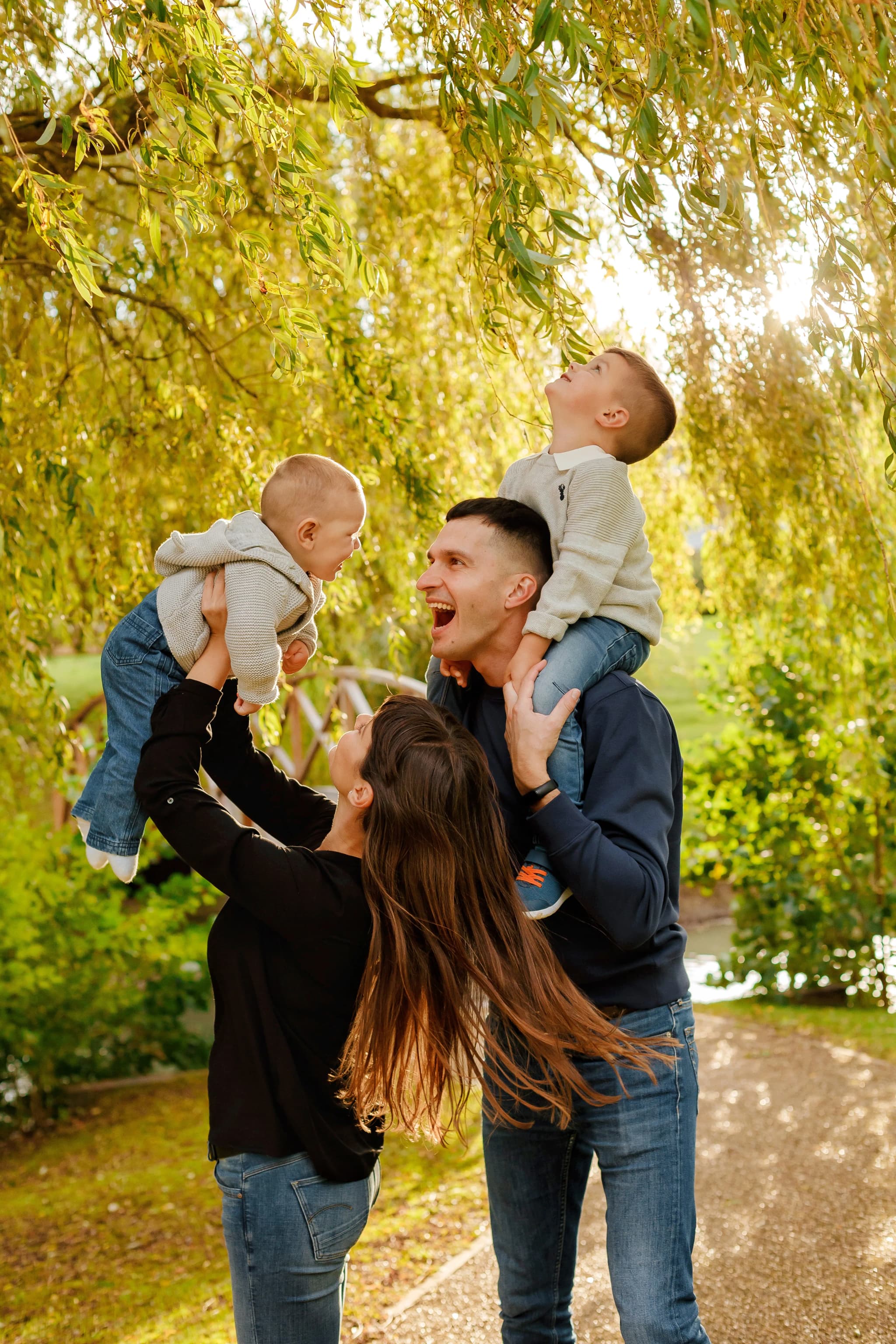
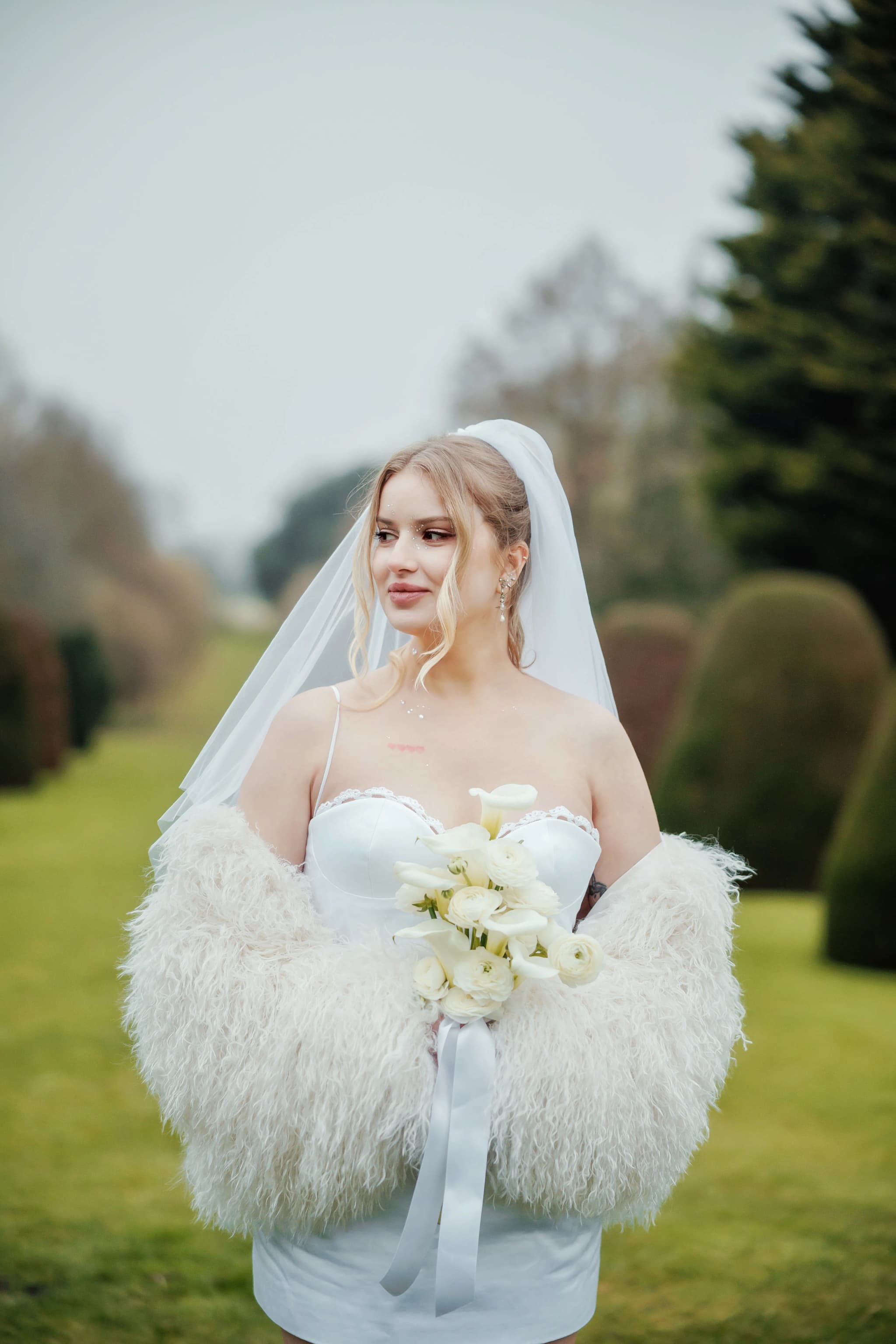
Lenses aren't about gear-bragging. They're the reason your portraits will have depth, your guests will glow rather than turn grey under marquee lighting, and the back of a noisy reception will dissolve into something painterly. The look you're drawn to when you browse photographers' galleries — that depth, that softness, that sense of the couple stepping forward out of the frame — is largely the signature of fast primes used by someone who knows how to place them.
When you're comparing photographers, you don't need to memorise focal lengths. But it's worth asking how someone handles low light and whether they shoot with prime lenses, because the answer tells you a great deal about the images you'll be living with on your walls for decades. Good glass, used with care, is what makes a wedding day look the way you remember feeling it.
Want photographs that look like the galleries you keep coming back to?
I photograph weddings across Cambridgeshire, Suffolk and the wider East of England with fast prime lenses built for our unpredictable light. Let's talk about your day.
Check Your Date →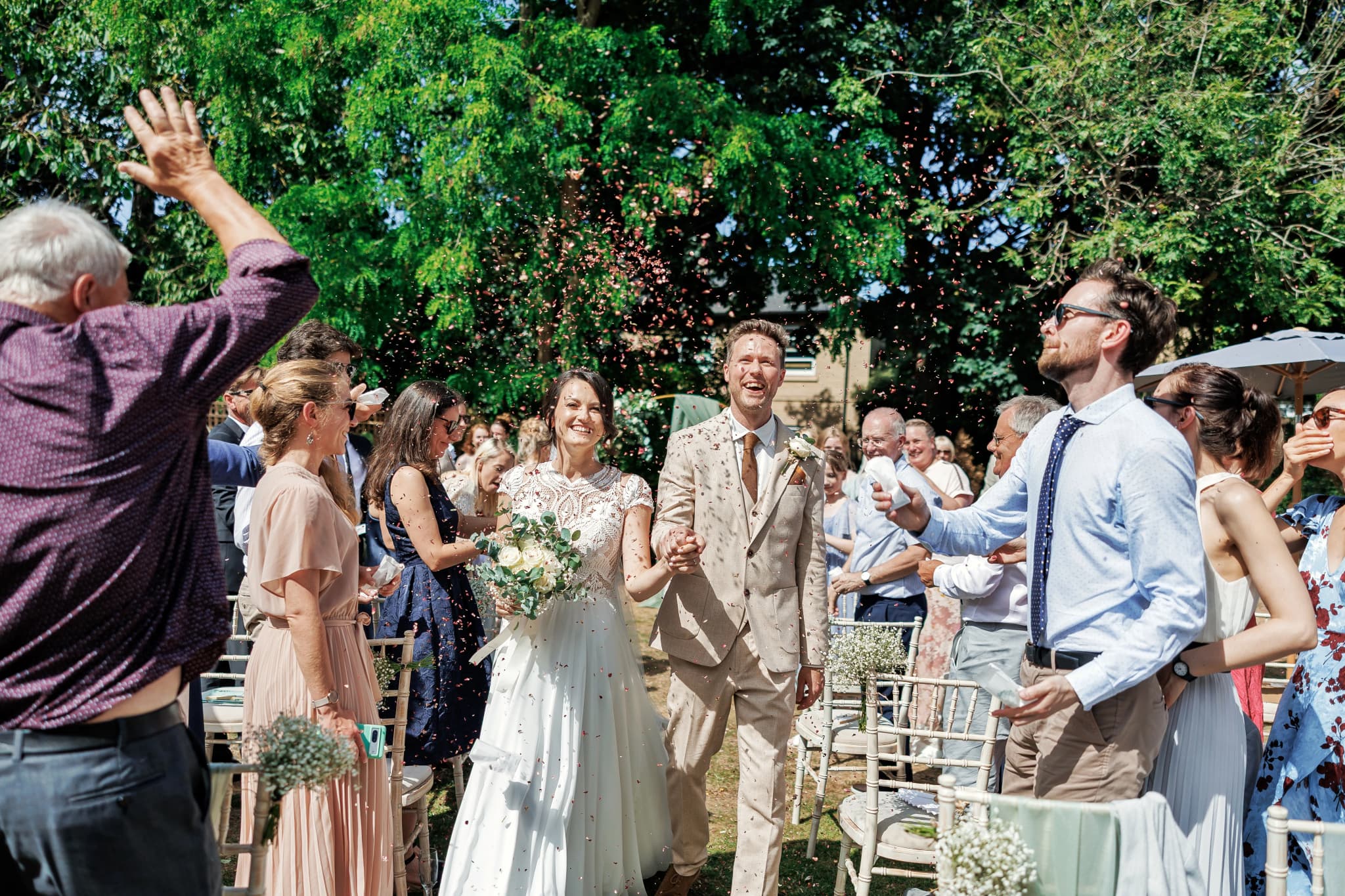

Yana Skakun
Photographer · England
Professional wedding, family and portrait photographer based in England. Passionate about capturing authentic emotions and timeless moments.
About Yana →professionalweddingphotographylenses
Behind the Scenes — Professional Photography in Cambridge & England
Yana Skakun is a professional photographer based in Cambridge, covering weddings, families, and portraits across England. Every session is personal — planned around your story, your people, and the moments that matter most. This guide — Lenses Explained: Why Professional Wedding Photography Looks Different — is part of the photography journal: practical, experience-based advice drawn from real sessions across England. Whether you arrived searching for professional or wedding, the same care and attention shapes every session Yana photographs.
Professional Photography sessions are available year-round, with bookings open across Cambridge, Ely, Huntingdon, Peterborough, and further afield — East England, London, the Midlands, and beyond. If you have specific questions about photography, mention it in your enquiry. Get in touch through the contact form above to check availability and discuss your session. Enquiries are welcomed from anywhere in the UK.
Frequently Asked Questions
What does a photographer carry in their camera bag?+
A professional wedding or portrait photographer typically carries at least two camera bodies (primary and backup), 3–5 lenses covering wide to telephoto, multiple flash units, batteries and memory cards, a laptop for tethering if shooting in studio, and various accessories. The exact kit depends on the assignment and shooting conditions.
How do photographers edit their photos?+
Most photographers shoot in RAW format and use Adobe Lightroom for primary culling, colour grading, and global adjustments. Photoshop is used for detailed retouching where needed. Many photographers develop custom presets that establish their signature colour palette, then fine-tune each image individually. A typical wedding gallery of 600 images can take 20–40 hours to edit.
How long does it take to receive wedding photos?+
Most professional wedding photographers deliver final edited galleries within 4–8 weeks of the wedding date. Some offer 6–10 week turnaround, particularly during peak season when workload is highest. Discuss expected delivery timelines before booking and confirm it in your contract.
What backup systems do professional photographers use?+
Professional photographers back up images immediately after a shoot, often using dual-card capture during the wedding day itself (if the camera supports it). After the event, files are backed up to at least two separate drives and often a cloud service. Losing a client's images is a career-ending event — every working professional takes data security extremely seriously.
Do wedding photographers watermark their photos?+
Professional photographers typically do not watermark the digital files delivered to clients. Watermarks on personal images are inconvenient for clients and look unprofessional. Watermarking is more common on low-resolution online preview images or social media posts, but delivered gallery images are usually clean and ready to print.
Continue Reading
Related Articles
Behind the Scenes
Behind the scenes: A spring wedding in Cambridgeshire
8 min read · Read Article

Behind the Scenes
Carbon Neutral Wedding Photographer: How I Offset My Travel Emissions
6 min read · Read Article

Behind the Scenes
What is an Eco-Friendly Wedding Photographer? (My Commitment)
6 min read · Read Article
Get in Touch
Ready to Book Your Session?
Get in touch to discuss your vision — I'll reply within 24 hours.