Yana Skakun

Professional Headshots for Professors and Academic Leaders
By Yana Skakun·22 July 2025·5 min read
A full professor, chair, or head of department occupies one of the most publicly visible positions in academic life, and yet their photograph is often the last thing anyone thinks about. Beyond the research and teaching that define a scholarly career, professors at research-intensive universities are increasingly public figures — invited to give evidence to parliamentary select committees, quoted in national and international media, asked to deliver keynote addresses at major conferences, and expected to represent their institution in the most demanding public contexts. The photograph attached to all of that activity is doing more work than most academics realise, and it is worth treating with the same care as the CV or the research statement.
Why the Professorial Headshot Matters More Than It Used To
Twenty years ago, an academic's photograph appeared in one place: a staff directory page, usually a small, low-resolution image taken on a departmental camera in a corridor. Today the same photograph is expected to work across a university profile page, a personal website, a book jacket, a conference programme, a funding body's public-facing announcement, a LinkedIn profile, and, for professors with any media profile, newspaper and broadcast graphics. Each of these contexts has different technical requirements — different crops, different resolutions, different backgrounds — but they all draw on the same source photograph, and if that photograph is dated, poorly lit, or simply the wrong tone for the role, it undermines every context it appears in.
There is also a simple matter of parity. Search for any senior professor at a Russell Group university and you will often find a photograph that is a decade old, taken in different lighting from every other photograph the person appears alongside on a departmental page. Junior colleagues, by contrast, frequently have more recent and more professionally shot images, simply because they have had headshots done more recently for job applications or fellowship submissions. A current, well-executed headshot closes that gap and ensures a professor's photograph is doing justice to their seniority rather than working against it.
Chairs and Heads of Department
Professors holding named chairs — the highest level of academic seniority in UK universities — and heads of academic departments carry institutional representation responsibilities that go well beyond their own research group. A head of department's photograph appears on the department's "Meet the Team" or leadership page, in annual reports circulated to alumni and donors, and often in materials aimed at prospective students and their parents. That photograph needs to communicate two things simultaneously: the depth of scholarly authority that comes with the role, and an approachability that makes the department feel welcoming rather than intimidating.
In practice this means a headshot session for a chair or head of department benefits from a slightly different approach than a standard corporate headshot. I generally shoot a mix of a classic, direct-to-camera portrait — the version that will anchor the university profile page and any formal use — alongside a second, slightly more relaxed set with a softer expression and perhaps a partial turn or a seated pose, which tends to work better for newsletters, welcome messages, and anything aimed at students rather than external stakeholders. Having both in the same session, shot in the same clothing and the same light, means the two versions read as consistent rather than jarringly different.
Media and Public Commentary
Professors who are regularly quoted in national or international media, who appear on BBC or Sky programmes as expert commentators, or who contribute to public policy debate have a specific and quite demanding requirement: a photograph that works in editorial contexts. Newspapers and broadcasters typically want a headshot that can be cropped tightly for a small byline image and also used larger for a profile feature, which means the framing needs headroom on both counts and the background needs to be clean enough that a picture desk is not fighting it. A photograph shot too tightly, with a busy or distracting background, or with the subject looking away from camera, is far less likely to be used well — or used at all — when a journalist is choosing an image on a deadline.
I shoot editorial-oriented headshots with this in mind: a neutral or softly graduated background, a direct and confident gaze, and enough space around the subject that a picture editor has room to work with rather than a fixed, uncroppable frame. For academics who are approached by media relations teams at short notice — often the case around a report launch, a select committee appearance, or a breaking news story in their field — having a current, high-resolution, editorially usable photograph already on file saves a great deal of last-minute scrambling for a usable image.
Published Authors and Public Intellectuals
Professors publishing books with academic or trade publishers need what is, in effect, an author photograph — the image that will appear on the inside back cover, on the publisher's website, in literary festival programmes, and at public talks. Publishers generally have quite specific technical requirements for these: a particular aspect ratio, a plain or softly toned background that will not clash with cover design, and a mood that suits the subject matter of the book, whether that is a serious academic monograph or a more accessible trade title aimed at a general readership.
A headshot that works both as a university profile photograph and as an author photograph is a genuinely efficient investment for academics who are communicating to scholarly and public audiences at the same time, which describes a growing number of professors as universities place more emphasis on public engagement and impact. Rather than commissioning separate photography for the department website and the book jacket, a single well-planned session can produce both, shot with slightly different framing and, if useful, a couple of background or clothing variations within the same appointment.
What a Session Actually Involves
For most academic clients I offer sessions either at my Cambridge studio or on location at the university or college, and each has its advantages. A studio session gives full control over lighting and background, which is particularly useful when the same image needs to work across several different formal contexts and consistency matters more than atmosphere. An on-location session — in a college court, a departmental library, or an office with good natural light — can produce a photograph with a bit more character and a genuine sense of place, which suits professors whose public profile is closely tied to a particular institution or building.
Sessions are generally brief — most professors have limited time between teaching, supervision, and administrative commitments, and a well-run headshot session should not need to take up an entire afternoon. I typically plan for a focused slot that allows time for a change of outfit if useful, a handful of different poses and expressions, and enough frames to give a genuine choice at the edit stage without the session dragging on. Clothing advice is simple: solid colours read better than patterns, especially for anything that might be used small in print or on a mobile screen, and it is worth bringing a jacket or blazer even if the rest of the outfit is more casual, since it lifts the sense of formality without requiring full academic dress.
Professor and academic leadership headshots in Cambridge
Professional photography for professors, chairs, heads of department, and public-facing academics — images built to work across university profiles, media, and book jackets alike.
Enquire about a headshot sessionDelivery and Ongoing Use
Because a professor's headshot ends up in so many different places — university systems, personal websites, conference organisers' databases, publisher archives — I deliver a set of edited images in multiple crops and resolutions rather than a single flat file. This typically includes a square crop for social and directory use, a portrait crop with headroom for editorial and print use, and full-resolution files suitable for large-format printing on conference banners or programme covers. Delivering the full set at the outset means a professor, or their department's communications team, is not coming back for a re-crop or a re-export every time a new context comes up.
It is also worth planning to refresh a professorial headshot roughly every three to five years, or sooner after any significant change in role — promotion to a chair, appointment as head of department, or a step up in public profile following a major publication or media moment. A photograph that was accurate and appropriate a decade ago rarely still is, and updating it is a small, quick investment relative to the number of contexts in which it will continue to appear.
A professor's photograph is a small detail in the context of an academic career built on decades of research and teaching, but it is also one of the most visible and most frequently seen parts of that career, appearing wherever their name does. A photograph that reflects genuine authority and approachability, shot with care and delivered in a form that works across every context it needs to serve, is worth the modest time it takes to arrange. If you are a professor, chair, head of department, or academic author based in or visiting Cambridge and would like to discuss a headshot session, get in touch and I would be glad to talk through what would work best for your particular mix of public roles.
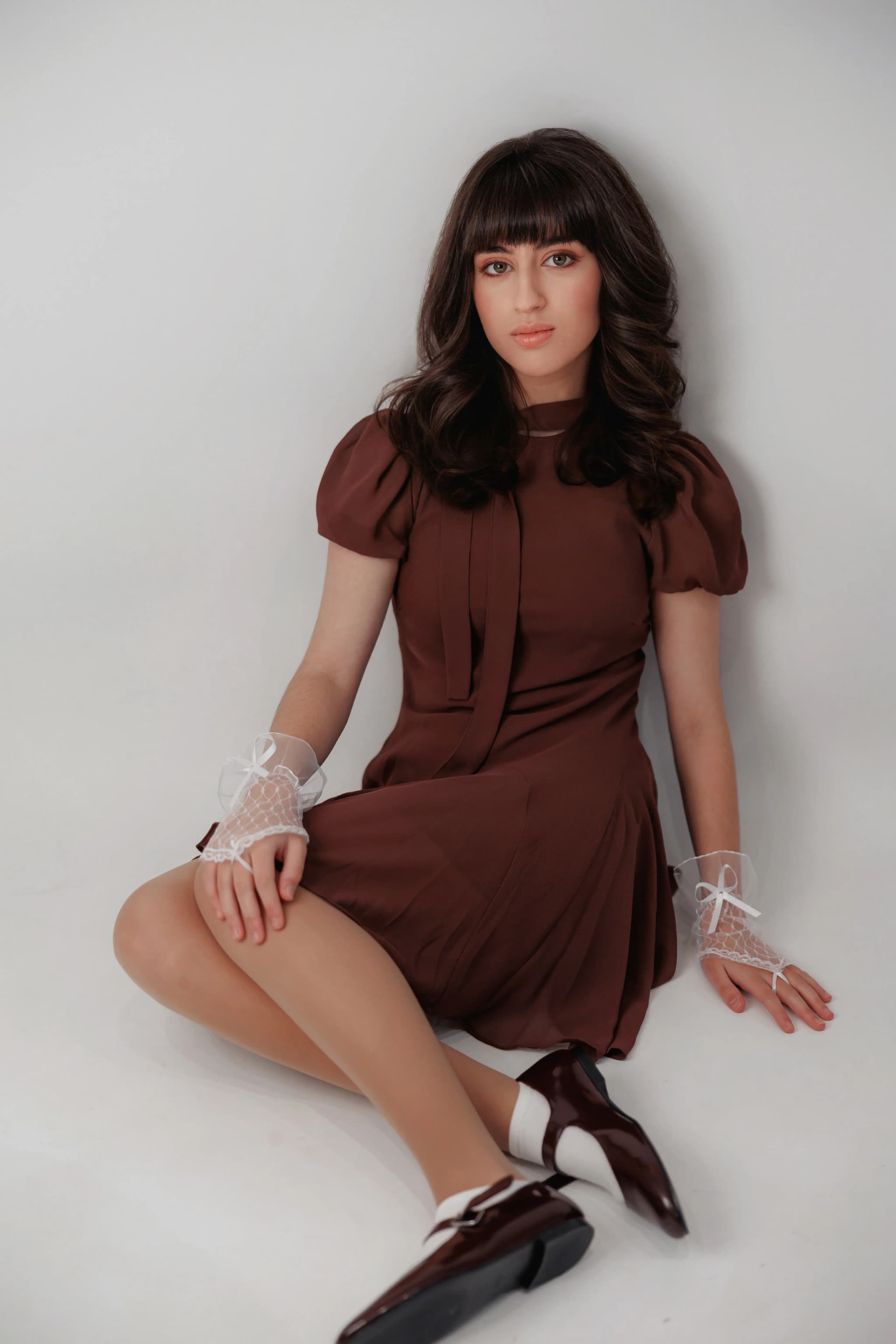
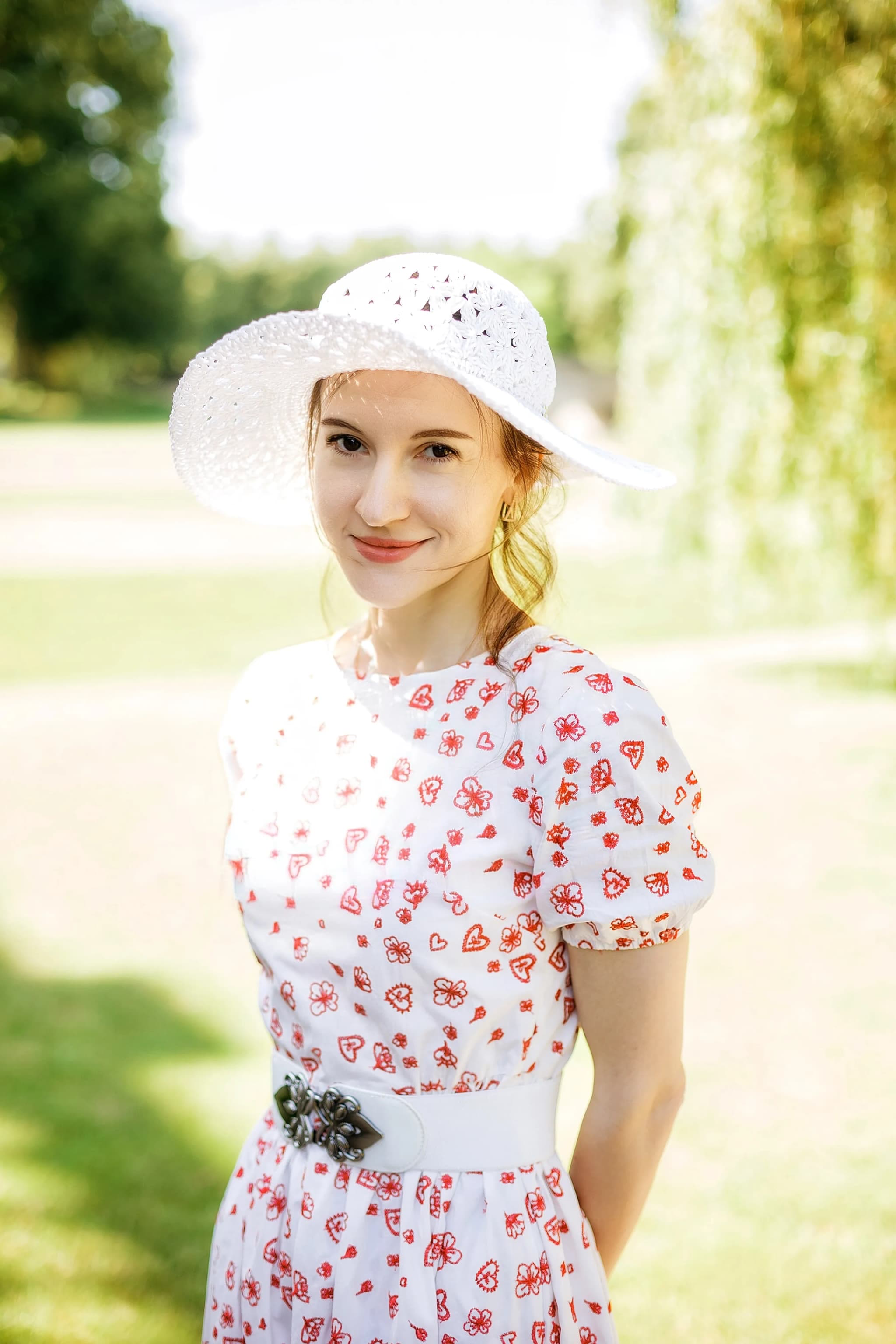
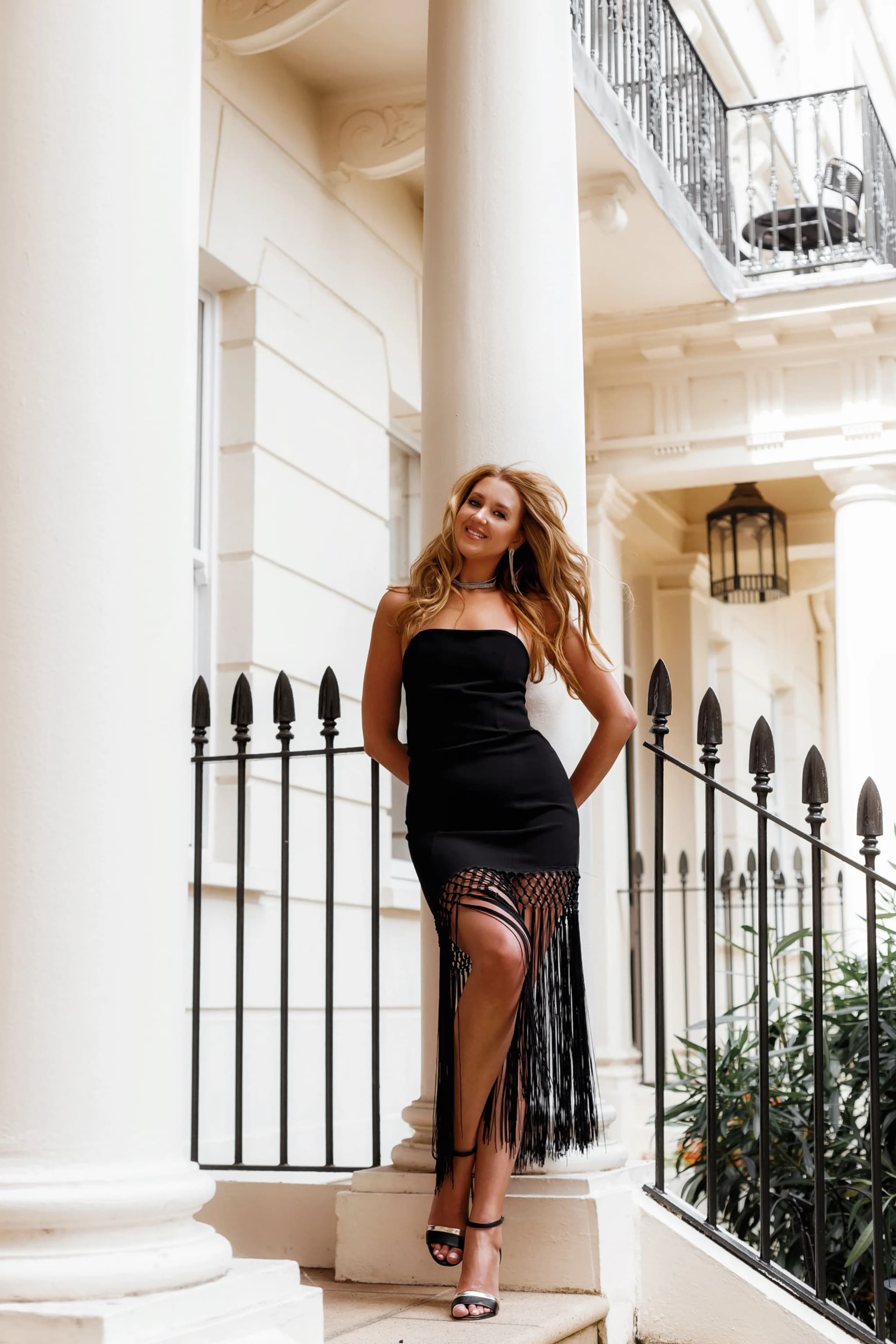
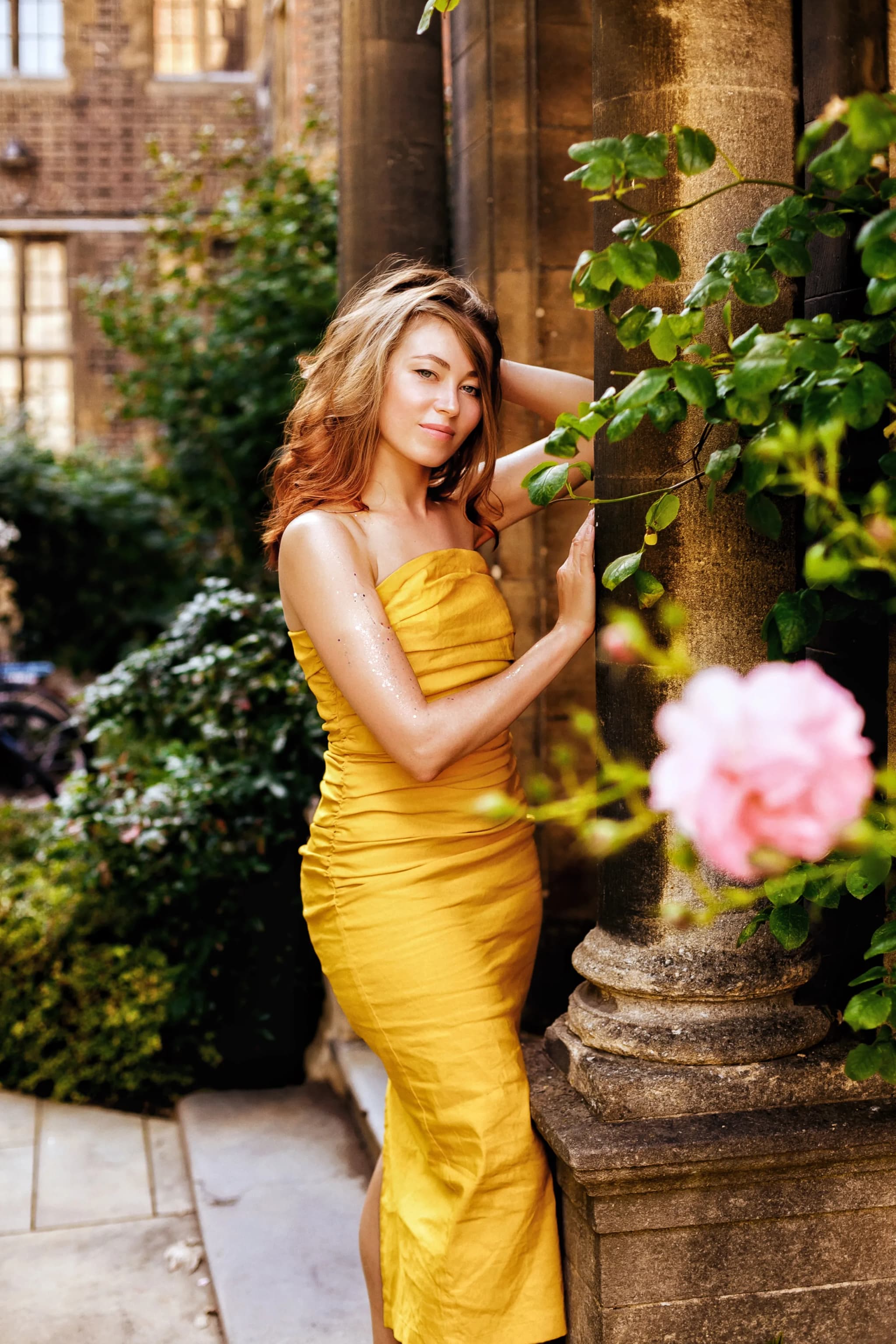

Yana Skakun
Photographer · England
Professional wedding, family and portrait photographer based in England. Passionate about capturing authentic emotions and timeless moments.
About Yana →professor headshots UKacademic leader photographyhead of department headshotCambridge professor photographerpublic intellectual photo
Headshot Tips — Professional Headshot Photography in Cambridge & England
Professional headshot sessions with Yana Skakun are clean, efficient, and designed to produce images that represent you authentically across every professional context — LinkedIn, company websites, speaker profiles, and press. Sessions available in Cambridge and across England. This guide — Professional Headshots for Professors and Academic Leaders — is part of the photography journal: practical, experience-based advice drawn from real sessions across England. Whether you arrived searching for professor headshots uk or academic leader photography, the same care and attention shapes every session Yana photographs.
Professional Headshot Photography sessions are available year-round, with bookings open across Cambridge, Ely, Huntingdon, Peterborough, and further afield — East England, London, the Midlands, and beyond. If you have specific questions about head of department headshot, mention it in your enquiry. Get in touch through the contact form above to check availability and discuss your session. Enquiries are welcomed from anywhere in the UK.
Frequently Asked Questions
What should I wear for a professional headshot?+
Solid colours photograph better than patterns. Navy, grey, charcoal, and burgundy are universally flattering. Avoid white (creates exposure issues), black (can look flat), and bright neons. Make sure your clothing fits well and is freshly pressed. Bring 2–3 outfit options to give yourself variety.
How do I prepare for a headshot session?+
Get a good night's sleep. Stay hydrated in the days before. If you're having hair and makeup done, schedule it for the morning of the shoot. Bring the clothes you plan to wear on a hanger. Arrive 10 minutes early to settle in before the camera comes out. Most importantly — don't stress. A good photographer will guide you.
How long does a professional headshot session take?+
A standard headshot session takes 30–60 minutes. This covers 2–3 outfits and multiple expressions and angles. Corporate team headshots at a single location can be scheduled at 15–20 minutes per person.
How often should you update your professional headshot?+
Every 2–3 years, or whenever your appearance changes significantly — new hairstyle, weight change, or notable ageing. Your headshot should look like you when you walk into a meeting, not like you five years ago. Outdated headshots undermine trust, particularly in client-facing roles.
What is the difference between a headshot and a business portrait?+
A headshot is a tight crop of the face and upper chest, focused entirely on professional presence and approachability. A business portrait typically includes more of the body and often incorporates environment or context — an office setting, equipment, or a workspace that communicates your profession.
Continue Reading
Related Articles

Headshot Tips
LinkedIn Headshots for Cambridge Graduates: Start Your Career With the Right First Impression
7 min read · Read Article
Headshot Tips
Professional Photography for Small Businesses: The Complete Guide
12 min read · Read Article
Headshot Tips
Corporate Team Photography: Professional Headshots for Your Entire Organisation
9 min read · Read Article
Get in Touch
Ready to Book Your Session?
Get in touch to discuss your vision — I'll reply within 24 hours.