Yana Skakun

Pub Wedding Photography: Relaxed and Informal London Venues
By Yana Skakun·10 June 2026·6 min read
Some of my favourite weddings haven't happened in grand country houses or marquee-filled meadows — they've happened upstairs in a London pub, with mismatched chairs, fairy lights tangled round a beam, and a landlord pulling pints for the couple's nearest and dearest. Pub weddings have quietly become one of the most characterful ways to marry in the capital, and as a photographer they give me everything I love: warmth, honesty, and people who are far too busy enjoying themselves to worry about posing.
If you're planning a relaxed celebration and the idea of a cavernous hotel ballroom leaves you cold, this guide is for you. I'll walk through why London's pubs work so beautifully on camera, how I shoot in their gloriously imperfect light, and the practical things worth knowing before you book.
Why London pubs make brilliant wedding venues
London is spoiled for pubs with proper soul — from creaking Victorian taverns in Clerkenwell and Spitalfields to riverside spots in Hammersmith and Greenwich where the Thames does half the styling for you. What sets them apart is that nobody has to pretend. There's no enormous room to fill, no awkward distance between the top table and the dance floor. Everyone is close, the bar is never far, and the atmosphere builds itself.
That intimacy is gold for documentary photography. When guests are packed elbow-to-elbow around a long table, I'm catching the across-the-room glances, the belly laughs, the best man going slightly green before his speech. A pub gives me a single, story-rich stage rather than a sprawling venue where the moments scatter. Many London pubs also come with a function room or a whole upstairs you can take over, so you get the buzz of a public house without strangers wandering through your first dance.
Travelling in from Cambridge, I shoot a lot across Cambridgeshire and Suffolk, and the same charm holds in our village inns — but London adds something extra: the contrast of a centuries-old snug against a glittering city skyline ten minutes' walk away.
Working with cosy, low light
Let's be honest about the one thing pubs aren't: bright. Low ceilings, dark wood panelling, leaded windows and the odd flickering candle make for atmospheric evenings and genuinely tricky exposures. This is exactly why a pub wedding rewards a photographer who knows how to read difficult light rather than fight it.
I shoot on fast prime lenses built for dim interiors, and I lean into the glow rather than blasting it away. Those warm tungsten tones, the pools of light from pendant lamps, the candlelit speeches — that's the mood you booked the venue for, so I protect it. When I do add light, I bounce it off a ceiling or a wall so it feels natural, never like a deer caught in headlights. The result is images that feel like the night actually felt: golden, close, and a little bit electric.
Making the most of cosy, character-filled corners
The detail is where pubs really earn their keep. A good London boozer is layered with texture — etched glass, brass taps, hand-pumps, vintage signage, shelves of bottles catching the light. I treat these as a built-in set, weaving them through the day so your gallery has a real sense of place rather than looking like it could have happened anywhere.
Here are the corners and moments I'm always hunting for in a pub wedding:
- ◆The bar: Couples pulling their own celebratory pint, guests crowding in for a round, the landlord raising a glass — pure, unposed joy.
- ◆The snug: A quiet little nook is perfect for an intimate couple portrait without dragging you away from the party for long.
- ◆Window light: Leaded and stained glass throws beautiful, painterly light; I'll position the speeches or a first look nearby whenever I can.
- ◆The beer garden: Even a small London courtyard or terrace gives breathing room for group shots and a breath of air between courses.
- ◆Handwritten touches: Chalkboard menus, table plans on beer mats, signage — the homemade details that make a pub wedding feel utterly personal.
- ◆The lock-in feel: Late-evening, doors-shut, just-your-people energy is when the most uninhibited dance-floor frames happen.
Practical things worth knowing before you book
A few practicalities go a long way. First, check whether the pub is licensed for civil ceremonies or whether you'll marry at a nearby register office and head back for the reception — plenty of London couples do the latter, which gives me a lovely chance to grab confetti and street portraits on the walk between the two.
Second, talk to the venue about exclusivity and timings. Taking over the whole pub, or at least the upstairs, means no surprise punters in your photos. Ask when you get access for set-up, and whether there's a curfew — London noise restrictions can mean an earlier finish than a rural venue, so build your evening schedule around it.
Third, plan for British weather. That little beer garden you were counting on for group shots can vanish under drizzle in seconds, so it's worth knowing your indoor fallback. I always scope the space beforehand precisely so a sudden downpour never derails the plan — some of my best frames have come from a rain-spattered window and a couple sharing an umbrella outside the front door.
My approach to your day
My style is unobtrusive and documentary. At a pub wedding that matters more than ever, because the whole appeal is that nothing feels staged. I'll grab a handful of relaxed portraits when the light is right, then melt into the background so you can actually enjoy your own party — the laughter, the singalong, the dodgy dancing as the night winds down.
Whether your venue is a Georgian gem in Borough, a cosy local in Stoke Newington, or a riverside inn out towards the city's edge, my job is to bottle the feeling of the room and hand it back to you for life. Pub weddings are warm, generous and a little bit cheeky — and that's exactly the energy I want your photographs to carry.
Planning a relaxed pub wedding in London?
I'd love to hear about your venue and your plans, and tell you how I'd capture the warmth of the day. Cambridge-based and happy to travel into London and across the South East.
Check Your Date →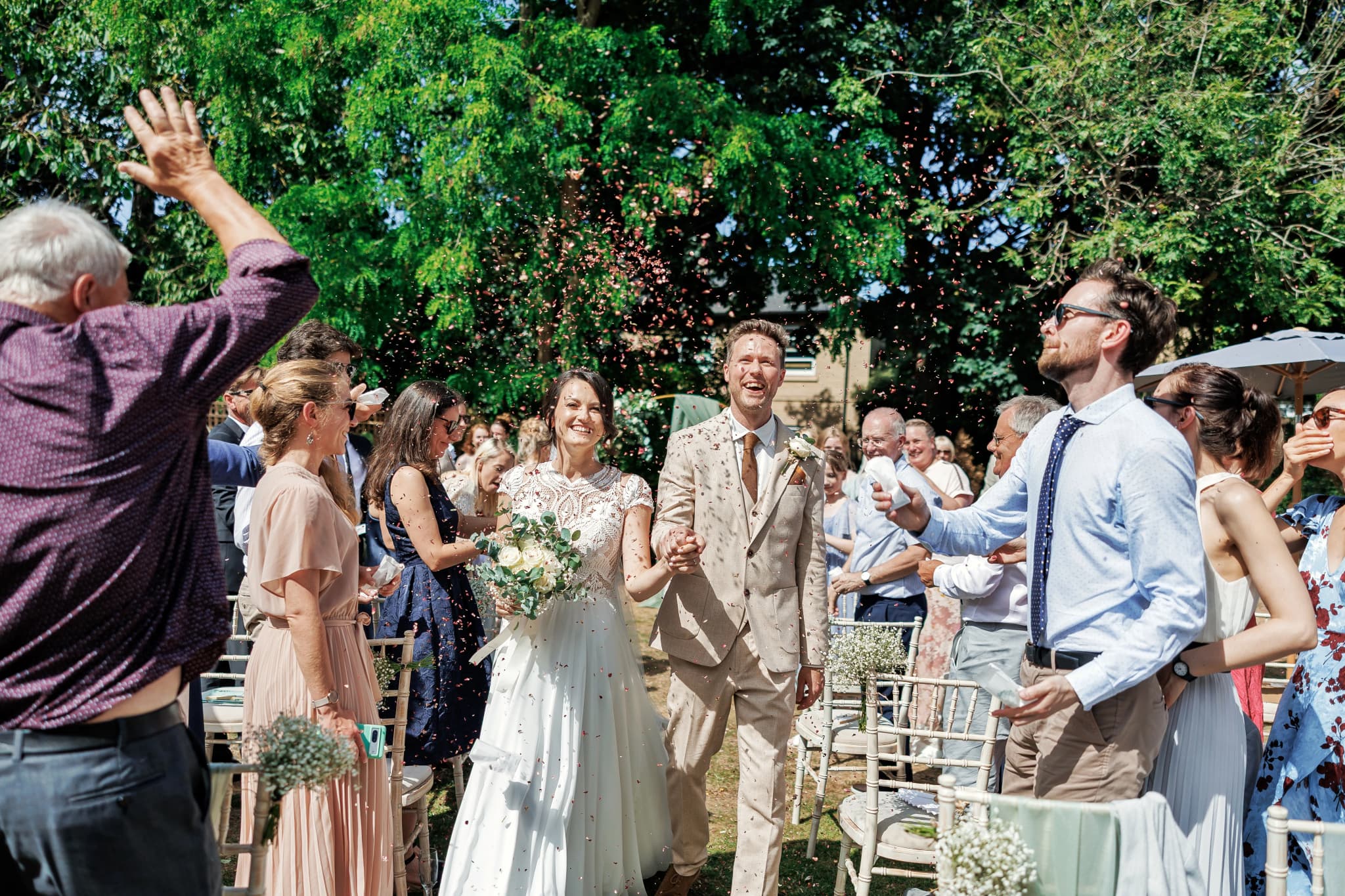

Yana Skakun
Photographer · England
Professional wedding, family and portrait photographer based in England. Passionate about capturing authentic emotions and timeless moments.
About Yana →pubweddingphotographylondon
Photography Guide — Professional Photography in Cambridge & England
Yana Skakun is a professional photographer based in Cambridge, covering weddings, families, and portraits across England. Every session is personal — planned around your story, your people, and the moments that matter most. This guide — Pub Wedding Photography: Relaxed and Informal London Venues — is part of the photography journal: practical, experience-based advice drawn from real sessions across England. Whether you arrived searching for pub or wedding, the same care and attention shapes every session Yana photographs.
Professional Photography sessions are available year-round, with bookings open across Cambridge, Ely, Huntingdon, Peterborough, and further afield — East England, London, the Midlands, and beyond. If you have specific questions about photography, mention it in your enquiry. Get in touch through the contact form above to check availability and discuss your session. Enquiries are welcomed from anywhere in the UK.
Frequently Asked Questions
What camera settings should I use for outdoor portraits?+
For outdoor portraits, shoot in aperture priority mode. Use a wide aperture (f/1.8–f/2.8) to blur the background and isolate your subject. Keep ISO as low as possible in good light. In bright conditions, use a neutral density filter or switch to manual to avoid overexposure at wide apertures.
What is the golden hour in photography?+
Golden hour is the period roughly 30–60 minutes after sunrise and before sunset. The sun is low in the sky, producing warm, soft, directional light that flatters skin tones and creates beautiful long shadows. It's widely considered the best natural light for portrait and outdoor photography.
How do you get sharp photos in low light?+
In low light, increase your ISO (accepting some grain), use the widest aperture your lens allows, and slow your shutter speed to the slowest you can hand-hold without camera shake (roughly 1/focal length as a guide). Use image stabilisation if available, and consider a tripod for static subjects.
What is the rule of thirds in photography?+
The rule of thirds divides the frame into a 3×3 grid. Placing your subject on one of the four intersection points — rather than dead centre — creates a more dynamic, visually interesting composition. It's a guideline, not a rule: some of the most powerful images break it deliberately.
How do you edit photos to look professional?+
Professional editing starts with shooting in RAW format. In Lightroom or similar software, correct exposure, white balance, and contrast first. Recover shadow and highlight detail. Apply gentle colour grading for mood. Be conservative with skin retouching — the goal is natural enhancement, not transformation. Consistency across a set of images is what separates professional from amateur editing.
Continue Reading
Related Articles


Get in Touch
Ready to Book Your Session?
Get in touch to discuss your vision — I'll reply within 24 hours.