Yana Skakun

Registry Office Wedding Photography: How to Make it Look Epic
By Yana Skakun·10 June 2026·6 min read
There's a quiet assumption that a registry office wedding can't look as beautiful as a grand country-house affair. I've photographed enough of them across Cambridgeshire to tell you that's simply not true. A civil ceremony is fast, intimate and unfussy, and with the right approach those very qualities become its strength. Here's how I turn a twenty-minute ceremony into images you'll want on your wall for decades.
Why a Registry Office Can Look Just as Epic
Civil ceremonies happen in real, lived-in buildings rather than purpose-built bridal venues, and that's a gift to a photographer. The Shire Hall in Cambridge, the elegant rooms at Bradgate or the listed Georgian frontages dotted around Suffolk and Cambridgeshire carry genuine character that no styled backdrop can fake. Stone steps, tall sash windows, panelled walls and worn brass handles all photograph beautifully because they feel honest.
The trick is to stop treating the registry office as a compromise and start treating it as a location with its own personality. When I scout a building beforehand, I'm hunting for two or three strong frames I know will work whatever the light does on the day. That preparation is what separates a snapshot from a photograph you'd frame.
Working With Tight Timings and Small Rooms
The ceremony itself is often genuinely brief, sometimes under fifteen minutes, and the room can be modest. Many registrars also restrict where I can stand and ask for no flash during the legal vows. None of this is a problem if you plan for it. I shoot with fast prime lenses that handle low window light without flash, and I position myself early so I capture the ring exchange, the signing and that first look between you without ever stepping into the aisle.
Because everything moves quickly, I always build in a little breathing room afterwards. Ten unhurried minutes outside the building, away from the crowd, is where the most striking portraits happen. We're not racing a marquee schedule or a three-course meal, so that calm is a luxury worth using deliberately.
I also recommend keeping your guest list moving smoothly. A confetti line on the steps, organised in a single relaxed sweep, gives me energy and movement that a static group shot never will.
Six Ways to Elevate the Day
These are the practical choices that consistently lift registry office photographs from pleasant to genuinely memorable. None of them cost much, and most cost nothing at all beyond a little forethought.
- ◆Choose a meaningful exit: The walk out of the building is your most cinematic moment. Slow down, hold hands and let me catch the doorway light framing you both.
- ◆Plan a second backdrop: A nearby park, a college lane in Cambridge or a quiet cobbled street gives a completely different mood within a five-minute stroll.
- ◆Bring real confetti: Dried petals catch the light far better than paper and photograph as a warm, glowing shower rather than flat dots.
- ◆Mind the golden hour: If timings allow, a short evening portrait session after the ceremony uses that soft, low UK sunlight to flatter everyone.
- ◆Dress the small details: A considered bouquet, good shoes and a pocket square read strongly in close-up frames where the room is plain.
- ◆Keep the group small and warm: Fewer guests means more genuine reactions, so lean into the intimacy rather than wishing for a crowd.
Making the Most of British Weather
I won't pretend the UK sky always cooperates. A registry office wedding in Cambridgeshire might greet you with flat grey cloud or a sudden March shower, and that's exactly why a backup plan matters. Soft overcast light is actually wonderfully forgiving for portraits, so I rarely worry about a dull sky. What I do plan for is rain, with a clear, sheltered spot identified in advance and a couple of plain umbrellas in my kit.
Some of my favourite frames have come from drizzle. Wet stone steps turn reflective, umbrellas add colour and shape, and a couple laughing through a downpour looks far more alive than a posed shot on a perfect day. If the weather turns, we adapt rather than apologise.
A Simple Timeline That Works
For most registry office days I suggest arriving fifteen minutes early for a few relaxed pre-ceremony frames, allowing the ceremony its natural fifteen to twenty minutes, then taking twenty minutes for confetti and family groups outside. After that, a short portrait walk of fifteen to twenty minutes is plenty. The whole photographic core fits comfortably inside ninety minutes, leaving you free to enjoy a long lunch or a pub celebration without a rigid schedule hanging over you.
That lightness is the real beauty of a civil ceremony. You're not managing a vast production, so we can be spontaneous, follow good light and chase the moments that actually matter to you. Done thoughtfully, a registry office wedding doesn't just look as good as a grand venue, it often feels more like you.
Planning a registry office wedding in Cambridgeshire or beyond?
I'd love to help you turn a quick civil ceremony into photographs that feel anything but small. Tell me your date and I'll talk you through how we'd make it look its very best.
Check Your Date →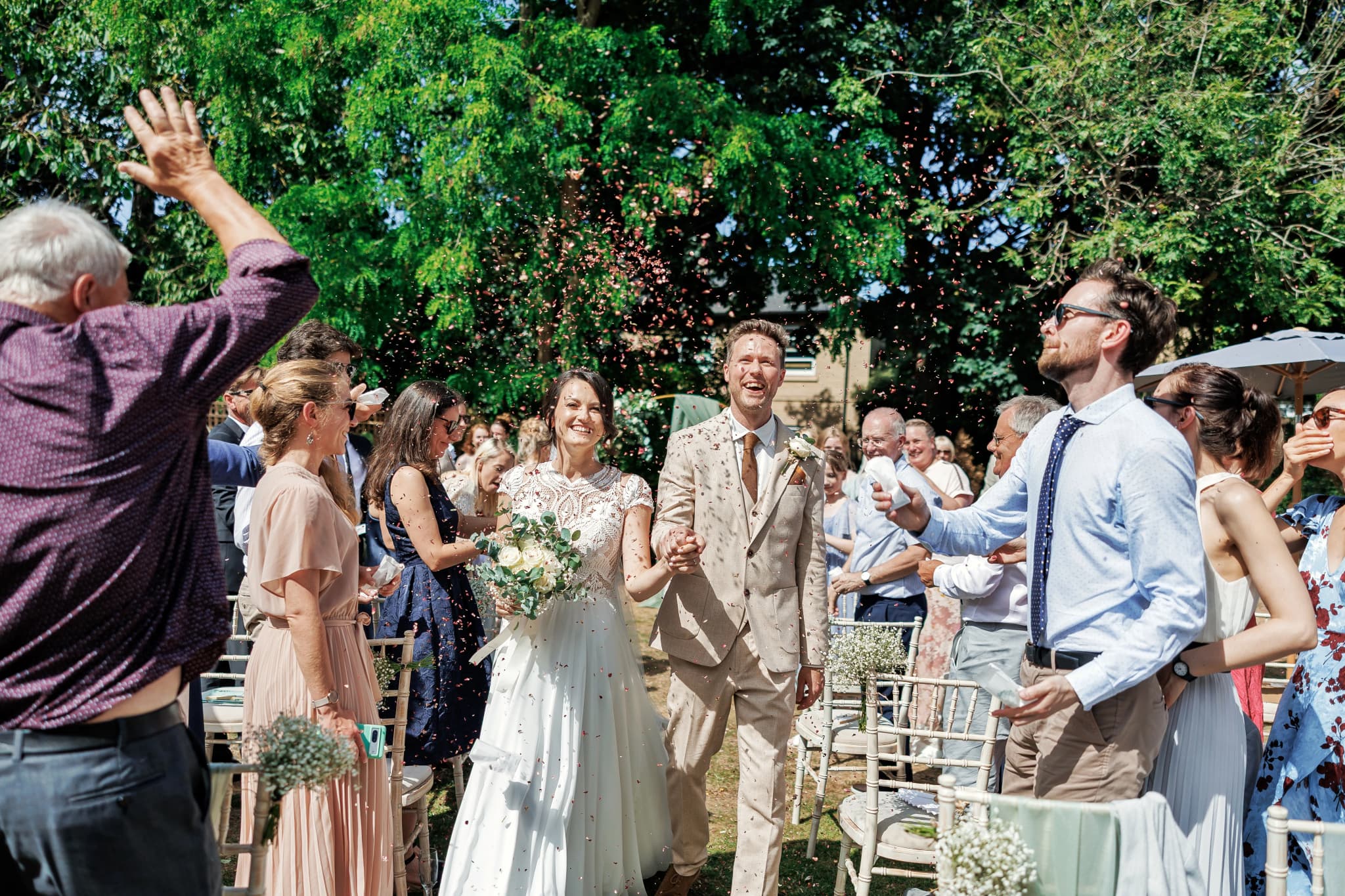

Yana Skakun
Photographer · England
Professional wedding, family and portrait photographer based in England. Passionate about capturing authentic emotions and timeless moments.
About Yana →registryofficeweddingphotography
Photography Guide — Professional Photography in Cambridge & England
Yana Skakun is a professional photographer based in Cambridge, covering weddings, families, and portraits across England. Every session is personal — planned around your story, your people, and the moments that matter most. This guide — Registry Office Wedding Photography: How to Make it Look Epic — is part of the photography journal: practical, experience-based advice drawn from real sessions across England. Whether you arrived searching for registry or office, the same care and attention shapes every session Yana photographs.
Professional Photography sessions are available year-round, with bookings open across Cambridge, Ely, Huntingdon, Peterborough, and further afield — East England, London, the Midlands, and beyond. If you have specific questions about wedding, mention it in your enquiry. Get in touch through the contact form above to check availability and discuss your session. Enquiries are welcomed from anywhere in the UK.
Frequently Asked Questions
What camera settings should I use for outdoor portraits?+
For outdoor portraits, shoot in aperture priority mode. Use a wide aperture (f/1.8–f/2.8) to blur the background and isolate your subject. Keep ISO as low as possible in good light. In bright conditions, use a neutral density filter or switch to manual to avoid overexposure at wide apertures.
What is the golden hour in photography?+
Golden hour is the period roughly 30–60 minutes after sunrise and before sunset. The sun is low in the sky, producing warm, soft, directional light that flatters skin tones and creates beautiful long shadows. It's widely considered the best natural light for portrait and outdoor photography.
How do you get sharp photos in low light?+
In low light, increase your ISO (accepting some grain), use the widest aperture your lens allows, and slow your shutter speed to the slowest you can hand-hold without camera shake (roughly 1/focal length as a guide). Use image stabilisation if available, and consider a tripod for static subjects.
What is the rule of thirds in photography?+
The rule of thirds divides the frame into a 3×3 grid. Placing your subject on one of the four intersection points — rather than dead centre — creates a more dynamic, visually interesting composition. It's a guideline, not a rule: some of the most powerful images break it deliberately.
How do you edit photos to look professional?+
Professional editing starts with shooting in RAW format. In Lightroom or similar software, correct exposure, white balance, and contrast first. Recover shadow and highlight detail. Apply gentle colour grading for mood. Be conservative with skin retouching — the goal is natural enhancement, not transformation. Consistency across a set of images is what separates professional from amateur editing.
Continue Reading
Related Articles


Get in Touch
Ready to Book Your Session?
Get in touch to discuss your vision — I'll reply within 24 hours.