Yana Skakun

Removing Distractions: When and How I Use Photoshop on Wedding Days
By Yana Skakun·10 June 2026·6 min read
I'll be honest with you: there is a glowing green fire exit sign in almost every English wedding venue I have ever photographed, and it has tried to ruin a great many beautiful moments. From a converted barn near Newmarket to a Grade II listed hall in the Suffolk countryside, those little safety details are everywhere — and so are stray cables, abandoned drinks and the odd radiator. This is where Photoshop earns its keep on my wedding days, and I want to be completely transparent about when and how I use it.
Why removing distractions matters
A wedding photograph is meant to hold your attention on the people in it — the way your dad's eyes go glassy during the speeches, the genuine laugh during your first dance. The trouble is that our eyes are drawn to anything bright, anything that breaks a pattern, anything out of place. A scarlet emergency sign behind your heads, or a tangle of black DJ cables snaking across a stone floor, quietly steals focus every time someone looks at the image.
When I photograph in Cambridgeshire and across East Anglia, I work hard to compose these things out of frame in the moment. But weddings move fast, light changes, and you simply cannot reposition a fixed exit sign or a venue's mains socket. That is the precise gap where careful retouching does its work — not to invent a fantasy, but to return the image to what your eyes actually noticed on the day.
My line between honest and dishonest editing
I draw a firm ethical line, and I think you deserve to know exactly where it sits. I will happily remove things that are not part of your story: signage, clutter, cabling, a stray chair, a smudge on a window. These are objects the venue or the day brought along, not anything about you or your guests.
What I will not do is change reality in a way that misleads you about the day itself. I do not slim people down, swap faces between photos, remove a guest who was genuinely there, or alter the weather to pretend the rain held off when it did not. If Auntie Margaret blinked in the group shot, I will tell you and reshoot rather than digitally paste in an open-eyed version without a word. The goal is a truthful memory, just a tidier one.
This matters more than it might first appear. The moment editing crosses from tidying into rewriting, the photograph stops being a record and becomes a fabrication — and that is not the kind of work I want hanging on your wall in twenty years.
What I actually remove on a wedding day
Most of my retouching is genuinely mundane, which is rather the point. Here are the distractions I most commonly clean up, and why each one earns the effort:
- ◆Exit and fire signs: The bright green or red boxes mandated in every UK venue. They pull the eye instantly and rarely sit anywhere flattering, especially behind the top table.
- ◆Stray cables: DJ leads, microphone wires, fairy-light extension cords and uplighter cabling that wander across floors and skirting boards once the evening kicks off.
- ◆Clutter and debris: Empty glasses, crumpled napkins, gaffer tape, water bottles and the occasional handbag left at the edge of a dance-floor shot.
- ◆Radiators and sockets: Functional fixtures in older Cambridgeshire halls and barns that date or clutter an otherwise timeless frame.
- ◆Background bins and signage: Wheelie bins, A-boards and parking notices that creep into the corner of outdoor portraits and confetti runs.
- ◆Skin blemishes within reason: A spot or a stress rash that appeared that week, gently softened — never reshaping a face or changing who you are.
How I do it well (and where it gets tricky)
Good object removal is less about a magic button and more about patience. I work in Photoshop on a calibrated screen, zoomed in close, rebuilding whatever sat behind the distraction from the surrounding texture. Removing an exit sign from a flat painted wall takes seconds; lifting one off a section of exposed Suffolk brickwork or a busy floral backdrop can take twenty minutes of careful cloning so the grain, mortar lines and shadows all still read correctly.
The hardest removals are the ones that overlap people or fall across reflective surfaces — a cable disappearing behind the bride's dress, or a sign mirrored in a polished dance floor. In those cases I would rather leave a small detail in than produce a smeared, obviously edited patch. A clumsy removal is more distracting than the thing it replaced, so honesty about my own limits keeps the work clean.
I also retouch sparingly by default. I am not trying to deliver a sterile, lifeless venue. The slightly uneven candlelight, the warmth of an old beam, the genuine texture of the day — that all stays. I only reach for the tools when something actively competes with you for attention.
What this means for you as a couple
Practically, you do not need to worry about any of this on the day — that is my job, not yours. You will not be asked to hide cables or move signs during your confetti shot in the rain (it is East Anglia, there is a fair chance of rain). I notice these things so you can simply be present with your guests.
When your gallery arrives, the distractions will mostly be gone, but everything that made the day yours will remain exactly as it was. If you ever have a strong feeling about a particular edit — you loved that quirky sign, or you would prefer a blemish left untouched — just tell me. These are your memories, and I am only ever tidying the frame around them.
Want a photographer who sweats the small details so you don't have to?
I shoot relaxed, honest weddings across Cambridge, Cambridgeshire and the wider East Anglia region — and I'll quietly handle every stray sign and cable along the way. Tell me about your day and let's see if your date is free.
Check Your Date →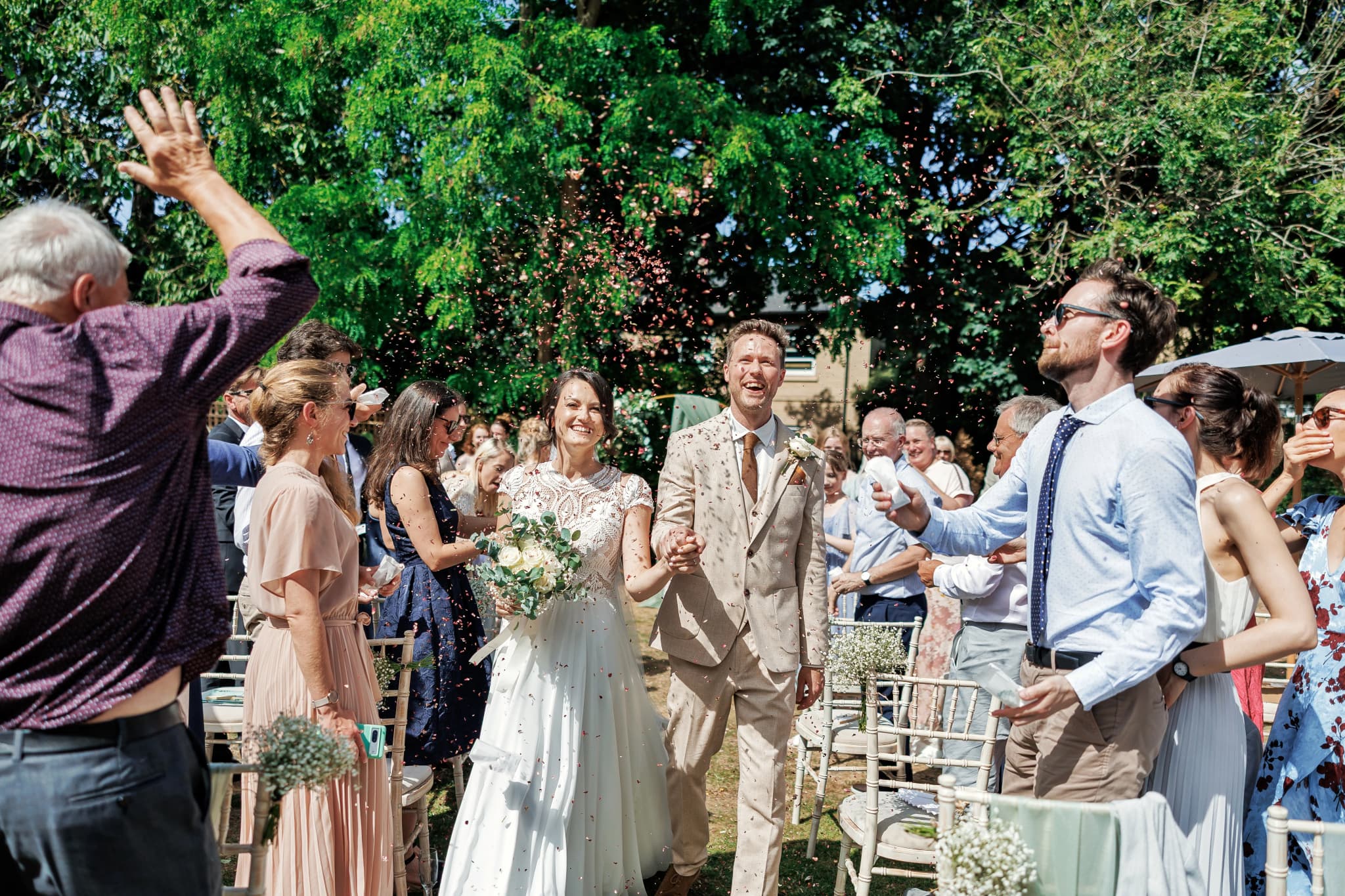

Yana Skakun
Photographer · England
Professional wedding, family and portrait photographer based in England. Passionate about capturing authentic emotions and timeless moments.
About Yana →removingdistractionsweddingphotos
Behind the Scenes — Professional Photography in Cambridge & England
Yana Skakun is a professional photographer based in Cambridge, covering weddings, families, and portraits across England. Every session is personal — planned around your story, your people, and the moments that matter most. This guide — Removing Distractions: When and How I Use Photoshop on Wedding Days — is part of the photography journal: practical, experience-based advice drawn from real sessions across England. Whether you arrived searching for removing or distractions, the same care and attention shapes every session Yana photographs.
Professional Photography sessions are available year-round, with bookings open across Cambridge, Ely, Huntingdon, Peterborough, and further afield — East England, London, the Midlands, and beyond. If you have specific questions about wedding, mention it in your enquiry. Get in touch through the contact form above to check availability and discuss your session. Enquiries are welcomed from anywhere in the UK.
Frequently Asked Questions
What does a photographer carry in their camera bag?+
A professional wedding or portrait photographer typically carries at least two camera bodies (primary and backup), 3–5 lenses covering wide to telephoto, multiple flash units, batteries and memory cards, a laptop for tethering if shooting in studio, and various accessories. The exact kit depends on the assignment and shooting conditions.
How do photographers edit their photos?+
Most photographers shoot in RAW format and use Adobe Lightroom for primary culling, colour grading, and global adjustments. Photoshop is used for detailed retouching where needed. Many photographers develop custom presets that establish their signature colour palette, then fine-tune each image individually. A typical wedding gallery of 600 images can take 20–40 hours to edit.
How long does it take to receive wedding photos?+
Most professional wedding photographers deliver final edited galleries within 4–8 weeks of the wedding date. Some offer 6–10 week turnaround, particularly during peak season when workload is highest. Discuss expected delivery timelines before booking and confirm it in your contract.
What backup systems do professional photographers use?+
Professional photographers back up images immediately after a shoot, often using dual-card capture during the wedding day itself (if the camera supports it). After the event, files are backed up to at least two separate drives and often a cloud service. Losing a client's images is a career-ending event — every working professional takes data security extremely seriously.
Do wedding photographers watermark their photos?+
Professional photographers typically do not watermark the digital files delivered to clients. Watermarks on personal images are inconvenient for clients and look unprofessional. Watermarking is more common on low-resolution online preview images or social media posts, but delivered gallery images are usually clean and ready to print.
Continue Reading
Related Articles
Behind the Scenes
Behind the scenes: A spring wedding in Cambridgeshire
8 min read · Read Article

Behind the Scenes
Carbon Neutral Wedding Photographer: How I Offset My Travel Emissions
6 min read · Read Article

Behind the Scenes
What is an Eco-Friendly Wedding Photographer? (My Commitment)
6 min read · Read Article
Get in Touch
Ready to Book Your Session?
Get in touch to discuss your vision — I'll reply within 24 hours.