Yana Skakun

Professional Headshots for Social Workers: Authority, Trust, and Human Connection
By Yana Skakun·15 July 2025·5 min read
Social workers occupy an unusual position in professional life. They are, at once, an authority figure — someone whose assessment can shape whether a child stays at home, whether a package of care is approved, whether a court accepts a recommendation — and the human being a frightened or exhausted family member has to sit across a table from and trust. Almost no other profession asks its practitioners to hold both of those things in the same frame, and it is exactly that tension that a good headshot needs to resolve. A photograph that reads as purely authoritative feels cold and bureaucratic. A photograph that reads as purely warm and approachable can undersell the seriousness of the role and the weight of the decisions behind it. I photograph a fair number of social workers and social care professionals from across Cambridgeshire and the wider region, and the brief is almost always some version of the same request: I need to look like someone who can be trusted with something difficult.
Why This Photograph Matters More Than It First Appears
For most professions, a headshot is a marketing tool: it appears on a website, a LinkedIn profile, perhaps a conference programme, and its job is broadly to make a good first impression. For a social worker, the headshot often does something more specific and more consequential. It appears in a local authority staff directory that a parent might look up the night before a home visit, trying to work out who is coming to their door and what kind of person they are. It appears on a safeguarding team page that a frightened teenager might scroll through, trying to identify a familiar face among strangers. It appears on an independent social worker's website that a solicitor or a family court is assessing for professional credibility before instructing them on a case. In each of these situations, the photograph is doing real work before any conversation has taken place, and it is worth treating that work seriously rather than defaulting to whatever photo happened to be taken at a staff away day three years ago.
I have had clients tell me, after receiving their images, that the previous photograph on their profile was a badge photo taken on their first day, or a cropped image from a group photograph at a training event, arms half cut off, expression somewhere between startled and apologetic. None of that is a criticism of the individual — it reflects how little institutional priority is usually given to this particular image, despite how much it is actually seen and relied upon by the public. A proper sitting, even a short one, changes that entirely.
Children and Families Social Work
Social workers in children's services carry statutory authority that most professions never have to communicate visually at all — the power, in extreme circumstances, to recommend that a child be removed from their home. That authority sits alongside an equally important professional requirement: the ability to build enough trust with a frightened or defensive parent that honest conversation becomes possible. A headshot for this context needs to avoid two failure modes. The first is looking severe or clinical, which can reinforce a parent's worst fears about being judged before they have even met. The second is looking so soft and casual that it undersells the seriousness of the role to colleagues, panels, and the family courts who also see these images.
In the sitting itself, I aim for a composed, level gaze directly to camera, a genuine rather than performed expression, and lighting that is even and flattering without being glamorous. Soft, directional light rather than flat studio light tends to read as more approachable while still looking properly professional. I ask people to think about someone specific — a colleague, a family member — rather than simply being told to smile, because instructed smiles photograph as exactly that: instructed. The resulting expression is usually somewhere between warm and steady, which is precisely what this context calls for.
Adult Social Care
Adult social care social workers work with older adults, people with disabilities, and people with complex or long-term health needs, often over extended periods and frequently at moments of significant vulnerability — a diagnosis, a loss of independence, a difficult decision about residential care. The qualities that matter most in this context are different from those in child protection work. Institutional authority is less the point; reliability, patience, and a visible sense of respect for the person in front of them matter more. Families choosing or reviewing a care package, or an older person meeting their allocated social worker for the first time, are looking for reassurance that they are dealing with someone unhurried and genuinely attentive, not someone processing a caseload.
For these headshots I tend to favour a slightly softer, warmer approach — a more relaxed posture, a fuller smile where it comes naturally, and backgrounds and clothing that feel approachable rather than corporate. The aim is a photograph that would not look out of place accompanying a short introductory paragraph on a council's adult social care webpage: "this is the person who will be supporting you," rather than "this is the department responsible for your case."
Independent Social Workers and Expert Witness Work
Independent social workers carrying out parenting assessments, expert witness reports, independent reviewing officer work, or specialist consultancy operate in a very different professional environment from local authority staff. Their audience is largely other professionals — solicitors instructing them on a case, family courts weighing their evidence, local authorities commissioning their services, panels assessing their applications for approved provider status. Credibility in this context is closely tied to visual presentation in a way that can feel uncomfortable to acknowledge but is worth being honest about. A profile photograph that looks like a cropped holiday snap or an informal phone selfie does real, if invisible, damage to how seriously a first-time instructing solicitor takes the practitioner's professionalism before reading a single word of their CV.
For independent practitioners I generally recommend a more formal register than for in-house local authority staff — structured clothing, a plain or softly blurred background, and lighting with a bit more contrast and definition, closer to a barrister's or consultant's professional portrait than to a friendly team-page photo. This is not about looking unapproachable; it is about matching the visual register of the sector the independent practitioner is now operating in, where credibility and rigour are being assessed constantly, often by people who have never met them and will not before instructing them on a significant case.
One session, several finished looks
Most social work headshot sittings run for around thirty minutes and cover two or three variations — a more formal option for court or panel-facing profiles and a slightly warmer option for team pages or family-facing directories — so you are not limited to a single image for every context you appear in.
Enquire about a headshot sessionCharity, Third Sector, and Advocacy Roles
Social workers leading or contributing to charities, advocacy organisations, and specialist support services — domestic abuse services, kinship care charities, disability advocacy groups, and similar organisations — occupy yet another register. These photographs typically appear on funding applications, trustee reports, "meet the team" pages, and press materials when the organisation is featured in local or national coverage. The tone here usually leans towards warmth and community orientation while still needing to look credible enough to reassure funders and partner organisations that the person pictured is a serious professional running or contributing to a properly governed service, not simply a well-meaning volunteer.
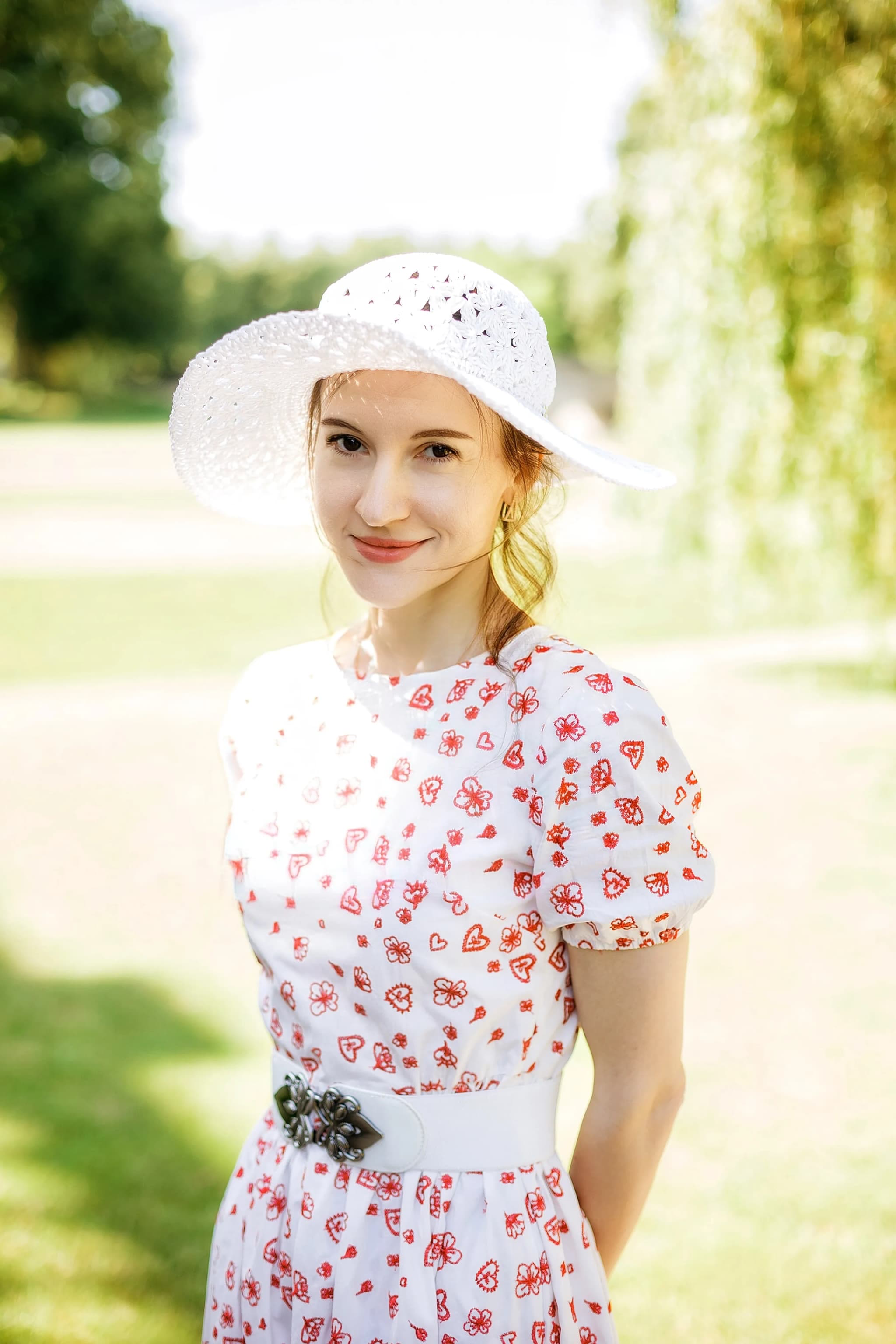
For charity sector clients I often suggest a slightly more relaxed setting than a plain studio backdrop — natural light, a location that hints gently at the organisation's work without being literal about it, and clothing that is smart but not corporate. The resulting images tend to sit comfortably alongside impact reports and funding bids, where the message is as much about trustworthy human connection as it is about institutional competence.
Practical Advice: What to Wear and How to Prepare
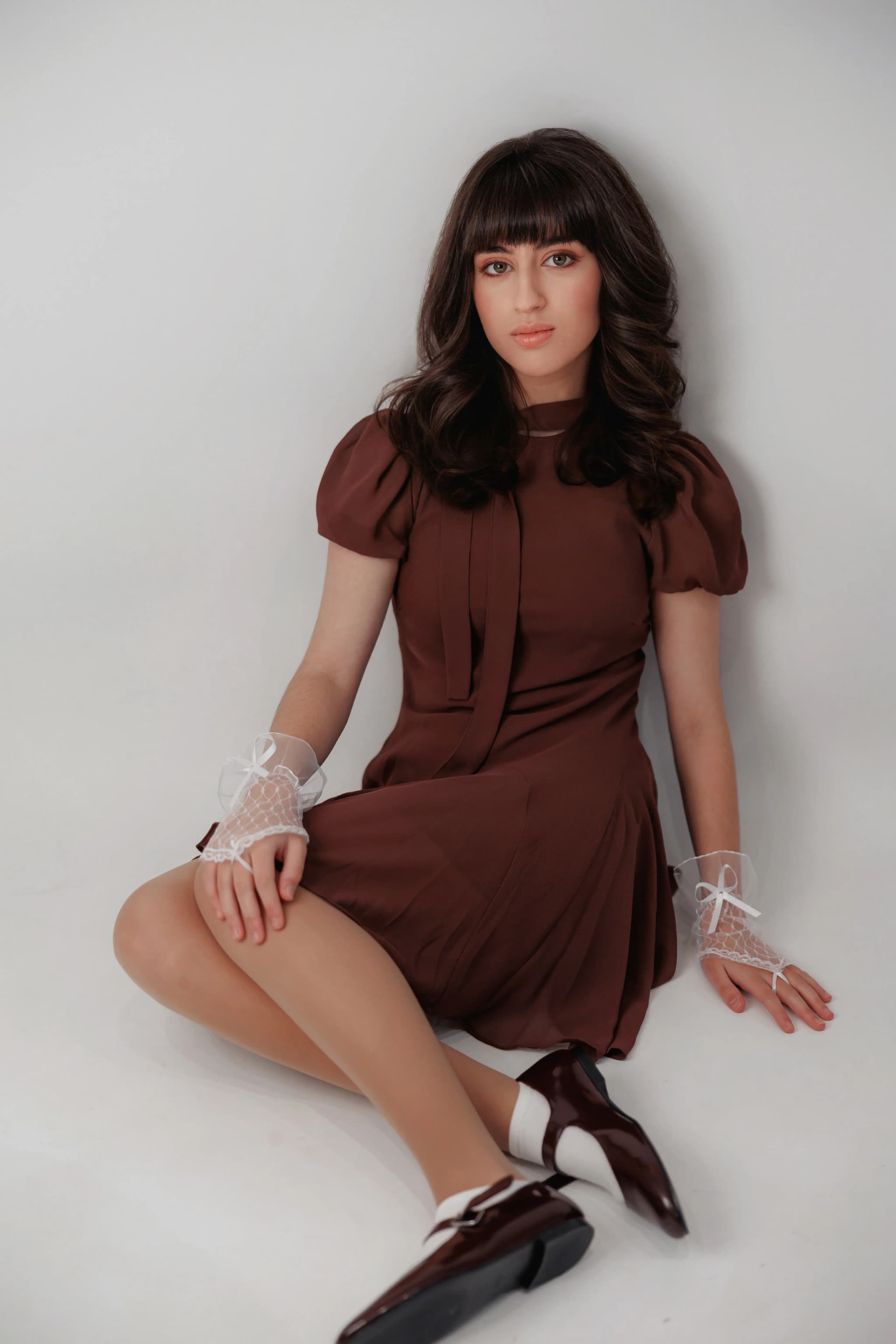
Clothing choices matter more than most people expect for this particular type of headshot, precisely because the goal is to communicate a fairly specific balance of authority and warmth. Solid, muted colours photograph better than busy patterns, which can distract from the face and date quickly in a directory photo that might stay online for several years. Navy, charcoal, deep teal, and burgundy all read as professional without being severe; avoid pure black, which can look harsh under directional lighting, and avoid busy prints or logos, which draw attention away from the expression that is doing the actual communicating.
A small but genuinely useful piece of advice: bring two options, even for a short sitting. A blazer or structured jacket for the more formal images, and a jumper or softer top underneath (or as an alternative) for the warmer, more approachable variant. This lets us produce genuinely different-feeling photographs within the same booking rather than the same expression and pose photographed twice in slightly different clothing.
On preparation more broadly: arrive a little early rather than rushing straight from a meeting or a home visit, since a few minutes to settle makes a visible difference in how relaxed the resulting expression looks. If you wear glasses day to day, wear them for the sitting — a headshot that looks noticeably different from how colleagues and clients actually see you day to day is not doing its job, however flattering it might be in isolation.
How the Session Works
Sessions can take place at a studio setting, at your workplace if a suitable space and reasonable privacy is available, or at an outdoor location with natural light if that suits the tone you are after — this is a common choice for charity and third sector clients in particular. For local authority and NHS-adjacent teams booking several staff members at once, I can also arrange a single day of back-to-back short sittings on site, so an entire team or department comes away with a consistent, professional set of images without each person needing to travel separately to a studio.
Turnaround is generally within a couple of weeks, delivered through an online gallery with both digital files sized for web directories and higher-resolution versions suitable for print materials, funding reports, or press use. If you are booking on behalf of a team or service rather than as an individual, I am happy to discuss a shared brief in advance — a consistent background, similar framing, and comparable lighting across everyone photographed — so the final directory or website page looks coherent rather than like a set of images taken at different times by different people.
Whatever branch of social work you practise in — statutory children's services, adult social care, independent assessment work, or a charity supporting a particular community — the photograph attached to your name is quietly doing more work than most people give it credit for. It is often the first thing a nervous parent, a cautious solicitor, or a wary teenager sees before any conversation takes place, and it is worth taking seriously rather than leaving to whatever image happened to be available. If you would like to talk through what would suit your particular role and audience, or arrange a sitting for yourself or your team in Cambridge or further afield, get in touch and we can find a session that fits your diary.

Yana Skakun
Photographer · England
Professional wedding, family and portrait photographer based in England. Passionate about capturing authentic emotions and timeless moments.
About Yana →social worker headshots UKSocial Work England registered professional photo UKindependent social worker photography UKchildren's services staff photo UKadult social care headshots UKexpert witness social worker photo UK
Headshot Tips — Professional Headshot Photography in Cambridge & England
Professional headshot sessions with Yana Skakun are clean, efficient, and designed to produce images that represent you authentically across every professional context — LinkedIn, company websites, speaker profiles, and press. Sessions available in Cambridge and across England. This guide — Professional Headshots for Social Workers: Authority, Trust, and Human Connection — is part of the photography journal: practical, experience-based advice drawn from real sessions across England. Whether you arrived searching for social worker headshots uk or social work england registered professional photo uk, the same care and attention shapes every session Yana photographs.
Professional Headshot Photography sessions are available year-round, with bookings open across Cambridge, Ely, Huntingdon, Peterborough, and further afield — East England, London, the Midlands, and beyond. If you have specific questions about independent social worker photography uk, mention it in your enquiry. Get in touch through the contact form above to check availability and discuss your session. Enquiries are welcomed from anywhere in the UK.
Frequently Asked Questions
What should I wear for a professional headshot?+
Solid colours photograph better than patterns. Navy, grey, charcoal, and burgundy are universally flattering. Avoid white (creates exposure issues), black (can look flat), and bright neons. Make sure your clothing fits well and is freshly pressed. Bring 2–3 outfit options to give yourself variety.
How do I prepare for a headshot session?+
Get a good night's sleep. Stay hydrated in the days before. If you're having hair and makeup done, schedule it for the morning of the shoot. Bring the clothes you plan to wear on a hanger. Arrive 10 minutes early to settle in before the camera comes out. Most importantly — don't stress. A good photographer will guide you.
How long does a professional headshot session take?+
A standard headshot session takes 30–60 minutes. This covers 2–3 outfits and multiple expressions and angles. Corporate team headshots at a single location can be scheduled at 15–20 minutes per person.
How often should you update your professional headshot?+
Every 2–3 years, or whenever your appearance changes significantly — new hairstyle, weight change, or notable ageing. Your headshot should look like you when you walk into a meeting, not like you five years ago. Outdated headshots undermine trust, particularly in client-facing roles.
What is the difference between a headshot and a business portrait?+
A headshot is a tight crop of the face and upper chest, focused entirely on professional presence and approachability. A business portrait typically includes more of the body and often incorporates environment or context — an office setting, equipment, or a workspace that communicates your profession.
Continue Reading
Related Articles

Headshot Tips
LinkedIn Headshots for Cambridge Graduates: Start Your Career With the Right First Impression
7 min read · Read Article
Headshot Tips
Professional Photography for Small Businesses: The Complete Guide
12 min read · Read Article
Headshot Tips
Corporate Team Photography: Professional Headshots for Your Entire Organisation
9 min read · Read Article
Get in Touch
Ready to Book Your Session?
Get in touch to discuss your vision — I'll reply within 24 hours.