Yana Skakun

Professional Headshots for Speech and Language Therapists: Communicating Expertise and Approachability
By Yana Skakun·5 August 2025·4 min read
Speech and language therapists occupy a distinctive position in UK healthcare: they work across hospitals, community clinics, schools, and private practice, often with clients who are at their most vulnerable. Whether you are supporting a toddler with a late language emergence, an adult rebuilding communication after a stroke, or a professional seeking to refine their vocal delivery, the relationship you build with clients depends enormously on the first impression you make. For many clients and their families, that first impression comes not in person but from a photograph on a referral page, a directory listing, or a private practice website. A professional headshot is therefore not a vanity exercise for speech and language therapists — it is a clinical and commercial tool.
Why Headshots Matter More for SLTs Than Most Professionals
Communication is at the very heart of what speech and language therapists do. Clients seeking support for stammer management, voice disorders, or acquired language conditions are often acutely aware of how communication works and what it signals. When a potential client lands on your profile and sees a poorly lit, cropped-from-a-party snapshot, the mismatch between the professional context and the image quality sends an unintended message. By contrast, a thoughtfully composed, warmly lit headshot signals the same care and attention to detail that you bring to your clinical practice.
I work with a significant number of healthcare professionals across Cambridge and the wider East of England, and SLTs are among the clients for whom this tension between warmth and authority is most pronounced. A GP headshot needs to convey reassurance. A solicitor's headshot needs to project confidence. An SLT's headshot needs to do both simultaneously, and in proportions that shift depending on whether your caseload is paediatric, adult neurological, or professional voice. Understanding that balance is something I think about carefully before we even pick up a camera.
The Royal College of Speech and Language Therapists has for many years encouraged members to maintain a visible professional identity, and an increasing number of RCSLT-registered therapists now maintain active profiles on the HCPC register page, Psychology Today, the SLT directory, and LinkedIn. Each of these platforms gives a headshot prominent placement, and each reaches a different audience with different expectations.
NHS Trusts and Integrated Care Board Profiles
NHS speech and language therapy departments across Cambridge University Hospitals, Cambridgeshire and Peterborough NHS Foundation Trust, and smaller community trusts have steadily moved toward publishing staff profiles on their websites and in patient-facing materials. This shift reflects a broader NHS commitment to transparency and patient choice, and it means that NHS SLTs who previously had no public-facing photograph now need one.
The challenge for NHS headshots is that they need to work across multiple contexts: a staff directory, a patient leaflet, a trust annual report, and sometimes a press release. I always advise NHS clients to shoot against a clean, neutral background — typically a soft warm grey or a very pale cream — that will crop cleanly for ID badge use but also look considered on a website. The NHS identity framework does not mandate specific photography standards for staff images, but trust communications teams invariably have preferences, and it is worth checking these before your session.
For SLTs working across multiple trusts or in a bank or locum capacity, a single professional headshot that you own and can share with each employer is a practical asset. I provide high-resolution digital files with a personal licence that covers all professional use, so you are not returning to a photographer each time you take a new placement.
Private Practice: Your Headshot as a Business Decision
The private speech and language therapy market in the UK has grown substantially in the years since the pandemic, as NHS waiting lists for paediatric speech therapy have lengthened and parents have turned to independent practitioners. For a private practice SLT in Cambridge, Ely, Huntingdon, or Peterborough, your website is often the first and only contact a family has before deciding whether to book an initial consultation. The headshot on that page is doing significant work.
Parents of children with communication difficulties are making an emotionally loaded decision. They are choosing someone to work closely with their child, often over months or years. The photograph they see needs to communicate warmth, calm, and competence in equal measure. I find that for paediatric SLT clients, a slightly more relaxed pose — perhaps a three-quarter angle rather than square-on, with a genuine smile rather than a neutral expression — tends to perform better on websites than the more formal styles that work well for corporate or legal professionals.
For SLTs with a predominantly adult caseload — whether that is acquired neurological conditions, dysfluency, voice therapy, or professional communication coaching — the balance shifts slightly toward authority and expertise. Adult clients and their referring clinicians want to see someone who projects professional confidence. That does not mean a stern or unfriendly image; it means a composed, well-lit photograph with appropriate professional dress and a setting that feels considered rather than casual.
A note on background choice for SLT headshots
In my experience, therapists often assume they need a clinical-looking white or grey background to appear professional. In practice, a warmer neutral — a soft off-white, a muted sage, or even a carefully selected outdoor setting — reads as more approachable without sacrificing credibility. I always discuss background options during our pre-shoot consultation, because the right choice depends on where the image will primarily appear and who your client base is. If you work with children, lean warmer. If your work is predominantly adult neurological or professional voice, a cooler neutral may serve you better.
Book a headshot consultationWhat to Wear and How to Prepare
Clothing choice for SLT headshots deserves more thought than most professionals give it. Healthcare contexts have specific connotations: scrubs or a lanyard in a photograph signal one setting, while a smart-casual blazer over an open-collar shirt or blouse signals a private practice or advisory context. Neither is wrong, but they communicate different things to different audiences. I ask all my professional portrait clients to bring two or three outfit options so we can make the final decision together on the day, with the benefit of seeing how each reads against the background.
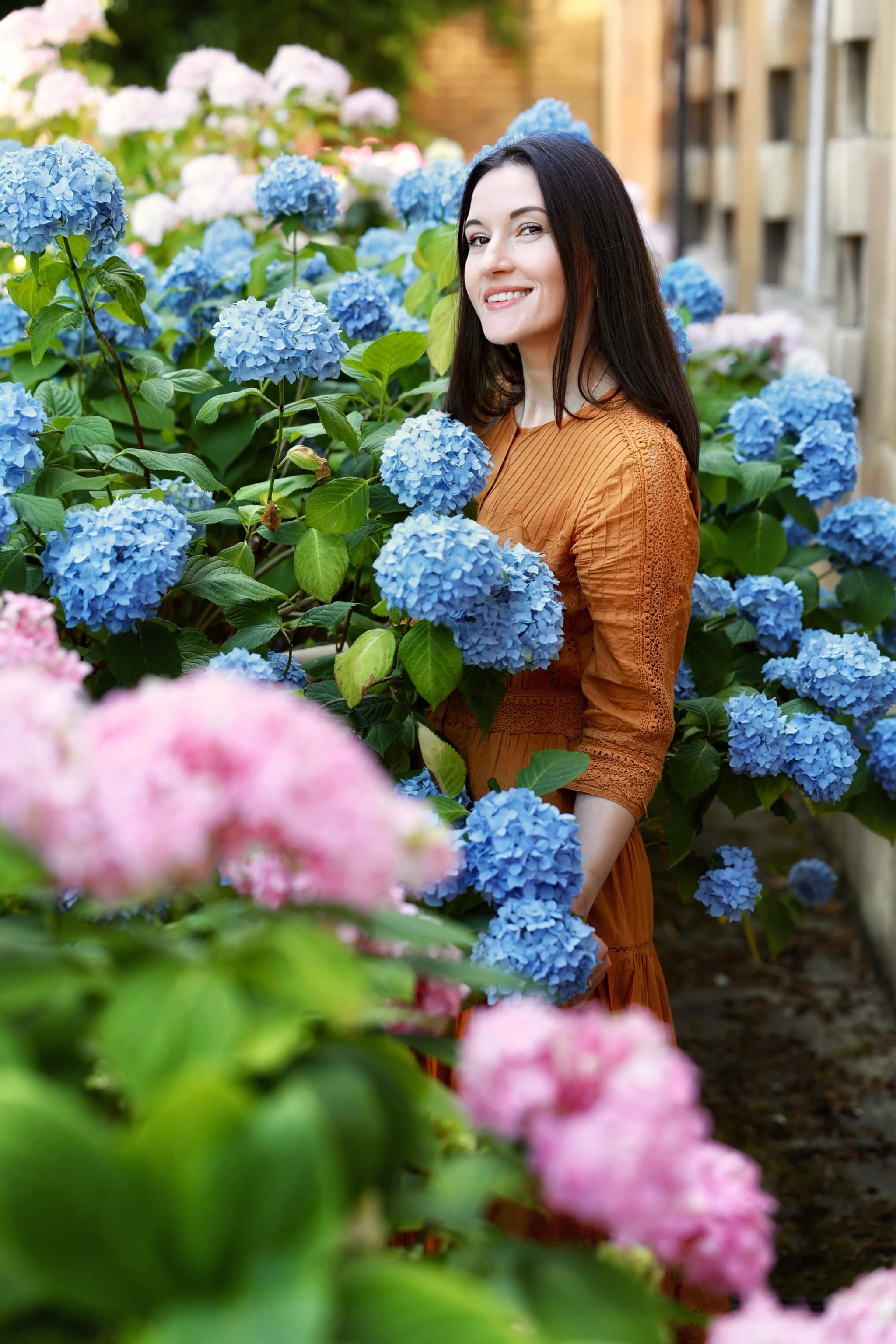
Solid colours almost always photograph better than patterns. This is especially true for SLTs working across paediatric settings, where busy patterns can feel visually distracting. Mid-toned colours — dusty blues, warm terracottas, soft greens, camel and caramel tones — tend to photograph especially well and are also unlikely to clash with the warm neutral backgrounds I typically use in studio sessions at my Cambridge base. Avoid very pale colours close to your skin tone, and avoid jet black if you have fair colouring, as both can flatten the image.
Hair and makeup should reflect how you look on a good working day, not a formal occasion. The goal is recognition: if a client meets you for the first time after seeing your headshot online, they should immediately recognise you. I always schedule professional sessions with enough time for clients to settle, and I find that most people who arrive nervous about being photographed are relaxed and comfortable within the first ten minutes.
Specialist SLT Contexts: Conferences, Publications, and CPD
Speech and language therapists who are active researchers, conference speakers, or contributors to professional publications have additional photography needs. A headshot that works for a private practice website may not be the right image for a journal author biography or a conference programme. For specialist and academic SLTs, I recommend commissioning two or three distinct crops and styles from a single session: a warmer, more approachable version for patient-facing contexts, and a slightly more formal framing for professional publications and speaking profiles.
SLTs presenting at RCSLT annual conference, Speaking Up summits, or specialist interest group events in the UK frequently find that their institutional photography is either unavailable, poorly lit, or simply not representative of their current work. Having a professional image that you own and can use freely across all of these contexts is increasingly important as the profession builds its public profile.
For SLTs involved in AAC consultation, Makaton training, or specialist dysphagia management, there is also a growing market for images that appear in training materials, online courses, and continuing professional development resources. These contexts have specific technical requirements — higher resolution files, particular aspect ratios for video thumbnails — and I always provide a range of file formats and sizes to cover these use cases without additional cost.
Choosing a Photographer in Cambridge and the East of England
Cambridge has a substantial community of speech and language therapists, both through the university hospital network and through a thriving private practice sector serving Cambridgeshire, South Cambridgeshire, and the surrounding counties. I work from a studio in central Cambridge and also offer on-location sessions for clients who would prefer to be photographed in their clinic or workspace. For SLTs who see clients in a home visiting capacity or in community settings, a session in your own clinical environment can produce images that feel particularly authentic and specific to your practice.
The practical logistics of a headshot session for a busy SLT need to be straightforward. Most of my professional portrait sessions run between one and two hours, with a selection of final images delivered as edited digital files within five working days. I understand that NHS and private practice schedules are demanding, and I offer early morning, evening, and weekend availability for clients who cannot attend during standard working hours.
A professional headshot is, in the end, a piece of communication — and for a speech and language therapist, the quality of that communication reflects directly on your professional identity. Whether you are joining a new NHS trust, launching a private practice, building a profile as a specialist or researcher, or simply updating an image that no longer represents where you are in your career, investing in a thoughtfully produced photograph is an investment in the confidence that clients, families, and colleagues place in you from the very first moment of contact.




Yana Skakun
Photographer · England
Professional wedding, family and portrait photographer based in England. Passionate about capturing authentic emotions and timeless moments.
About Yana →speech and language therapist headshots UKSLT professional photo UKRCSLT member headshot UKprivate practice SLT photography Cambridgespeech therapist profile photo UKcommunication therapy professional headshots UK
Headshot Tips — Professional Headshot Photography in Cambridge & England
Professional headshot sessions with Yana Skakun are clean, efficient, and designed to produce images that represent you authentically across every professional context — LinkedIn, company websites, speaker profiles, and press. Sessions available in Cambridge and across England. This guide — Professional Headshots for Speech and Language Therapists: Communicating Expertise and Approachability — is part of the photography journal: practical, experience-based advice drawn from real sessions across England. Whether you arrived searching for speech and language therapist headshots uk or slt professional photo uk, the same care and attention shapes every session Yana photographs.
Professional Headshot Photography sessions are available year-round, with bookings open across Cambridge, Ely, Huntingdon, Peterborough, and further afield — East England, London, the Midlands, and beyond. If you have specific questions about rcslt member headshot uk, mention it in your enquiry. Get in touch through the contact form above to check availability and discuss your session. Enquiries are welcomed from anywhere in the UK.
Frequently Asked Questions
What should I wear for a professional headshot?+
Solid colours photograph better than patterns. Navy, grey, charcoal, and burgundy are universally flattering. Avoid white (creates exposure issues), black (can look flat), and bright neons. Make sure your clothing fits well and is freshly pressed. Bring 2–3 outfit options to give yourself variety.
How do I prepare for a headshot session?+
Get a good night's sleep. Stay hydrated in the days before. If you're having hair and makeup done, schedule it for the morning of the shoot. Bring the clothes you plan to wear on a hanger. Arrive 10 minutes early to settle in before the camera comes out. Most importantly — don't stress. A good photographer will guide you.
How long does a professional headshot session take?+
A standard headshot session takes 30–60 minutes. This covers 2–3 outfits and multiple expressions and angles. Corporate team headshots at a single location can be scheduled at 15–20 minutes per person.
How often should you update your professional headshot?+
Every 2–3 years, or whenever your appearance changes significantly — new hairstyle, weight change, or notable ageing. Your headshot should look like you when you walk into a meeting, not like you five years ago. Outdated headshots undermine trust, particularly in client-facing roles.
What is the difference between a headshot and a business portrait?+
A headshot is a tight crop of the face and upper chest, focused entirely on professional presence and approachability. A business portrait typically includes more of the body and often incorporates environment or context — an office setting, equipment, or a workspace that communicates your profession.
Continue Reading
Related Articles

Headshot Tips
LinkedIn Headshots for Cambridge Graduates: Start Your Career With the Right First Impression
7 min read · Read Article
Headshot Tips
Professional Photography for Small Businesses: The Complete Guide
12 min read · Read Article
Headshot Tips
Corporate Team Photography: Professional Headshots for Your Entire Organisation
9 min read · Read Article
Get in Touch
Ready to Book Your Session?
Get in touch to discuss your vision — I'll reply within 24 hours.