Yana Skakun

Stately Home Wedding Photography: Capturing Grand Architecture
By Yana Skakun·10 June 2026·6 min read
A stately home is, in many ways, a photographer's dream and a quiet challenge all at once. The sweeping Palladian facade, the gilded ceilings, the avenue of limes leading to the front door — everything is built to impress. My job, when I photograph weddings at places like these across Cambridgeshire and Suffolk, is to honour that grandeur without letting it swallow the two people the day is actually about. Here is how I keep the architecture and the couple in balance.
Reading the House Before the Day
I never arrive at a stately home cold. Whenever I can, I walk the grounds a week or two before, ideally at roughly the same time of day as the ceremony. Houses like Hengrave Hall, Madingley Hall or Elmore Court all behave very differently with light, and a south-facing sandstone front that glows gold at 4pm in July can sit flat and grey by mid-morning.
I'm looking for three things on that recce: where the sun lands across the facade through the day, which windows flood the best interior rooms, and the natural vantage points where I can step far enough back to fit the whole building in. Many of these estates are listed, so I also note where I'm permitted to go — tripods on certain lawns, drone restrictions, and rooms where the National Trust or estate team would rather I didn't set up lighting.
Framing the Facade Without Dwarfing the Couple
The temptation with a grand frontage is to shoot it wide and symmetrical, dead-centre, like an estate-agent listing. That makes a lovely establishing frame, but it can render the couple as two specks on a vast lawn. I balance the two by giving the architecture room to breathe while anchoring the people with deliberate placement — often on a third, walking along a gravel path, or framed within an archway so the stonework draws the eye inward rather than away.
Lens choice matters enormously here. A 24mm captures the full reach of a Jacobean wing but distorts the edges, so I keep the couple central to avoid stretching them. For tighter, more flattering portraits I'll switch to an 85mm and let a slice of the facade fall softly out of focus behind them. The building stays present, recognisable, but it becomes a setting rather than the subject.
Symmetry is your friend with formal Georgian architecture, but I look for the small asymmetries too — an open door, a dog on the steps, confetti mid-air — that stop a picture feeling like a postcard and start it feeling like a wedding.
Taming Opulent Interiors and Mixed Light
Grand interiors are gorgeous and technically demanding in equal measure. You'll often have a dim panelled hall lit by a few leaded windows on one side and a row of warm chandeliers overhead — daylight and tungsten fighting each other in the same frame. I shoot these spaces to preserve the mood rather than blast it flat with flash. That usually means embracing the window light, exposing for the highlights on faces, and letting the rich corners fall gently into shadow the way the room actually looks.
When I do add light, I bounce it — off a high ceiling or a pale wall — so it mimics the soft fall of the windows rather than announcing itself. Painted ceilings, ornate plasterwork and tall sash windows reward a little patience. I'll often photograph an empty ceremony room or staircase before the guests arrive, capturing the architecture clean, then return for the human moments once it's full of life.
My Working Checklist for Grand Venues
Over years of photographing these houses, I've distilled my approach into a short set of habits that keep the day flowing and the pictures consistent. Here is what runs through my head from arrival to the last dance.
- ◆Scout the light: Track where the sun hits the facade and which rooms glow, then plan portraits around that golden window.
- ◆Mind the listing rules: Confirm where tripods, off-camera flash and drones are allowed before the day, not on it.
- ◆Carry two lenses: A wide for the whole building, a short telephoto to lift the couple cleanly off the stonework.
- ◆Shoot the empty rooms: Capture the ceremony space and staircase clean before guests fill them with coats and chairs.
- ◆Anchor the couple: Place people on a third or within an arch so the architecture frames rather than overwhelms them.
- ◆Watch the weather: British skies turn fast, so keep a plan for both a sunlit lawn and a sheltered orangery or hall.
Letting the House Tell the Story
For all the talk of facades and ceilings, the architecture is only ever a supporting character. The pictures couples treasure most are still the held hands on a grand staircase, the quiet glance in a panelled library, the first dance under a chandelier. A stately home gives those moments a sense of occasion and permanence that an ordinary room simply can't.
My aim across the whole gallery is rhythm: an establishing shot of the house, then in closer to the people, then a detail of carved stone or a worn flagstone underfoot, then back out wide as the light fades and the windows start to glow from within. Told well, the building and the couple lift each other — the grandeur makes the day feel momentous, and the love makes the grandeur feel warm. That balance, to me, is the whole point of stately home wedding photography.
Marrying at a grand house in the East of England?
I'd love to scout your venue's light and architecture and plan a gallery that does both your day and its setting justice. Let's talk through your plans.
Check Your Date →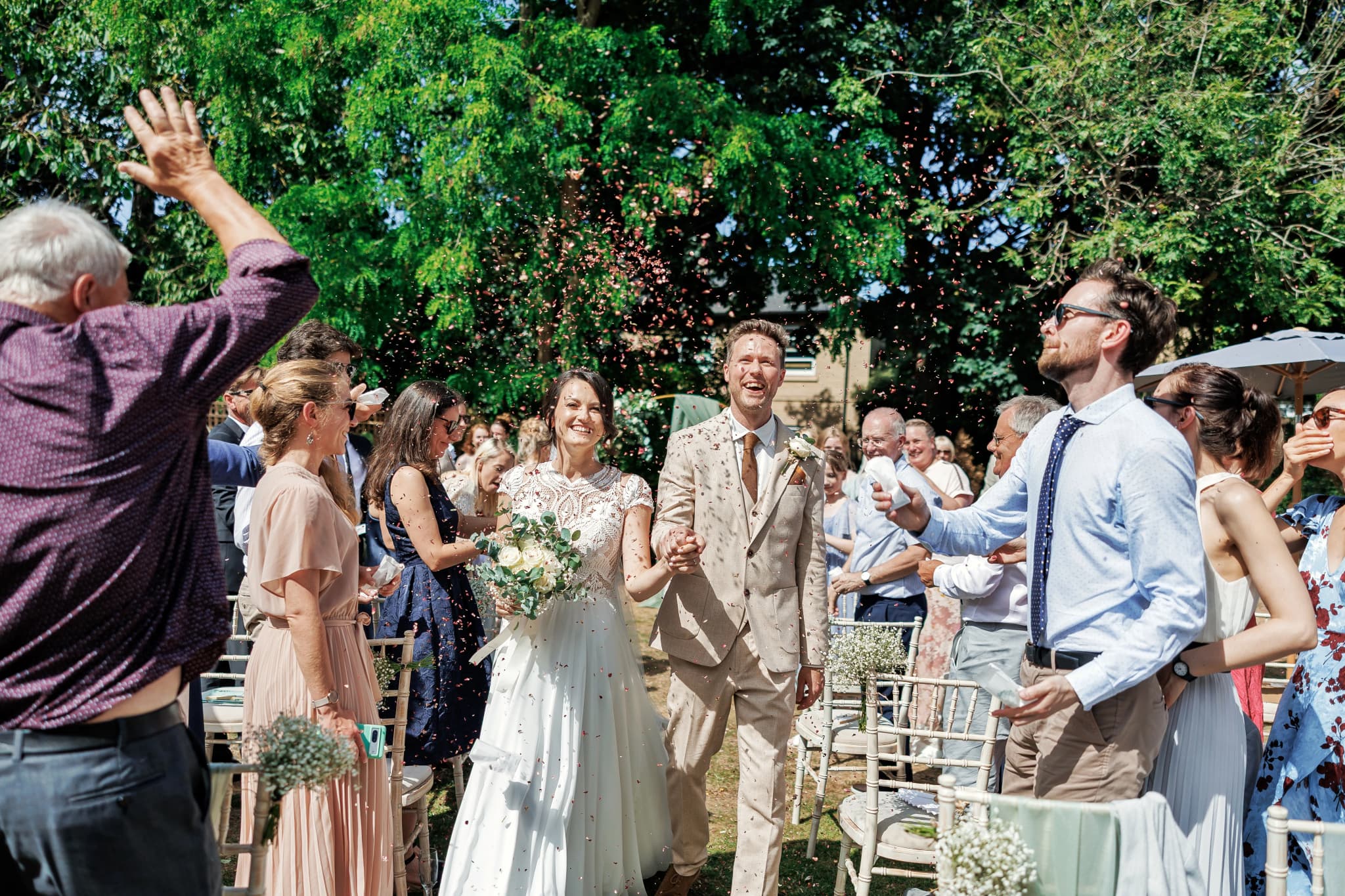

Yana Skakun
Photographer · England
Professional wedding, family and portrait photographer based in England. Passionate about capturing authentic emotions and timeless moments.
About Yana →statelyhomeweddingphotography
Photography Guide — Professional Photography in Cambridge & England
Yana Skakun is a professional photographer based in Cambridge, covering weddings, families, and portraits across England. Every session is personal — planned around your story, your people, and the moments that matter most. This guide — Stately Home Wedding Photography: Capturing Grand Architecture — is part of the photography journal: practical, experience-based advice drawn from real sessions across England. Whether you arrived searching for stately or home, the same care and attention shapes every session Yana photographs.
Professional Photography sessions are available year-round, with bookings open across Cambridge, Ely, Huntingdon, Peterborough, and further afield — East England, London, the Midlands, and beyond. If you have specific questions about wedding, mention it in your enquiry. Get in touch through the contact form above to check availability and discuss your session. Enquiries are welcomed from anywhere in the UK.
Frequently Asked Questions
What camera settings should I use for outdoor portraits?+
For outdoor portraits, shoot in aperture priority mode. Use a wide aperture (f/1.8–f/2.8) to blur the background and isolate your subject. Keep ISO as low as possible in good light. In bright conditions, use a neutral density filter or switch to manual to avoid overexposure at wide apertures.
What is the golden hour in photography?+
Golden hour is the period roughly 30–60 minutes after sunrise and before sunset. The sun is low in the sky, producing warm, soft, directional light that flatters skin tones and creates beautiful long shadows. It's widely considered the best natural light for portrait and outdoor photography.
How do you get sharp photos in low light?+
In low light, increase your ISO (accepting some grain), use the widest aperture your lens allows, and slow your shutter speed to the slowest you can hand-hold without camera shake (roughly 1/focal length as a guide). Use image stabilisation if available, and consider a tripod for static subjects.
What is the rule of thirds in photography?+
The rule of thirds divides the frame into a 3×3 grid. Placing your subject on one of the four intersection points — rather than dead centre — creates a more dynamic, visually interesting composition. It's a guideline, not a rule: some of the most powerful images break it deliberately.
How do you edit photos to look professional?+
Professional editing starts with shooting in RAW format. In Lightroom or similar software, correct exposure, white balance, and contrast first. Recover shadow and highlight detail. Apply gentle colour grading for mood. Be conservative with skin retouching — the goal is natural enhancement, not transformation. Consistency across a set of images is what separates professional from amateur editing.
Continue Reading
Related Articles


Get in Touch
Ready to Book Your Session?
Get in touch to discuss your vision — I'll reply within 24 hours.