Yana Skakun
Summer Wedding Photography in England: Long Days, Golden Evenings & Wildflower Meadows
By Yana Skakun·15 March 2026·9 min read
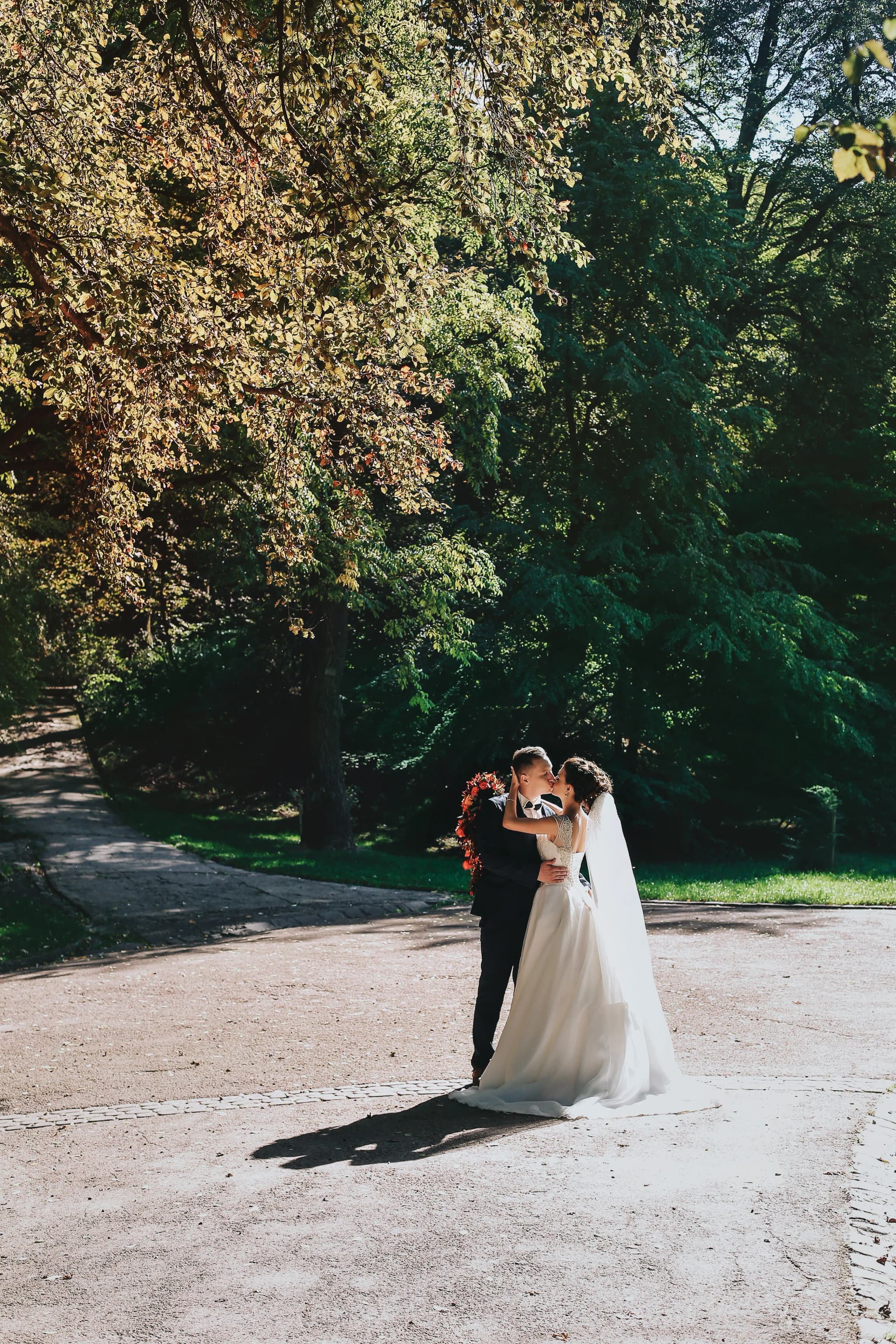
English summer weddings have a quality that is hard to find anywhere else in the world: the warmth and abundance of a northern summer where the growing season is long and lush, the golden evening light lasts until 9 or 10pm, and the countryside — hay meadows, rose gardens, wildflower verges — reaches a peak of colour and texture unlike any other season. This is a guide to summer wedding photography in England: what makes it extraordinary, how to make the most of the long days, and the locations that produce the finest images.
Why English Summer Weddings Photograph So Beautifully
- ◆The longest golden hours of the year: At midsummer (late June) in southern England, golden hour — the warm, directional evening light that makes portraits extraordinary — falls from approximately 8:30pm to 9:30pm. This means summer weddings have a built-in golden-hour portrait window that is longer and later than any other season, often available after the wedding breakfast speeches have finished.
- ◆Wildflower meadows: English wildflower meadows reach their peak in June and July — oxeye daises, corn poppies, meadow buttercups, field scabious, and dozens of other species creating dense, textured habitats that are visually extraordinary as portrait backgrounds.
- ◆June roses: Real English rose gardens — Sissinghurst, Mottisfont, Cambridge Botanic Garden — reach peak bloom in the second half of June. English roses in full bloom provide a formal, traditional backdrop with an intensity of colour and texture that no other flower can match.
- ◆Full-day photography viability: Summer light is present from 5am and fades after 10pm. In practice this means every element of a wedding day — from getting-ready in morning light through ceremony, group portraits, and golden-hour portraits to first dance — has excellent natural light available.
- ◆The English summer aesthetic: There is a specific visual quality to English summer weddings — the particular green of English lawns, the stone churches, the marquees in walled gardens — that has a timeless, instantly recognisable beauty.
Month by Month: June, July, August
- June
The peak of the English summer: roses, elderflower, the longest days, university graduations in Cambridge and Oxford, Chelsea in London. Golden hour from ~8:30pm. Countryside at maximum lushness. The most coveted wedding month — book 18+ months in advance for top suppliers and venues.
Best light for portraits: 7:30–9:30pm evening. Morning light from 5–7am is spectacular but rarely used.
- July
Hay meadows and wildflowers. English lavender fields (July is lavender month). Slightly better weather reliability than June statistically. If May/June have been wet, July often improves. Gardens at their most full and lush.
Golden hour 8:45–9:30pm. Later than June by about 15 minutes as evenings begin very gradually shortening. Still extraordinary late evening light.
- August
Heather moorland (northern England, Scotland). Late wildflowers. School holiday period — some guest availability complications but countryside very accessible. Evenings beginning to shorten noticeably by late August. First hints of early autumn beginning from the final week.
Golden hour progressively earlier: 7:30–8:30pm by end of August. By late August the quality of light begins shifting toward the richer, deeper gold of early autumn.
Photography Challenges in the English Summer
- ◆Midday overhead sun: Between approximately 11am and 4pm in summer, the sun is high enough overhead to create unflattering shadows under eyes and harsh contrast on faces. Experienced summer wedding photographers position couples in open shade (under tree canopies, beside buildings) during this window and save the open-sun portraits for the golden-hour session.
- ◆Hay fever and insects: Late June–July outdoors in long meadow grass involves pollen and midges. Not a photographic consideration per se, but affects how comfortable couples are for extended outdoor portrait sessions.
- ◆Heat management: When the temperature exceeds 28–30°C, extended formal portrait sessions in direct sunlight become uncomfortable for everyone and show in photographs (flushing, wilting). Planning session timing around the day's heat peak is important.
- ◆Background busyness in peak tourist season: Summer tourist season (July–August especially) means that the most famous English wedding locations (Cambridge Backs, Oxford colleges, London parks) are at maximum visitor numbers. Morning sessions and weekday dates avoid the worst crowds.
Best Summer Wedding Photography Locations in England
- ◆Cambridge — The Backs (June–July): The Backs along the River Cam in early June, with the university term just ending and the summer meadow grasses growing long, is one of the most beautiful wedding portrait environments in England.
- ◆Wimpole Estate, Cambridgeshire (June–July): The wildflower meadows on the Wimpole Estate reach their peak in June and July — one of the finest managed wildflower habitats in the eastern counties, with the Georgian mansion as a backdrop.
- ◆English rose gardens (second half of June): Mottisfont Abbey (Hampshire), Sissinghurst Castle (Kent), Lady Bird Johnson Rose Garden (Cambridge Botanic Garden). All peak in the second half of June.
- ◆Lavender fields (July): Suffolk and Norfolk lavender farms open to the public in July. Purple rows of lavender under an English summer sky create a unique backdrop for summer portrait sessions.
- ◆English country house gardens (June–August): Many National Trust and English Heritage properties have formal gardens at their best in summer — terraced lawns, herbaceous borders, walled kitchen gardens — all offering photographic variety within a single venue.
My advice for summer wedding photography: plan specifically for the golden-hour portrait session. In June, this window falls after 8:30pm — meaning it sits naturally after the wedding breakfast and before the first dance. A 20-minute break from the evening party for outdoor portraits in that light produces some of the most beautiful wedding photographs of the entire day. The long-awaited moment is worth planning around.
Summer Wedding Photography in Cambridge and England
Yana Skukauskaite photographs summer weddings across Cambridge, Cambridgeshire, and England. June and July Saturdays book 12–18 months in advance — enquire early to avoid disappointment.
Enquire About Summer Wedding Photography →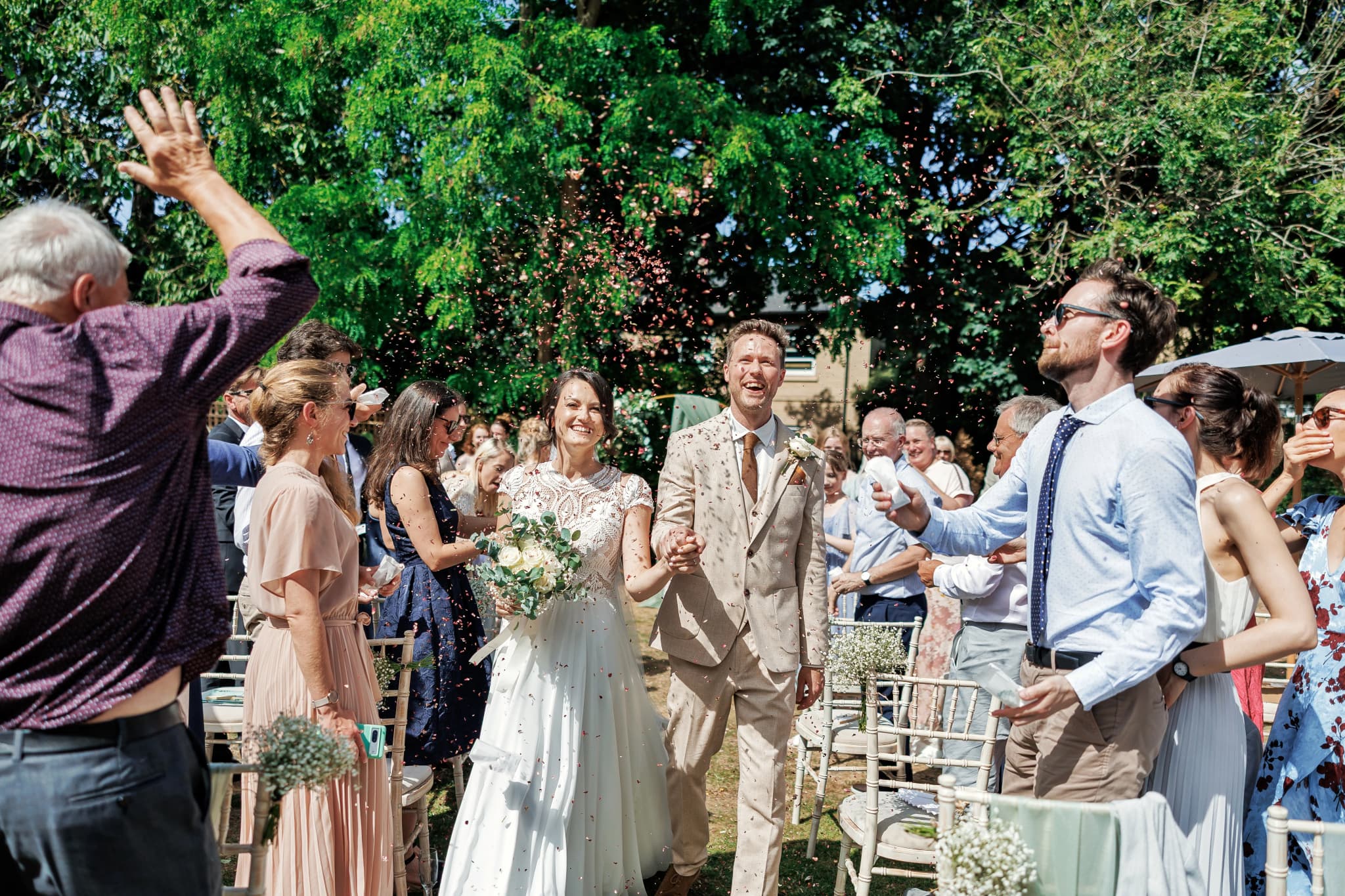

Yana Skakun
Photographer · England
Professional wedding, family and portrait photographer based in England. Passionate about capturing authentic emotions and timeless moments.
About Yana →summer wedding photography Englandsummer wedding photographer UKoutdoor summer wedding Englandgolden hour summer weddingEnglish summer wedding
Wedding Seasons — Professional Photography in Cambridge & England
Yana Skakun is a professional photographer based in Cambridge, covering weddings, families, and portraits across England. Every session is personal — planned around your story, your people, and the moments that matter most. This guide — Summer Wedding Photography in England: Long Days, Golden Evenings & Wildflower Meadows — is part of the photography journal: practical, experience-based advice drawn from real sessions across England. Whether you arrived searching for summer wedding photography england or summer wedding photographer uk, the same care and attention shapes every session Yana photographs.
Professional Photography sessions are available year-round, with bookings open across Cambridge, Ely, Huntingdon, Peterborough, and further afield — East England, London, the Midlands, and beyond. If you have specific questions about outdoor summer wedding england, mention it in your enquiry. Get in touch through the contact form above to check availability and discuss your session. Enquiries are welcomed from anywhere in the UK.
Frequently Asked Questions
What camera settings should I use for outdoor portraits?+
For outdoor portraits, shoot in aperture priority mode. Use a wide aperture (f/1.8–f/2.8) to blur the background and isolate your subject. Keep ISO as low as possible in good light. In bright conditions, use a neutral density filter or switch to manual to avoid overexposure at wide apertures.
What is the golden hour in photography?+
Golden hour is the period roughly 30–60 minutes after sunrise and before sunset. The sun is low in the sky, producing warm, soft, directional light that flatters skin tones and creates beautiful long shadows. It's widely considered the best natural light for portrait and outdoor photography.
How do you get sharp photos in low light?+
In low light, increase your ISO (accepting some grain), use the widest aperture your lens allows, and slow your shutter speed to the slowest you can hand-hold without camera shake (roughly 1/focal length as a guide). Use image stabilisation if available, and consider a tripod for static subjects.
What is the rule of thirds in photography?+
The rule of thirds divides the frame into a 3×3 grid. Placing your subject on one of the four intersection points — rather than dead centre — creates a more dynamic, visually interesting composition. It's a guideline, not a rule: some of the most powerful images break it deliberately.
How do you edit photos to look professional?+
Professional editing starts with shooting in RAW format. In Lightroom or similar software, correct exposure, white balance, and contrast first. Recover shadow and highlight detail. Apply gentle colour grading for mood. Be conservative with skin retouching — the goal is natural enhancement, not transformation. Consistency across a set of images is what separates professional from amateur editing.
Continue Reading
Related Articles
Wedding Seasons
Cherry Blossom Wedding Photography in England: Pink Clouds & Romance
8 min read · Read Article
Wedding Seasons
Bluebell Season Wedding Photography: England's Most Magical Natural Backdrop
8 min read · Read Article
Wedding Seasons
Spring Wedding Photography in England: Blossom, Bluebell Season & New Beginnings
9 min read · Read Article
Get in Touch
Ready to Book Your Session?
Get in touch to discuss your vision — I'll reply within 24 hours.