Yana Skakun
Spring Wedding Photography in England: Blossom, Bluebell Season & New Beginnings
By Yana Skakun·15 March 2026·9 min read
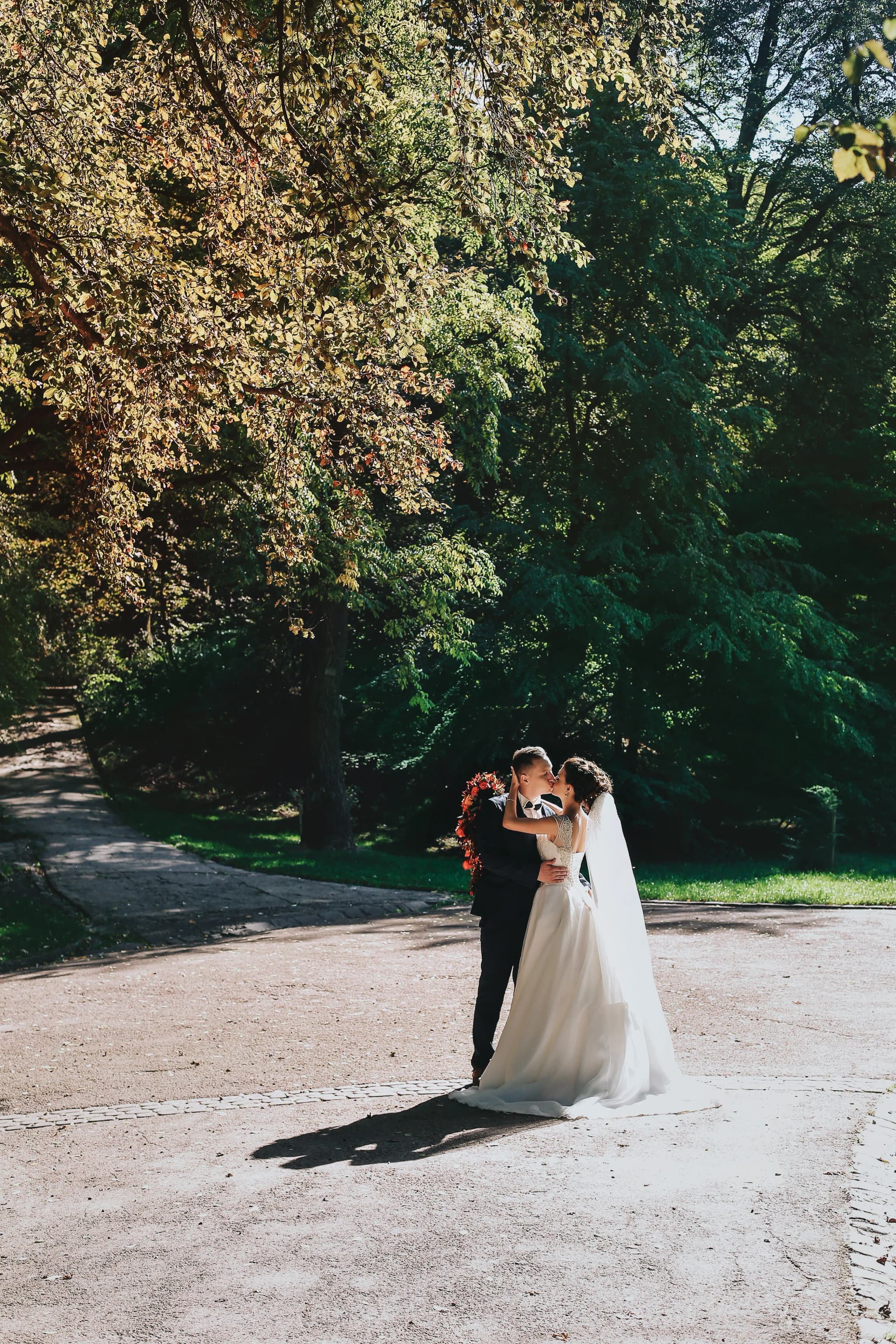
Spring is the most visually spectacular of England's wedding seasons — the three-month window from late March through May during which the country moves through cherry blossom, magnolia, bluebell woodland, wild garlic, and finally the first roses of early June. For wedding photography, spring offers something that no other season can: the annual explosion of natural colour that gives every image an unmistakably English sense of renewal and romance.
Why Spring Is England's Most Photogenic Wedding Season
- ◆Seasonal backdrops unavailable at any other time: Cherry blossom, bluebell woodland, and wild garlic carpets are available for only a few weeks each year. A spring wedding gives couples access to natural backdrops that are impossible to replicate — not by floristry, not at a studio, not by editing.
- ◆Soft, diffuse spring light: The light in March and April is lower-angle than summer even at midday, giving naturally soft, flattering illumination that flatters faces without the harsh overhead shadows common in June, July, and August.
- ◆The English countryside at its most vivid: The fresh acid-green of new beech leaves, the white of blackthorn blossom, the intense blue-purple of bluebells. Spring colour in England is more saturated than any other season — photographs made in late April and May have an extraordinary depth of colour.
- ◆Long evenings without the extreme late sunsets of summer: Spring golden hour falls between 7 and 9pm (depending on how far into the season). This means evening portraits at a reasonable time without the 9:30–10pm golden window of high summer that some wedding schedules can't always accommodate.
- ◆Lower prices and better availability: Spring remains under-booked relative to summer — particularly March and early April. Couples marrying in spring often find better availability from sought-after suppliers and, in many cases, lower venue fees than peak summer dates.
Month by Month: What Spring Offers in England
- March
Natural features: Snowdrops (early March), magnolia (mid-March onwards), early cherry blossom in sheltered urban locations (London parks, Cambridge city centre from late March in a warm year). Daffodils everywhere. The light has a clarity and directional interest absent in high summer.
Light: Golden hour arrives ~6:00–6:30pm by the end of March after clocks change. Lower sun angle than summer — ideal for directional portrait light.
- April
Natural features: Cherry blossom peaks across most of England in April — usually the first to third week depending on the year and location. Magnolia continues. Wild garlic begins in woodland. Spring bulbs at their most varied: tulips, hyacinths, late narcissus.
Light: Golden hour shifts to 7:00–7:30pm by late April. Clear skies typical in the drier eastern counties (Cambridgeshire, Norfolk, Essex). Beautifully lit evenings.
- May
Natural features: Bluebells (late April through mid-May in most of England). Hawthorn blossom (the white 'May blossom' that gives the month its name). Apple and pear blossom in orchards. The countryside at its most intensely green. Wildflower meadow projects begin.
Light: Golden hour 8:00–8:30pm by late May. Long evenings but not as extreme as June-August. One of the most reliably beautiful photographic times of year.
Best Spring Wedding Photography Locations in England
- ◆Cambridge (April–May): Cherry blossom avenue near King's College, the Botanic Garden, and the bluebell areas at Wandlebury Country Park. The combination of medieval architecture and spring blossom is unmatched anywhere in England.
- ◆Kew Gardens (April): The Royal Botanic Gardens at Kew have a world-class collection of ornamental cherries and magnolias — a 2-week window in April when the entire western part of the garden is pink. Pre-arranged photography access is required.
- ◆Ashridge Estate, Hertfordshire (late April–May): One of England's finest bluebell woodlands — the National Trust estate covers 2,500 hectares of ancient managed woodland, with concentrated bluebell areas visible in late April and early May.
- ◆Battersea Park, London (April): The widest collection of ornamental cherry trees in central London, known as the London Cherry Walk. Free public access during the April blossom season.
- ◆Dockey Wood, Hertfordshire (late April–May): Part of the Ashridge Estate, Dockey Wood is routinely cited as one of the finest bluebell woodlands in England — a carpet of blue covering the ancient woodland floor for a 2–3 week window.
- ◆Grantchester Meadows and Orchard, Cambridgeshire (April–May): Apple and cherry blossom in the Grantchester Orchard, open water meadows along the Cam, and wildflower grassland along the Granta. One of the most textured and varied spring locations in Cambridgeshire.
The most important thing about spring wedding photography is timing awareness. Cherry blossom in England lasts approximately 10–14 days — sometimes less if April brings warm weather and wind. Bluebell season is similarly short: 3–4 weeks for most locations. A photographer who tracks these conditions actively, and communicates their real-time status to you, is invaluable for a spring wedding. A week's difference in your April wedding date can mean the difference between peak blossom and bare branches.
Spring Wedding Photography: What to Consider
- ◆Weather unpredictability: April in England averages 40–50mm of rain — less than October but more than summer. Plan for weather contingencies: a covered outdoor space for drinks receptions, a flexible portrait timing plan that can shift 30 minutes in either direction.
- ◆Seasonal flowers in floristry: Align your floristry to the season: ranunculus, tulips, sweet peas, peonies (slightly later), lily of the valley, and cow parsley all suit a spring palette. Avoid tropical flowers that clash visually with English spring blossom backgrounds.
- ◆Colour palette: The most coherent spring wedding photography comes when the couple's clothing palette aligns with spring colours — the soft pinks, creams, sage greens, and daffodil yellows of the season rather than winter jewel tones or summery brights.
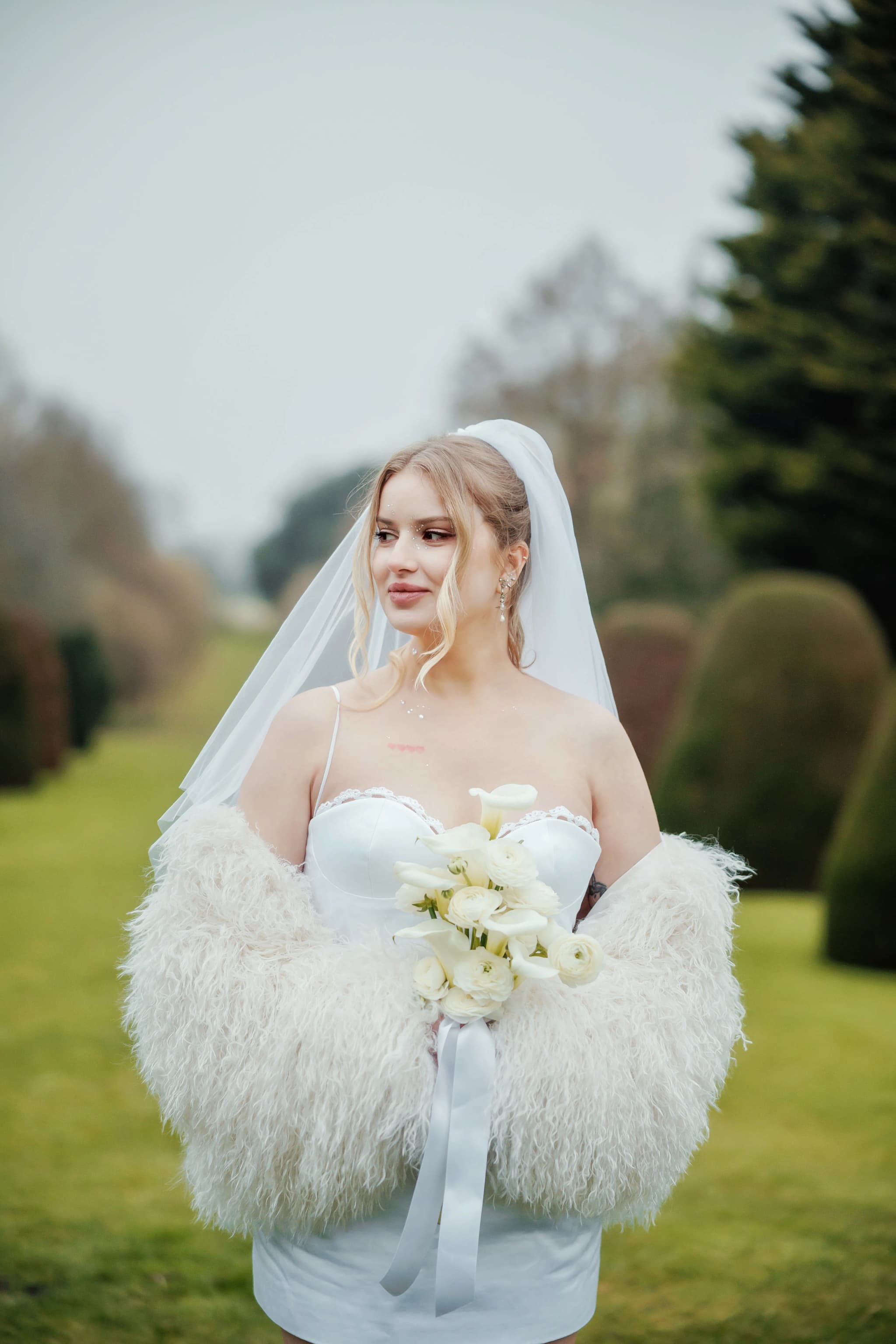
- ◆Evening dress code: Spring evenings in England can be cold — particularly March and early April. An outdoor golden-hour portrait session at 7pm in early April may require a wrap or jacket. Plan for warm layers for the bride and groom in early spring.
- ◆Book early for April: April spring dates — particularly Saturday mornings when blossom is at peak — are the most sought-after in the year for engagement and anniversary sessions, and increasingly for weddings. Enquire early.
Spring Wedding Photography in Cambridge and Beyond
Yana Skukauskaite photographs spring weddings and engagement sessions across England — Cambridge, London, Cambridgeshire, and beyond. Spring dates book early. Get in touch to check availability for your spring wedding or blossom-season session.
Enquire About Spring Wedding Photography →

Yana Skakun
Photographer · England
Professional wedding, family and portrait photographer based in England. Passionate about capturing authentic emotions and timeless moments.
About Yana →spring wedding photography Englandspring wedding photographer UKcherry blossom wedding Englandbluebell wedding photographyspring wedding season UK
Wedding Seasons — Professional Photography in Cambridge & England
Yana Skakun is a professional photographer based in Cambridge, covering weddings, families, and portraits across England. Every session is personal — planned around your story, your people, and the moments that matter most. This guide — Spring Wedding Photography in England: Blossom, Bluebell Season & New Beginnings — is part of the photography journal: practical, experience-based advice drawn from real sessions across England. Whether you arrived searching for spring wedding photography england or spring wedding photographer uk, the same care and attention shapes every session Yana photographs.
Professional Photography sessions are available year-round, with bookings open across Cambridge, Ely, Huntingdon, Peterborough, and further afield — East England, London, the Midlands, and beyond. If you have specific questions about cherry blossom wedding england, mention it in your enquiry. Get in touch through the contact form above to check availability and discuss your session. Enquiries are welcomed from anywhere in the UK.
Frequently Asked Questions
What camera settings should I use for outdoor portraits?+
For outdoor portraits, shoot in aperture priority mode. Use a wide aperture (f/1.8–f/2.8) to blur the background and isolate your subject. Keep ISO as low as possible in good light. In bright conditions, use a neutral density filter or switch to manual to avoid overexposure at wide apertures.
What is the golden hour in photography?+
Golden hour is the period roughly 30–60 minutes after sunrise and before sunset. The sun is low in the sky, producing warm, soft, directional light that flatters skin tones and creates beautiful long shadows. It's widely considered the best natural light for portrait and outdoor photography.
How do you get sharp photos in low light?+
In low light, increase your ISO (accepting some grain), use the widest aperture your lens allows, and slow your shutter speed to the slowest you can hand-hold without camera shake (roughly 1/focal length as a guide). Use image stabilisation if available, and consider a tripod for static subjects.
What is the rule of thirds in photography?+
The rule of thirds divides the frame into a 3×3 grid. Placing your subject on one of the four intersection points — rather than dead centre — creates a more dynamic, visually interesting composition. It's a guideline, not a rule: some of the most powerful images break it deliberately.
How do you edit photos to look professional?+
Professional editing starts with shooting in RAW format. In Lightroom or similar software, correct exposure, white balance, and contrast first. Recover shadow and highlight detail. Apply gentle colour grading for mood. Be conservative with skin retouching — the goal is natural enhancement, not transformation. Consistency across a set of images is what separates professional from amateur editing.
Continue Reading
Related Articles
Wedding Seasons
Summer Wedding Photography in England: Long Days, Golden Evenings & Wildflower Meadows
9 min read · Read Article
Wedding Seasons
Cherry Blossom Wedding Photography in England: Pink Clouds & Romance
8 min read · Read Article
Wedding Seasons
Bluebell Season Wedding Photography: England's Most Magical Natural Backdrop
8 min read · Read Article
Get in Touch
Ready to Book Your Session?
Get in touch to discuss your vision — I'll reply within 24 hours.