Yana Skakun

Tipi Wedding Photography: How to Capture the Festival Vibe
By Yana Skakun·10 June 2026·6 min read
There's a particular kind of magic to a tipi wedding that no marquee or barn quite matches. The canvas peaks, the open sides spilling out onto a meadow, the woodsmoke drifting through the evening light — it's a celebration that feels more like a festival than a formal do. Over the years I've photographed dozens of these across Cambridgeshire and Suffolk, and the relaxed, boho energy is exactly what makes them such a joy to shoot. Here's how I capture that festival vibe so it lives on long after the last sparkler fizzles out.
Why Tipis Photograph Differently
A tipi isn't just a tent — it's a sculptural shape that does half the storytelling for you. Those tall poles draw the eye upward, and when you link two or three Kata or giant hat tipis together, you get these wonderful sweeping interiors that catch light in ways a flat-walled venue never will. The open sides mean you're rarely fighting the gloom you sometimes battle inside a stone barn.
The trade-off is contrast. Bright meadow on one side, deep canvas shadow on the other — I expose for skin tones and let the canvas hold its richness rather than blowing out the daylight beyond. That golden, slightly hazy quality you see in the best tipi photographs comes from working with the light leaking through the open panels, not against it.
Leaning Into the Boho, Relaxed Energy
Couples who choose tipis almost never want stiff, lined-up group shots, and I wouldn't give them to you anyway. The whole point is the looseness — guests barefoot on the grass, a dog wandering through the ceremony, someone's grandad nursing a pint by the firepit. My job is to stay quiet, move constantly, and catch those moments before anyone notices me.
I shoot a lot of these days documentary-style, leaving the choreography to a minimum. The styling deserves the same treatment: dried pampas, macramé backdrops, mismatched rugs and trailing foliage all read beautifully when photographed in soft, honest light rather than blasted with flash. If you've spent months collecting vintage bottles and hand-dyed ribbon, I want every frame to feel as considered as the day itself.
Working With British Weather and Open Sides
Let's be honest about the elephant in the field: this is England. A tipi wedding in a Suffolk meadow can deliver glorious sun at four o'clock and a proper downpour by six. The good news is that tipis are built for it, and rain genuinely makes for some of my favourite images — couples sheltering under a single umbrella, light bouncing off wet grass, the canvas glowing amber against a grey sky.
I always pack for both extremes and scout the site beforehand so I know where to retreat if the heavens open. Practically, I'll keep a clear umbrella and a couple of weather-sealed bodies to hand. The festival spirit means nobody expects perfection, and that freedom shows in the photographs — people laughing in their wellies rather than fretting about a marquee floor.
The Moments I Never Miss at a Tipi Wedding
Every tipi celebration has its own rhythm, but certain moments recur because the setting invites them. These are the beats I plan my timeline around, so nothing gets lost in the lovely chaos of the day.
- ◆Golden hour by the canvas: The hour before sunset turns the tipi walls translucent — I always carve out ten minutes for couple portraits then.
- ◆The firepit gathering: As dusk settles, guests drift toward the flames. It's the warmest, most candid light of the whole evening.
- ◆Barefoot and unscripted: Children running through the meadow, shoes long abandoned — pure festival energy that you can't pose for.
- ◆The lantern or sparkler send-off: Open skies make these exits cinematic. We time them for true darkness so the light really sings.
- ◆Live music and the first dance: Bands and acoustic sets feel right at home here; I shoot wide to catch the crowd and the canvas together.
- ◆Quiet styling details: Pampas, hanging foliage and hand-written signage — captured in soft daylight before guests arrive.
Finding the Right Setting Across the East of England
One of the joys of tipi weddings is that they can happen almost anywhere with a flat field and a generous landowner — family farms, festival-licensed fields, dedicated outdoor venues. Around Cambridgeshire and Suffolk I've worked at everything from rewilded meadows to riverside paddocks, and each brings its own backdrop. A site with a treeline or a big open horizon gives me far more to play with at golden hour than a flat, featureless lawn.
If you're still choosing your spot, think about where the sun sets relative to the tipi opening, whether there's shade for the midday ceremony, and how guests will move between the firepit, the bar and the dance floor. These small logistics shape the photographs as much as the styling does. Visit in the evening if you can — that's when you'll see the light your wedding will actually be photographed in.
Planning a tipi wedding in Cambridgeshire or Suffolk?
I'd love to hear about your meadow, your firepit and the festival vibe you're dreaming up. Let's capture it all, rain or shine.
Check Your Date →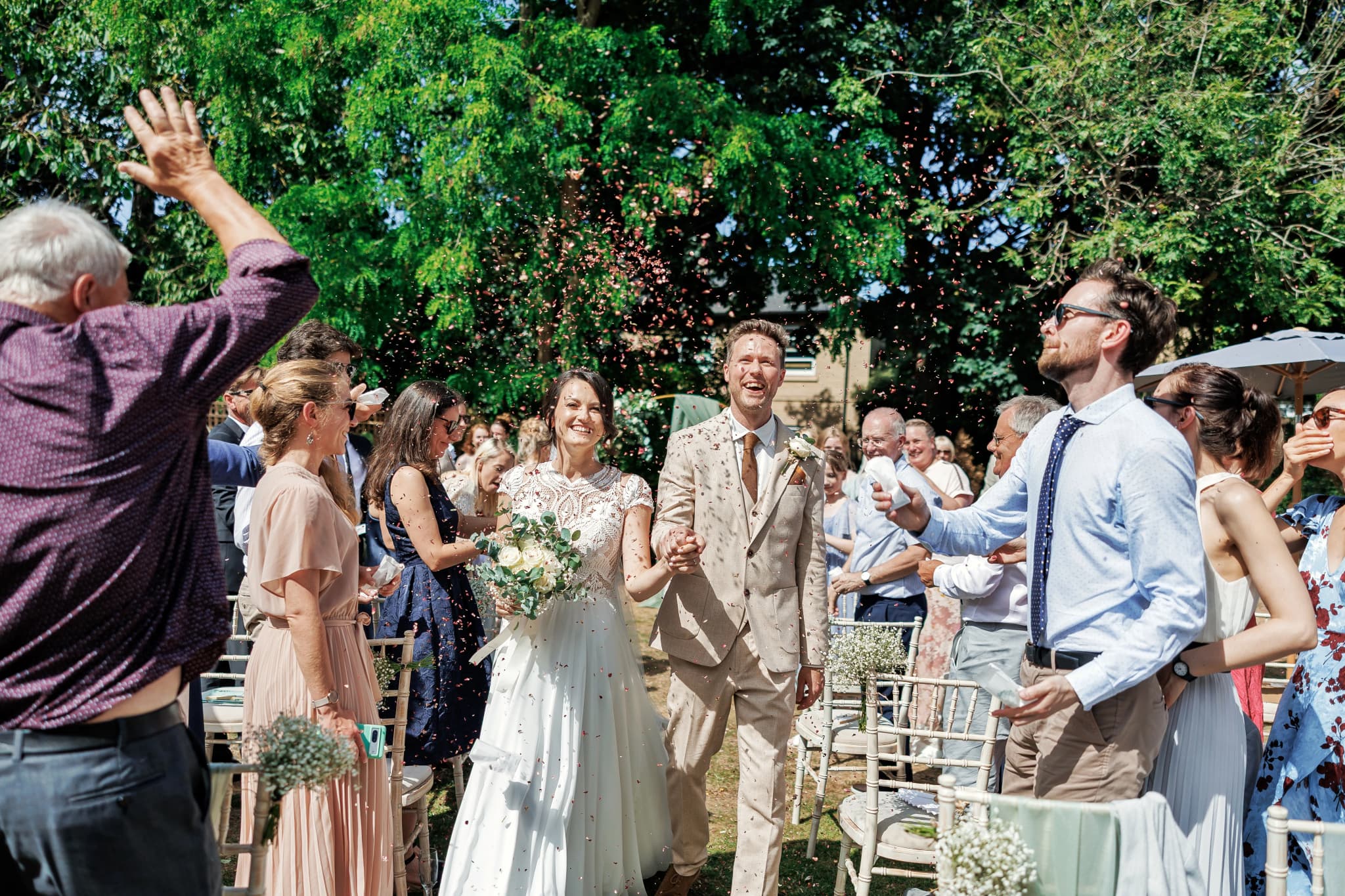

Yana Skakun
Photographer · England
Professional wedding, family and portrait photographer based in England. Passionate about capturing authentic emotions and timeless moments.
About Yana →tipiweddingphotographyfestival
Photography Guide — Professional Photography in Cambridge & England
Yana Skakun is a professional photographer based in Cambridge, covering weddings, families, and portraits across England. Every session is personal — planned around your story, your people, and the moments that matter most. This guide — Tipi Wedding Photography: How to Capture the Festival Vibe — is part of the photography journal: practical, experience-based advice drawn from real sessions across England. Whether you arrived searching for tipi or wedding, the same care and attention shapes every session Yana photographs.
Professional Photography sessions are available year-round, with bookings open across Cambridge, Ely, Huntingdon, Peterborough, and further afield — East England, London, the Midlands, and beyond. If you have specific questions about photography, mention it in your enquiry. Get in touch through the contact form above to check availability and discuss your session. Enquiries are welcomed from anywhere in the UK.
Frequently Asked Questions
What camera settings should I use for outdoor portraits?+
For outdoor portraits, shoot in aperture priority mode. Use a wide aperture (f/1.8–f/2.8) to blur the background and isolate your subject. Keep ISO as low as possible in good light. In bright conditions, use a neutral density filter or switch to manual to avoid overexposure at wide apertures.
What is the golden hour in photography?+
Golden hour is the period roughly 30–60 minutes after sunrise and before sunset. The sun is low in the sky, producing warm, soft, directional light that flatters skin tones and creates beautiful long shadows. It's widely considered the best natural light for portrait and outdoor photography.
How do you get sharp photos in low light?+
In low light, increase your ISO (accepting some grain), use the widest aperture your lens allows, and slow your shutter speed to the slowest you can hand-hold without camera shake (roughly 1/focal length as a guide). Use image stabilisation if available, and consider a tripod for static subjects.
What is the rule of thirds in photography?+
The rule of thirds divides the frame into a 3×3 grid. Placing your subject on one of the four intersection points — rather than dead centre — creates a more dynamic, visually interesting composition. It's a guideline, not a rule: some of the most powerful images break it deliberately.
How do you edit photos to look professional?+
Professional editing starts with shooting in RAW format. In Lightroom or similar software, correct exposure, white balance, and contrast first. Recover shadow and highlight detail. Apply gentle colour grading for mood. Be conservative with skin retouching — the goal is natural enhancement, not transformation. Consistency across a set of images is what separates professional from amateur editing.
Continue Reading
Related Articles


Get in Touch
Ready to Book Your Session?
Get in touch to discuss your vision — I'll reply within 24 hours.