Yana Skakun
Traditional vs Documentary Wedding Photography: An Honest Comparison
By Yana Skakun·19 March 2026·6 min read
One of the most common questions I hear from couples in the early stages of planning is some version of: "What's the difference between traditional and documentary wedding photography, and which one do we actually want?" It is a good question, and one worth taking time over, because the style of photography you choose shapes the entire feel of your wedding album for decades to come. It is not a small decision hidden away in the details — it is one of the few choices that genuinely determines what your day will look like when you look back on it. The short answer is that traditional and documentary photography produce very different kinds of images, built from different philosophies about what a wedding photograph is even for. The longer answer, which I will set out here, is worth understanding properly, because it will help you choose a photographer whose approach matches your vision rather than working against it.
What Traditional Wedding Photography Actually Looks Like
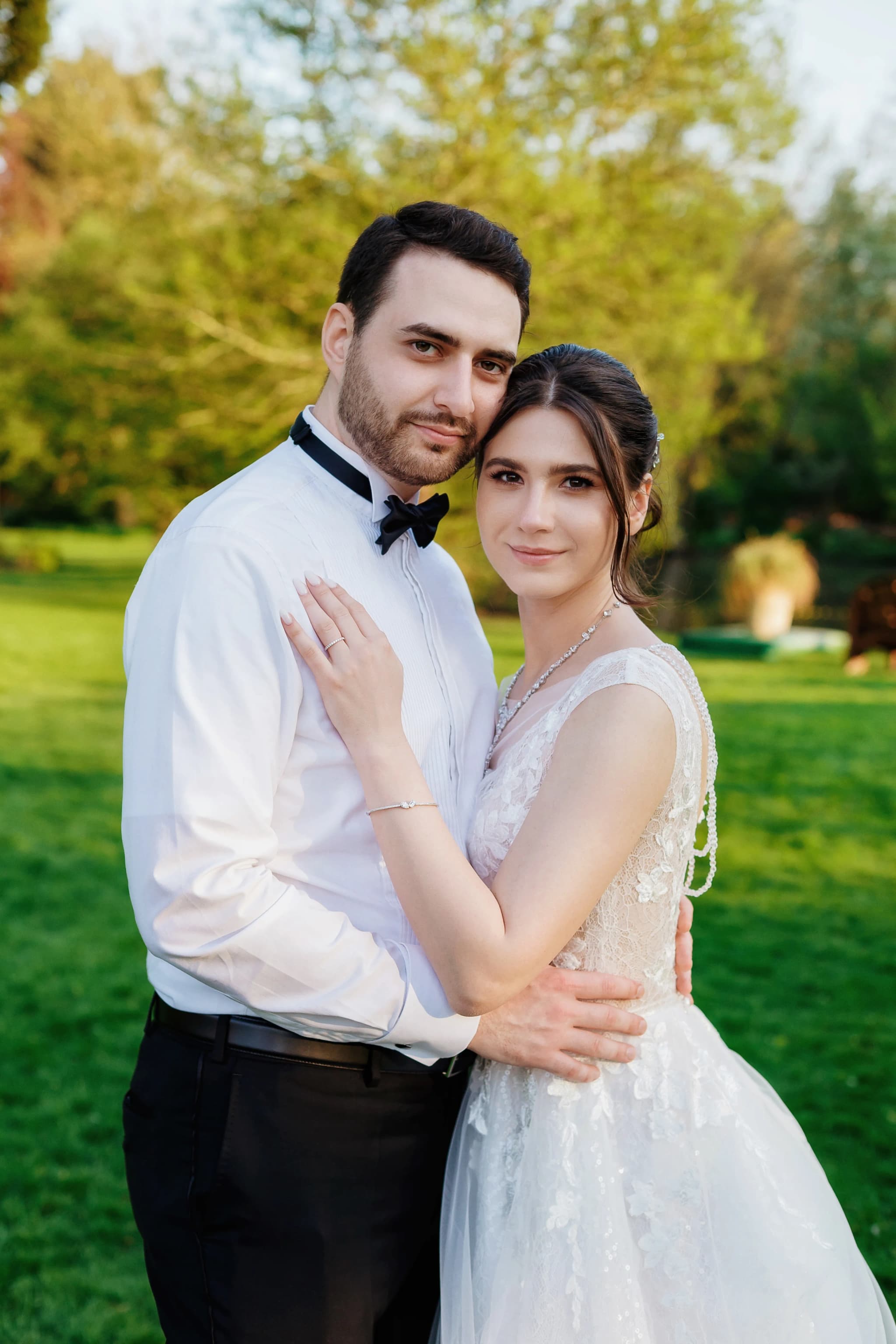
Traditional wedding photography — sometimes called posed or formal photography — is built around deliberately arranged images. The photographer directs the couple and the wider bridal party: stand here, turn slightly towards each other, chin down a fraction, hands folded like this. The photographer is, in effect, the architect of each frame, choosing the light, the background, the composition, and the exact positioning of every person in it before the shutter is pressed. This is the style you will recognise from family wedding albums going back generations — the grid of formal group shots on the church steps, the carefully lit portrait of the couple against a grand doorway, the entire extended family arranged by height and relationship in three neat rows.
The strength of this approach is control. Because the photographer is directing every element, the technical quality is consistent from image to image — the lighting is even, everyone's eyes are open, nobody is caught mid-blink or turned away at an awkward angle. For large family groups in particular, this matters enormously. Getting twenty-five relatives spanning four generations to all look reasonably presentable in a single frame is genuinely difficult, and it very rarely happens by accident. It requires someone taking charge, arranging people with a practised eye, and directing attention to the camera at the right moment.
The limitation is the other side of that same coin. Because the images are built rather than found, they can occasionally feel stiff, formal, or slightly detached from the actual emotional texture of the day. Couples who feel self-conscious in front of a camera sometimes find that this shows through in posed images — a smile that looks a little held, a stance that looks a little rehearsed. And because the photographer is focused on constructing specific shots, the unplanned, spontaneous moments that happen in between — a father-in-law wiping his eyes during the speeches, a flower girl falling asleep on a chair mid-reception — are less likely to be caught, simply because nobody was watching for them at that exact second.
What Documentary Wedding Photography Actually Looks Like
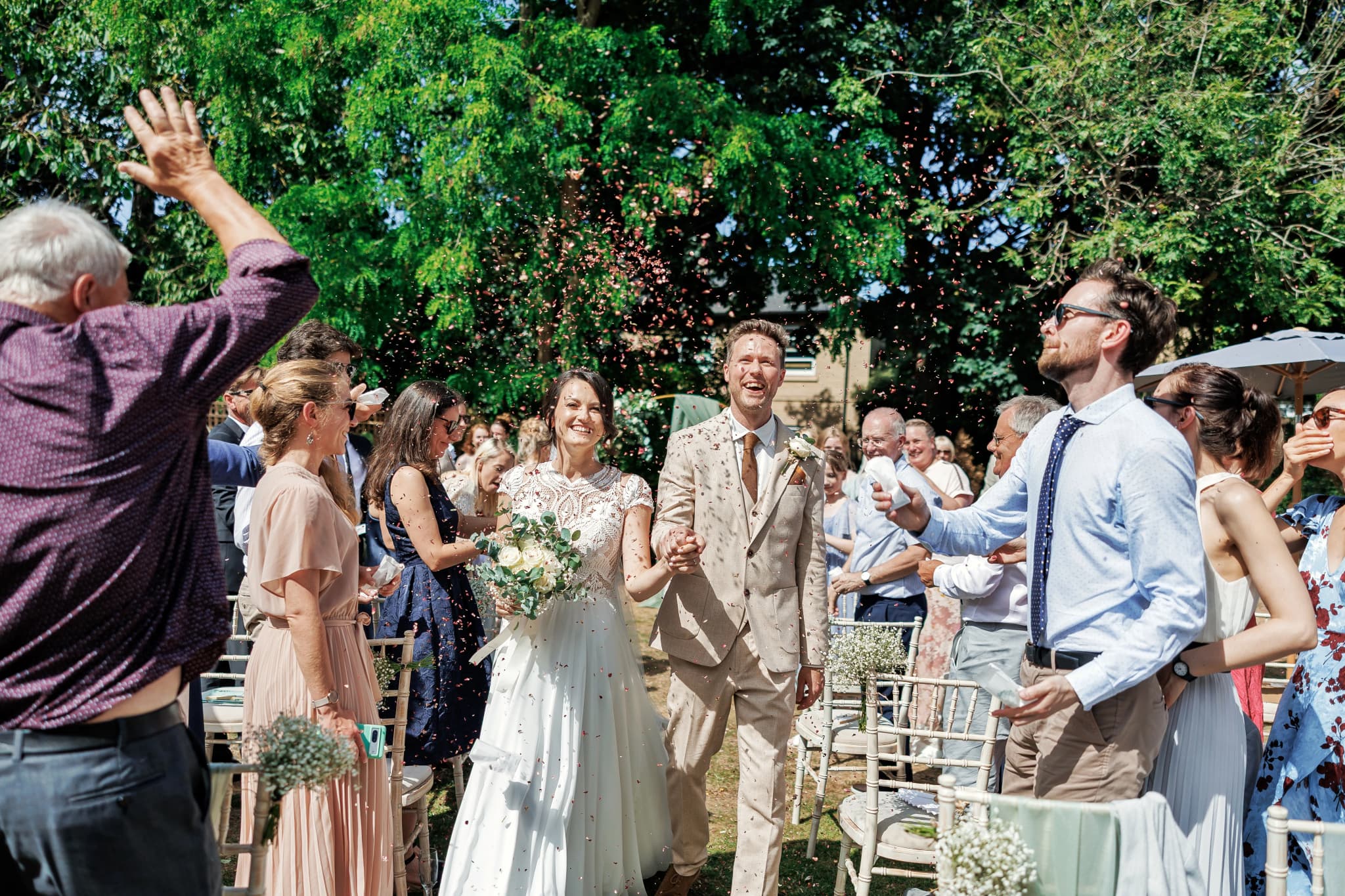
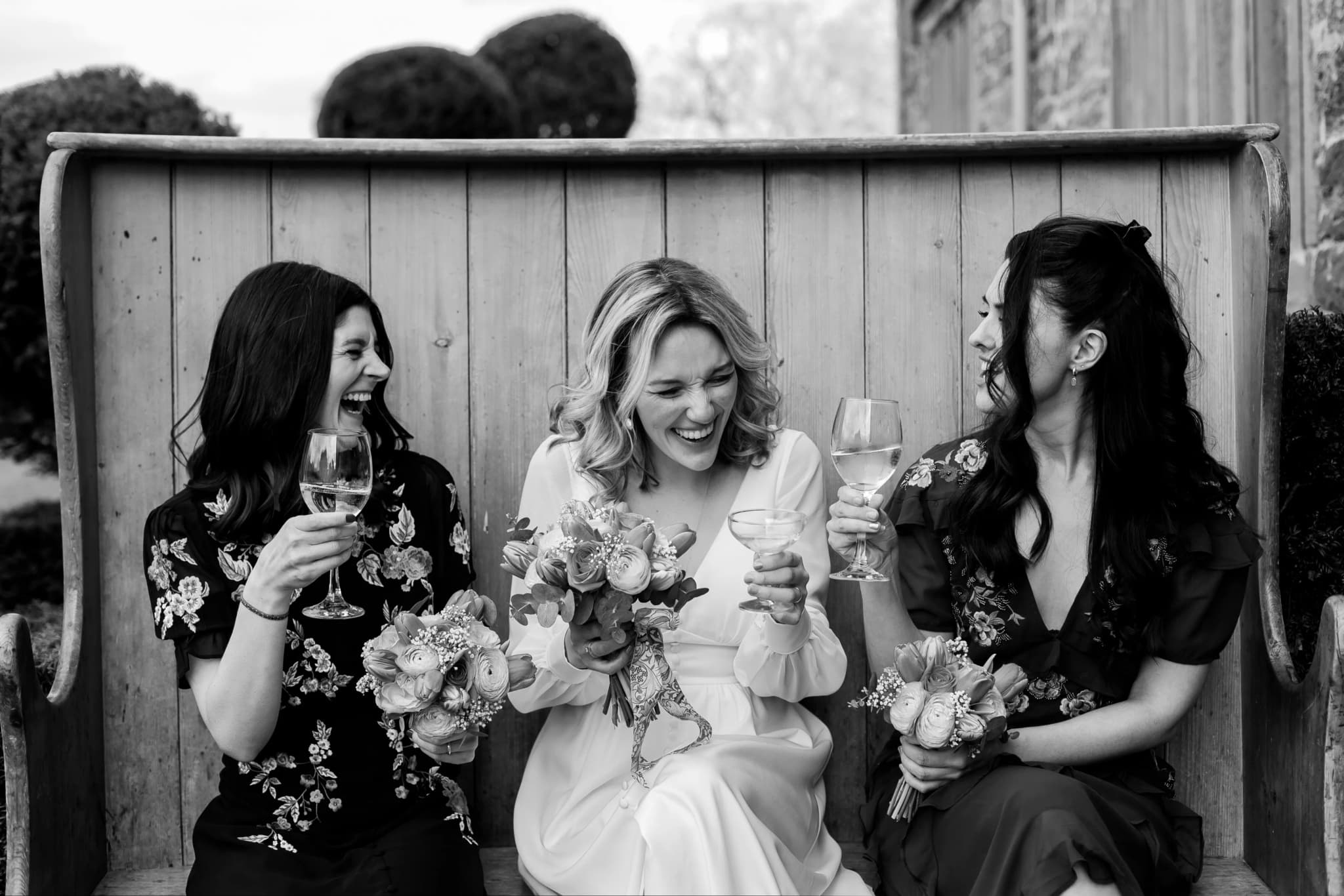
Documentary photography — also called reportage or photojournalistic wedding photography — starts from an entirely different premise. Instead of building images, the photographer observes and records the day as it genuinely unfolds, moving through the rooms and the crowd largely unobtrusively, watching for the moments that arise on their own rather than manufacturing them. This might mean the nervous laughter shared between bridesmaids in the ten minutes before the ceremony starts, the exact expression on a groom's face the instant he first sees his partner walking towards him, the chaos and joy of children weaving between reception tables during the speeches, or the quiet moment two guests share a private joke at the edge of the dance floor while everyone else is watching the first dance.
The strength of documentary work is authenticity. These are not images that could have been staged, because by their nature they only exist because nobody knew they were being photographed at the time. Couples who look back at documentary images years later often describe a particular kind of emotional charge that formal portraits do not carry in the same way — because the documentary image is proof that a specific real thing happened, exactly as it happened, rather than a constructed representation of the day.
The limitation is that documentary photography trades control for authenticity, and that trade has real consequences. Because the photographer is not directing the scene, some moments will inevitably be missed — a guest turns away at the crucial second, the light shifts unhelpfully just as something meaningful happens, a genuinely lovely moment occurs on the far side of the room while the photographer is elsewhere. Large formal group photographs, in particular, are very difficult to achieve through pure documentary technique — getting an entire extended family looking at the camera simultaneously essentially requires some degree of direction, however light-handed. A purely documentary approach, taken to its logical extreme, tends to under-serve the parts of a wedding day that genuinely do benefit from a guiding hand.
The Modern Approach: Blending Both Styles
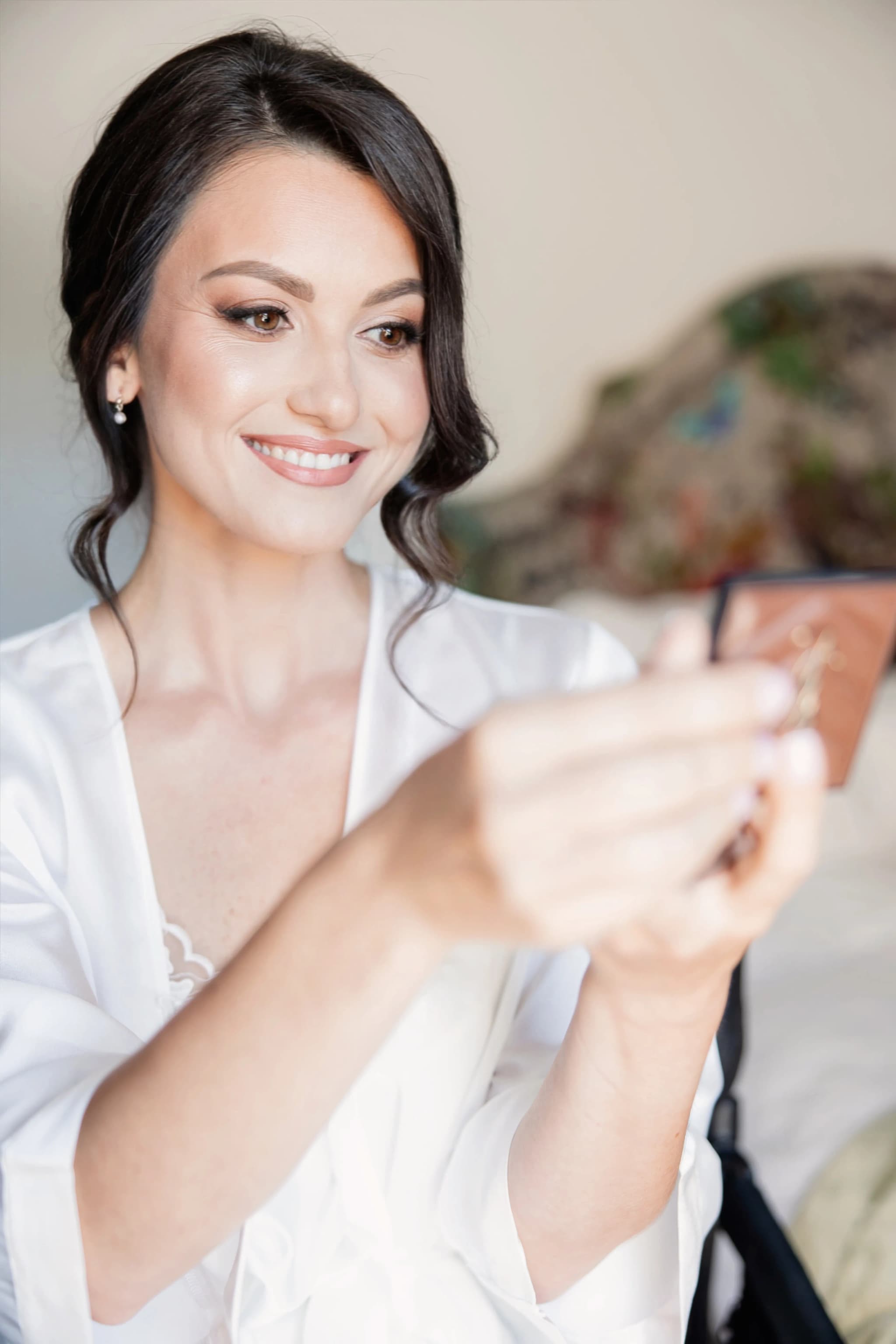
Very few contemporary wedding photographers work in a purely traditional or purely documentary style all day, and I certainly do not. My own approach, refined over a great many weddings, is to move fluidly between the two depending on what each part of the day actually calls for. During the morning preparations, the ceremony itself, and the bulk of the reception, I work documentarily — watching, anticipating, and photographing what is genuinely happening without interrupting it. I try to be present in a room without being a presence in it, which is a skill that takes time to develop and depends heavily on reading a room correctly: knowing when to stay back, when to move closer, and when a moment is about to happen a few seconds before it does.
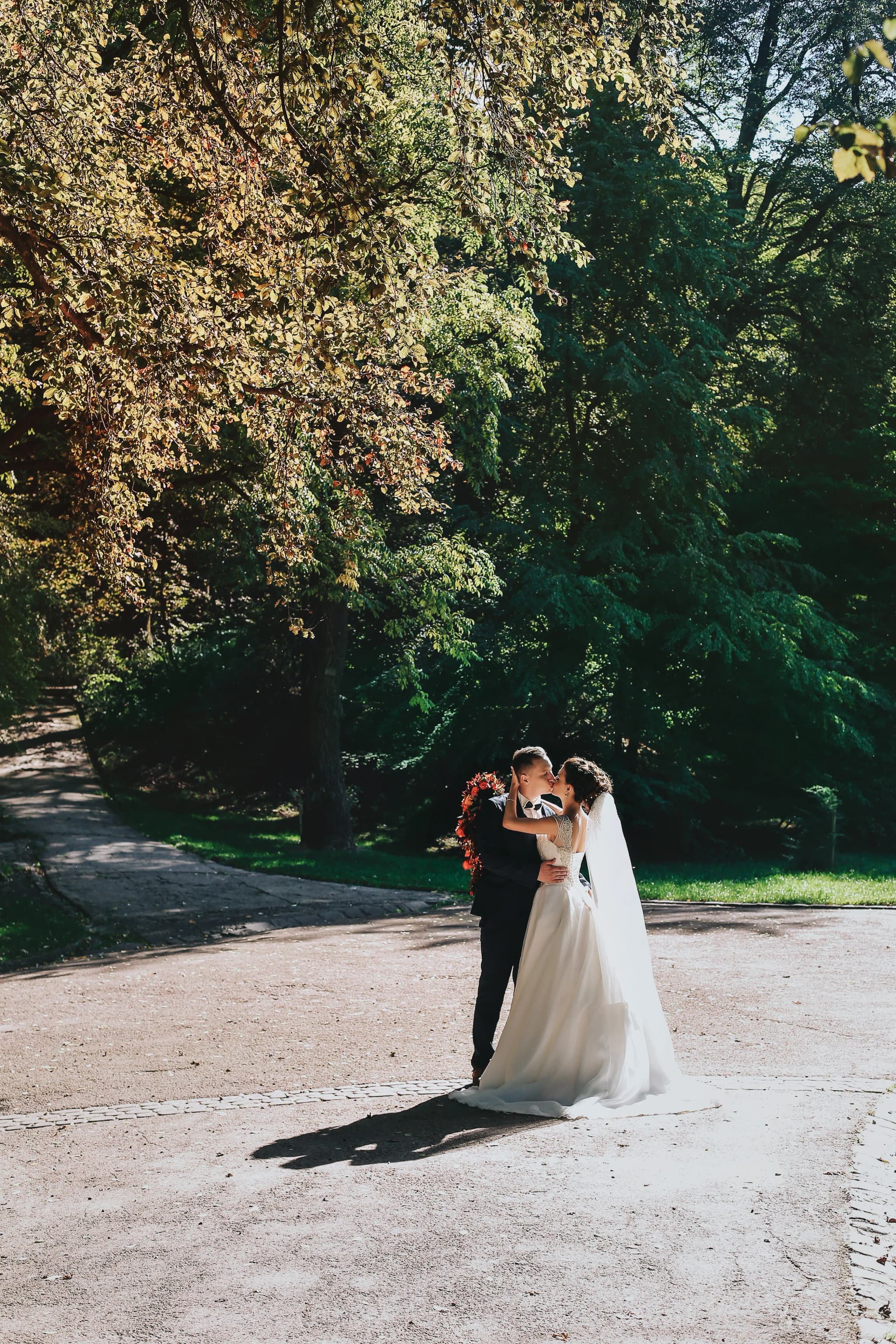
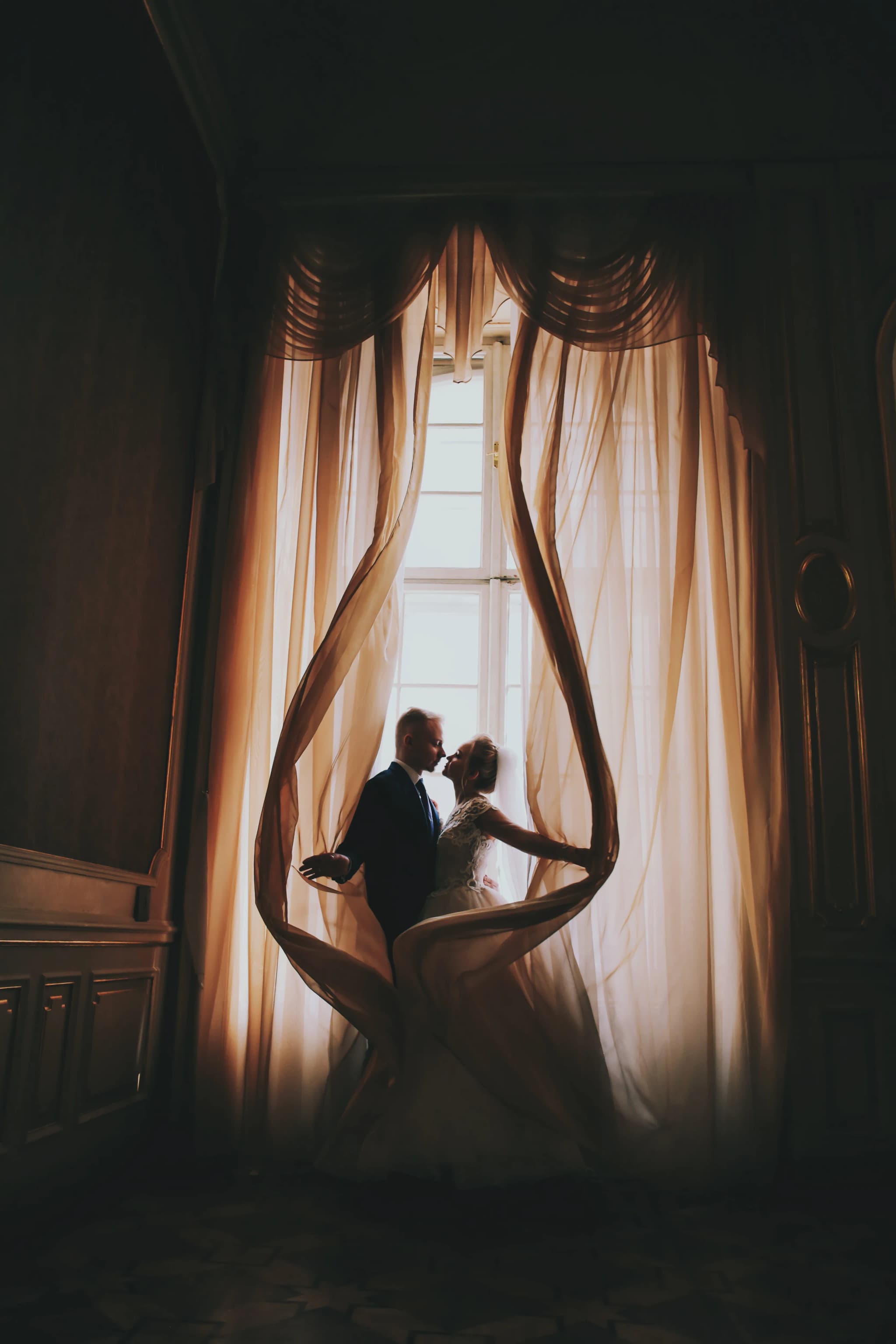
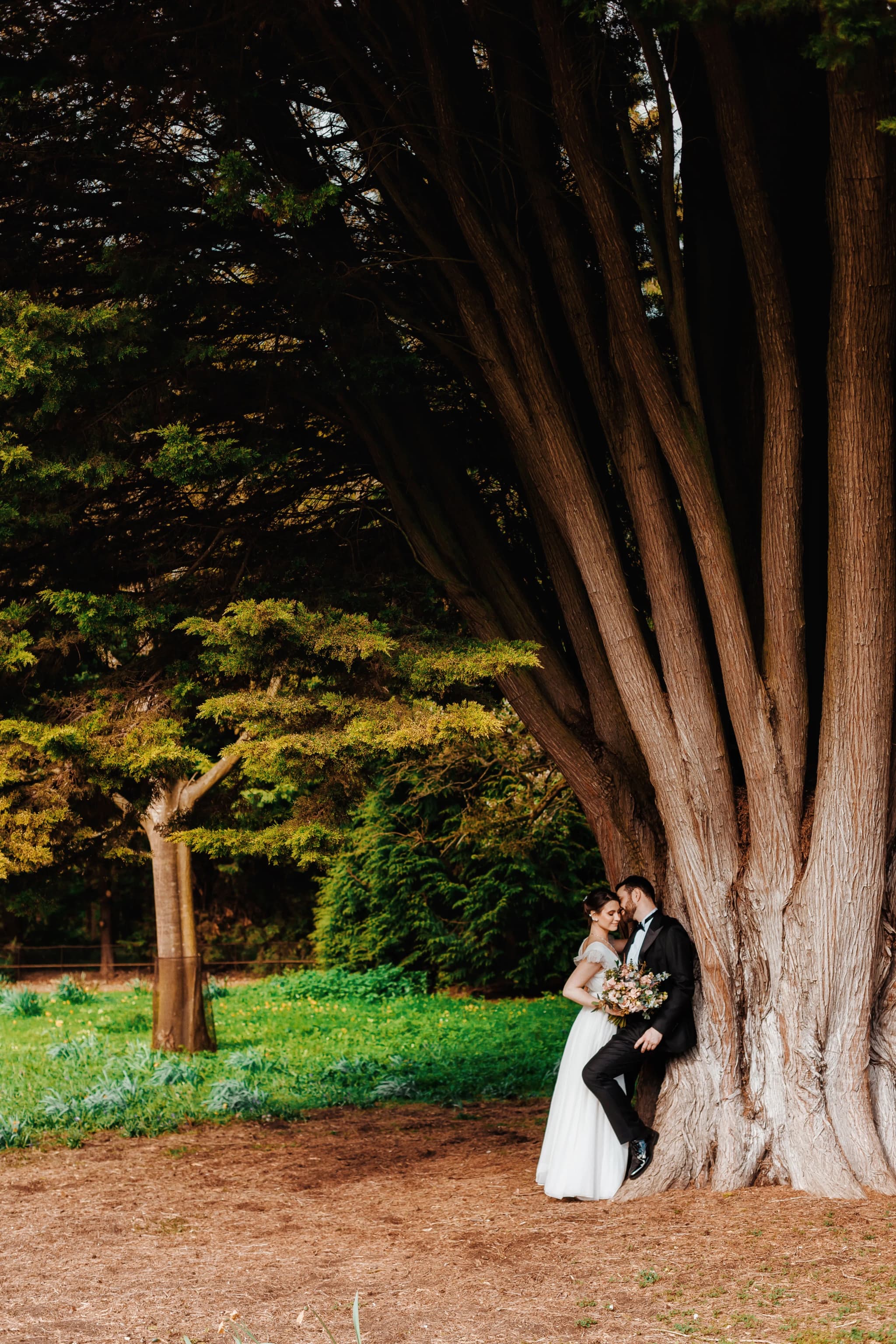
Alongside that documentary thread, I set aside dedicated time — usually somewhere between twenty and forty minutes, depending on the day's schedule and the light available — for directed couple portraits. This is where traditional technique earns its place. I choose a location with good light and an interesting backdrop, offer some gentle positioning guidance, and then, crucially, give instructions that produce genuine reaction rather than a held pose — asking a couple to walk towards me while talking to each other, or to share a private joke, or simply to stand close and forget the camera is there for a moment. The result sits in the space between traditional and documentary: composed enough to be technically beautiful, but natural enough that it does not look like either person was performing for the lens.
The formal family group photographs occupy their own space in this blend. These do require traditional direction — there is no honest way to get twenty relatives looking presentable and facing the same direction without someone organising it — but I try to keep that portion of the day as efficient and light-touch as possible, with a clear pre-agreed shot list so that nobody is standing around confused about who should be in which photograph. Done well, this section takes considerably less time out of the reception than couples often fear, which leaves more of the day free for the documentary work to happen naturally.
How to Tell Which Style a Photographer Actually Works In
Photographers' websites and marketing language do not always make the distinction obvious, so the most reliable way to understand a photographer's real approach is to look carefully at a full wedding gallery rather than a curated highlights page. Highlight reels tend to favour the most dramatic images from any style, which can make a heavily posed photographer's portfolio look more spontaneous than the actual day-to-day experience of working with them. A full gallery, by contrast, shows you the pacing and balance — how many images are clearly directed versus how many were caught in the moment, and how the two are woven together across the arc of a full day.
It is also worth asking a prospective photographer directly how they approach the different parts of a wedding day: how they handle the family formals, how much time they typically ask for couple portraits, and how they work during the reception itself. A photographer who can answer these questions with specifics — rather than vague reassurances — is generally one who has thought carefully about their own process, which tends to correlate with a more consistent and reliable result on the day itself.
Want to see my style in action?
My portfolio shows the blend of documentary observation and creative portrait work I bring to every wedding, from the quiet morning preparations through to the last dance.
Get in touch to discuss your dayWhich Style Is Genuinely Right for You?
Couples who already know they feel awkward or self-conscious in front of a camera tend to be happiest with a photographer who leans towards documentary work, because it removes the pressure of performing for the lens and instead lets genuine moments carry the day. Couples who place real value on having beautiful, timeless formal portraits — the kind that will hang on a wall or sit in a frame on a parent's mantelpiece for years — tend to want a photographer confident and skilled in directed portraiture. In my experience, most couples, once they think it through properly, want both: the authenticity of documentary storytelling for the day as a whole, and a handful of genuinely beautiful, considered portraits that exist because someone with a trained eye took the time to create them deliberately.
The practical way to find that balance for your own wedding is to think honestly about what you actually want to feel when you open your album in ten years' time. If the answer is mostly "I want to remember exactly how the day felt, moment by moment," documentary-led coverage should dominate. If the answer includes "I want a handful of genuinely stunning portraits of the two of us," make sure whoever you book has real, demonstrable skill in directed portrait work, not just documentary instinct. Most weddings benefit from both in careful proportion, which is why I have built my own approach around exactly that blend rather than choosing one philosophy and discarding the other.
Ultimately, the traditional-versus-documentary question is less about picking a side and more about understanding what each approach is good at, so that you can choose — or build with your photographer — the right balance for your particular day and your particular relationship to being photographed. A wedding is both a series of genuine, unrepeatable moments and an occasion that deserves a few carefully made, beautiful portraits, and the best coverage honours both of those truths rather than sacrificing one for the other. If you would like to talk through how I would approach your wedding day specifically, including how I would balance documentary coverage with portrait time given your venue and timeline, get in touch and we can talk it through properly.

Yana Skakun
Photographer · England
Professional wedding, family and portrait photographer based in England. Passionate about capturing authentic emotions and timeless moments.
About Yana →traditional vs documentary wedding photographydocumentary wedding photographer UKposed vs candid wedding photos
Wedding Tips — Wedding Photography in Cambridge & England
Yana Skakun is a professional wedding photographer based in Cambridge, covering weddings across England — from intimate elopements to full-day ceremonies at country houses, barns, and city venues. Every couple receives a relaxed, documentary approach that captures the day as it truly unfolds. This guide — Traditional vs Documentary Wedding Photography: An Honest Comparison — is part of the photography journal: practical, experience-based advice drawn from real sessions across England. Whether you arrived searching for traditional vs documentary wedding photography or documentary wedding photographer uk, the same care and attention shapes every session Yana photographs.
Wedding Photography sessions are available year-round, with bookings open across Cambridge, Ely, Huntingdon, Peterborough, and further afield — East England, London, the Midlands, and beyond. If you have specific questions about posed vs candid wedding photos, mention it in your enquiry. Get in touch through the contact form above to check availability and discuss your session. Enquiries are welcomed from anywhere in the UK.
Frequently Asked Questions
How much does a wedding photographer cost in England?+
Wedding photography in England typically ranges from £1,500 to £4,000+ for a full day. Price depends on experience, coverage hours, and whether albums or engagement shoots are included. Most photographers charge between £2,000–£3,000 for 8–10 hours of coverage.
How early should you book a wedding photographer?+
For peak season (May–September), book 12–18 months in advance. For autumn and winter weddings, 9–12 months is usually sufficient. Popular photographers at popular venues fill up fast — as soon as you have a date and venue confirmed, start reaching out.
How many photos do you get from a wedding photographer?+
Most professional wedding photographers deliver 400–800 edited images for a full-day wedding. The exact number depends on coverage hours, how many guests there are, and the photographer's editing style. Quality matters more than quantity — a curated gallery of 500 images tells the story better than 1,500 unedited files.
Do you need a second photographer at your wedding?+
A second photographer is helpful if you want simultaneous coverage of getting-ready moments in different locations, multiple angles during the ceremony, or more candid coverage during the reception. It adds cost but significantly increases the variety and completeness of your gallery.
What is the difference between documentary and editorial wedding photography?+
Documentary (reportage) wedding photography captures moments as they happen — the photographer observes and doesn't intervene. Editorial photography involves deliberate direction: placing you in good light, shaping compositions, creating intentional portraits. Most photographers blend both styles throughout the day.
Continue Reading
Related Articles

Wedding Tips
Sustainable Eco-Friendly Wedding Guide — Planning a Green Celebration
15 min read · Read Article
Wedding Tips
Trash the Dress Session — Complete Planning and Photography Guide
14 min read · Read Article
Wedding Tips
Client Communication for Photographers — From Enquiry to Gallery Delivery
15 min read · Read Article
Get in Touch
Ready to Book Your Session?
Get in touch to discuss your vision — I'll reply within 24 hours.