Yana Skakun

Wedding Photographer Emergency Kit: What I Bring to Every Wedding
By Yana Skakun·10 June 2026·6 min read
There's a small canvas bag that travels with me to every wedding, and it has nothing to do with cameras. It holds pins, plasters, stain wipes and a dozen other unglamorous little things. Over more than a decade of photographing weddings across Cambridgeshire and Suffolk, I've learned that the difference between a stressful morning and a smooth one is rarely the lens I chose — it's whether I had a safety pin when a bridesmaid's strap gave way at half past one.
Why a photographer carries an emergency kit at all
People assume my job starts when the ceremony does. In reality, I'm often the first supplier in the room and the last one out, which means I see every wobble: the button that pops, the hem that catches on a heel, the nervous father who forgets his boutonnière. I'm not the planner and I'm not the dresser, but I'm standing right there with the camera — so I might as well be useful.
A wedding photographer emergency kit is really just kindness you can fit in a side pocket. It buys calm. When a bride sees that the brown smudge on her ivory dress is already lifting under a stain wipe, her shoulders drop, and a relaxed person photographs beautifully. The kit isn't about looking heroic; it's about removing the tiny disasters that would otherwise hijack twenty precious minutes of the day.
I've refined mine through trial and embarrassment. Early on I carried far too much — a whole first-aid cupboard that I never opened. Now it's lean, deliberate, and everything in it has earned its place by actually rescuing a moment.
The small saves that rescue a whole day
Here's what genuinely lives in my bag and why. None of this is theoretical — each item has a story attached to a real morning in a real bridal suite somewhere between Cambridge and the coast.
- ◆Safety pins & mini sewing kit: For straps that surrender, hems that drop and the groom's trousers that split during the first dance. A spool of ivory and one of black thread covers nearly every outfit in the room.
- ◆Stain wipes & a Tide-style pen: Red wine, fake tan transfer and grass marks are the classic three. Blotting fast, before anyone panics, saves the dress and the timeline.
- ◆Plasters & blister pads: New shoes plus a marquee lawn equals tears by the speeches. A blister plaster keeps the bride dancing instead of barefoot in the car park.
- ◆Tissues, mints & deodorant wipes: Emotional ceremonies, warm churches and long summer days in Suffolk fields. Small comforts that keep everyone close-up ready.
- ◆Double-sided fashion tape: Necklines, lapels and that one bridesmaid dress that simply will not stay put on the shoulder. Invisible in photos, invaluable in person.
- ◆Paracetamol, hayfever tablets & a phone bank: A thumping head or a streaming nose at a June wedding ruins a face. Antihistamines have saved more group photos than any reflector I own.
Weather, venues and the British curveballs
If you're marrying in the UK, the weather is part of your kit list whether you like it or not. I keep a few clear umbrellas in the boot — clear, because they let light through and don't cast a sickly colour over faces. For the barn weddings around the Cambridgeshire fens and the converted farmsteads in Suffolk, I add gaffer tape and spare batteries, because rural venues love a temperamental power socket and a trailing cable waiting to trip a guest in heels.
Outdoor ceremonies bring their own small saves. Flat shoes or wellies for the bride to cross a muddy field for portraits, blankets for a sudden chill at a coastal wedding near Aldeburgh, and a flannel to wipe down a rain-spotted bench before anyone sits. None of it is glamorous, but it means we keep shooting when the cloud breaks rather than scrambling for solutions.
How I actually use it on the day
The trick is offering quietly. I never make a fuss or announce that something has gone wrong — I just appear at an elbow with a pin or a wipe and the problem dissolves before anyone else notices. Most of the time the bride doesn't even register it happened until she sees the photographs and asks how on earth her dress stayed so spotless after lunch.
I also brief the people around me. A quick word with the bridesmaids at the start — “I've got pins, plasters and stain stuff, just say” — turns me into a safety net they relax into. By the time we reach the confetti and the speeches, the wedding party knows the small stuff is handled, and that trust is exactly what lets me catch the honest, unguarded frames I'm really there for.
The kit costs me about twenty pounds a year to top up. The return is a calmer couple, a smoother day and pictures that look effortless because, behind the scenes, someone made sure they could be.
Building your own version
If you're a couple reading this, you don't need to carry all of it yourself — but it's worth asking your suppliers what they bring. A photographer or planner who travels with a thought-through emergency kit is telling you something about how they work: that they notice the details and quietly take care of them. That instinct shows up in the photographs too.
And if you're a fellow photographer, start small. Keep the bag light enough that you'll actually carry it from the prep room to the reception, and let real weddings tell you what to add. Mine grew one tiny rescue at a time, and now I genuinely wouldn't walk into a bridal suite in Cambridge without it.
Want a photographer who's ready for whatever the day throws at it?
I cover weddings across Cambridgeshire, Suffolk and beyond — camera in one hand, pins and plasters in the other. Let's see if I'm free for yours.
Check Your Date →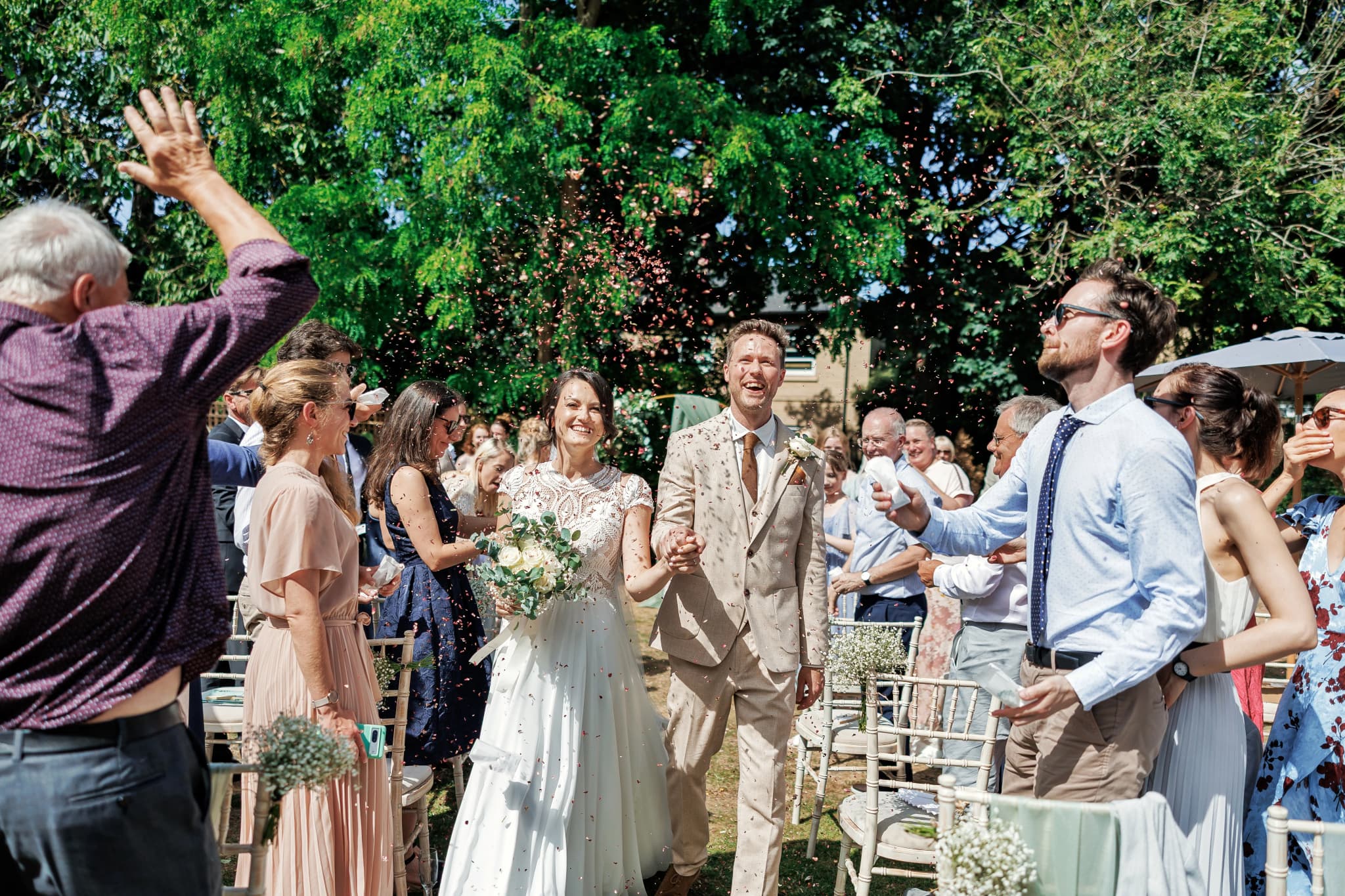

Yana Skakun
Photographer · England
Professional wedding, family and portrait photographer based in England. Passionate about capturing authentic emotions and timeless moments.
About Yana →weddingphotographeremergencykit
Behind the Scenes — Professional Photography in Cambridge & England
Yana Skakun is a professional photographer based in Cambridge, covering weddings, families, and portraits across England. Every session is personal — planned around your story, your people, and the moments that matter most. This guide — Wedding Photographer Emergency Kit: What I Bring to Every Wedding — is part of the photography journal: practical, experience-based advice drawn from real sessions across England. Whether you arrived searching for wedding or photographer, the same care and attention shapes every session Yana photographs.
Professional Photography sessions are available year-round, with bookings open across Cambridge, Ely, Huntingdon, Peterborough, and further afield — East England, London, the Midlands, and beyond. If you have specific questions about emergency, mention it in your enquiry. Get in touch through the contact form above to check availability and discuss your session. Enquiries are welcomed from anywhere in the UK.
Frequently Asked Questions
What does a photographer carry in their camera bag?+
A professional wedding or portrait photographer typically carries at least two camera bodies (primary and backup), 3–5 lenses covering wide to telephoto, multiple flash units, batteries and memory cards, a laptop for tethering if shooting in studio, and various accessories. The exact kit depends on the assignment and shooting conditions.
How do photographers edit their photos?+
Most photographers shoot in RAW format and use Adobe Lightroom for primary culling, colour grading, and global adjustments. Photoshop is used for detailed retouching where needed. Many photographers develop custom presets that establish their signature colour palette, then fine-tune each image individually. A typical wedding gallery of 600 images can take 20–40 hours to edit.
How long does it take to receive wedding photos?+
Most professional wedding photographers deliver final edited galleries within 4–8 weeks of the wedding date. Some offer 6–10 week turnaround, particularly during peak season when workload is highest. Discuss expected delivery timelines before booking and confirm it in your contract.
What backup systems do professional photographers use?+
Professional photographers back up images immediately after a shoot, often using dual-card capture during the wedding day itself (if the camera supports it). After the event, files are backed up to at least two separate drives and often a cloud service. Losing a client's images is a career-ending event — every working professional takes data security extremely seriously.
Do wedding photographers watermark their photos?+
Professional photographers typically do not watermark the digital files delivered to clients. Watermarks on personal images are inconvenient for clients and look unprofessional. Watermarking is more common on low-resolution online preview images or social media posts, but delivered gallery images are usually clean and ready to print.
Continue Reading
Related Articles
Behind the Scenes
Behind the scenes: A spring wedding in Cambridgeshire
8 min read · Read Article

Behind the Scenes
Carbon Neutral Wedding Photographer: How I Offset My Travel Emissions
6 min read · Read Article

Behind the Scenes
What is an Eco-Friendly Wedding Photographer? (My Commitment)
6 min read · Read Article
Get in Touch
Ready to Book Your Session?
Get in touch to discuss your vision — I'll reply within 24 hours.