Yana Skakun

The Anatomy of a £2500 Wedding Photographer: Where the Hours Go
By Yana Skakun·10 June 2026·6 min read
When someone sees '£2,500' next to 'wedding photography' for the first time, the maths in their head is usually simple: eight hours on the day, divided into the fee, equals an eye-watering hourly rate. I understand the instinct entirely. But after a decade photographing weddings across Cambridgeshire and Suffolk, I can tell you the wedding day is the smallest part of the job. Here is an honest, hour-by-hour breakdown of where that money actually goes — from the first enquiry email to the moment your album lands on the doormat.
Before You Even Book: The Enquiry and Planning Hours
Long before a contract is signed, the clock is already running. A typical enquiry involves a personalised reply, a consultation call or coffee in Cambridge, and a tailored quote rather than a copy-paste price list. I'll often spend two or three hours per couple at this stage, and many of those conversations never turn into bookings — which means the couples who do book are quietly covering the cost of the ones who didn't.
Once you're booked, planning continues for months. There's the timeline you build together, the questionnaire about family dynamics and must-have shots, and the venue research. If you're marrying somewhere like the Granary Estates or a barn out near Bury St Edmunds, I'll check sunset times, scout where the light falls at 6pm in June, and plan around the very real possibility of a downpour. That groundwork is invisible on the day, which is precisely why it works.
The Wedding Day Itself: More Than the Headline Hours
Let's say your coverage is 'eight hours'. In reality, my day starts before that. There's loading and checking kit the night before, the drive to your venue (Suffolk lanes are not known for their motorways), and arriving early to settle in before I lift a camera. Then there are the hours themselves — bridal prep, the ceremony, confetti, portraits, the speeches, the first dance — rarely a moment to sit down, constantly anticipating the next fleeting expression.
I also carry the weight of redundancy. Two camera bodies, backup lenses, spare batteries and multiple memory cards, all because there is no second take on a wedding. When the registrar asks if anyone objects, I'm already framed on the parents' faces. That readiness, sustained across ten or twelve hours including travel, is physically and mentally demanding in a way the 'eight hour' label never captures.
After the Confetti Settles: The Editing Marathon
This is where most of the hidden hours live. A single wedding generates somewhere between 2,000 and 4,000 frames. The first task is the cull — reviewing every image and selecting the 400 to 600 that tell your story properly. Then comes the edit: colour grading for consistent skin tones, balancing the mixed lighting of a candlelit reception, and hand-finishing the key images so a grey Cambridgeshire sky doesn't flatten your portraits.
Here is roughly where the post-wedding hours go for a single booking:
- ◆Culling and selection: Reviewing thousands of frames to choose the strongest 400–600 images. Roughly 4–6 hours.
- ◆Colour and exposure editing: Grading every selected image for consistent tone across changing light. 10–15 hours.
- ◆Detailed retouching: Hand-finishing portraits and hero shots, removing distractions. 3–5 hours.
- ◆Gallery preparation: Exporting, organising and uploading your online gallery. 2–3 hours.
- ◆Album design: Sequencing and laying out a story-driven album for print. 4–8 hours.
- ◆Backups and archiving: Storing your images across multiple drives and the cloud for years. Ongoing.
Add it up and a wedding I photographed for eight hours typically takes 30 to 40 hours to deliver in full. The day you see is the tip; the editing is the iceberg beneath it.
The Costs You Never See on the Day
The fee isn't pure profit, either. Professional camera bodies and lenses cost several thousand pounds each and need replacing every few years. Then there's editing software, gallery hosting, album supplier costs, public liability and equipment insurance, accountancy, and a constant trickle of memory cards and hard drives. As a self-employed photographer in the UK, I also set aside tax and National Insurance from every booking, fund my own pension, and take no holiday pay when I'm unwell or it's the quiet winter months.
Marketing, a website, and the years of training and second-shooting before I went solo all sit inside that number too. When you book a wedding photographer, you're not buying a day of work — you're buying a small business's worth of expertise, equipment and reliability, distilled into one of the most important days of your life.
So, Is £2,500 Fair?
Once you spread those 30-plus hours of work across the kit, the insurance, the tax and the years of experience that let me stay calm when the heavens open over a Newmarket marquee, that headline figure starts to look very different. It's not a luxury markup on a single day — it's a fair rate for a craft that quietly runs for months around your wedding.
I share this not to justify a price, but so you can book with clear eyes. The photographers worth their fee are the ones investing those hidden hours, and now you know exactly where they go.
Planning a wedding in Cambridgeshire or Suffolk and want a photographer who'll put the hours in?
I take a limited number of weddings each year so every couple gets the full attention their day deserves. Let's find out if your date is still free.
Check Your Date →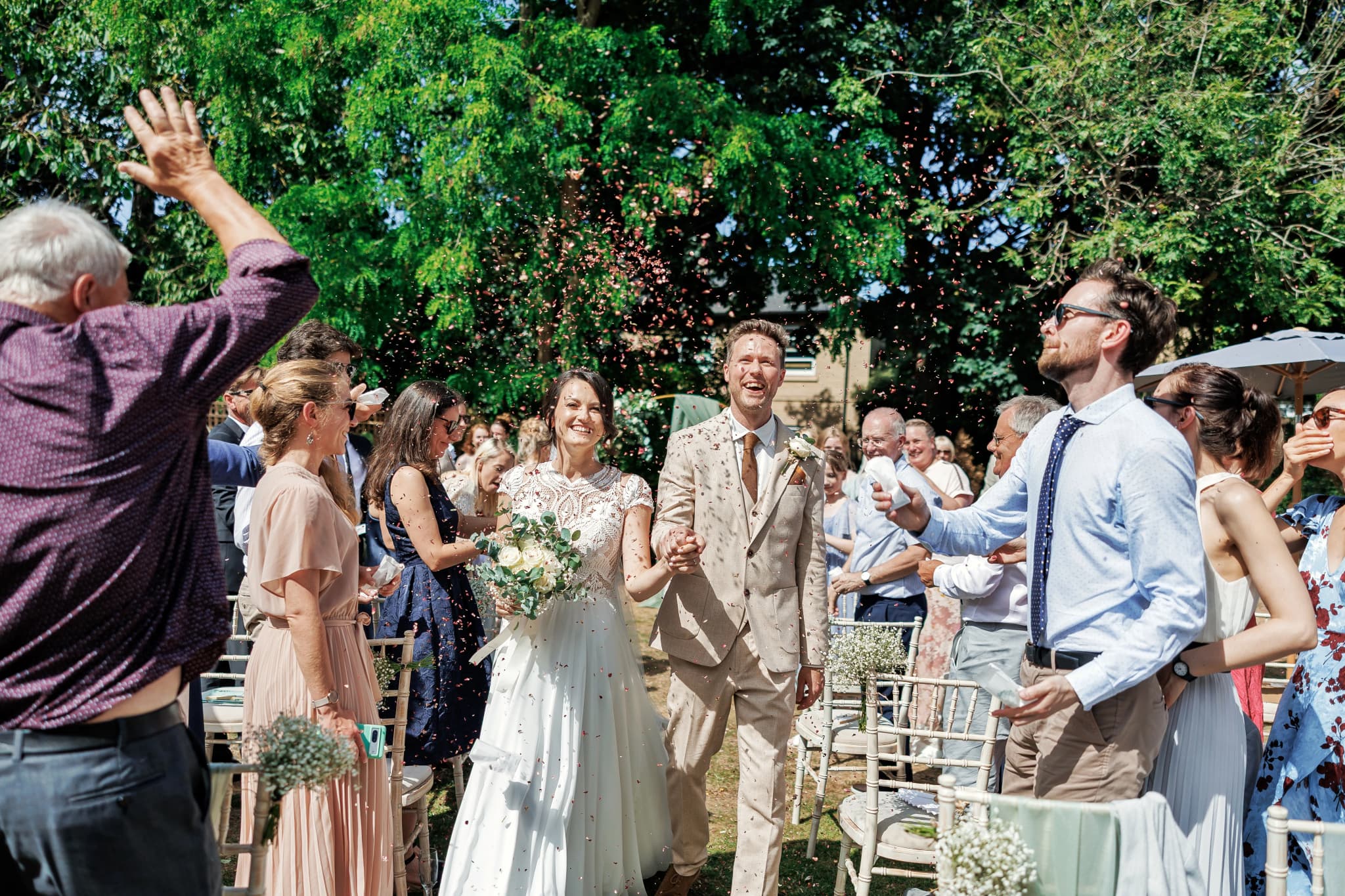

Yana Skakun
Photographer · England
Professional wedding, family and portrait photographer based in England. Passionate about capturing authentic emotions and timeless moments.
About Yana →weddingphotographerhoursbreakdown
Behind the Scenes — Professional Photography in Cambridge & England
Yana Skakun is a professional photographer based in Cambridge, covering weddings, families, and portraits across England. Every session is personal — planned around your story, your people, and the moments that matter most. This guide — The Anatomy of a £2500 Wedding Photographer: Where the Hours Go — is part of the photography journal: practical, experience-based advice drawn from real sessions across England. Whether you arrived searching for wedding or photographer, the same care and attention shapes every session Yana photographs.
Professional Photography sessions are available year-round, with bookings open across Cambridge, Ely, Huntingdon, Peterborough, and further afield — East England, London, the Midlands, and beyond. If you have specific questions about hours, mention it in your enquiry. Get in touch through the contact form above to check availability and discuss your session. Enquiries are welcomed from anywhere in the UK.
Frequently Asked Questions
What does a photographer carry in their camera bag?+
A professional wedding or portrait photographer typically carries at least two camera bodies (primary and backup), 3–5 lenses covering wide to telephoto, multiple flash units, batteries and memory cards, a laptop for tethering if shooting in studio, and various accessories. The exact kit depends on the assignment and shooting conditions.
How do photographers edit their photos?+
Most photographers shoot in RAW format and use Adobe Lightroom for primary culling, colour grading, and global adjustments. Photoshop is used for detailed retouching where needed. Many photographers develop custom presets that establish their signature colour palette, then fine-tune each image individually. A typical wedding gallery of 600 images can take 20–40 hours to edit.
How long does it take to receive wedding photos?+
Most professional wedding photographers deliver final edited galleries within 4–8 weeks of the wedding date. Some offer 6–10 week turnaround, particularly during peak season when workload is highest. Discuss expected delivery timelines before booking and confirm it in your contract.
What backup systems do professional photographers use?+
Professional photographers back up images immediately after a shoot, often using dual-card capture during the wedding day itself (if the camera supports it). After the event, files are backed up to at least two separate drives and often a cloud service. Losing a client's images is a career-ending event — every working professional takes data security extremely seriously.
Do wedding photographers watermark their photos?+
Professional photographers typically do not watermark the digital files delivered to clients. Watermarks on personal images are inconvenient for clients and look unprofessional. Watermarking is more common on low-resolution online preview images or social media posts, but delivered gallery images are usually clean and ready to print.
Continue Reading
Related Articles
Behind the Scenes
Behind the scenes: A spring wedding in Cambridgeshire
8 min read · Read Article

Behind the Scenes
Carbon Neutral Wedding Photographer: How I Offset My Travel Emissions
6 min read · Read Article

Behind the Scenes
What is an Eco-Friendly Wedding Photographer? (My Commitment)
6 min read · Read Article
Get in Touch
Ready to Book Your Session?
Get in touch to discuss your vision — I'll reply within 24 hours.