Yana Skakun
The Biggest Wedding Photography Regrets in the UK (And How to Avoid Them)
By Yana Skakun·13 March 2026·7 min read
The wedding photo regret is a specific kind of grief — different from wishing you'd chosen a different venue or served better food, because photographs are permanent in a way those things aren't. Every year, photographers receive messages from couples whose weddings happened years ago, still asking whether there's anything that can be done. There usually isn't. Here is what those couples wished they'd known beforehand.
“We Booked Cheap and It Shows”
This is the most common regret by a wide margin. Couples who prioritised budget over quality — for entirely understandable reasons — and ended up with technically poor photographs: dark, blurry images from a reception where the photographer struggled with low light; flat, uninspired portraits that captured the faces but not the feeling; an edited gallery that looks nothing like the warm, natural images the photographer posted on their social media.
The practical reality is that photography is one of the few wedding investments that directly determines what you have left after the day. The flowers are gone. The food is gone. The photographer's work is what remains. Couples who spent £400 on a photographer to save money frequently express, in retrospect, that they would have reduced the floral budget or had fewer guests to fund better photography instead.
“We Didn't Get Photos of the Small Things”
The dress hanging in the window light. The handwritten vows folded on the table. The grandmother's face during the first dance. The bouquet detail that took three months to design. These are the images couples refer to most when they look back — and the ones that require an experienced, attentive photographer to prioritise and capture without being directed to do so.
Document photographers who work primarily in reportage style consistently capture more detail shots than those who focus on posed portraits. Ask any photographer you're considering about their approach to details and have them show you examples of detail work from complete galleries, not just highlight shots.
“We Rushed the Couple Portraits”
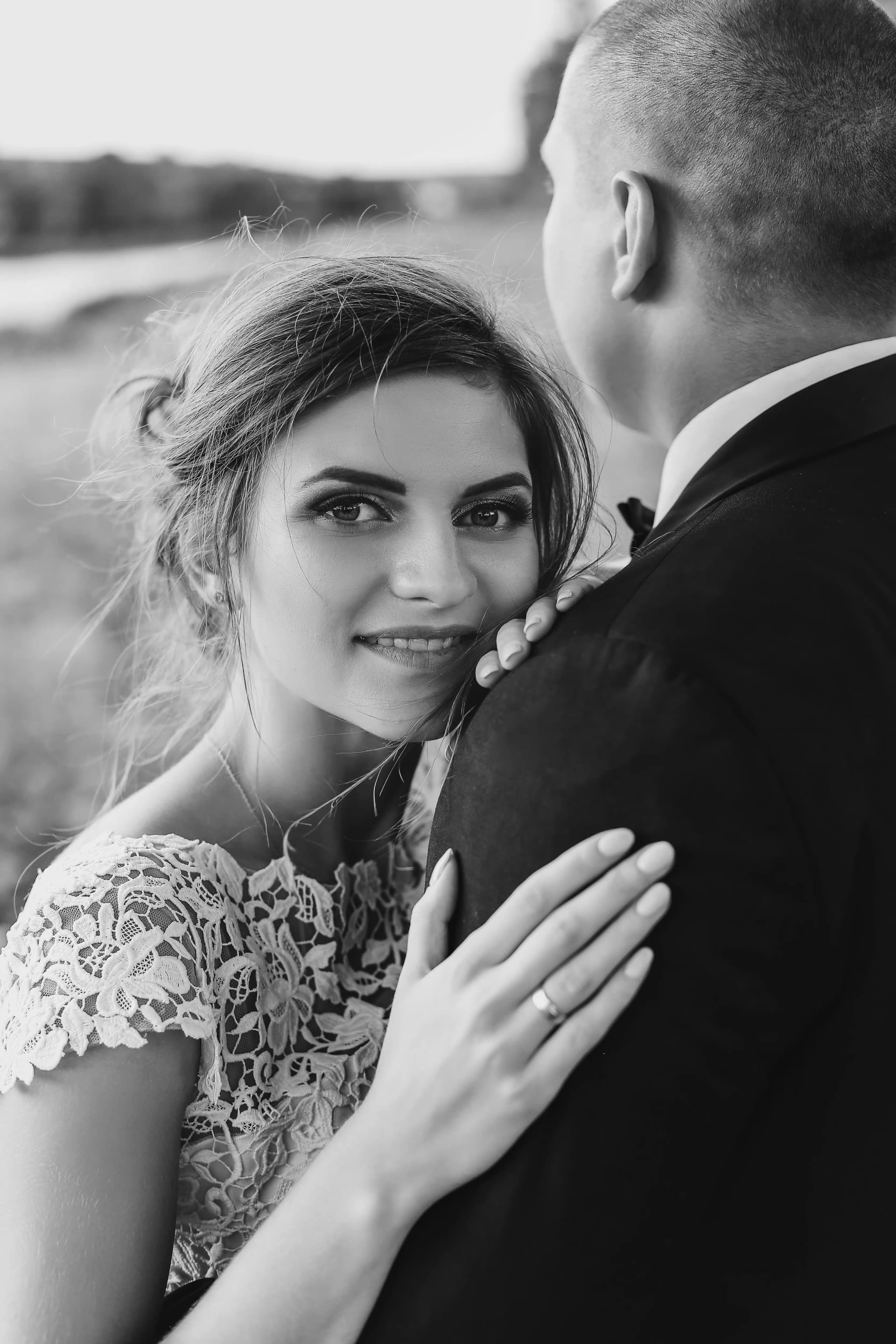
Twenty minutes — or fifteen, or in some cases ten — allocated for the only photographs of the two of you together on your wedding day. This happens regularly, and it is almost always a decision couples wish they could reverse. The pressures are real: guests need to be entertained, the meal is being plated, you want to actually enjoy your wedding day. But the photographs from those fifteen minutes will be on your wall for decades.
The solution isn't complex. Build 35–45 minutes into your timeline for couple portraits, use either a golden hour window (30–60 minutes before sunset) or find a time just after the ceremony while guests are at the drinks reception. Your guests will be well looked after during that time. You will not regret the photographs.
“We Didn't Have a Second Photographer”
A single photographer cannot be in two places at once. During the ceremony, one photographer is either covering the bride's face or the groom's reaction — not both. During the drinks reception, one photographer covering group conversations will inevitably miss moments happening across the room. With two photographers, the coverage of your day approximately doubles, and the missed-moment regrets reduce significantly.
For ceremonies above 100 guests, or in venues with meaningful physical distance between spaces (ceremony at one end, reception at another), a second shooter is worth the additional investment. Ask whether your chosen photographer offers this as an add-on and whether they have a working relationship with the second photographer they'd bring.
“We Let Guests' Phones Ruin the Ceremony Photos”
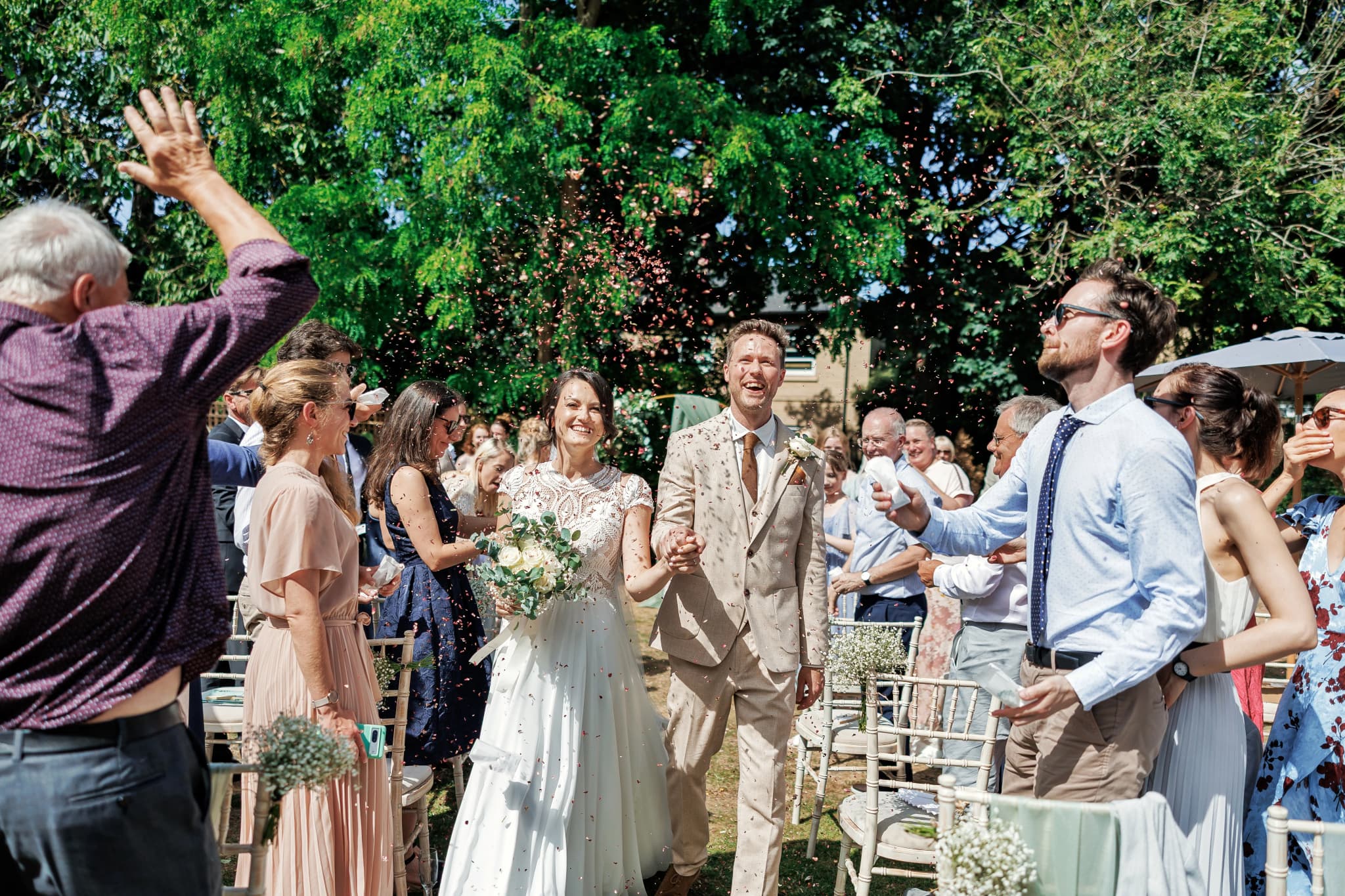
Tablet-wielding guests in the front row blocking the photographer's sight line during the ceremony. Smartphones appearing in the aisle as the bride walks down. Flash from a relative's camera firing at exactly the wrong moment. These are not theoretical problems — photographers document them constantly, and they produce ceremony photographs that include distracting screens and devices in virtually every frame.
An unplugged ceremony — announced by the officiant at the start, with a clear and friendly explanation — addresses all of this. Guests actually enjoy the ceremony more when not trying to photograph it. Your professional photographer captures the moment cleanly. Consider it.
“We Chose the Wrong Style Photographer for Our Venue”
A heavily posed, traditional photographer at an alternative barn wedding. A documentary photographer at a formal venue where the couple wanted polished portraits. A bright-and-airy photographer at a dramatic, candlelit castle. Style mismatch is subtle but consistent — you can see it in the editing, the composition, the energy — and it produces galleries that feel slightly off even when the images are technically competent.
The solution is to look specifically at your photographer's portfolio for images from venues or settings similar to yours. Ask to see full galleries from comparable locations, not just the best five shots from anywhere. The photographs from your venue will look more like their average than their best.
“We Forgot About the Light”
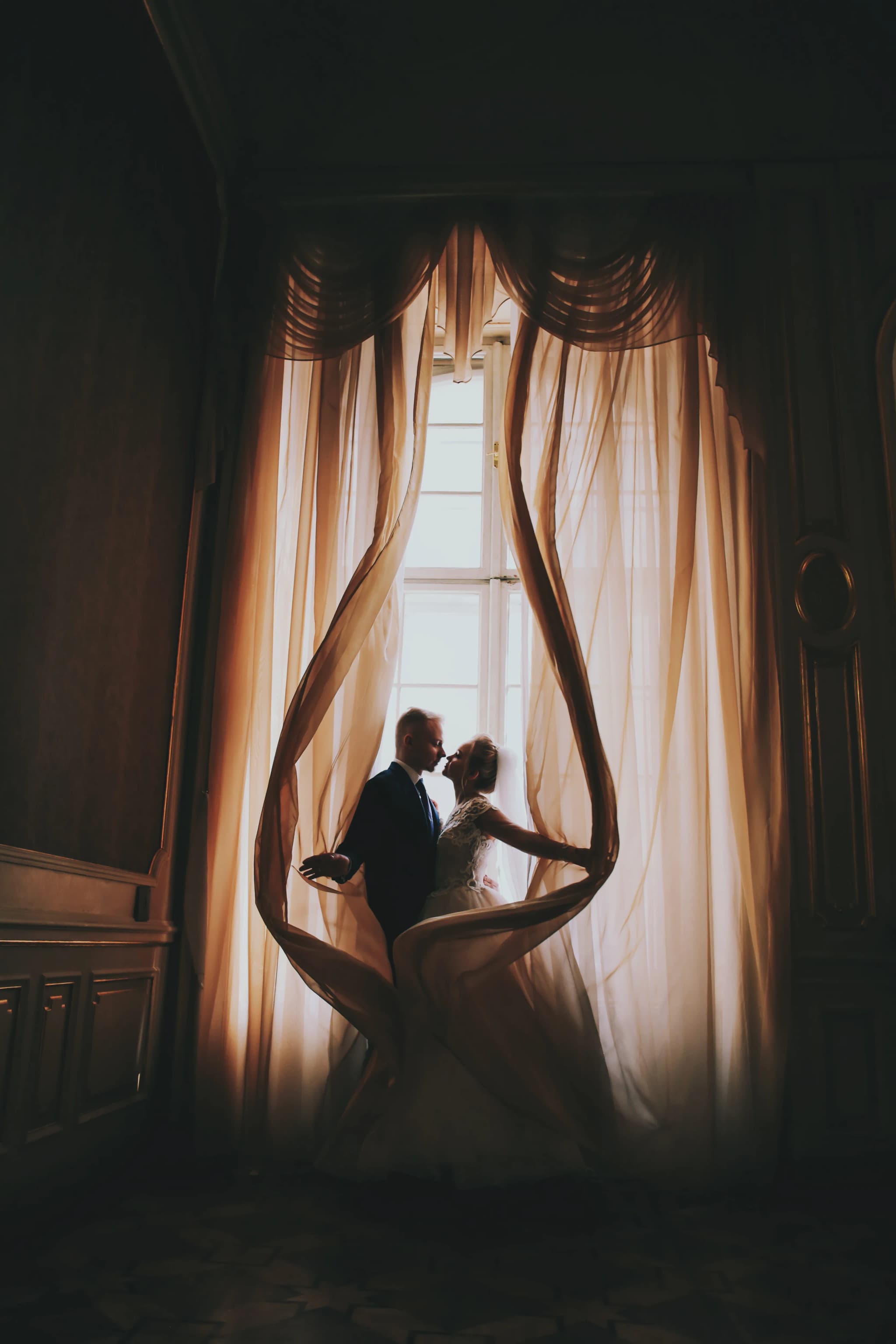
This one is particularly common at northern UK and winter weddings. A ceremony starting at 2pm in December means sunset at 3:30pm — leaving virtually no time for outdoor portraits in usable natural light. A morning ceremony that finishes before noon means the harsh midday sun creates unflattering shadows during the drinks reception that would have been beautiful in early morning or evening light.
Discuss your timeline with your photographer before finalising ceremony times. They can tell you exactly where the sun will be at each point of your day and how that affects the portrait opportunities available to you. This conversation costs nothing and directly affects the quality of your photographs.
“We Lost Our Getting Ready Images”
The morning photography can be some of the most intimate and emotional of the entire day — and it's frequently compromised by a cluttered room, bad light, or a late start that compresses everything from bridal prep onward. A chaotic hotel room filled with shopping bags and room service trays is not recoverable in editing. The window light you lost when someone pulled the curtains three hours before you got into the dress is not recoverable at all.
Brief a bridesmaid or coordinator specifically to tidy the room before the photographer arrives. Keep the area near the best natural light source clear. Give the getting ready space the same preparation attention you give every other element of the day.
Avoid these regrets with the right photographer from the beginning.
See wedding photography or read how to choose a wedding photographer.


Yana Skakun
Photographer · England
Professional wedding, family and portrait photographer based in England. Passionate about capturing authentic emotions and timeless moments.
About Yana →wedding photography regrets ukwedding photo mistakeswedding photography regrets brideswhat couples regret about wedding photos
Wedding Tips — Wedding Photography in Cambridge & England
Yana Skakun is a professional wedding photographer based in Cambridge, covering weddings across England — from intimate elopements to full-day ceremonies at country houses, barns, and city venues. Every couple receives a relaxed, documentary approach that captures the day as it truly unfolds. This guide — The Biggest Wedding Photography Regrets in the UK (And How to Avoid Them) — is part of the photography journal: practical, experience-based advice drawn from real sessions across England. Whether you arrived searching for wedding photography regrets uk or wedding photo mistakes, the same care and attention shapes every session Yana photographs.
Wedding Photography sessions are available year-round, with bookings open across Cambridge, Ely, Huntingdon, Peterborough, and further afield — East England, London, the Midlands, and beyond. If you have specific questions about wedding photography regrets brides, mention it in your enquiry. Get in touch through the contact form above to check availability and discuss your session. Enquiries are welcomed from anywhere in the UK.
Frequently Asked Questions
How much does a wedding photographer cost in England?+
Wedding photography in England typically ranges from £1,500 to £4,000+ for a full day. Price depends on experience, coverage hours, and whether albums or engagement shoots are included. Most photographers charge between £2,000–£3,000 for 8–10 hours of coverage.
How early should you book a wedding photographer?+
For peak season (May–September), book 12–18 months in advance. For autumn and winter weddings, 9–12 months is usually sufficient. Popular photographers at popular venues fill up fast — as soon as you have a date and venue confirmed, start reaching out.
How many photos do you get from a wedding photographer?+
Most professional wedding photographers deliver 400–800 edited images for a full-day wedding. The exact number depends on coverage hours, how many guests there are, and the photographer's editing style. Quality matters more than quantity — a curated gallery of 500 images tells the story better than 1,500 unedited files.
Do you need a second photographer at your wedding?+
A second photographer is helpful if you want simultaneous coverage of getting-ready moments in different locations, multiple angles during the ceremony, or more candid coverage during the reception. It adds cost but significantly increases the variety and completeness of your gallery.
What is the difference between documentary and editorial wedding photography?+
Documentary (reportage) wedding photography captures moments as they happen — the photographer observes and doesn't intervene. Editorial photography involves deliberate direction: placing you in good light, shaping compositions, creating intentional portraits. Most photographers blend both styles throughout the day.
Continue Reading
Related Articles

Wedding Tips
Sustainable Eco-Friendly Wedding Guide — Planning a Green Celebration
15 min read · Read Article
Wedding Tips
Trash the Dress Session — Complete Planning and Photography Guide
14 min read · Read Article
Wedding Tips
Client Communication for Photographers — From Enquiry to Gallery Delivery
15 min read · Read Article
Get in Touch
Ready to Book Your Session?
Get in touch to discuss your vision — I'll reply within 24 hours.