Yana Skakun
The ultimate wedding day photography timeline (8–12 hours)
By Yana Skakun·8 January 2026·9 min read
The biggest single factor in getting great wedding photographs isn't the location, the budget, or even the photographer — it's the timeline. A well-paced day means no rushing, no missed moments, and photo opportunities that actually deliver. Here is how to build a wedding day schedule that works for photography without sacrificing anything else.
Getting Ready (2.5–3 hours)
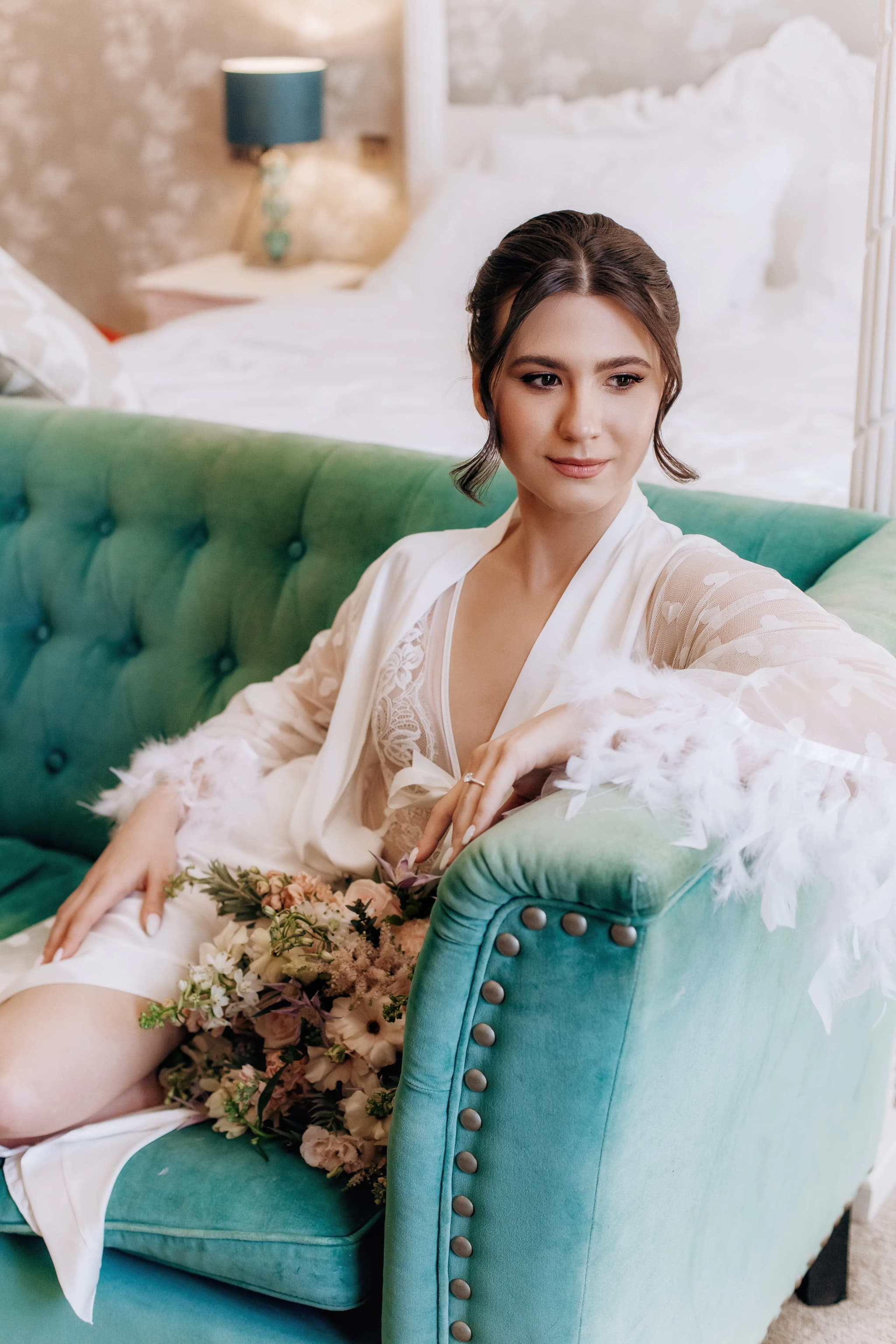
Morning preparations are where some of the most intimate and emotionally resonant wedding photographs are made — the final dress moment, bridesmaids helping with a zip or veil, a quiet moment with a parent before everything begins. This requires unhurried time. When bridal preparations run late, the cascading effect compresses every subsequent part of the day, and the getting-ready photographs — shot in a rush — lose the quality that comes from calm.
Allow 2.5–3 hours for bridal preparations. The final 30 minutes before leaving should be reserved specifically for photography — the dress, the details, the veil, the first-look reaction from a parent. For the groom and groomsmen, 60–75 minutes is usually ample; a relaxed morning at a nearby hotel or home keeps stress low and the natural banter between friends well photographed.
Ceremony (30–75 minutes)
Civil ceremonies in licensed venues typically run 30–40 minutes; Church of England ceremonies 60–75 minutes; Catholic nuptial masses can run considerably longer. Know your ceremony length and build a buffer of at least 15 minutes into your timeline — late-arriving guests, unusually slow transport, or a registrar running behind all happen regularly.
Most photographers will have discussed ceremony photography with you in advance. Key decisions include whether flash is permitted in the venue (many churches restrict it) and whether your officiant has any restrictions on photographer movement during the ceremony. Letting your photographer move freely throughout produces significantly better documentary coverage than restricting them to one position.
Confetti and Group Shots (45–60 minutes)
Confetti shots work best with guests organised into a proper tunnel, not just standing randomly. Five minutes of setup produces the confetti image reliably; without that structure the shot rarely works. Immediately after confetti, move to group photographs while guests are still assembled from the ceremony.
Group photographs take approximately three minutes each when well managed — call groups by name, have a family member or coordinator assist, and keep the atmosphere relaxed and fast-moving. A list of 8–10 specific group combinations allows you to complete formal groups in 25–30 minutes with a complete, well-organised set of images rather than a random assortment. Resist the temptation to add groups beyond your planned list — every addition extends the duration and taxes guest patience.
Couple Portraits (20–45 minutes)
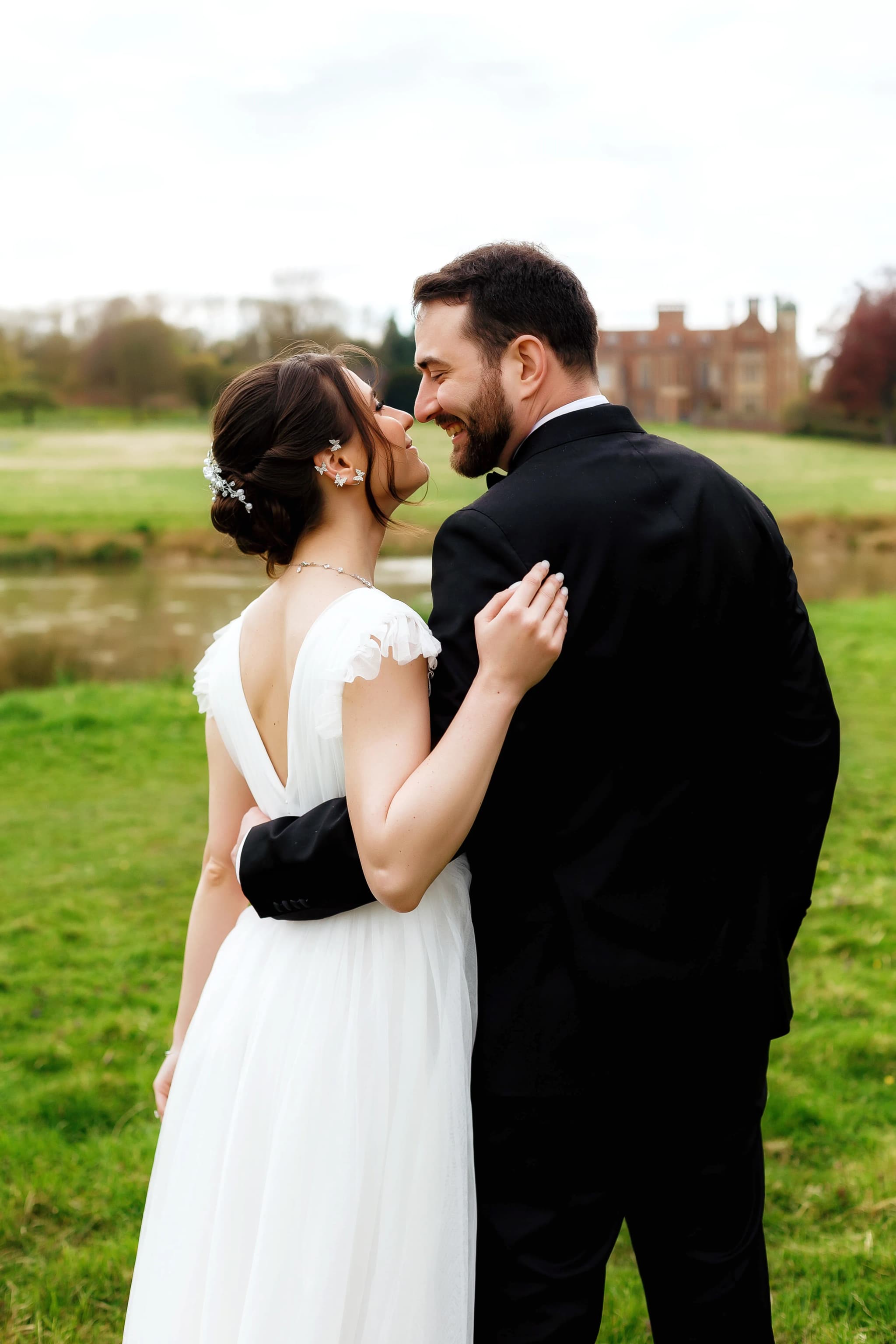
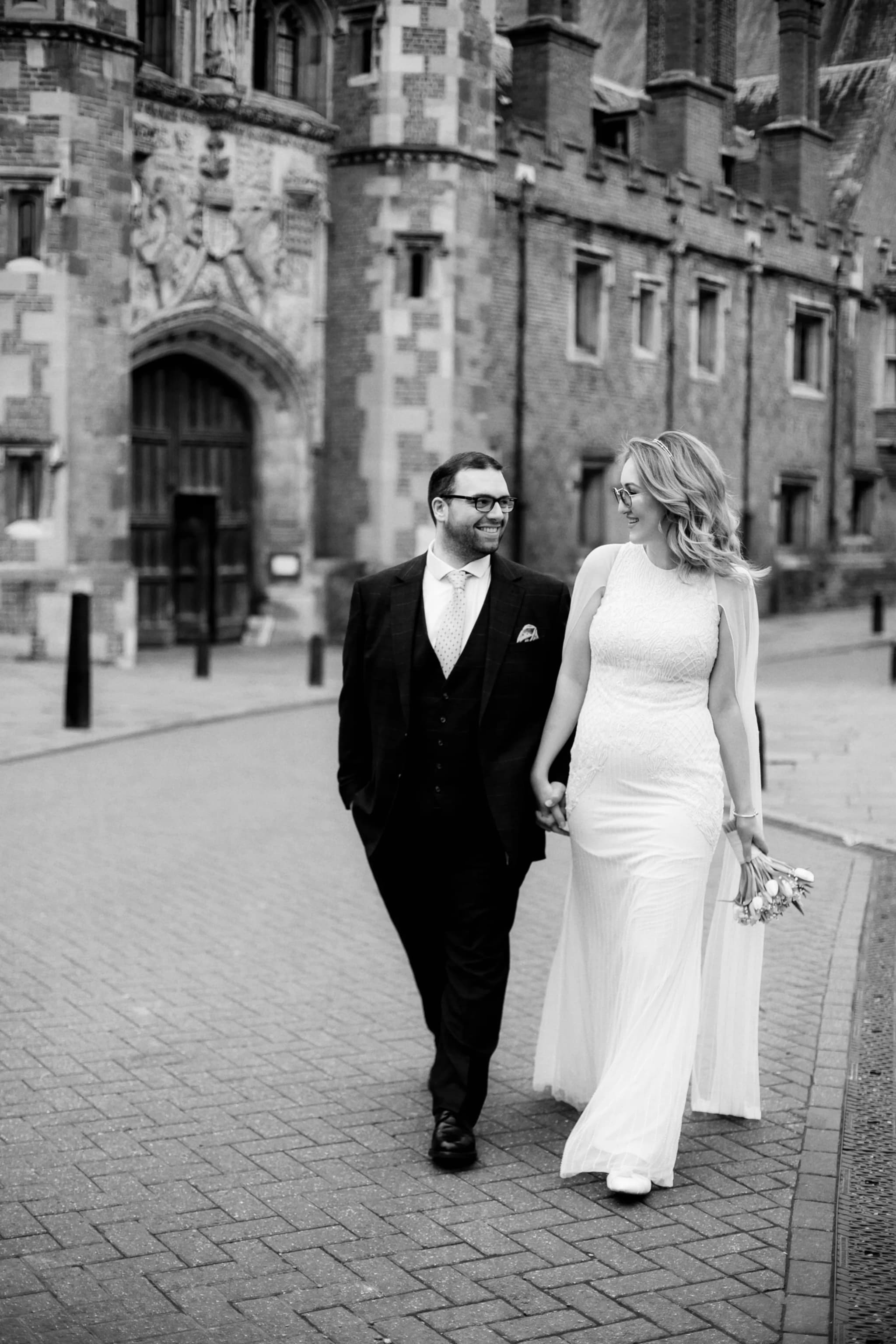
This is the most commonly under-scheduled part of the wedding day. Couples spend months planning every detail, then allocate fifteen minutes for the photographs they will print, frame, and look at for the rest of their lives. A minimum of 20 minutes produces a workable set of couple images; 45 minutes produces the full range — architectural shots, natural portraits, movement, laughter, quiet moments — that becomes a comprehensive visual record of the two of you on your wedding day.
Walk your photographer around the venue before your wedding day so they know exactly which locations to use and in what order. On the day itself, the time disappears much faster than couples expect — but most couples later say it was the most enjoyable 30 minutes of the day. The photographs from well-planned couple portrait time are almost always the most treasured images of the wedding.
Drinks Reception (60–90 minutes)
The drinks reception is the best and most natural opportunity for candid documentary photography — guests relaxed, reuniting, laughing, celebrating without the formality of group photographs. A good documentary photographer will work through a 90-minute drinks reception and produce 80–100 images of genuine moments: the toast between friends, the elderly relative meeting the children, the couple with their guests before formalities begin.
This is also where the couple portraits typically happen (immediately after group photographs). Scheduling couple portraits at the start of the drinks reception means guests are happily occupied while you are absent for 30–45 minutes. Most couples find the drinks reception has passed them by regardless — returning from portraits to find everyone well settled in.
Golden Hour Escape (20 minutes)
If your venue and timing allow it — typically late afternoon or early evening weddings in spring through autumn — build in a 20-minute golden-hour escape between dinner seating and the first course being served. Summer golden hour falls between roughly 7:30 and 8:30pm in England; the light in those 20 minutes is dramatically different from midday light and produces images of a different character entirely.
These golden-hour couple session images — warm, soft, glowing — are almost always the most striking photographs of the day. Guests generally need little encouragement to sit down and eat; departing for 20 minutes during the meal service is rarely noticed and leaves a visual legacy that is genuinely irreplaceable. The only requirement is building it explicitly into the timeline so the kitchen, the venue coordinator, and your guests all know it is happening.
Evening Reception
Speeches scheduled before or after dinner are both common formats. Before dinner, speeches are typically 40–55 minutes; guests are fresh and attentive, and the emotional reactions are often stronger. After dinner, energy is lower but the atmosphere warmer. Either works photographically — what matters is that speeches follow immediately after a fixed point so everyone is seated and ready.
The first dance, cake cut, and first evening dances are typically photographed in the first hour of the evening reception. Many photographers — unless you have booked full evening coverage — will pack down after the first dance; evening dance-floor photography requires a different style and different equipment than the daytime, so it is worth discussing how much evening coverage you want during the booking conversation. Ending planned coverage at the first dance is standard; full evening coverage until midnight requires a separate arrangement.
Building Your Wedding Day Timeline
I send all my booked clients a detailed timeline worksheet with recommended timings for every part of the day. Get in touch to discuss your wedding and I'll help you build a schedule that works.
View Wedding Photography →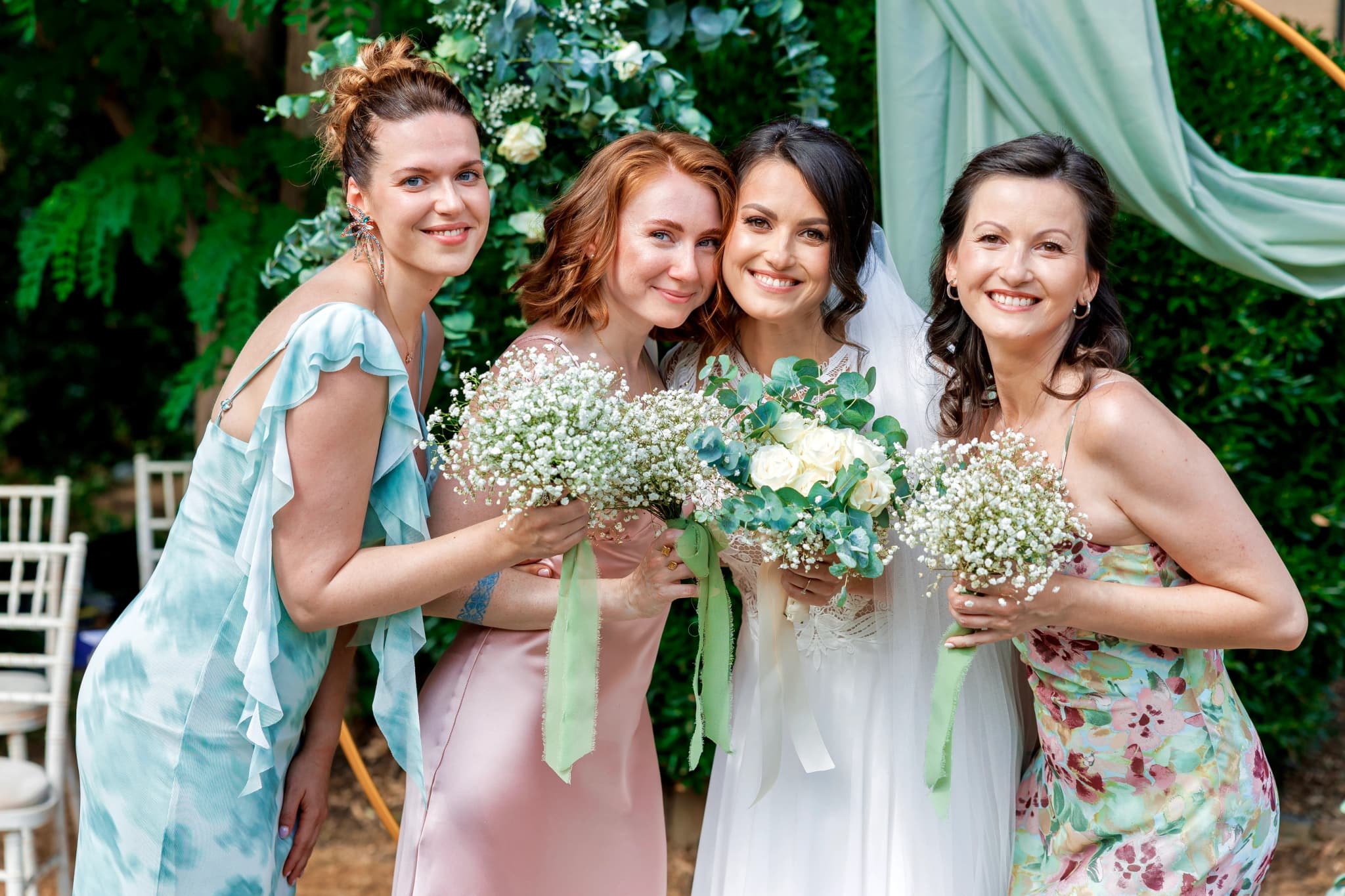

Yana Skakun
Photographer · England
Professional wedding, family and portrait photographer based in England. Passionate about capturing authentic emotions and timeless moments.
About Yana →wedding day timeline photographywedding photography schedule UKhow long wedding photos takewedding day timeline guide England
Wedding Tips — Wedding Photography in Cambridge & England
Yana Skakun is a professional wedding photographer based in Cambridge, covering weddings across England — from intimate elopements to full-day ceremonies at country houses, barns, and city venues. Every couple receives a relaxed, documentary approach that captures the day as it truly unfolds. This guide — The ultimate wedding day photography timeline (8–12 hours) — is part of the photography journal: practical, experience-based advice drawn from real sessions across England. Whether you arrived searching for wedding day timeline photography or wedding photography schedule uk, the same care and attention shapes every session Yana photographs.
Wedding Photography sessions are available year-round, with bookings open across Cambridge, Ely, Huntingdon, Peterborough, and further afield — East England, London, the Midlands, and beyond. If you have specific questions about how long wedding photos take, mention it in your enquiry. Get in touch through the contact form above to check availability and discuss your session. Enquiries are welcomed from anywhere in the UK.
Frequently Asked Questions
How much does a wedding photographer cost in England?+
Wedding photography in England typically ranges from £1,500 to £4,000+ for a full day. Price depends on experience, coverage hours, and whether albums or engagement shoots are included. Most photographers charge between £2,000–£3,000 for 8–10 hours of coverage.
How early should you book a wedding photographer?+
For peak season (May–September), book 12–18 months in advance. For autumn and winter weddings, 9–12 months is usually sufficient. Popular photographers at popular venues fill up fast — as soon as you have a date and venue confirmed, start reaching out.
How many photos do you get from a wedding photographer?+
Most professional wedding photographers deliver 400–800 edited images for a full-day wedding. The exact number depends on coverage hours, how many guests there are, and the photographer's editing style. Quality matters more than quantity — a curated gallery of 500 images tells the story better than 1,500 unedited files.
Do you need a second photographer at your wedding?+
A second photographer is helpful if you want simultaneous coverage of getting-ready moments in different locations, multiple angles during the ceremony, or more candid coverage during the reception. It adds cost but significantly increases the variety and completeness of your gallery.
What is the difference between documentary and editorial wedding photography?+
Documentary (reportage) wedding photography captures moments as they happen — the photographer observes and doesn't intervene. Editorial photography involves deliberate direction: placing you in good light, shaping compositions, creating intentional portraits. Most photographers blend both styles throughout the day.
Continue Reading
Related Articles

Wedding Tips
Sustainable Eco-Friendly Wedding Guide — Planning a Green Celebration
15 min read · Read Article
Wedding Tips
Trash the Dress Session — Complete Planning and Photography Guide
14 min read · Read Article
Wedding Tips
Client Communication for Photographers — From Enquiry to Gallery Delivery
15 min read · Read Article
Get in Touch
Ready to Book Your Session?
Get in touch to discuss your vision — I'll reply within 24 hours.