Yana Skakun
Wedding Photography Trends 2026: What's Hot Right Now
By Yana Skakun·12 March 2026·9 min read
Wedding photography in England is shifting — and 2026 is bringing some of the most interesting stylistic changes in years. Documentary coverage is evolving, couples are asking more deliberately about editing styles, and the pursuit of authentic images over posed perfection has never been stronger. Here is what is genuinely trending right now from a photographer who shoots weddings across England every season.
1. Film-Influenced Colour Grading
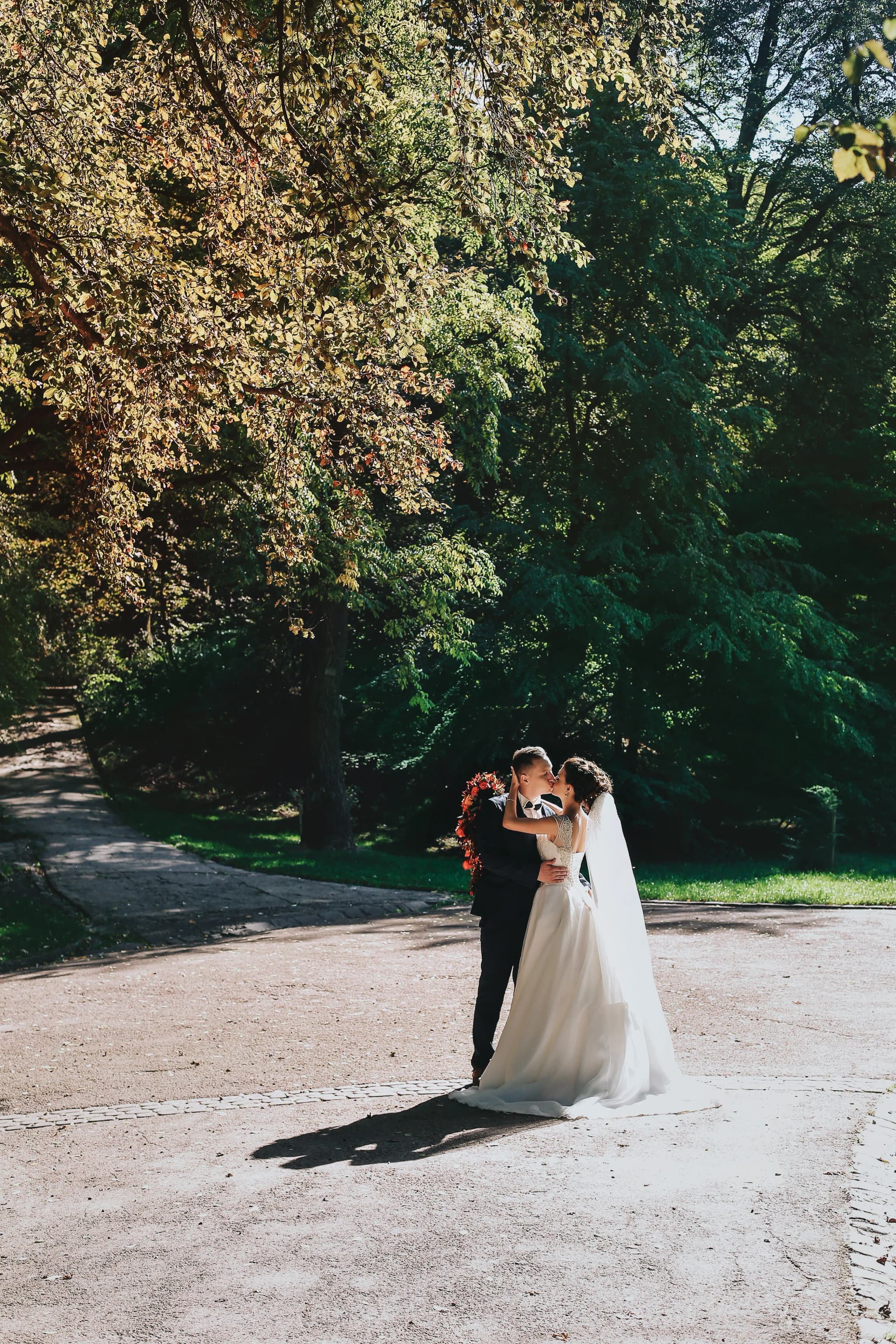
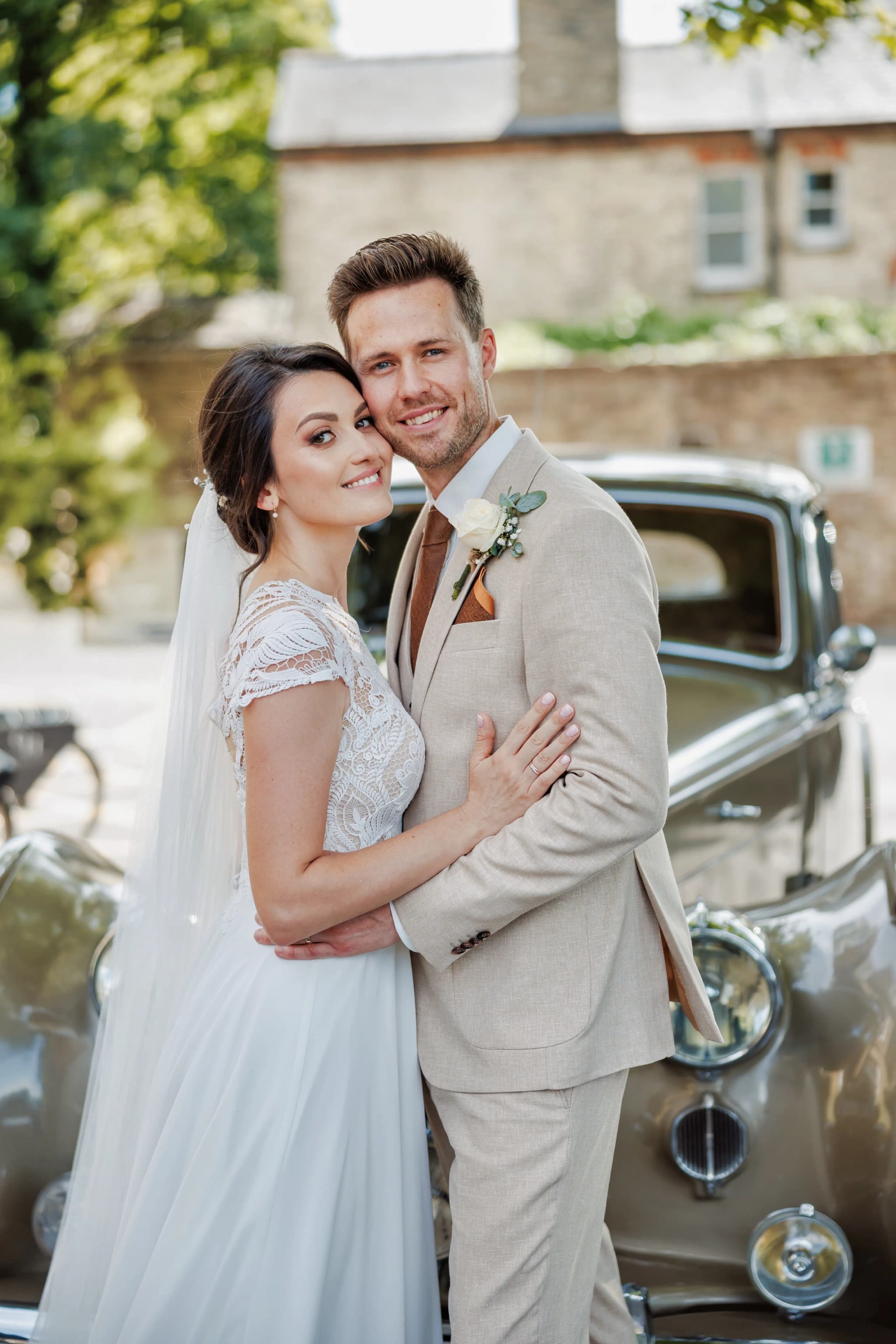
The warm, slightly faded tones inspired by analogue film photography are dominating wedding photography aesthetics in 2026. This is not the harsh vintage filter look of a decade ago — it is a refined, warm-neutral palette with lifted shadows, teal-toned midtones, and organic skin rendering that feels timeless rather than trendy. Couples are consciously choosing photographers whose editing style has this quality, and comparing portfolios against this benchmark before booking.
The appeal is permanence: images edited in a film-influenced style tend to age gracefully, while heavily processed or overly trendy edits can look dated within a few years. If you are reviewing photographer portfolios, look at images from three to five years ago to judge whether their editing stands the test of time.
2. Unposed Intimate Moments Over Formal Portraits
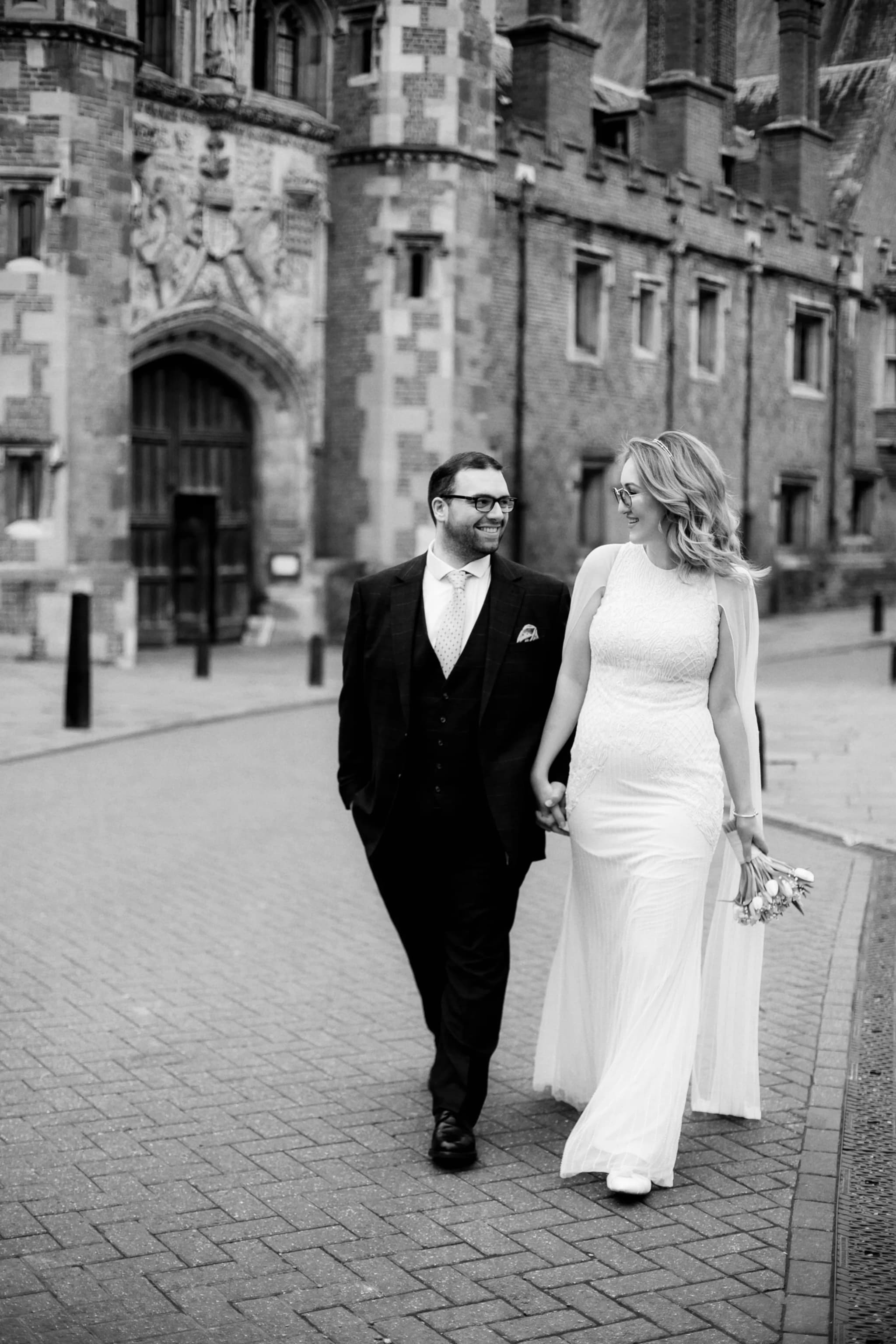
The posed portrait set — where a photographer directs couples through a series of static positions — continues losing ground to a more observational approach. Couples in 2026 want to feel something in their photographs, and pure direction often produces images that look correct but feel hollow. The best contemporary wedding photographers are leading couples through movement and activity rather than placing them and clicking: walking, walking and pausing, natural conversations, a quiet moment alone before returning to guests.
This shift requires more from the photographer — reading the couple, knowing when to intervene and when to step back — but the images that result typically sit in a completely different register to formal posed portraits. The moments that couples consistently say they love most are the ones where they forgot the camera was there.
3. Editorial-Influenced Composition
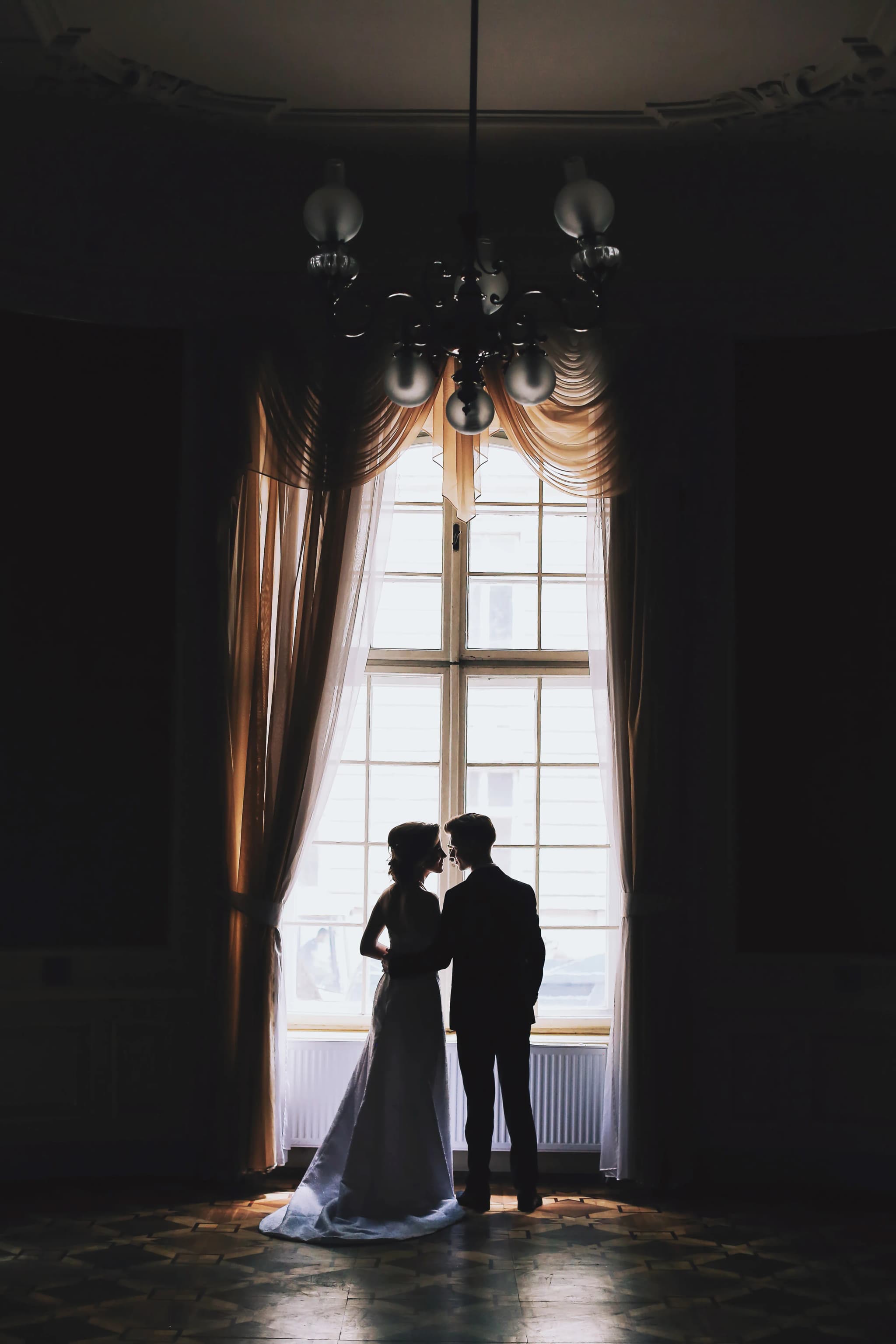
Fashion and editorial photography aesthetics are arriving more fully in wedding work. Creative use of reflections — in mirrors, puddles, car windows; strong geometric compositions with architectural framing; deliberate negative space; shots from above or at ground level rather than always eye-height. These techniques require more creative intention but produce images that feel genuinely striking rather than documentary by default.
If you want this in your wedding photography, look specifically for photographers whose portfolio contains strong compositional variety — different perspectives, some genuine creative risk. A portfolio of similarly-composed images from a hundred weddings suggests a reliable formula; a portfolio with clear compositional intent across different environments suggests a more creative approach.
Planning Your 2026 Wedding in Cambridge?
I shoot documentary-style weddings across England with a film-influenced editing style. If these trends sound like what you are looking for, let's chat about your day.
Check My Availability →4. Micro Weddings and Intimate Gatherings
Micro weddings — 20 to 40 guests, instead of 100 or more — have moved from pandemic necessity to genuine preference. Couples are choosing smaller weddings not because of constraints but because they want to spend the day with the people who matter most, in settings that would not accommodate large guest lists: converted barns, private garden estates, National Trust properties, or intimate restaurant buyouts.
The photography implications are significant. Smaller guest counts mean more time for couple portraits, less logistical management of large groups, and often a more relaxed emotional atmosphere throughout the day. Micro weddings also frequently take place at unusual venues that produce markedly different photographs from traditional large-venue weddings. Many photographers — myself included — find them among the most creatively rewarding commissions of the year.
5. Deliberate Colour Storytelling
Couples in 2026 are thinking much more carefully about the visual coherence of their wedding day — how florals, stationery, venue styling, and bridal outfits all combine into a consistent visual palette. This is partly driven by social platforms, but it also produces weddings that are genuinely more beautiful to photograph: when colours are intentional and consistent, individual photographs and the gallery as a whole feel cohesive rather than accidental.
Dusty rose, warm terracotta, sage green, and deep burgundy-wine palettes are all trending strongly in 2026. These colours pair exceptionally well with both film-style and clean natural light editing approaches. If you are making decisions about your wedding palette with photography in mind, neutral and warm tones consistently produce the strongest results — they read beautifully in print and on-screen.
6. Behind-the-Scenes Morning Coverage
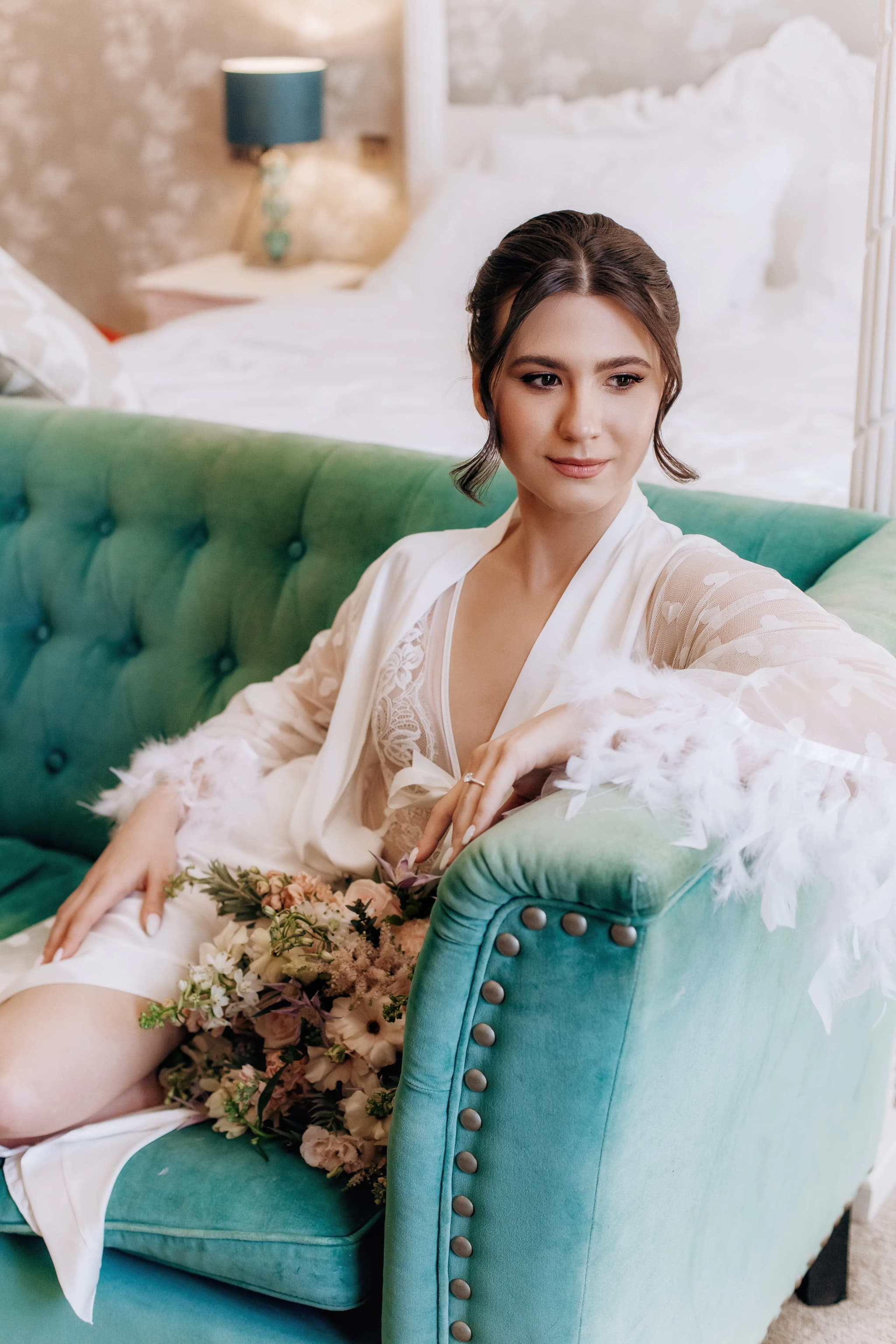
Bridal preparation coverage has evolved significantly. Where morning photography once meant formal portraits of individual details — dress on a hanger, shoes arranged on a table — the trend in 2026 is for genuine morning documentary work: the real atmosphere of hair and make-up, the nervous conversation before leaving, the moment of first seeing the finished look, the five minutes alone with a parent. This is social documentary work, not product photography, and the images it produces are often among the most emotionally significant from the whole day.
This shift means allocating proper time for morning photography — not 30 minutes of rushed detail shots, but 2 to 2.5 hours of genuinely unhurried time. The morning atmosphere sets the emotional tone for everything that follows. When couples rush the morning, they rush themselves; when they have time, the photographs show it and so does the rest of the day.
7. Outdoor Ceremonies and Natural Settings
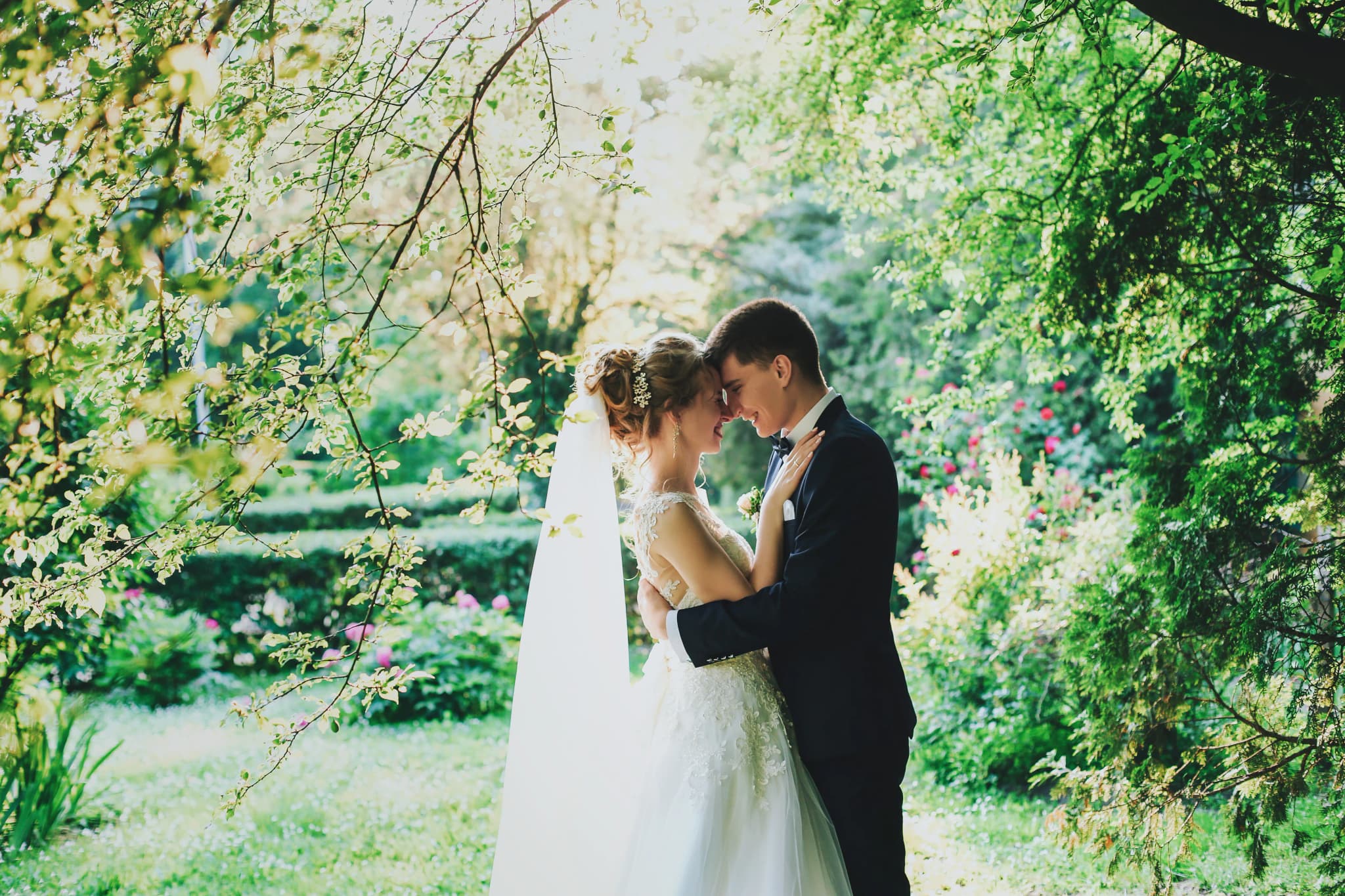
Licensed outdoor ceremonies in England have expanded the range of settings where couples can marry legally — and the appetite for genuinely outdoor ceremonies, rather than indoor venues with large garden areas, is stronger than ever in 2026. Woods, meadows, walled kitchen gardens, and coastal cliff tops are all increasingly common ceremony settings for English couples who want photography that looks nothing like a traditional church or registry office interior.
The weather risk is real and requires genuine contingency planning. But the photographs that come from a well-planned outdoor ceremony — with natural light, genuine surroundings, and a ceremony that feels physically embedded in a landscape — are often in an entirely different register from indoor equivalents. If you are drawn to this approach, discuss your contingency plans in detail with both your venue and your photographer well in advance.
8. Full Gallery Delivery Speed
This is a practical rather than aesthetic trend, but it matters: couples in 2026 are increasingly expecting full gallery delivery within four to six weeks. The old industry standard of three months has been steadily compressed by couples accustomed to faster digital delivery in every other area of life. Most professional photographers are adapting — but turnaround time is now a booking decision factor in a way it was not five years ago.
At the same time, the quantity of delivered images is being supplemented by earlier "sneak peek" delivery — a handful of favourite images delivered within a week of the wedding, giving couples something to share while the full editing work continues. If early preview delivery matters to you, confirm this during booking conversations.
How to Use These Trends When Booking a Photographer
The most useful question to ask of any trend list is not "which of these should I follow?" but "which of these naturally reflects what I actually want from my wedding photography?" Trends distil what a significant number of couples are collectively deciding they value — but your wedding is not a collective exercise.
What the 2026 trends broadly point toward is greater authenticity, more deliberate visual storytelling, and photography that feels genuinely personal rather than formulaic. If those values resonate, they are good north stars for choosing a photographer whose work and approach match what you are actually looking for.
Wedding Photography — Cambridge & Across England
Documentary-style, film-influenced wedding photography for couples who want images that feel real. Based in Cambridge, available nationwide.
View Wedding Photography →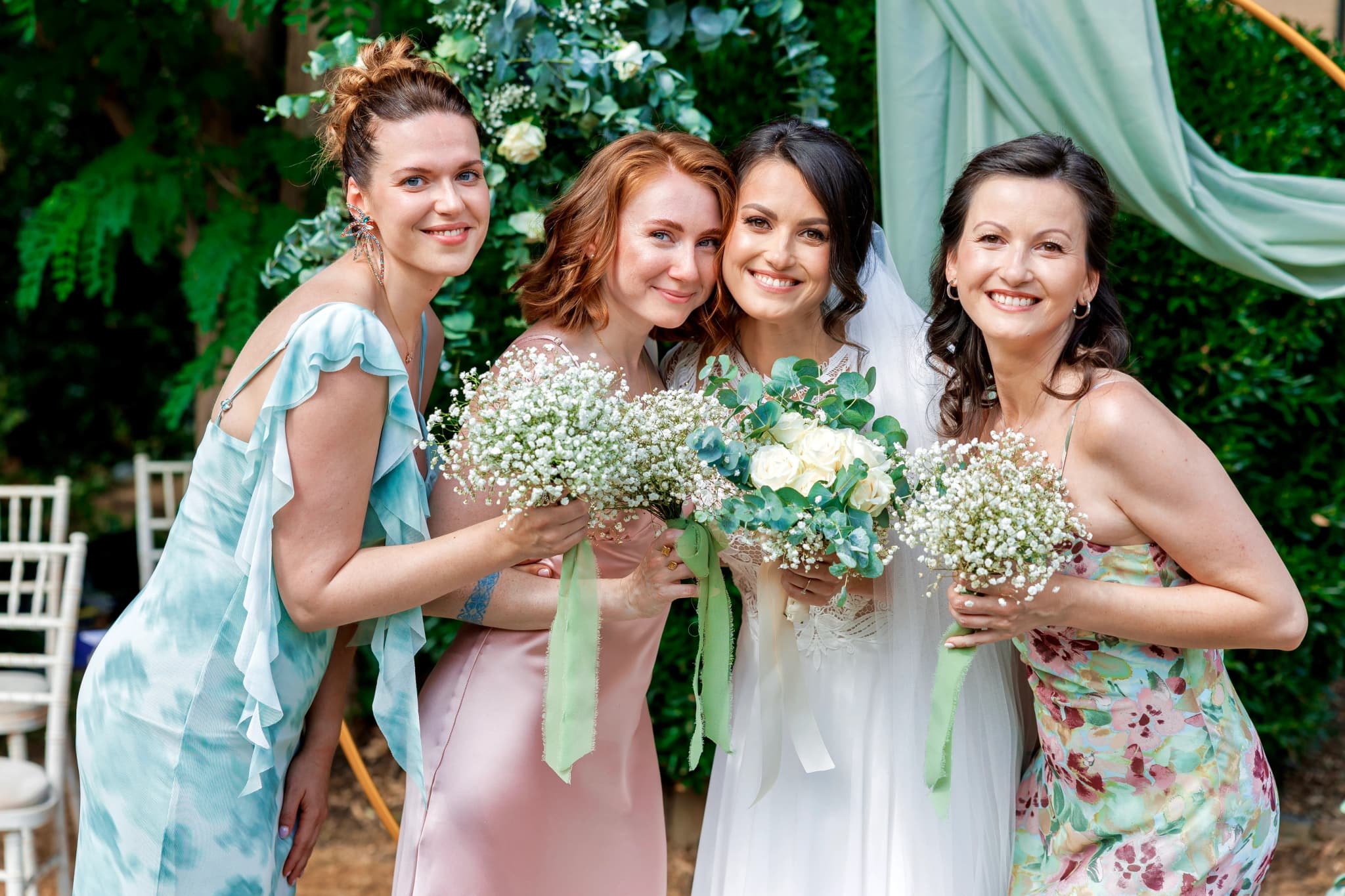

Yana Skakun
Photographer · England
Professional wedding, family and portrait photographer based in England. Passionate about capturing authentic emotions and timeless moments.
About Yana →wedding photography trends 2026wedding photography styles 2026UK wedding photography trendsdocumentary wedding photographyfilm wedding photography England
Wedding Tips — Wedding Photography in Cambridge & England
Yana Skakun is a professional wedding photographer based in Cambridge, covering weddings across England — from intimate elopements to full-day ceremonies at country houses, barns, and city venues. Every couple receives a relaxed, documentary approach that captures the day as it truly unfolds. This guide — Wedding Photography Trends 2026: What's Hot Right Now — is part of the photography journal: practical, experience-based advice drawn from real sessions across England. Whether you arrived searching for wedding photography trends 2026 or wedding photography styles 2026, the same care and attention shapes every session Yana photographs.
Wedding Photography sessions are available year-round, with bookings open across Cambridge, Ely, Huntingdon, Peterborough, and further afield — East England, London, the Midlands, and beyond. If you have specific questions about uk wedding photography trends, mention it in your enquiry. Get in touch through the contact form above to check availability and discuss your session. Enquiries are welcomed from anywhere in the UK.
Frequently Asked Questions
How much does a wedding photographer cost in England?+
Wedding photography in England typically ranges from £1,500 to £4,000+ for a full day. Price depends on experience, coverage hours, and whether albums or engagement shoots are included. Most photographers charge between £2,000–£3,000 for 8–10 hours of coverage.
How early should you book a wedding photographer?+
For peak season (May–September), book 12–18 months in advance. For autumn and winter weddings, 9–12 months is usually sufficient. Popular photographers at popular venues fill up fast — as soon as you have a date and venue confirmed, start reaching out.
How many photos do you get from a wedding photographer?+
Most professional wedding photographers deliver 400–800 edited images for a full-day wedding. The exact number depends on coverage hours, how many guests there are, and the photographer's editing style. Quality matters more than quantity — a curated gallery of 500 images tells the story better than 1,500 unedited files.
Do you need a second photographer at your wedding?+
A second photographer is helpful if you want simultaneous coverage of getting-ready moments in different locations, multiple angles during the ceremony, or more candid coverage during the reception. It adds cost but significantly increases the variety and completeness of your gallery.
What is the difference between documentary and editorial wedding photography?+
Documentary (reportage) wedding photography captures moments as they happen — the photographer observes and doesn't intervene. Editorial photography involves deliberate direction: placing you in good light, shaping compositions, creating intentional portraits. Most photographers blend both styles throughout the day.
Continue Reading
Related Articles

Wedding Tips
Sustainable Eco-Friendly Wedding Guide — Planning a Green Celebration
15 min read · Read Article
Wedding Tips
Trash the Dress Session — Complete Planning and Photography Guide
14 min read · Read Article
Wedding Tips
Client Communication for Photographers — From Enquiry to Gallery Delivery
15 min read · Read Article
Get in Touch
Ready to Book Your Session?
Get in touch to discuss your vision — I'll reply within 24 hours.