Yana Skakun

Why Multi-Day Wedding Weekends Are the Biggest Trend for 2026
By Yana Skakun·8 June 2027·5 min read
A few years ago, almost every wedding I photographed followed the same shape: guests arrived at a venue around midday, a ceremony happened, a reception followed, and by eleven at night everyone went home. That shape is quietly disappearing. More and more of the couples I work with now are planning a wedding weekend rather than a wedding day — a Friday evening welcome party, a Saturday ceremony and reception, and a Sunday morning brunch before everyone travels home. As a Cambridge-based photographer who covers weddings across Cambridgeshire and further into East Anglia and London, I have watched this shift closely over the last few booking seasons, and it changes almost everything about how a wedding is planned, budgeted for, and photographed. This is a practical look at why it is happening, what a typical weekend actually looks like, and how to think about photography coverage if you are considering one.
Why Couples Are Choosing a Weekend Over a Day
The most common reason I hear is guest geography. Cambridge draws people from all over the world — through the university, through the tech and biotech sector along the science parks, through international families who have settled in the area. When a couple's guest list includes people flying in from the US, Australia, or continental Europe, a single six-hour reception can feel like a strange use of a journey that took ten or twelve hours each way. A weekend format gives those guests something that properly justifies the travel: an arrival evening to settle in and meet the other side of the family, the main event itself, and a slower morning-after gathering before the goodbyes.
The second reason is less about logistics and more about the emotional shape of the occasion. A wedding day, however well planned, is tightly choreographed. There is a running order, a timeline, a schedule of speeches and dances and formal photographs, and very little room for anything to breathe. A welcome party the night before has none of that pressure. Nobody is wearing the big dress yet, nobody is waiting for their cue, and the result — almost without exception in my experience — is that the welcome party produces some of the most relaxed, unguarded photographs of the entire weekend. Couples who have been to a friend's wedding weekend often come away wanting exactly that unhurried quality for their own.
There is also a simple practical driver: venue availability and cost. A number of the country house and barn venues around Cambridgeshire that I photograph at regularly now offer better value, or in some cases the only availability, for weekend-long hires rather than single-day bookings. If a couple is already committing to a two- or three-night venue hire, filling that time with planned events rather than leaving guests to their own devices on a Friday night tends to feel like the natural next step.
What a Typical Wedding Weekend Looks Like
No two weekends are identical, but a structure has become fairly consistent across the ones I have covered. Friday evening is usually a welcome party or rehearsal dinner — an informal first gathering where the two families and friend groups properly meet for the first time, often over drinks and a relaxed meal, sometimes at the wedding venue itself and sometimes at a separate location such as a pub garden or a marquee set up a day early. It is deliberately low-key: no formal seating plan, no speeches, just people getting comfortable with each other before the main event.
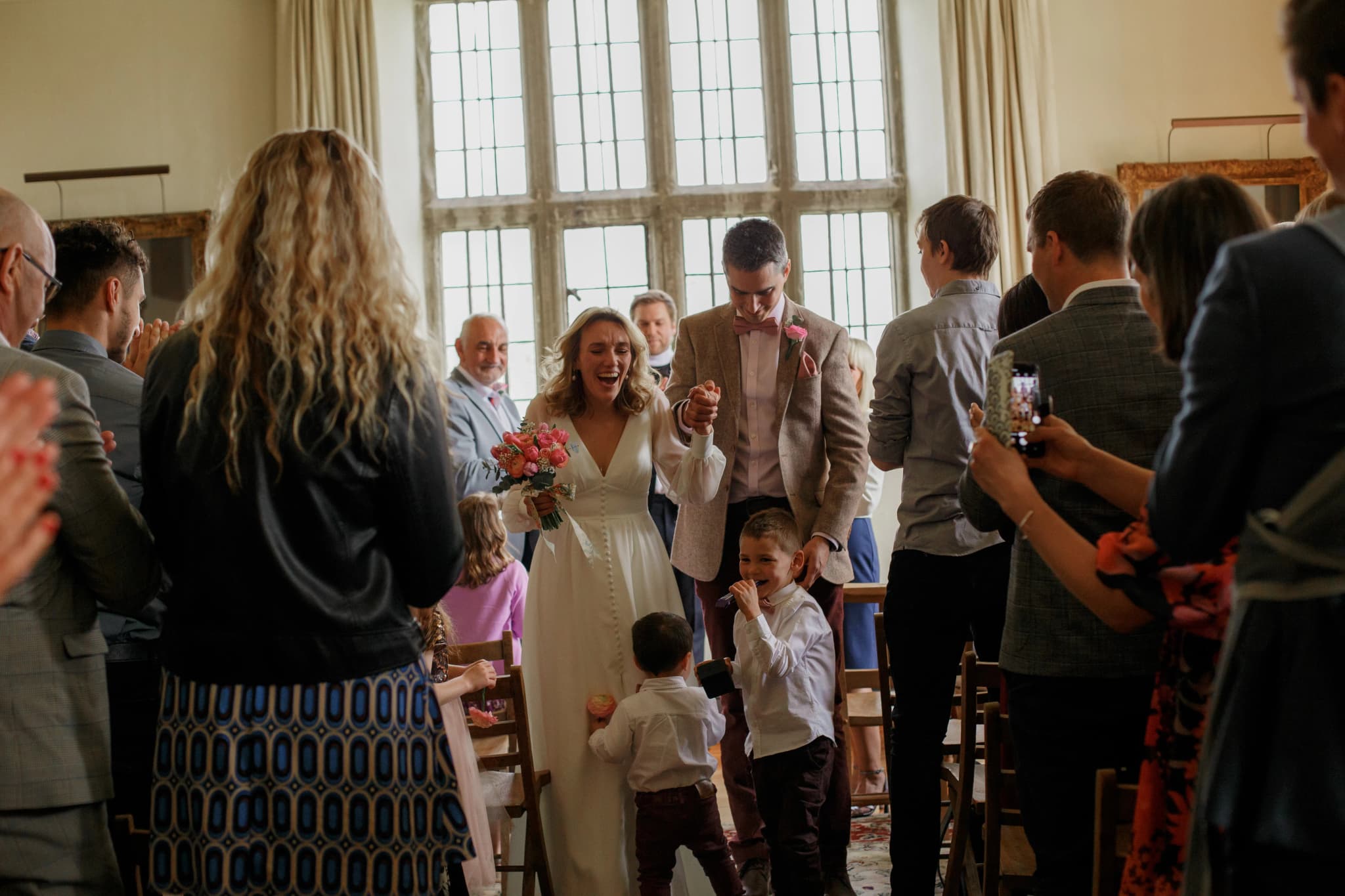
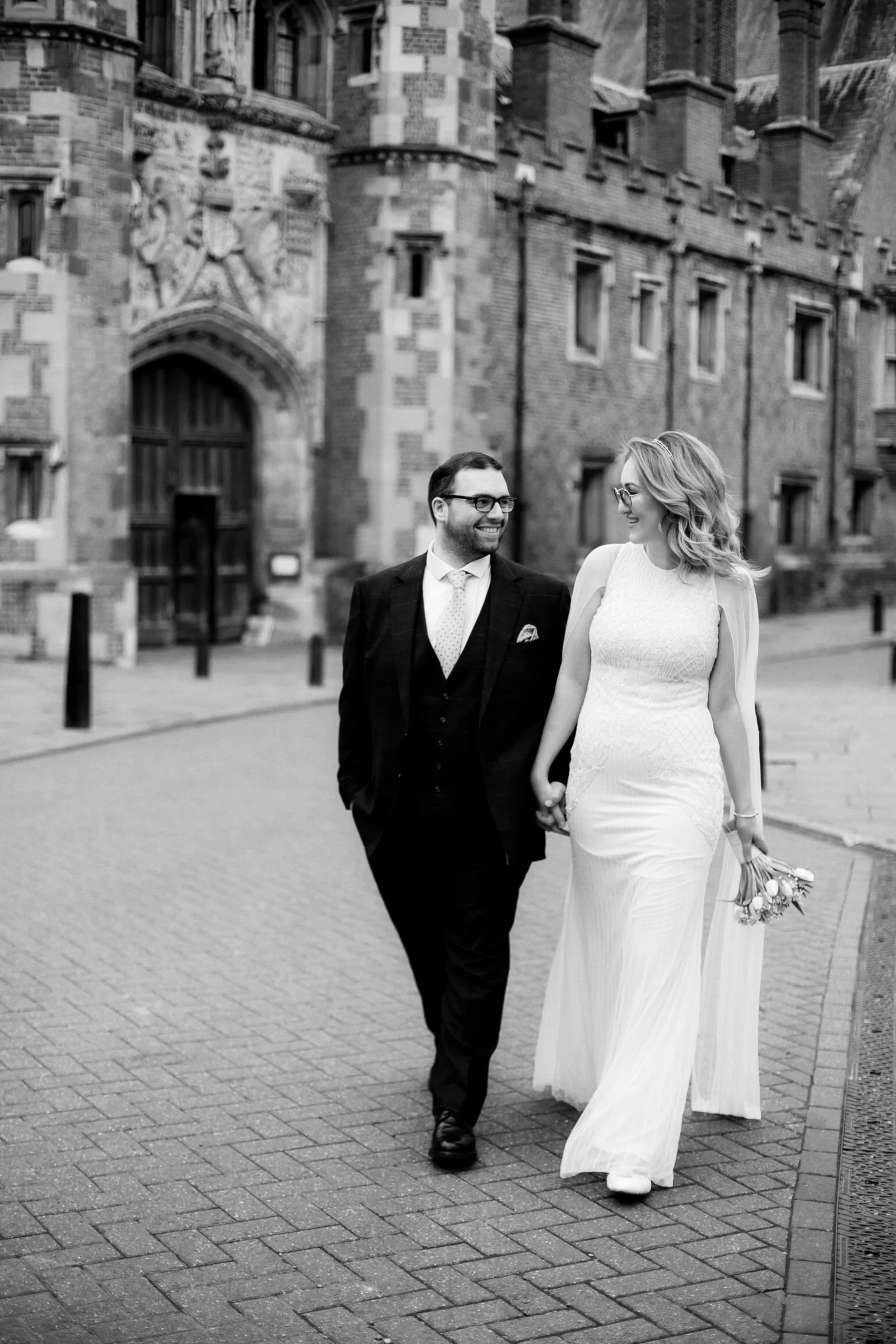
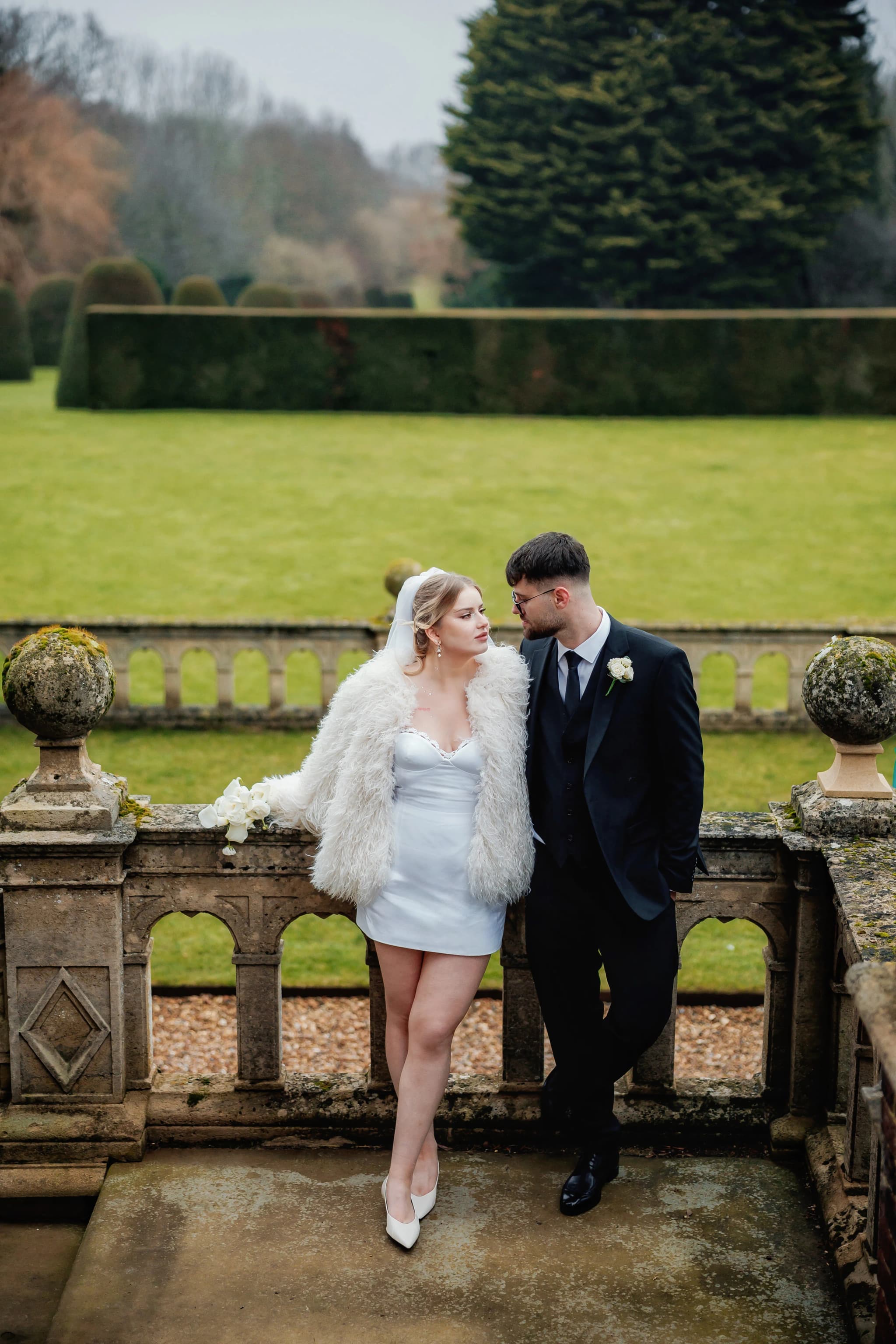
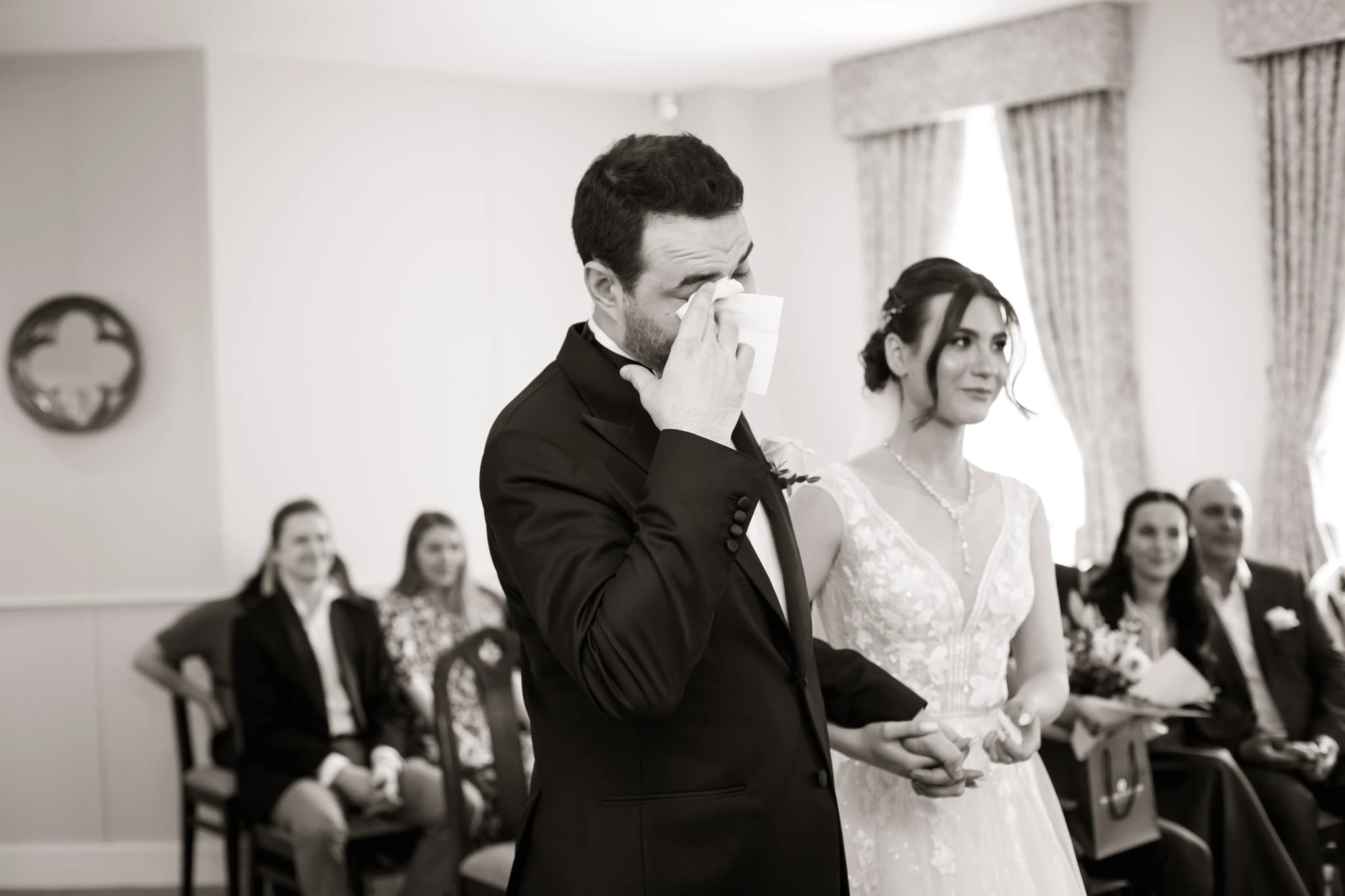
Saturday is the day most people picture when they think of a wedding: the ceremony, the drinks reception, the wedding breakfast, speeches, and the evening party. This remains the anchor of the weekend and the day that receives the most comprehensive photography coverage, following the same rhythm as a traditional single-day wedding — getting-ready photographs in the morning, the ceremony itself, formal group portraits, the couple's portraits, and documentary coverage through the reception and into the evening.
Sunday morning has become the part of the weekend that couples describe as their favourite once it is over, even though it is rarely the part they spend the most time planning. A brunch or late breakfast, usually back at the venue or at a nearby hotel where guests have stayed overnight, gives everyone a chance to properly talk rather than shout over music, to say a real goodbye rather than a rushed one in a taxi queue, and to see the couple in a completely different, unpolished state — often still slightly weary, always visibly happy, and much more themselves than the version of them presented on the dancefloor the night before.
Deciding How Much Photography Coverage You Actually Need
A wedding weekend forces a decision that a single-day wedding does not: do you want photography across all three events, or only the main day, with the welcome party and brunch left undocumented or covered informally on phones? There is no single right answer, and it depends heavily on how much of the weekend's meaning lives in those surrounding events versus the ceremony itself. I generally talk this through with couples during the planning stage rather than presenting a fixed package, because the right balance is different for every wedding.
Welcome party coverage is, in my experience, the single most consistently valuable add-on. Guests are fresh, unhurried, and not yet tired from a long day of formalities, which produces a different and often more natural register of photograph than anything captured later in the weekend. There is a genuinely practical benefit too: guests who have already been photographed once, in a low-pressure setting, tend to relax in front of the camera much faster on the main day itself, because the novelty and self-consciousness has already worn off.
Morning-after brunch coverage is a quieter, shorter booking — typically a couple of hours of documentary-style photography while people eat, talk, and drift in and out. I keep my presence deliberately unobtrusive for this part of the weekend. Nobody wants to feel photographed over breakfast the morning after their wedding; they want the moments captured almost incidentally, while the actual focus stays on saying goodbye to people they may not see again for a long time. These images consistently turn out to be some of the most tender and honest of the entire gallery, precisely because nobody is performing for the camera at that point.
If budget is a genuine constraint, the main day should always take priority for full coverage, since it holds the ceremony and the formal moments that cannot be recreated. Where I see couples get the most value from partial extra coverage is choosing one of the two additional events rather than trying to stretch a single photographer thinly across three days — the welcome party if the guest list is large and international, or the brunch if the couple particularly values a quiet, unstaged closing chapter to the story.
Planning a wedding weekend?
I offer coverage for welcome parties, main-day weddings, and morning-after brunches, either individually or as a combined weekend package tailored to your schedule and venue.
Get in touch about your weekendBudgeting and Planning Across Multiple Days
It is worth being honest with couples early on: a wedding weekend adds meaningfully to the overall cost of the event, and not only through photography. Venue hire across two or three nights, catering for an extra meal or two, and accommodation for guests who are now staying over rather than driving home the same night all add up. Couples who go down this route tend to plan for it from the very start of their budget rather than treating the extra days as an afterthought added on once the main-day plans are already set.
Photography for additional events is typically priced per event rather than as a flat day rate stretched across the weekend, since a welcome party or brunch session is naturally shorter than a full wedding day of coverage. When couples ask me to put together a weekend quote, I break it down by event so it is clear exactly what is included in each part, rather than bundling everything into one number that is difficult to adjust if plans change.
One practical point worth flagging to any couple planning a weekend: build in proper rest time. It is tempting to fill every hour with an event, but a wedding weekend that leaves absolutely no downtime tends to leave the couple — and often the photographer — running on empty by Sunday. The best weekends I have covered have had at least a few unplanned hours somewhere in the middle, whether that is a quiet afternoon before the welcome party or a late Saturday-morning lie-in before Sunday brunch, and those gaps are often where some of the calmest, least self-conscious photographs happen.
For guests travelling a long way, it is also worth communicating the weekend schedule clearly and early, including which events are optional and which are considered core to the celebration. Guests who understand the shape of the weekend in advance — and who know, for instance, that the Friday welcome party is casual dress while Saturday is the formal day — arrive more relaxed and photograph better for it.
Is a Wedding Weekend Right for You?
Not every couple needs, or wants, a multi-day celebration, and a beautifully planned single day remains just as valid a choice as it always was. A wedding weekend tends to make the most sense when a significant portion of the guest list is travelling a genuine distance to attend, when the venue itself lends itself to a longer stay, or when the couple simply wants more unhurried time with the people they love around them than a single evening allows. It rarely makes sense purely for the sake of following a trend — the couples who get the most out of it are the ones who have a real reason for wanting more than one day.
Whether you are planning a single Saturday wedding or a full weekend with a Friday welcome party and a Sunday brunch, the planning conversation is the same starting point: what matters most to you about how the day, or days, are remembered. I would be glad to talk through what coverage would suit your particular weekend, your venue, and your guest list, and to put together a plan that reflects the actual shape of your celebration rather than a generic package. If you are in the early stages of planning and want to talk it through, get in touch and we can work out what makes sense for you.


Yana Skakun
Photographer · England
Professional wedding, family and portrait photographer based in England. Passionate about capturing authentic emotions and timeless moments.
About Yana →wedding weekend trendmulti day wedding ukwedding weekend photographywelcome party wedding uk
Wedding Tips — Wedding Photography in Cambridge & England
Yana Skakun is a professional wedding photographer based in Cambridge, covering weddings across England — from intimate elopements to full-day ceremonies at country houses, barns, and city venues. Every couple receives a relaxed, documentary approach that captures the day as it truly unfolds. This guide — Why Multi-Day Wedding Weekends Are the Biggest Trend for 2026 — is part of the photography journal: practical, experience-based advice drawn from real sessions across England. Whether you arrived searching for wedding weekend trend or multi day wedding uk, the same care and attention shapes every session Yana photographs.
Wedding Photography sessions are available year-round, with bookings open across Cambridge, Ely, Huntingdon, Peterborough, and further afield — East England, London, the Midlands, and beyond. If you have specific questions about wedding weekend photography, mention it in your enquiry. Get in touch through the contact form above to check availability and discuss your session. Enquiries are welcomed from anywhere in the UK.
Frequently Asked Questions
How much does a wedding photographer cost in England?+
Wedding photography in England typically ranges from £1,500 to £4,000+ for a full day. Price depends on experience, coverage hours, and whether albums or engagement shoots are included. Most photographers charge between £2,000–£3,000 for 8–10 hours of coverage.
How early should you book a wedding photographer?+
For peak season (May–September), book 12–18 months in advance. For autumn and winter weddings, 9–12 months is usually sufficient. Popular photographers at popular venues fill up fast — as soon as you have a date and venue confirmed, start reaching out.
How many photos do you get from a wedding photographer?+
Most professional wedding photographers deliver 400–800 edited images for a full-day wedding. The exact number depends on coverage hours, how many guests there are, and the photographer's editing style. Quality matters more than quantity — a curated gallery of 500 images tells the story better than 1,500 unedited files.
Do you need a second photographer at your wedding?+
A second photographer is helpful if you want simultaneous coverage of getting-ready moments in different locations, multiple angles during the ceremony, or more candid coverage during the reception. It adds cost but significantly increases the variety and completeness of your gallery.
What is the difference between documentary and editorial wedding photography?+
Documentary (reportage) wedding photography captures moments as they happen — the photographer observes and doesn't intervene. Editorial photography involves deliberate direction: placing you in good light, shaping compositions, creating intentional portraits. Most photographers blend both styles throughout the day.
Continue Reading
Related Articles
Wedding Tips
Sustainable Eco-Friendly Wedding Guide — Planning a Green Celebration
15 min read · Read Article
Wedding Tips
Trash the Dress Session — Complete Planning and Photography Guide
14 min read · Read Article
Wedding Tips
Client Communication for Photographers — From Enquiry to Gallery Delivery
15 min read · Read Article
Get in Touch
Ready to Book Your Session?
Get in touch to discuss your vision — I'll reply within 24 hours.