Yana Skakun

Professional Headshots for Wellness Coaches in the UK
By Yana Skakun·23 July 2025·5 min read
Wellness coaching has grown into one of the busiest corners of the self-employed professional world — health coaches, nutritionists, mindfulness teachers, stress management consultants, and corporate wellbeing facilitators are all building practices and personal brands at the same time, often with very little budget for marketing and even less time to think about what their website actually looks like. The one image that gets used everywhere — the website homepage, the Instagram bio, the LinkedIn profile, the workshop flyer, the corporate pitch deck — is the headshot. And for wellness coaches specifically, that image has to do something slightly unusual: it has to look professional enough to be trusted with someone's health or mental wellbeing, while also looking genuinely warm and human enough that a stressed, sceptical potential client believes this person could actually help them feel calmer. That combination is harder to get right than it sounds, and it is the reason wellness coach headshots need a different approach from a standard corporate portrait.
Why Wellness Headshots Are Their Own Category
A barrister or an accountant can get away with a headshot that says nothing more than "competent and trustworthy." A wellness coach cannot, because the product they are selling is partly themselves — their calm, their energy, their sense of being genuinely well. If the photograph looks tense, tired, or over-polished in a way that feels distant, it works against the coach rather than for them. I have photographed enough practitioners in this field to know that the brief is rarely "make me look important." It is almost always some version of "make me look like someone you would actually want to sit across from when you are having a hard time."
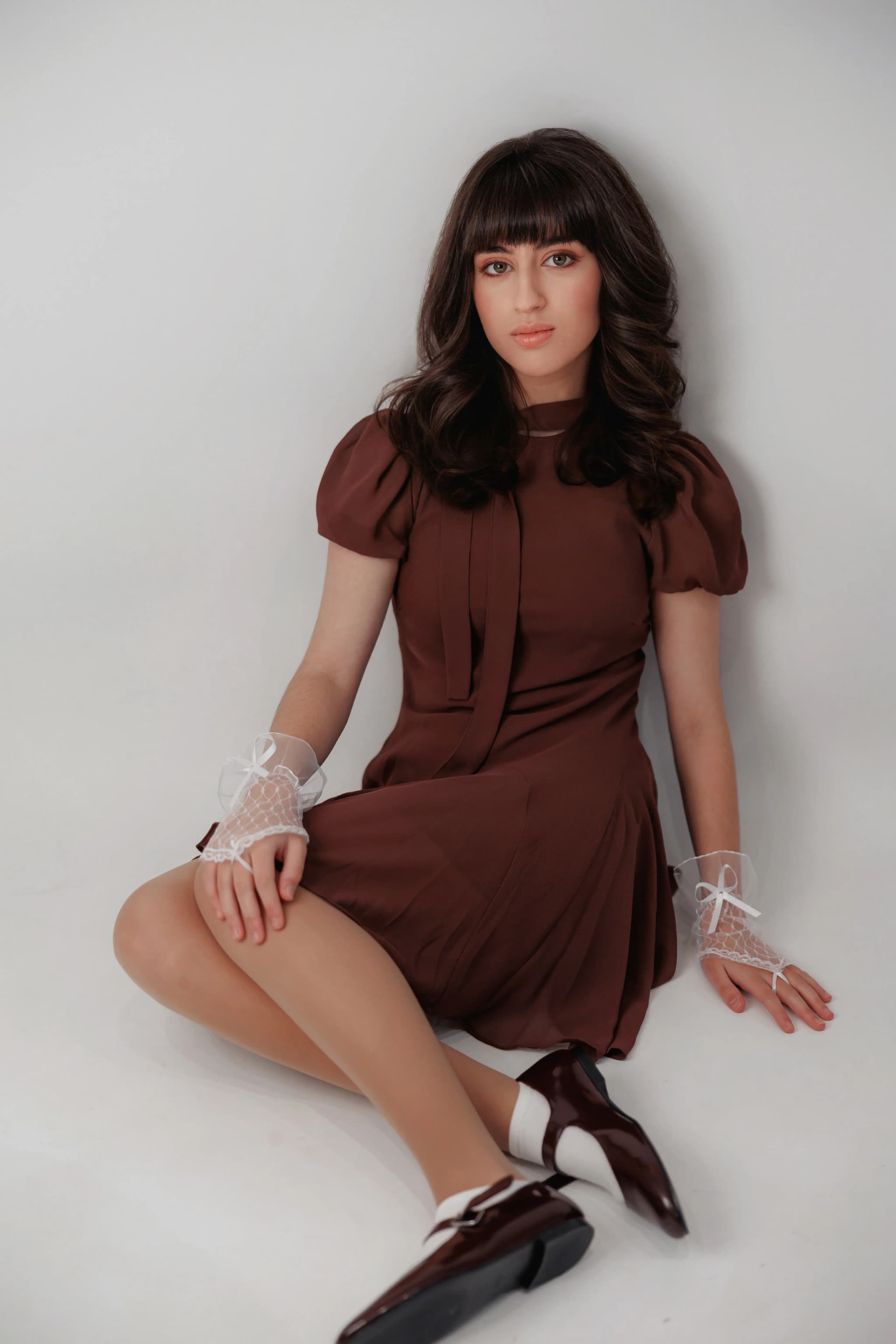
That changes a lot of the technical decisions in the session. Lighting that is slightly softer and warmer than a typical corporate headshot setup. Poses that allow a bit more movement and asymmetry rather than the rigid, squared-shoulders formality of a legal or finance headshot. And crucially, enough time in the session to let a genuine, unforced expression appear, rather than capturing the first slightly stiff smile and calling it done.
Health and Nutrition Coaches
Health coaches and nutrition coaches — whether the focus is weight management, metabolic health, gut health, sports performance, or general lifestyle change — are usually building trust with clients who have tried other things before and are wary of anything that feels like a sales pitch. The headshot needs to support that trust rather than undercut it. I find that images with a small amount of natural energy in them — a genuine laugh, a hand gesture mid-conversation, a slightly turned angle rather than a flat front-on pose — read as more credible for this group than a completely static studio portrait. Clients scrolling past dozens of similar profiles respond to a photograph that looks like a real person having a real conversation, not a stock-photography version of professionalism.
Colour and setting matter here too. Nutrition and health coaches often work partly outdoors, partly online, and partly in clinical or gym-adjacent settings, so I usually offer a mix of a clean, warm studio-style backdrop for the primary professional headshot alongside a few environmental frames — a kitchen, a consultation room, a walking location — that can be used for blog posts, social content, or an "about me" page where a single static headshot would feel repetitive.
Mindfulness and Stress Management Coaches
Mindfulness teachers, meditation facilitators, and stress management coaches are selling stillness as much as expertise, and that is genuinely difficult to fake in front of a camera. A forced smile or a stiff pose reads immediately as inauthentic when the entire premise of the coach's work is calm presence. For this group I slow the whole session down. We spend longer between frames, I talk less about "posing" and more about simply breathing and settling, and I photograph through natural pauses rather than only on cue. The images that end up working best are very often the ones taken a beat after a formal pose has relaxed — the moment where the shoulders drop slightly and the eyes soften.
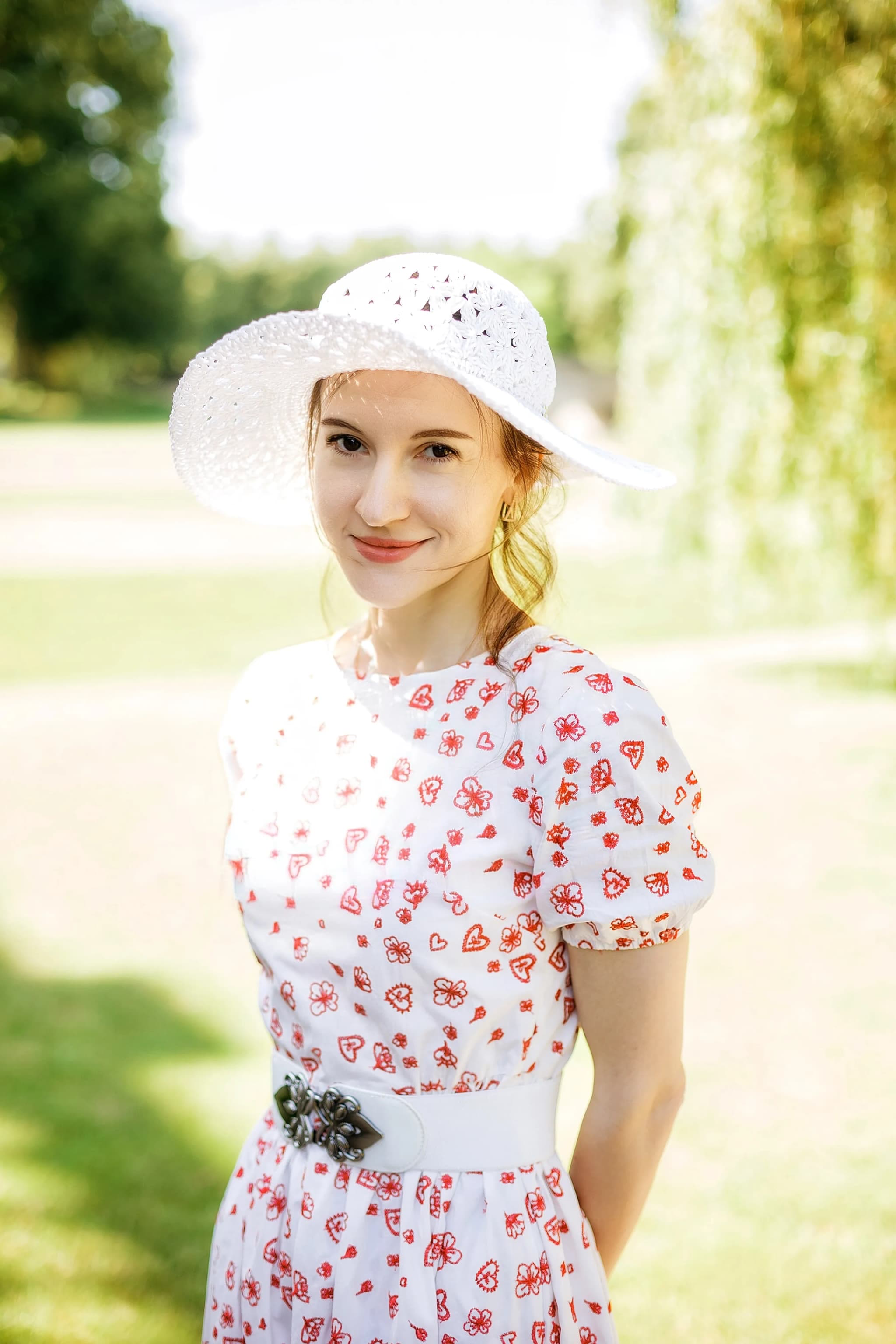
Soft, even, slightly warm light suits this category particularly well, avoiding anything that reads as harsh or clinical. Simple, uncluttered backgrounds — a plain wall, soft natural greenery, gentle window light — tend to serve mindfulness and wellbeing practitioners better than a busy studio backdrop, because the visual quietness of the image reinforces the calm the coach is trying to communicate.
Corporate Wellness and Workplace Wellbeing Practitioners
A growing number of wellness coaches now work primarily with organisations — delivering workplace wellbeing programmes, resilience training, mental health first aid courses, or executive coaching with a wellbeing focus. This group has the trickiest brief of all, because the photograph has to work in two different contexts simultaneously: it needs enough polish and structure to sit comfortably in a pitch deck alongside HR directors and procurement teams, while still carrying the warmth that distinguishes a wellbeing practitioner from a generic management consultant.
For corporate wellness sessions I usually lean the lighting and framing slightly closer to a traditional business headshot — cleaner background, more structured pose, options in both smart-casual and business attire — but keep the expression direction focused on warmth rather than authority. The result is an image that would not look out of place on a corporate wellbeing platform's practitioner directory, but still clearly signals this is a person who listens, not just a person who presents.
Headshots built around your practice, not a template
Every wellness coach I photograph has a slightly different balance of warmth and authority to strike. I spend time before the session understanding your specific practice and audience so the images actually support how you work, rather than defaulting to a generic corporate look.
Enquire about a wellness coach headshot sessionPreparing for the Session: What Actually Helps
Clothing matters more for wellness coaches than for almost any other profession I photograph, because the wrong choice can accidentally undercut the message. Bright, high-contrast patterns and anything with visible branding tend to compete with the calm, grounded impression most wellness coaches want to give. Soft, muted colours — sage, stone, warm neutrals, deep blue — generally photograph well and age well across years of use on a website. I usually suggest bringing two or three outfit options so we can vary the tone across the set: one slightly smarter option for the primary professional headshot, and one or two more relaxed options for supporting images used on social media or blog content.
Skin and hair preparation is worth a small amount of thought but should not be overdone. Wellness coaches, more than most professionals, are photographed for an audience that specifically values authenticity, so a headshot that looks heavily retouched or artificially perfected can work against the coach's credibility. I keep retouching light and natural — removing temporary blemishes and stray hairs, evening out lighting, but never smoothing skin texture to the point where the image looks unreal.
On the day itself, arriving with a few minutes to settle before the camera comes out genuinely helps. Rushing straight from a client session or a busy commute into a headshot session tends to show in the first fifteen minutes of images. I always build a short settling-in period into the start of a session — a cup of tea, a chat about the practice and the intended use of the images — before we begin shooting, precisely because it produces noticeably better, more relaxed results once the camera is out.
Where the Images Get Used
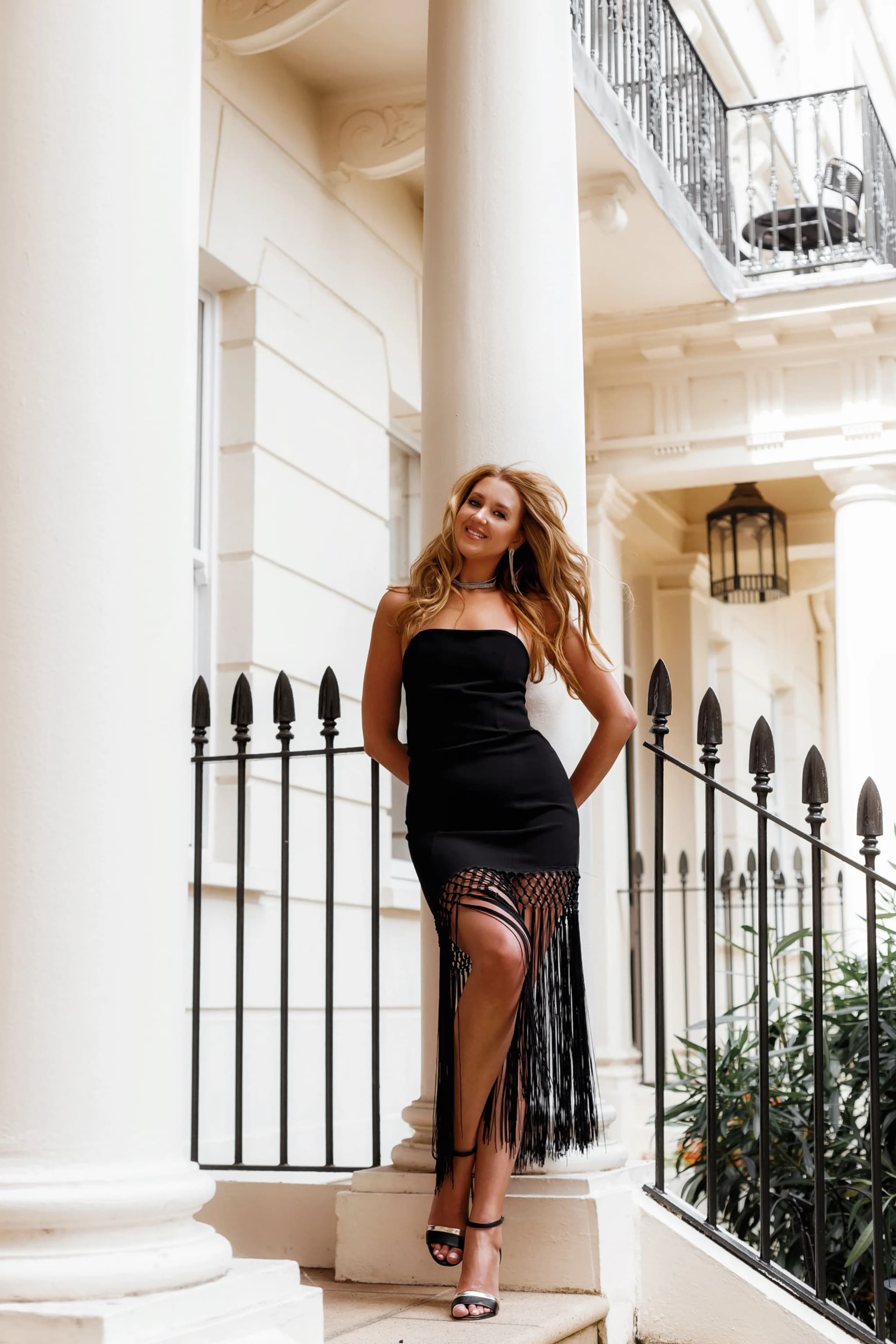
Wellness coaches typically need their headshot to work across a wider range of formats than most professionals — a square crop for Instagram, a landscape crop for a website hero banner, a vertical crop for LinkedIn, and often a version with negative space for a workshop flyer or a printed brochure. I plan the framing during the session with these different uses in mind, rather than delivering a single tightly cropped image that then has to be awkwardly reworked later. A short session usually produces enough variety — different angles, a couple of outfit changes, a mix of studio and environmental frames — to cover a practitioner's marketing needs for a year or more without needing to repeat the whole process.
For coaches who run workshops, retreats, or corporate programmes, I also suggest a small set of supporting "in action" images alongside the formal headshot — teaching, facilitating a group, or simply sitting in conversation. These are far more useful for programme brochures and case studies than a single static portrait repeated across every page, and they reinforce the same warmth and credibility the headshot is meant to convey.
Booking a Session in Cambridge and the Wider UK
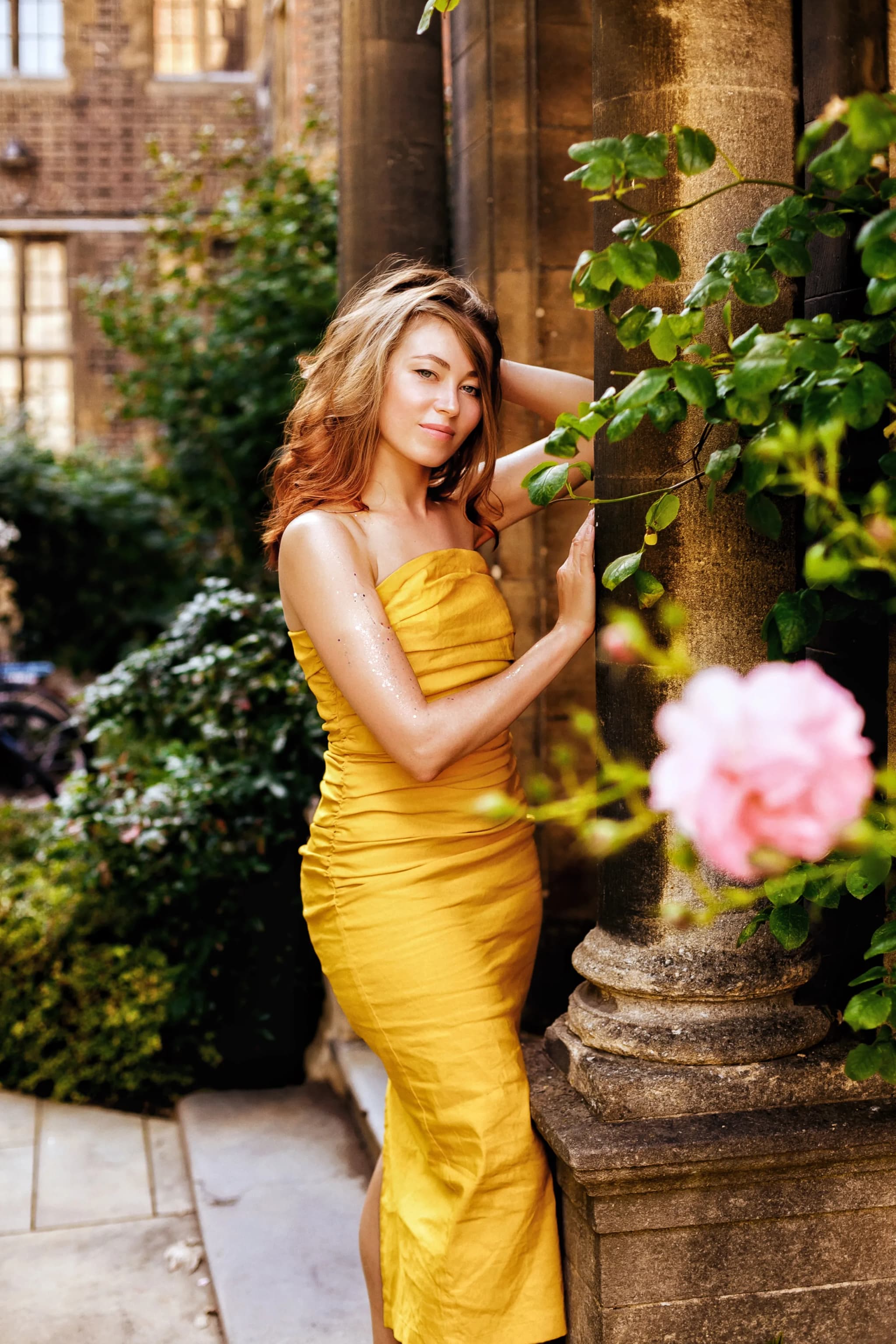
I photograph wellness coaches both in a Cambridge studio setting and on location — a garden, a consultation room, a favourite outdoor spot — depending on what best represents the practice. Sessions are generally under an hour, which is enough time to settle in, work through a couple of outfit changes, and capture the range of expressions and framing a coach needs without the day becoming a production. Turnaround on edited images is typically within one to two weeks, delivered through an online gallery with full-resolution downloads.
For coaches based outside Cambridgeshire, I am happy to travel for corporate wellbeing bookings or small group sessions where several practitioners at the same organisation need headshots on the same day — a practical, efficient option for wellbeing teams who want a consistent, coordinated look across their practitioner profiles.
A good wellness coach headshot is not really about looking polished — it is about looking like someone a stressed, sceptical stranger would trust enough to take the first step. That is a genuinely different brief from most professional photography, and it is one I enjoy precisely because it rewards patience, attention, and a willingness to wait for the real expression rather than the first one. If you are building or refreshing your practice's visual presence, get in touch and we can talk through what your specific audience needs to see.

Yana Skakun
Photographer · England
Professional wedding, family and portrait photographer based in England. Passionate about capturing authentic emotions and timeless moments.
About Yana →wellness coach headshotshealth coach photography UKmindfulness coach professional photoCambridge wellness photographercorporate wellness headshot
Headshot Tips — Professional Headshot Photography in Cambridge & England
Professional headshot sessions with Yana Skakun are clean, efficient, and designed to produce images that represent you authentically across every professional context — LinkedIn, company websites, speaker profiles, and press. Sessions available in Cambridge and across England. This guide — Professional Headshots for Wellness Coaches in the UK — is part of the photography journal: practical, experience-based advice drawn from real sessions across England. Whether you arrived searching for wellness coach headshots or health coach photography uk, the same care and attention shapes every session Yana photographs.
Professional Headshot Photography sessions are available year-round, with bookings open across Cambridge, Ely, Huntingdon, Peterborough, and further afield — East England, London, the Midlands, and beyond. If you have specific questions about mindfulness coach professional photo, mention it in your enquiry. Get in touch through the contact form above to check availability and discuss your session. Enquiries are welcomed from anywhere in the UK.
Frequently Asked Questions
What should I wear for a professional headshot?+
Solid colours photograph better than patterns. Navy, grey, charcoal, and burgundy are universally flattering. Avoid white (creates exposure issues), black (can look flat), and bright neons. Make sure your clothing fits well and is freshly pressed. Bring 2–3 outfit options to give yourself variety.
How do I prepare for a headshot session?+
Get a good night's sleep. Stay hydrated in the days before. If you're having hair and makeup done, schedule it for the morning of the shoot. Bring the clothes you plan to wear on a hanger. Arrive 10 minutes early to settle in before the camera comes out. Most importantly — don't stress. A good photographer will guide you.
How long does a professional headshot session take?+
A standard headshot session takes 30–60 minutes. This covers 2–3 outfits and multiple expressions and angles. Corporate team headshots at a single location can be scheduled at 15–20 minutes per person.
How often should you update your professional headshot?+
Every 2–3 years, or whenever your appearance changes significantly — new hairstyle, weight change, or notable ageing. Your headshot should look like you when you walk into a meeting, not like you five years ago. Outdated headshots undermine trust, particularly in client-facing roles.
What is the difference between a headshot and a business portrait?+
A headshot is a tight crop of the face and upper chest, focused entirely on professional presence and approachability. A business portrait typically includes more of the body and often incorporates environment or context — an office setting, equipment, or a workspace that communicates your profession.
Continue Reading
Related Articles

Headshot Tips
LinkedIn Headshots for Cambridge Graduates: Start Your Career With the Right First Impression
7 min read · Read Article
Headshot Tips
Professional Photography for Small Businesses: The Complete Guide
12 min read · Read Article
Headshot Tips
Corporate Team Photography: Professional Headshots for Your Entire Organisation
9 min read · Read Article
Get in Touch
Ready to Book Your Session?
Get in touch to discuss your vision — I'll reply within 24 hours.