Yana Skakun
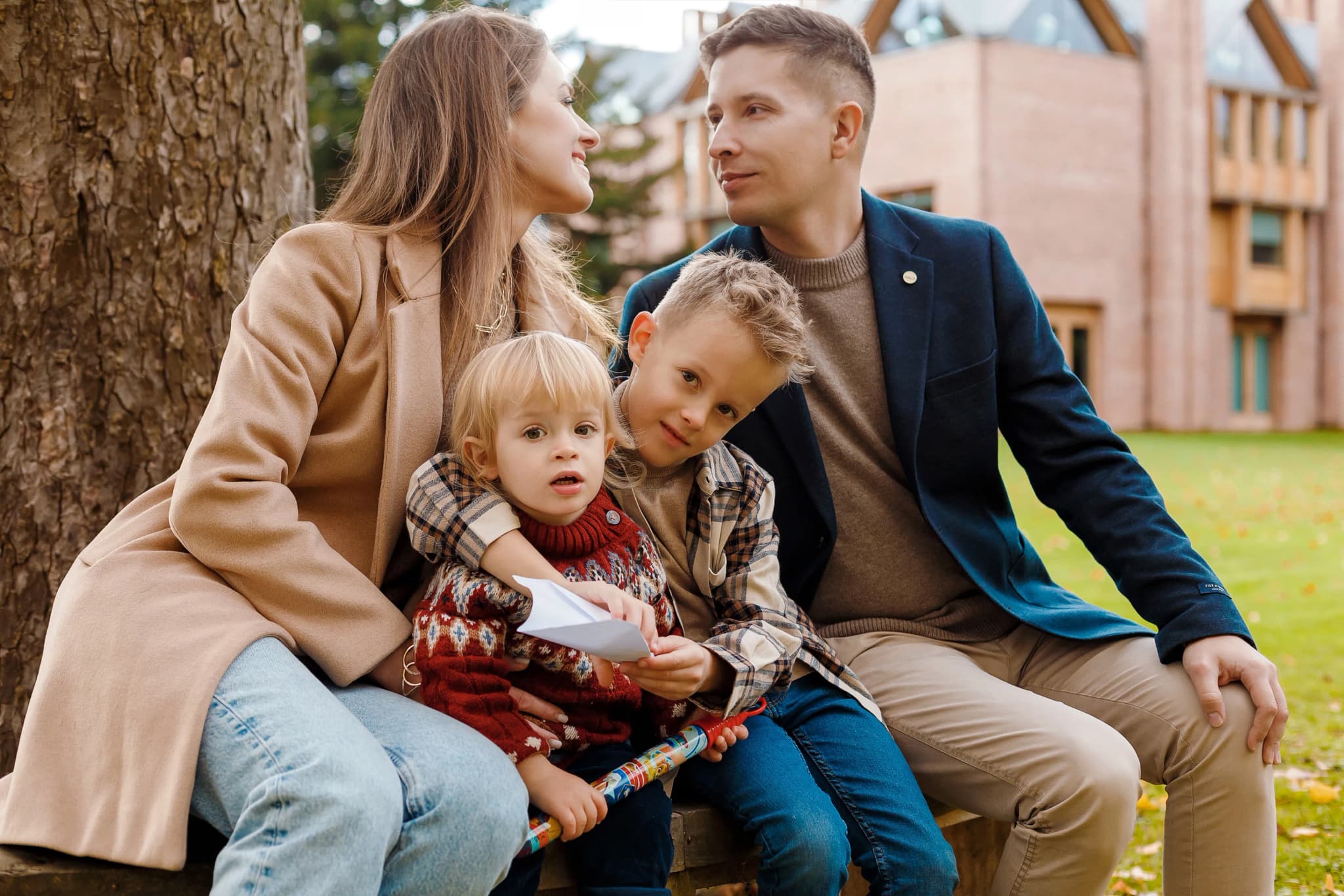
What to Wear for Children's Portrait Sessions: Age-by-Age Guide
By Yana Skakun·5 April 2026·10 min read
Children's portrait sessions live or die on one thing: whether the child is comfortable, happy, and free to be themselves. The right outfit supports that freedom. The wrong outfit creates a miserable child being asked to keep still while wearing something scratchy. This guide covers outfit choices for every age group — from babies to teenagers — with practical tips that actually work on session day.
📋 In this guide:
The Golden Rule: Comfort Creates Beautiful Photos
Every photographer who works with children says the same thing: a child who feels comfortable, can run and jump and sit as they normally would, and isn't adjusting their outfit every five minutes, gives you exponentially better images. Comfort is not a concession to practicality at the expense of beauty — it is the single most important factor in producing natural, joyful, expressive children's portraits.
The second principle follows from the first: choose clothing that photographs beautifully from the inside out. The image you're capturing is a child's personality, expression, and joy — not their outfit. The outfit should be a quiet backdrop to that, not the centre of attention.
Babies (0–12 Months)
For very young babies, comfort and warmth are the primary concerns. They cannot tell you what's uncomfortable. A few guidelines specific to this age group:
- Soft natural fabrics only: Cotton, bamboo, and muslin against baby skin. Avoid anything scratchy, textured against the skin, or tight around the neckline.
- Easy on, easy off: Popper fastenings at the bottom, envelope necks, or stretchy necklines — anything that makes changing quick and stress-free. Babies have frequent wardrobe changes, and struggling with an outfit creates a grumpy subject.
- Don't overdress: If the session is in a warm studio or on a warm day, a baby in a simple cotton romper and a pretty headband or hat is a beautiful portrait. Bulky, overdressed babies look uncomfortable and aren't.
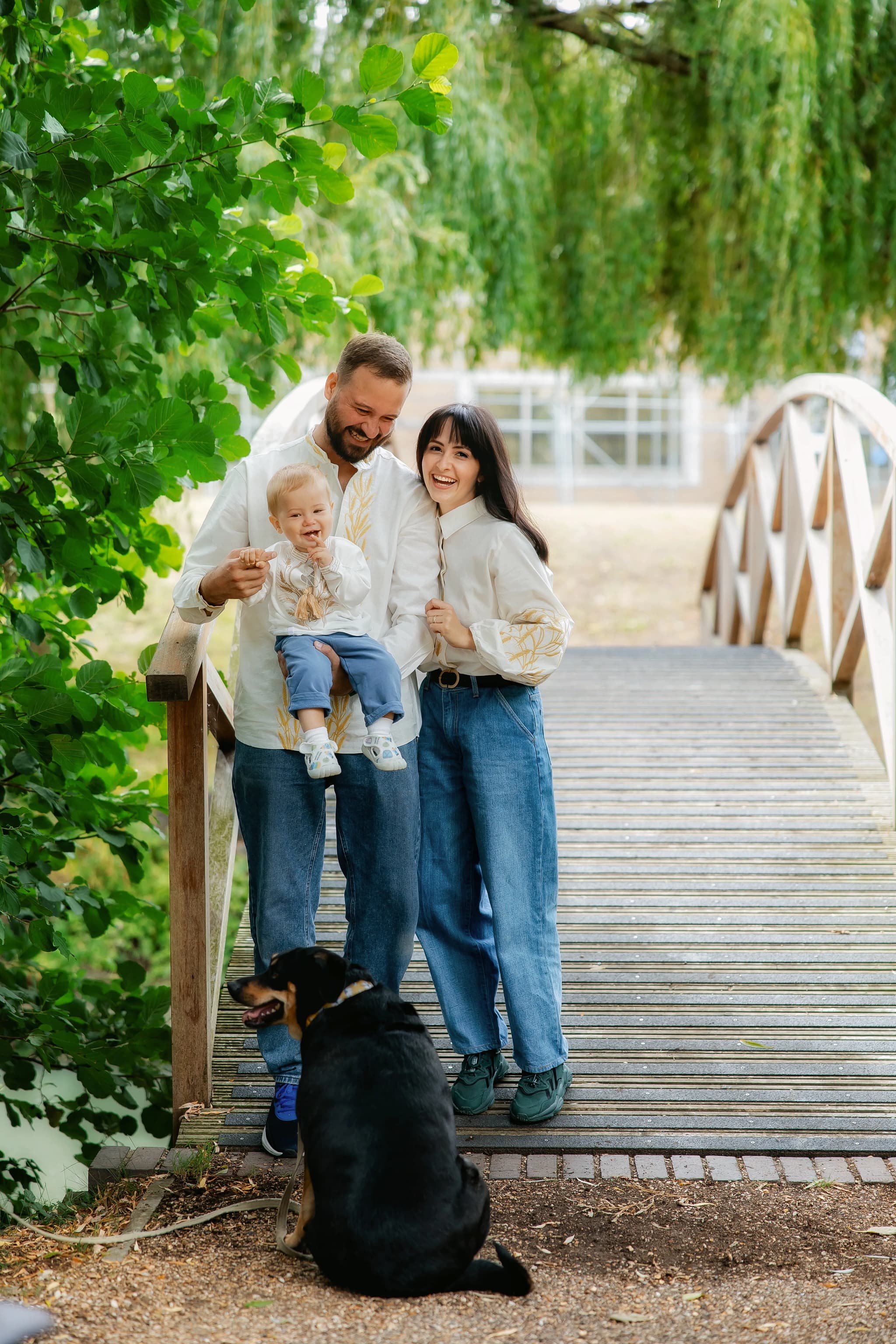
- Simple, muted tones: Soft whites, creams, pale blues, dusty pinks, sage — these photograph with a purity and gentleness that matches the feeling of newborn and early baby portraits. Avoid very bold, bright colours that jump out of the image.
- Socks or bare feet: Bare feet are classic for newborn and early baby portraits. Soft cotton socks or knitted booties for older babies. Avoid hard-soled shoes at this age.
- Bring a spare set: Always bring at least one complete change of outfit. Spit-up, nappy blowouts, and formula spills are part of every baby session. A clean backup means the session continues without stress.
Toddlers (1–3 Years)
Toddlers are the most unpredictable age group in portrait photography — and often produce the most spectacular candid images when the session is run correctly. Key outfit principles for this age:
- ◆Freedom of movement is non-negotiable: Toddlers will run, sit, roll, climb, and very possibly lie on the ground. Stiff, structured clothing that restricts this will create a frustrated child within 10 minutes. Soft leggings, stretchy denim, cotton dresses with room to move — all work well.
- ◆Elasticated waistbands: Belts, button-fly trousers, and structured waistbands are impractical for toddlers and slow down the session. Soft elasticated waists make quick bathroom trips possible and don't dig in when sitting.
- ◆Shoes they can run in: Toddlers running toward (and away from) the camera in joyful motion is one of the most beloved family photo genres. Make sure shoes allow confident, fast movement. Clean trainers, soft-sole boots, or leather shoes with non-slip soles all work.
- ◆Something they've worn before: Avoid putting a toddler in a brand-new outfit they've never worn. Stiff new fabric, unfamiliar tags, or different-feeling shoes all create low-level discomfort that shows on their face. Wash new outfits in advance and ideally let the child wear them briefly before the session.
Pre-School Age (3–5 Years)
Pre-schoolers are beginning to have opinions about what they wear — and this can be a resource, not a problem. If your child has a favourite colour, incorporate it. If they love a particular character, let that live in the accessories rather than the main garment. Some practical guidance:
- Let children have some input — within boundaries. Offering two pre-approved outfit options gives children a sense of ownership and increases cooperation.
- Avoid anything that requires constant adjusting — a dress that falls off the shoulder, a bow that needs retying, a headband that keeps slipping. These create frustration for child and parent mid-session.
- For girls: a smocked dress, a simple floral in muted tones, soft dungarees with a white bodysuit, or a skirt and top set all work beautifully. Tutus photograph brilliantly for this age in the right setting.
- For boys: a linen shirt and soft chinos, simple smart shorts and a polo, or comfortable dungarees all provide a clean, age-appropriate portrait look.
- A light cardigan or jacket creates flexibility for outdoor sessions where temperature varies through the hour.
School Age (5–10 Years)
School-age children are often more cooperative than toddlers and have firmer clothing preferences. The challenge at this age is balancing what they want with what photographs well and coordinates with the family.
- Discuss the session with children in advance and get genuine buy-in. A child who feels good in their outfit and is excited about photos participates much better than one who feels their preferences were overridden.
- At this age, children can often wear smarter clothing without discomfort — a properly fitted dress, a collared shirt, a blazer — but test for comfort by having them wear it around the house first.
- Layers work well: a simple outfit with an added jacket, cardigan, or hoodie (removed for some shots, kept on for others) gives you variety within one session.
- For outdoor sessions: consider footwear seriously. School-age children often run through sessions and need shoes they can actually move in. Wellies, trainers, or boots — depending on the terrain and season.
- Avoid adult-style clothing on children this age — fashion-forward outfits can date quickly and don't capture childhood with the timeless quality that will make these images last.
Tweens and Teens (10+ Years)
Teenagers and tweens require the most careful approach of all children's age groups. Self-consciousness about appearance is natural at this age, and feeling forced into something they dislike can make a session uncomfortable for everyone.
- ◆Involve them directly in outfit planning: Show this guide. Let them suggest options. Agree on a look together. Teenagers who feel genuine ownership of their outfit show a very different quality of confidence on camera — one that becomes one of the most beautiful family photos you'll take at this age.
- ◆Respect their style: A teenager who dresses in a particular aesthetic every day will feel most like themselves in that aesthetic. A teen who lives in oversized streetwear forced into a floral dress is going to look stiff and uncomfortable. Work with their style, not against it.
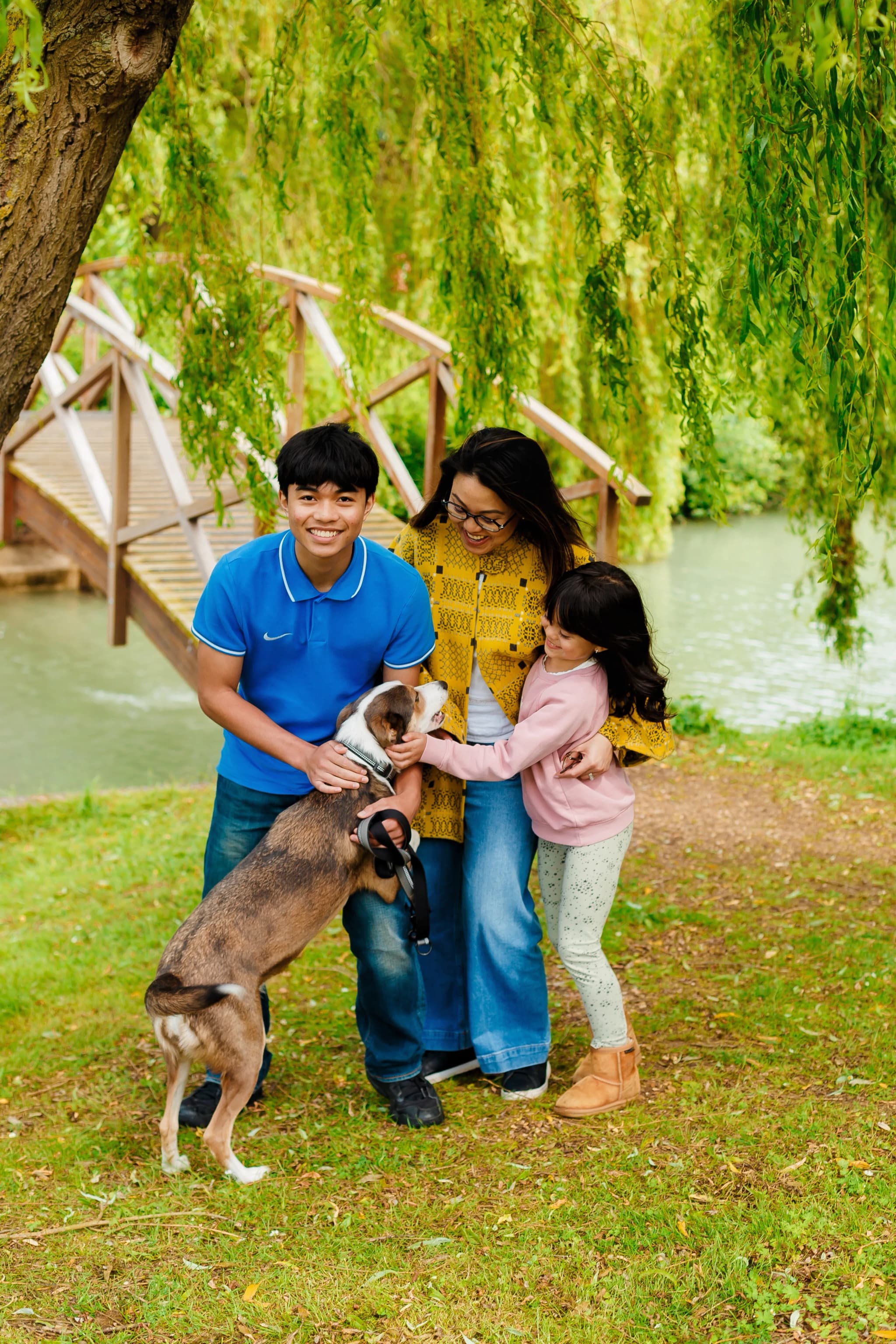
- ◆Guide toward coordination, not conformity: The goal is that a teen's outfit feels cohesive with the family image without forcing them to dress identically to younger siblings. A shared colour tone or a single colour choice that links their outfit to the group is enough.
- ◆Check for fit: Teenagers' sizing changes rapidly. Check that the chosen outfit fits well — not swimming in fabric, not too tight. Well-fitting clothing is the most important factor at this age.
Coordinating Children's Outfits With the Family
When children's portraits are part of a family session, the general family outfit principles apply — choose a 2–3 colour palette and dress all family members in tones that sit within it. Specific points for children within a family group:
- Children don't need to be the most plainly dressed family members — their outfits can have a little more character and fun than adult choices, as long as the colour palette remains cohesive.
- Avoid dressing children in the palest tones of the palette in outdoor shots — pale or white clothing on children can become distractingly bright in strong sunlight, drawing the eye to them over the whole image.
- For large families with multiple children: simplify. A family of six in complex individual outfits creates a visually chaotic image. A shared colour within each child's slightly varied outfit creates cohesion.
- Give yourself a logistics buffer — getting multiple children dressed and out of the house takes longer than you expect. Build in 20 extra minutes.
What to Avoid at Every Age
✕Brand new, unwashed clothing: Never worn, stiff, uncomfortable — shows on children's faces immediately.
✕Itchy or synthetic fabrics: Children are very sensitive to fabric texture. Anything scratchy creates low-level constant discomfort.
✕Tight waistbands or restrictive cut: Impractical and uncomfortable for children at any age. Prioritise flexibility.
✕Very busy or graphic prints: Large graphic T-shirts, noisy prints, and character-branded clothing date quickly and draw attention to the fabric over the face.
✕Identical matching outfits for all children: Coordinated is better than matching. Identical outfits on all children looks staged and impersonal.
✕White at the top of the outfit for young children: A white shirt or blouse on a toddler or small child will not stay white for long. Either accept this gracefully or choose a dark cover-up to remove just before photos.
Frequently Asked Questions
My child refuses to wear any outfit except their favourite clothes. What do I do?
Work with it, not against it. A child in their favourite outfit who is relaxed, cooperative, and happy will produce far better photos than a child forced into 'nice' clothes who is miserable. Talk to your photographer — often the child's favourite outfit can be made to work, at least for some shots. Alternatively, see if you can make their favourite item (a specific colour, a favourite character piece) a small accessory rather than the main outfit.
Should I bring extra outfits?
Yes — for young children especially. An extra outfit in the bag for babies and toddlers is essential. For school-age children and teens, a single alternative option is a good backup. It also gives you the option of a slightly different look for variety within the gallery.
What if my child gets their outfit dirty before we even get to the session?
This happens more often than you'd expect. The backup outfit saves the session. As a general rule: keep the session outfit off until just before you need it. Dress children at the session location if possible.
Are there specific outfits that look particularly beautiful on children in autumn or summer?
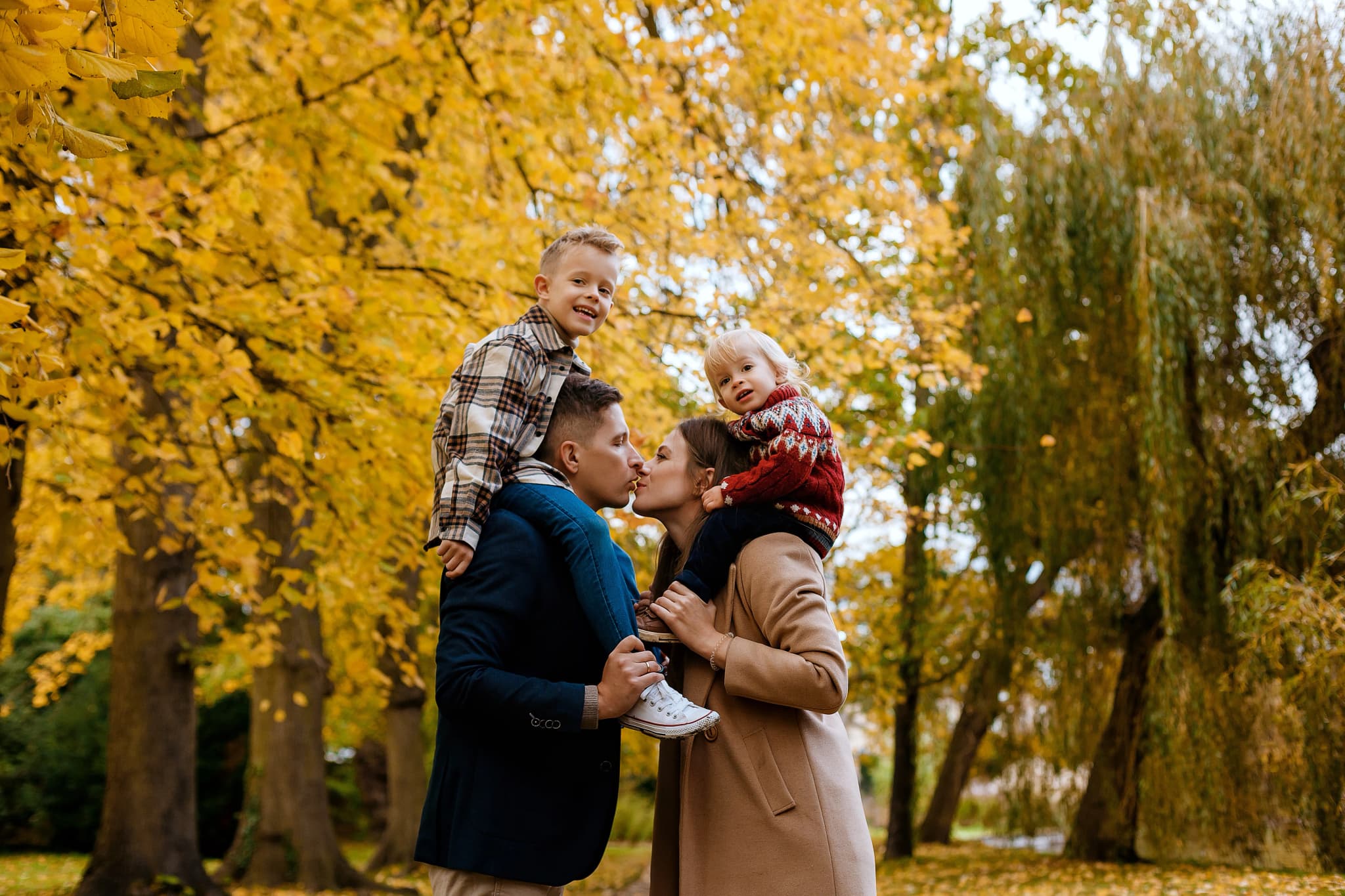
For autumn: earthy tones (rust, mustard, burgundy, forest green) in soft fabrics like corduroy, velvet, and knit photograph with warm, seasonal beauty. For summer: light linens and cottons in pale or pastel tones are perfect. For spring and blossom sessions: soft pastels, florals (muted, not cartoon), and smocked dresses are classic and beautiful.
My child is very self-conscious and doesn't like having photos taken. How do I help?
Outfit confidence is a real factor for older children. Let them choose an outfit they feel genuinely good in. A good children's photographer works through play, movement, and interaction rather than posed stillness — the session should feel like an activity, not a duty. Brief them on this so they know what to expect. And never force smiles — genuine expressions in natural moments are always more beautiful.
Book a children's portrait session in Cambridge
Natural, joyful children's portraits in Cambridge — capturing your children exactly as they are, right now.
Book a Session

Yana Skakun
Photographer · England
Professional wedding, family and portrait photographer based in England. Passionate about capturing authentic emotions and timeless moments.
About Yana →what to wear children's photos UKchildren's portrait session outfit guide Englandkids photography outfits UKwhat to dress children for photos UKchildren portrait photography outfit ideas Cambridge
Family Tips — Family Photography in Cambridge & England
Yana Skakun offers natural, relaxed family photography sessions across Cambridge, Cambridgeshire, and the wider East of England. Sessions take place outdoors — in parks, woodland, and countryside — or at your family home, wherever everyone feels most at ease. This guide — What to Wear for Children's Portrait Sessions: Age-by-Age Guide — is part of the photography journal: practical, experience-based advice drawn from real sessions across England. Whether you arrived searching for what to wear children's photos uk or children's portrait session outfit guide england, the same care and attention shapes every session Yana photographs.
Family Photography sessions are available year-round, with bookings open across Cambridge, Ely, Huntingdon, Peterborough, and further afield — East England, London, the Midlands, and beyond. If you have specific questions about kids photography outfits uk, mention it in your enquiry. Get in touch through the contact form above to check availability and discuss your session. Enquiries are welcomed from anywhere in the UK.
Frequently Asked Questions
How do you prepare children for a family photoshoot?+
Keep it low-key beforehand — don't over-explain or build it up too much. Make sure children are fed and rested. Bring a snack and a favourite toy or comfort item. Let them warm up at their own pace rather than forcing poses from the start. The best family photos happen when children forget there's a camera.
What should a family wear for photos?+
Choose a colour palette — 2–3 complementary tones — rather than identical outfits. Earthy neutrals, blues and greens, or cream and blush all work beautifully outdoors. Avoid large logos, neon colours, and very small patterns that create visual noise. Dress for the location and season, and make sure everyone is comfortable.
When is the best time for an outdoor family photoshoot?+
The golden hour — the first hour after sunrise or the last hour before sunset — gives the softest, warmest light. Overcast days are also excellent: the cloud acts as a natural diffuser, eliminating harsh shadows. Midday summer sun is the most challenging light to shoot in.
How long does a family photography session take?+
Most family sessions last 45–75 minutes. Mini sessions (30–40 minutes) work well for smaller families and toddlers who have shorter attention spans. Larger extended family groups may need 90 minutes to cover everyone comfortably.
How many photos will I get from a family photoshoot?+
A standard 60-minute family session typically produces 30–60 edited images delivered in a private online gallery. Mini sessions deliver 15–25 images. All images are colour-corrected, naturally edited, and ready for printing.
Continue Reading
Related Articles

Family Tips
Blended Family Photography: A Sensitive Guide to Step-Families, Co-Parenting & Group Portraits
11 min read · Read Article
Family Tips
Baby Milestone Photography: Capturing Every Stage of the First Year
10 min read · Read Article
Family Tips
Maternity Photography in England: When to Book, What to Wear & Where to Shoot
11 min read · Read Article
Get in Touch
Ready to Book Your Session?
Get in touch to discuss your vision — I'll reply within 24 hours.