Yana Skakun
Wimpole Estate Wedding Photography: Cambridgeshire's Grandest Country House
By Yana Skakun·4 April 2026·9 min read
Wimpole Estate is Cambridgeshire's grandest National Trust property and, in my experience photographing there across several seasons, one of the finest wedding venues in the county. It is a Georgian mansion set within roughly 3,000 acres of parkland originally shaped by Capability Brown, with a Victorian model farm, a Gothic folly on the skyline, and the famous two-mile Grand Avenue of lime trees leading up to the house. Few venues in the region offer that particular combination of architectural formality and genuine, working countryside depth. A couple marrying at Wimpole can move from a panelled drawing room to open parkland to a red-brick farmyard within the same afternoon, and each of those settings photographs completely differently. For a photographer, that variety is a gift — it means the day's images do not all look the same, and it means there is almost always a good option regardless of what the weather decides to do.
Wimpole Hall as a Wedding Venue
Wimpole Hall itself is a large, handsome house built up over roughly two centuries, and it is available for private wedding hire through the National Trust. The principal rooms — including the Yellow Drawing Room and the Book Room, designed by Sir John Soane — give you formal interior settings for a ceremony or a wedding breakfast, with proportions and detailing that most modern venues simply cannot replicate. High ceilings, tall sash windows, and a genuine sense of history in every cornice mean the interior images have a weight and elegance to them that needs very little embellishment from me as the photographer.
The south front of the Hall, facing out across the parkland, is where I do most of my formal couple portraits when working close to the house. It catches strong afternoon light and gives a clean, symmetrical backdrop that frames a couple with genuine architectural authority rather than competing with them. I also use the entrance hall and the main staircase for smaller group shots when the light outside is unhelpful — the interior spaces are generous enough to work in without feeling cramped, which is not something I can say for every historic house I photograph in.
The Grand Avenue Through the Seasons
Wimpole's Grand Avenue is one of the most recognisable landscape features in Cambridgeshire — a double row of lime trees running for nearly two miles from the Hall out towards the old Arrington Bridge entrance. You do not need to walk the full length of it to get remarkable images; even the section closest to the house gives a strong sense of scale and symmetry that a couple simply cannot get anywhere else nearby.
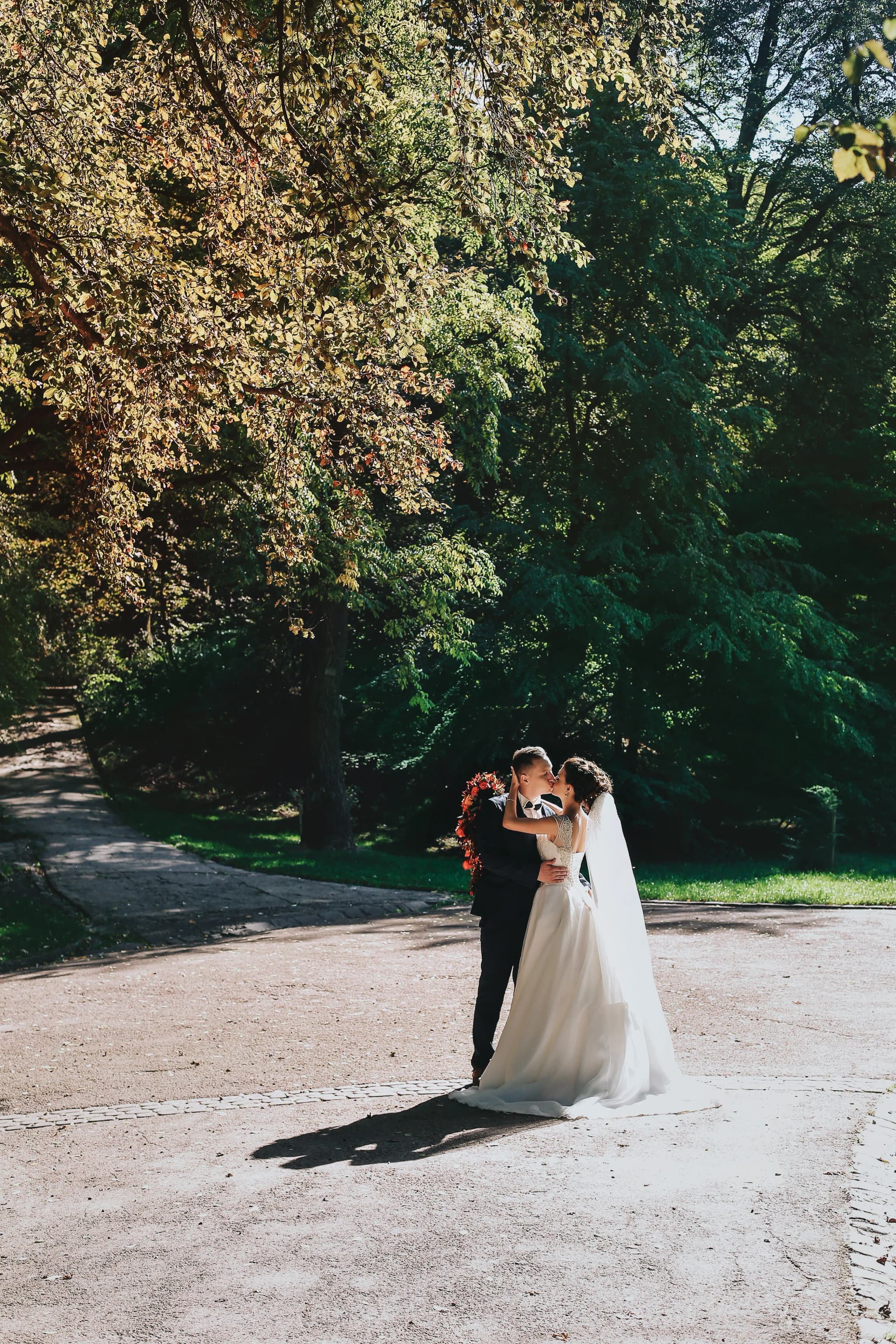
The avenue changes character completely with the seasons, and I plan my approach around whichever season a couple is marrying in. In autumn the limes turn a rich gold and the ground beneath is often scattered with fallen leaves, which makes for some of the warmest, most painterly images I take all year. In winter, once the leaves are down, the bare branch structure creates a dramatic architectural corridor that frames the Hall in the distance — a very different mood, more graphic and stark, but striking in its own way. In late spring and summer the canopy closes over into a genuine leafy tunnel, and walking a couple slowly along it in good evening light produces some of my favourite portraits from any Wimpole wedding. Whichever month you marry in, the avenue gives you at least one image that could not have been taken anywhere else in the county.
The Parkland and the Gothic Folly
Beyond the immediate grounds of the Hall, Capability Brown's parkland rolls out in the deliberately informal way that eighteenth-century landscape design specialised in — clumps of mature trees positioned to look accidental, gentle rises and falls in the ground, and long uninterrupted sightlines. Toward the horizon sits the Gothic Folly, a tower built to look like a ruin, which is genuinely unlike any other backdrop I use in Cambridgeshire. It was built purely to be looked at from a distance, which makes it an excellent focal point in wide landscape portraits, and it also has enough character up close to work as a characterful architectural frame if a couple is willing to walk out to it.
Late afternoon is when this part of the estate performs best. Low sun raking sideways across the contours of the parkland picks out the texture of the grass and throws long shadows from the tree clumps, and it is a completely different quality of light from the more formal, front-on light around the Hall itself. If a couple has any flexibility in their timeline, I always try to build in twenty or thirty minutes in the parkland during that late-afternoon window, because it is consistently where some of the most atmospheric images of the day come from.
Home Farm: A Different Kind of Backdrop
Immediately next to the Hall is the Victorian Home Farm, one of the largest model farms built in England, complete with rare breed animals still kept on site. It is a completely different visual register from the grandeur of the house and the parkland: red brick barns, exposed timber framing, cobbled yards, and genuine working farm textures. For couples who want at least some of their portraits to feel warmer and less formal than a grand country house typically allows, Home Farm is the answer, and I use it often as a secondary location within the same wedding.
It also tends to be a hit with guests, particularly if there are children in the wedding party, and I have taken some genuinely charming candid images of guests wandering over to see the animals during a drinks reception. It is worth checking with the estate events team in advance about which parts of the working farm are accessible on your wedding day, since it does operate as a real farm and access can vary depending on the season and what work is happening.
Photographing weddings at Wimpole across every season
The Grand Avenue, the parkland and folly, and Home Farm combine to make Wimpole one of the most varied wedding venues in Cambridgeshire, and I have photographed there in every season the calendar offers. If you are planning a wedding at Wimpole, I would love to talk through how to make the most of the estate on your day.
Discuss your Wimpole weddingPlanning Your Wedding Day Timeline Around the Estate
Because Wimpole offers so many distinct settings within one venue, the biggest planning question is usually not where to take photographs but how much time to allow for moving between them. The Hall, the near end of the Grand Avenue, the open parkland, and Home Farm are all within a reasonably short walk of each other, but a wedding day timeline that tries to visit all four at a leisurely pace, alongside a ceremony, a wedding breakfast, and speeches, needs realistic time built in rather than being squeezed into gaps.
My general approach when working with a couple planning a Wimpole wedding is to prioritise two or three locations rather than attempting all of them, chosen around the time of day the couple portraits will actually happen and the season they are marrying in. A couple marrying in June with a late ceremony might get beautiful light in the parkland during the drinks reception and save the avenue for golden hour later on. A couple marrying in December might prioritise the Hall's interior rooms and the stark winter avenue, since the light and the weather are working against long outdoor sessions. Talking this through in advance, ideally during an engagement shoot or a planning call, means the wedding day itself runs to a timeline that has already been tested rather than improvised.
Practical Notes on Access and Timing
Wimpole is around eight miles south-west of Cambridge, reached via the A603, and the estate has its own car parking which is straightforward for guests and suppliers alike. As a National Trust property, wedding hire is arranged directly through the estate's events team, and there are National Trust conditions around timing, access to certain rooms, and where on the grounds photography is permitted — it is worth confirming these details with the venue coordinator well ahead of the day so that nothing is a surprise when I turn up with a camera.
I always recommend a venue visit before the wedding itself, ideally at a similar time of day and, if possible, a similar time of year to the wedding date, so we can walk the route between locations and see the light as it will actually fall on the day. Wimpole rewards that kind of preparation more than most venues I work at, simply because there is so much ground to cover and so many genuinely different backdrops on offer.
Wimpole Estate is, without much competition, the most varied wedding venue I photograph in Cambridgeshire — a house grand enough for formal portraits, an avenue dramatic enough to anchor a whole gallery, parkland that changes completely with the season and the hour, and a working farm that adds warmth and informality when the day calls for it. If you are getting married at Wimpole, or considering it, and would like to talk through how the estate could work for your day, get in touch and I will happily share more from weddings I have photographed there before.

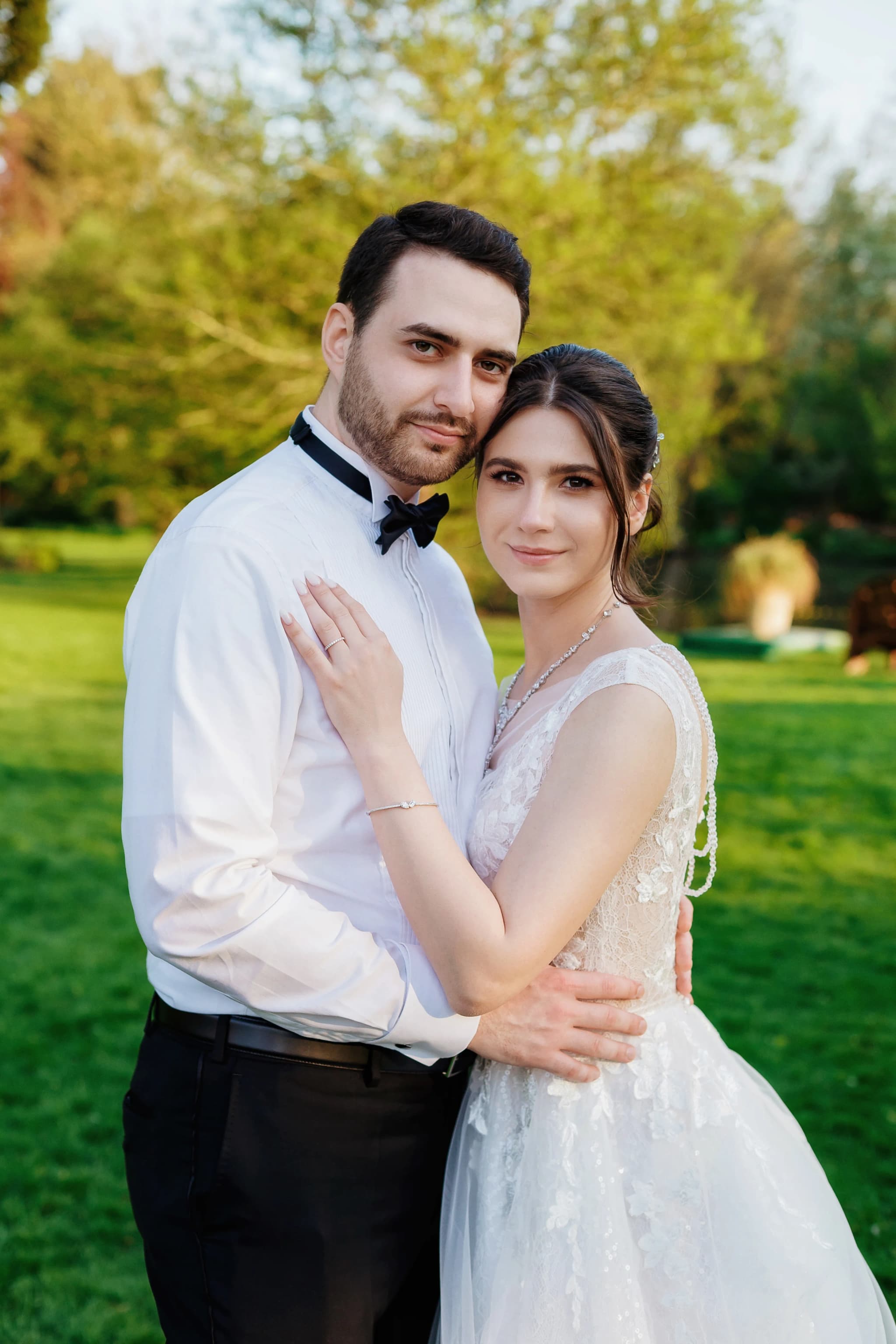
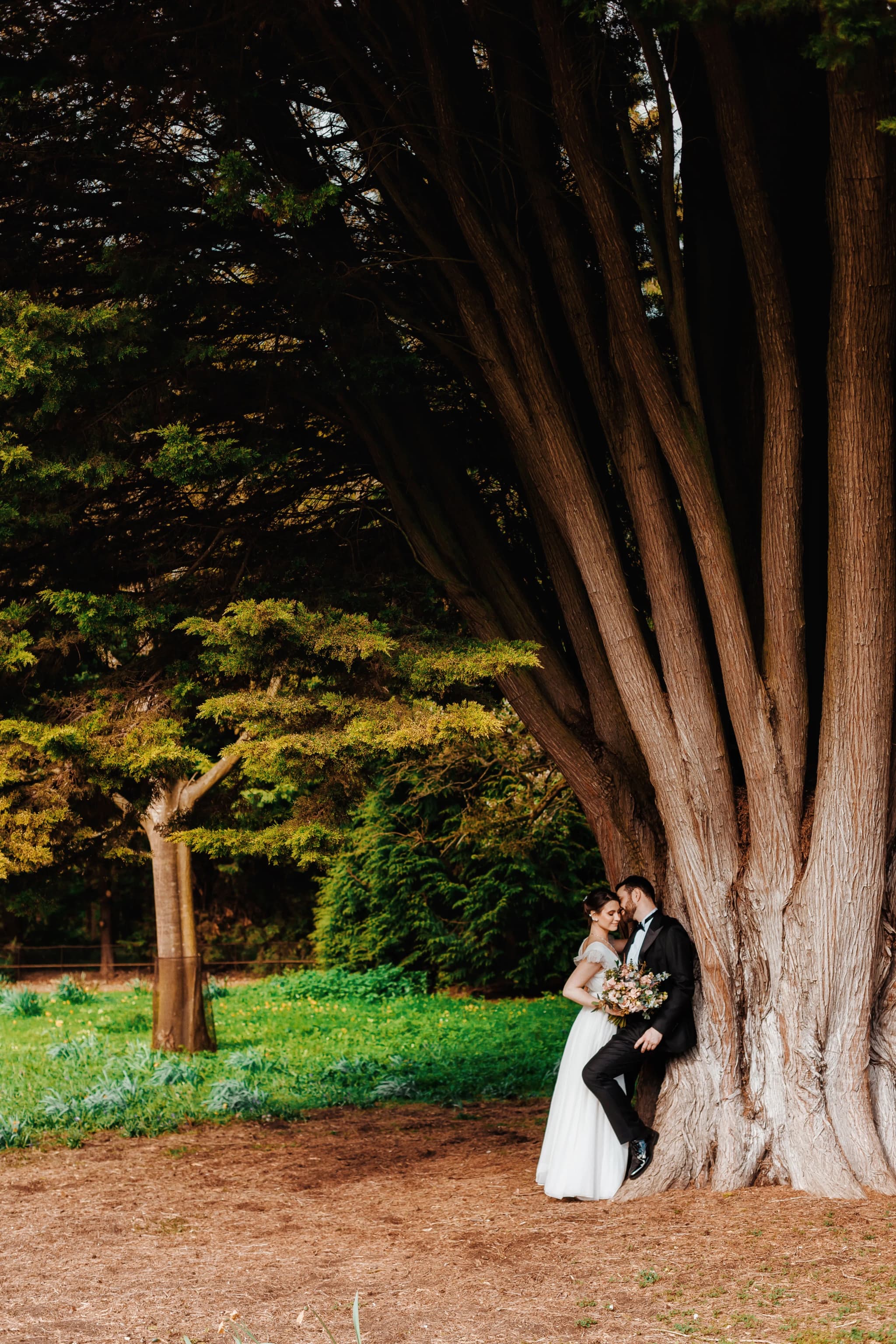

Yana Skakun
Photographer · England
Professional wedding, family and portrait photographer based in England. Passionate about capturing authentic emotions and timeless moments.
About Yana →Wimpole Estate weddingWimpole Hall wedding photographerNational Trust wedding CambridgeshireWimpole Home Farm weddingcountry house wedding Cambridgeshire
Venue Spotlights — Wedding & Portrait Photography in Cambridge & England
Yana Skakun photographs weddings and portrait sessions at venues across Cambridge, East England, London, and beyond. Venue scouting and creative collaboration are part of every booking — every location is worked with rather than against. This guide — Wimpole Estate Wedding Photography: Cambridgeshire's Grandest Country House — is part of the photography journal: practical, experience-based advice drawn from real sessions across England. Whether you arrived searching for wimpole estate wedding or wimpole hall wedding photographer, the same care and attention shapes every session Yana photographs.
Wedding & Portrait Photography sessions are available year-round, with bookings open across Cambridge, Ely, Huntingdon, Peterborough, and further afield — East England, London, the Midlands, and beyond. If you have specific questions about national trust wedding cambridgeshire, mention it in your enquiry. Get in touch through the contact form above to check availability and discuss your session. Enquiries are welcomed from anywhere in the UK.
Frequently Asked Questions
What should I look for when visiting a wedding venue?+
Look at the natural light at the time of day your ceremony will take place. Walk outside and consider where portraits will happen — is there an area with shade, a garden, a meaningful backdrop? Ask about vendor restrictions (some venues require you to use their preferred photographer list). Check logistics: where do guests park, where does the bridal party get ready, is there a bridal suite?
How far in advance should you book a wedding venue?+
Popular venues book 18–24 months ahead, especially for peak season (May–September) Saturdays. If you're flexible on date and day of week, 12 months is usually sufficient. Always view a venue before booking — photos online rarely show the full picture of scale, light, or atmosphere.
What questions should you ask a wedding venue?+
Ask: what's included in the venue hire? Can you bring your own caterer? What are the noise restrictions and finishing times? Is there accommodation on site? What's the plan if it rains for outdoor ceremonies? What is the minimum and maximum guest capacity? Are there any vendor restrictions or preferred supplier lists?
How do venue locations affect wedding photography?+
Venue architecture, grounds, and natural light dramatically affect the quality of wedding photography. Beautiful venues with varied backdrops, good natural light in the key rooms, and outdoor space for portraits make the photographer's job much easier. When choosing a venue, visiting at the same time of day as your planned ceremony is helpful for assessing the light.
What makes a venue photogenic for weddings?+
Natural light (large windows, north-facing rooms), textured backgrounds (stone walls, wooden beams, floral arrangements), varied outdoor spaces (gardens, courtyards, woodland, water features), and interesting architectural details. Venues that feel authentic to their setting — a barn that's actually rustic, a manor house with period features — photograph better than generic white box venues.
Continue Reading
Related Articles

Venue Spotlights
Beach and Coastal Portrait Photography in England
13 min read · Read Article
Venue Spotlights
Autumn Photography Locations in Cambridgeshire: The Complete Seasonal Guide
12 min read · Read Article
Venue Spotlights
Cherry Blossom Photography Locations in England: Where & When to Shoot
11 min read · Read Article
Get in Touch
Ready to Book Your Session?
Get in touch to discuss your vision — I'll reply within 24 hours.