Yana Skakun

Embracing the Wind: How Bad Weather Makes Epic Wedding Photos
By Yana Skakun·10 June 2026·6 min read
Every couple I meet seems to hold their breath when they check the forecast the week before their wedding. A gust of wind, a sky full of cloud, a bit of drizzle rolling in off the Fens — it all feels like a threat to the perfect day. But after years of photographing weddings across Cambridgeshire and Suffolk, I've learnt something the forecast never tells you: wind is one of the best things that can happen to your photographs. Windy wedding photos have a movement, drama and honesty that still days simply cannot fake.
Why Wind Is Your Secret Weapon
Still air gives you neat, tidy, perfectly composed pictures — and there is a place for those. But a flat, windless day also gives you flat, predictable photographs. Wind introduces something you can't pose for: genuine, living motion. A veil lifting into the air, a dress hem snapping sideways, a strand of hair caught across a laughing face. These are the frames couples gasp at when they first see their gallery.
There's a reason the most shared wedding images you see online almost always feature a billowing veil or a coat caught mid-gust. Movement reads as emotion. When the wind animates the fabric, it animates the whole picture, and your photographs stop looking like a catalogue and start looking like a memory. Out here in the East of England, where the landscape is wide and the wind has nothing to slow it down, we are honestly spoilt for it.
Working With the Veil and the Dress
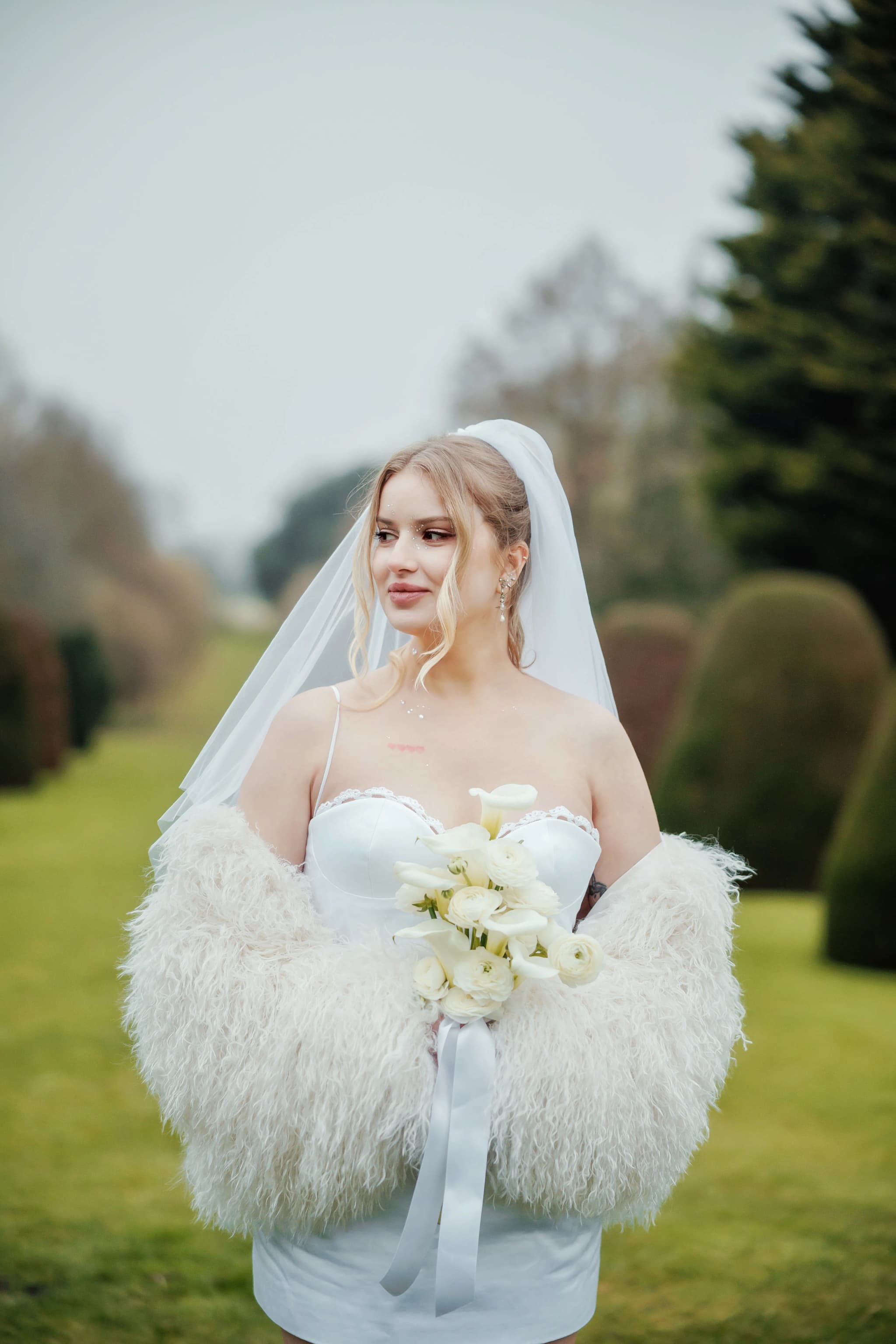
The veil is the single most powerful tool you have on a windy day. I'll often ask my second shooter, or a willing bridesmaid, to lift the veil from behind and release it on a gust so it arcs over the bride's head like a wave. Positioned with the light behind it, a flying veil turns translucent and glows — it's pure cinema, and it takes about thirty seconds to capture.
A dress with movement — chiffon, tulle, organza, anything with a long train — behaves the same way. I position couples so the wind comes from the side or slightly behind, never straight into the face, and let the fabric tell the story. The trick is to work quickly and shoot in bursts, because the best shape the fabric makes lasts a fraction of a second. I'd rather take forty frames and keep three perfect ones than wait for a moment that never repeats.
For couples worried their structured satin gown won't catch the breeze, don't panic. Even the hair, the groom's tie, an unbuttoned jacket or a handful of confetti will give you all the movement you need.
A Quick Field Guide to Shooting in the Wind
Over the years I've built a mental checklist for breezy days. These are the things I think about the moment I feel that first proper gust on a shoot.
- ◆Read the direction: Place the wind to the side or behind your couple so it sweeps fabric and hair away from the face rather than across it.
- ◆Chase the backlight: Shoot towards the sun or sky so a lifting veil glows and translucent layers light up from within.
- ◆Burst, don't wait: Fire in short bursts as the gust peaks; the most beautiful fabric shape exists for only a heartbeat.
- ◆Protect the eyes: Brief your couple to keep eyes soft and chins slightly down so grit and strands don't ruin the squint.
- ◆Pack the kit bag: A travel hairbrush, clear lip balm and a few hidden pins rescue a windswept look between frames.
- ◆Find the shelter: Walls, hedgerows and barn doorways give you a calm pocket for tender close-ups between the dramatic wide shots.
Local Knowledge: Where the Weather Works for You
The venues I love most around here are the ones that embrace the open sky rather than hide from it. The wide meadows along the Cam, the exposed grounds of a Suffolk barn, the long avenues at places like Hardwick or the Granta-side gardens — these are spots where a stiff breeze becomes a gift. If your venue has a sheltered courtyard or a covered loggia as well as open lawns, you get the best of both: drama outside, calm intimacy when you need it.
It also pays to be flexible with timing. East Anglian weather changes fast, and the wind often softens in the golden hour before sunset. I keep an eye on the conditions all day and quietly suggest we duck outside for ten minutes when the light and the breeze line up. That little bit of local instinct is usually the difference between "nice" and "unforgettable".
Letting Go of the Perfect Forecast
The couples who end up with the most striking galleries are almost always the ones who stop fighting the weather and start playing with it. A windswept photo carries something a posed studio shot never will: the feeling of actually being there, on a real day, with the air moving and everyone laughing as a veil takes flight. Years from now, you won't remember that it was blowy — you'll remember how alive it all looked.
So when you next refresh the forecast and see that little wind icon, try to smile. As long as you have a photographer who knows how to use it, a breezy wedding day isn't bad luck at all. It's the start of your most dramatic, most honest, most epic photographs.
Planning a wedding somewhere wonderfully wild and windy?
I photograph weddings across Cambridgeshire, Suffolk and the wider East of England, and I'd love to turn your forecast into the most dramatic frames of your day. Let's talk through your venue and your vision.
Check Your Date →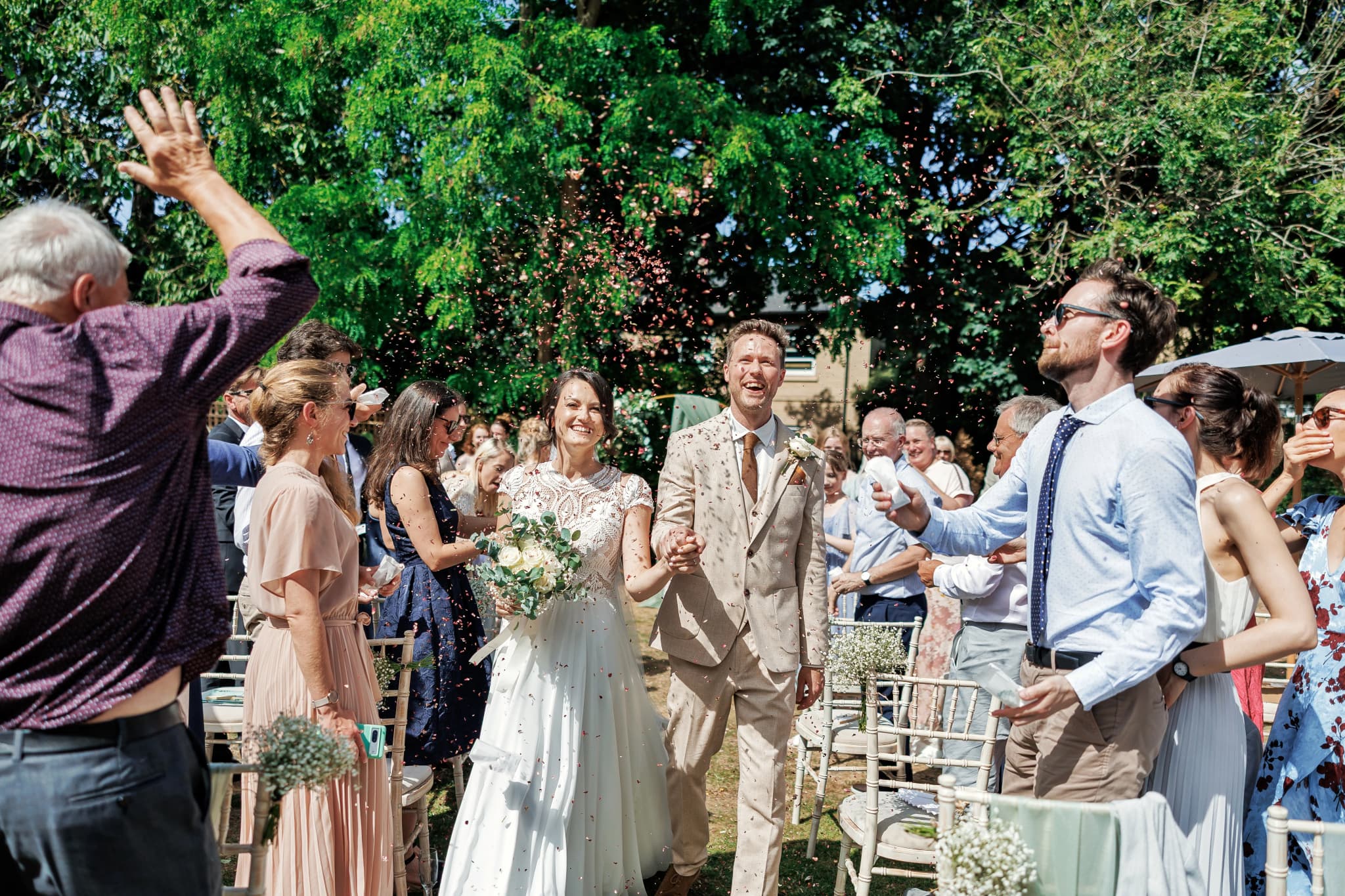

Yana Skakun
Photographer · England
Professional wedding, family and portrait photographer based in England. Passionate about capturing authentic emotions and timeless moments.
About Yana →windyweddingphotosweather
Photography Guide — Professional Photography in Cambridge & England
Yana Skakun is a professional photographer based in Cambridge, covering weddings, families, and portraits across England. Every session is personal — planned around your story, your people, and the moments that matter most. This guide — Embracing the Wind: How Bad Weather Makes Epic Wedding Photos — is part of the photography journal: practical, experience-based advice drawn from real sessions across England. Whether you arrived searching for windy or wedding, the same care and attention shapes every session Yana photographs.
Professional Photography sessions are available year-round, with bookings open across Cambridge, Ely, Huntingdon, Peterborough, and further afield — East England, London, the Midlands, and beyond. If you have specific questions about photos, mention it in your enquiry. Get in touch through the contact form above to check availability and discuss your session. Enquiries are welcomed from anywhere in the UK.
Frequently Asked Questions
What camera settings should I use for outdoor portraits?+
For outdoor portraits, shoot in aperture priority mode. Use a wide aperture (f/1.8–f/2.8) to blur the background and isolate your subject. Keep ISO as low as possible in good light. In bright conditions, use a neutral density filter or switch to manual to avoid overexposure at wide apertures.
What is the golden hour in photography?+
Golden hour is the period roughly 30–60 minutes after sunrise and before sunset. The sun is low in the sky, producing warm, soft, directional light that flatters skin tones and creates beautiful long shadows. It's widely considered the best natural light for portrait and outdoor photography.
How do you get sharp photos in low light?+
In low light, increase your ISO (accepting some grain), use the widest aperture your lens allows, and slow your shutter speed to the slowest you can hand-hold without camera shake (roughly 1/focal length as a guide). Use image stabilisation if available, and consider a tripod for static subjects.
What is the rule of thirds in photography?+
The rule of thirds divides the frame into a 3×3 grid. Placing your subject on one of the four intersection points — rather than dead centre — creates a more dynamic, visually interesting composition. It's a guideline, not a rule: some of the most powerful images break it deliberately.
How do you edit photos to look professional?+
Professional editing starts with shooting in RAW format. In Lightroom or similar software, correct exposure, white balance, and contrast first. Recover shadow and highlight detail. Apply gentle colour grading for mood. Be conservative with skin retouching — the goal is natural enhancement, not transformation. Consistency across a set of images is what separates professional from amateur editing.
Continue Reading
Related Articles


Get in Touch
Ready to Book Your Session?
Get in touch to discuss your vision — I'll reply within 24 hours.