Yana Skakun

Working With a Wedding Photographer: A Guide for Planners
By Yana Skakun·16 April 2026·7 min read
Why the Planner-Photographer Relationship Shapes the Day
Of all the supplier relationships on a wedding day, the one between the wedding planner and photographer is the most operationally critical. The planner holds the timeline; the photographer works within it. When that relationship works well, the day flows effortlessly. When it breaks down, even small problems compound.
If you are a wedding planner reading this — whether newly established or experienced — this guide covers how to build a productive working relationship with photographers, how to build photography-friendly timelines, and the practical communication habits that lead to consistently excellent results for your couples.
Understand How Photographers Think About Time
Photographers think about time differently from planners. A planner manages blocks of time to ensure guests are fed, speeches happen on schedule, and the venue staff stay on track. A photographer thinks about light quality, available locations, and how many images they need to tell the story of the day completely.
When a photographer asks for "15 minutes more for portraits," they are not being difficult. They are recognising that the golden evening light will disappear in 20 minutes and those portrait shots are irreplaceable. Understanding this perspective — and building time for it proactively — marks the difference between a planner photographers want to work with repeatedly and one they approach with caution.
Building a Photography-Friendly Timeline
The most common photography timeline problems are: not enough time for family formals, ceremony running late with no buffer built in, and no dedicated golden hour slot. Here is how to address each.
Family formals: Allow 5 minutes per grouping minimum. A list of 10 group combinations takes 50 minutes if everyone is organised and responsive. Share the shot list with the photographer at least two weeks before the wedding and assign a family member (not the photographer) to gather people for each shot.
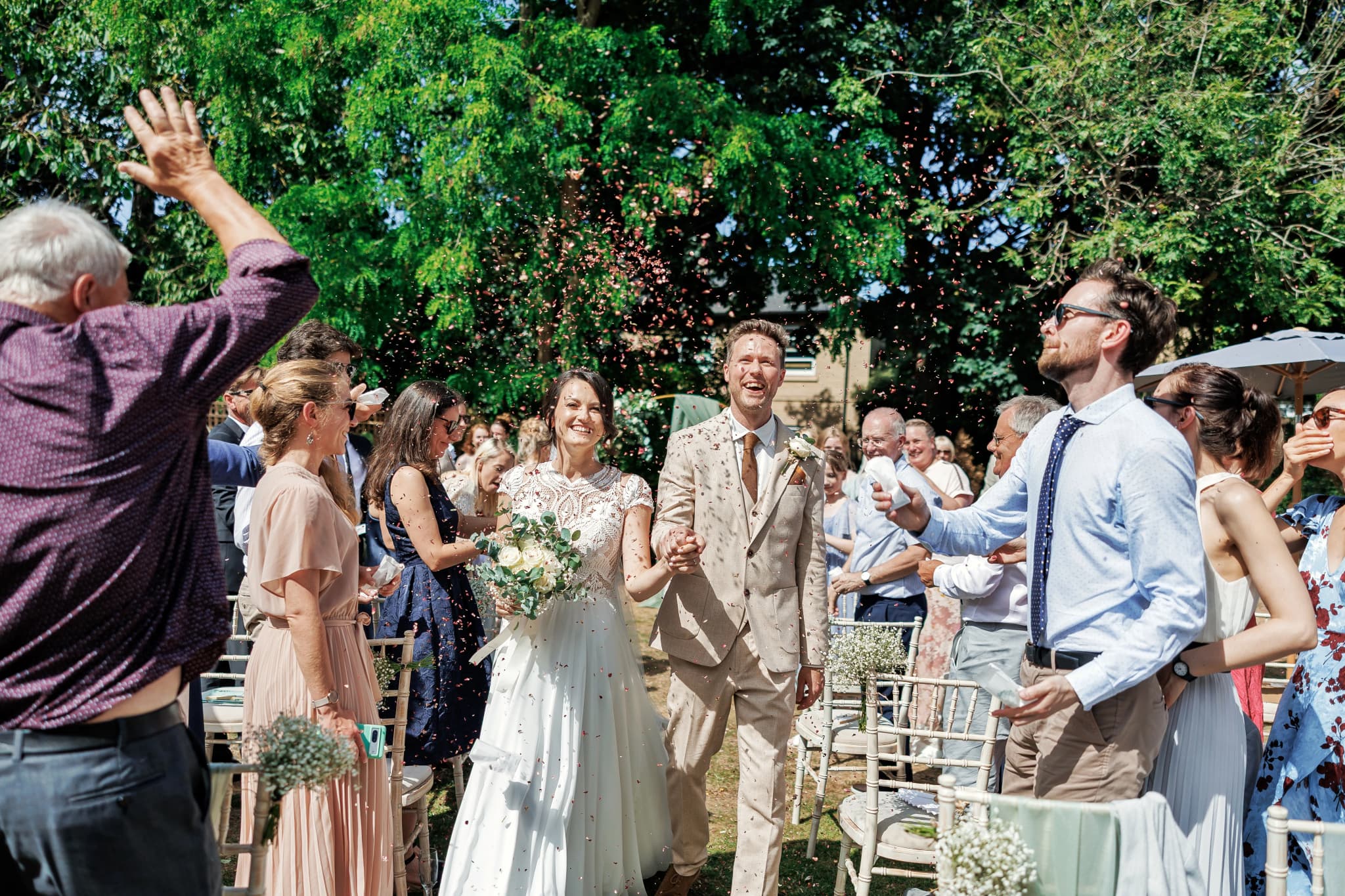
Ceremony buffer: Most ceremonies run 5–15 minutes longer than planned. If the photographer needs to transition immediately from ceremony to couples portraits, this buffer evaporates. Build a 20-minute transition window after the ceremony ends for confetti, congratulations, and the natural flow before formal photography begins.
Golden hour: Sunset timing is predictable. Find out what time sunset is on the wedding date and work backwards. The photographer needs 20–30 minutes with the couple during the golden hour window. Block this in the schedule regardless of what else is happening — it is one of the few moments of the day that cannot be recreated.
Pre-Wedding Communication: What to Share With the Photographer
At least two weeks before the wedding, share the following with the photographer:
- Full timeline with all supplier arrival times and event timings
- Venue floor plan and all ceremony/reception room locations
- Contact sheet for all key suppliers (florist, hair and makeup, band)
- Family formals shot list with names and relationships
- Any sensitive details — family dynamics to be aware of, health considerations, specific moments to prioritise
- Couple's vision board or inspiration images
The more context you provide, the fewer decisions the photographer has to make alone on the day. That translates directly to more time spent photographing and less time problem-solving.
On-the-Day Communication Protocols
Establish a clear single point of contact. On a large wedding, this is typically the lead planner or their assistant. The photographer should not need to interrupt conversations or search for someone when they need information. They should know exactly who to speak to.
Build a brief 10-minute check-in into the timeline — typically just before or after the wedding breakfast begins — where you and the photographer can align on the afternoon timing, flag any changes from the morning, and confirm the golden hour plan. Five minutes of coordination here saves twenty minutes of confusion later.
When the schedule runs late (and it often does), tell the photographer early. Not at the point where the delay is already affecting photography, but as soon as you know. A 20-minute warning allows a photographer to adjust their plan; a five-minute warning forces improvisation.
Building a Trusted Photographer Network
As a wedding planner, your photographer referrals are some of the most valuable recommendations you make. Couples trust you, and your recommendation carries weight. The photographers you refer reflect on your professional reputation as much as their own work reflects on theirs.
Build genuine working relationships with two or three photographers at different price points and styles who you know deliver consistently, communicate professionally, and treat the day with care. When you have worked alongside a photographer multiple times, you develop a shorthand that makes every subsequent wedding together run more smoothly.
Working on a Wedding in Cambridge or East England?
Yana works regularly with wedding planners and coordinators across the region. If you are looking for a photographer who communicates clearly and works collaboratively, get in touch to discuss a referral relationship.
Get in Touch →


Yana Skakun
Photographer · England
Professional wedding, family and portrait photographer based in England. Passionate about capturing authentic emotions and timeless moments.
About Yana →wedding planner photographer collaborationphotography friendly timeline weddingwedding planner supplier guideworking with wedding photographer planners
Wedding Tips — Wedding Photography in Cambridge & England
Yana Skakun is a professional wedding photographer based in Cambridge, covering weddings across England — from intimate elopements to full-day ceremonies at country houses, barns, and city venues. Every couple receives a relaxed, documentary approach that captures the day as it truly unfolds. This guide — Working With a Wedding Photographer: A Guide for Planners — is part of the photography journal: practical, experience-based advice drawn from real sessions across England. Whether you arrived searching for wedding planner photographer collaboration or photography friendly timeline wedding, the same care and attention shapes every session Yana photographs.
Wedding Photography sessions are available year-round, with bookings open across Cambridge, Ely, Huntingdon, Peterborough, and further afield — East England, London, the Midlands, and beyond. If you have specific questions about wedding planner supplier guide, mention it in your enquiry. Get in touch through the contact form above to check availability and discuss your session. Enquiries are welcomed from anywhere in the UK.
Frequently Asked Questions
How much does a wedding photographer cost in England?+
Wedding photography in England typically ranges from £1,500 to £4,000+ for a full day. Price depends on experience, coverage hours, and whether albums or engagement shoots are included. Most photographers charge between £2,000–£3,000 for 8–10 hours of coverage.
How early should you book a wedding photographer?+
For peak season (May–September), book 12–18 months in advance. For autumn and winter weddings, 9–12 months is usually sufficient. Popular photographers at popular venues fill up fast — as soon as you have a date and venue confirmed, start reaching out.
How many photos do you get from a wedding photographer?+
Most professional wedding photographers deliver 400–800 edited images for a full-day wedding. The exact number depends on coverage hours, how many guests there are, and the photographer's editing style. Quality matters more than quantity — a curated gallery of 500 images tells the story better than 1,500 unedited files.
Do you need a second photographer at your wedding?+
A second photographer is helpful if you want simultaneous coverage of getting-ready moments in different locations, multiple angles during the ceremony, or more candid coverage during the reception. It adds cost but significantly increases the variety and completeness of your gallery.
What is the difference between documentary and editorial wedding photography?+
Documentary (reportage) wedding photography captures moments as they happen — the photographer observes and doesn't intervene. Editorial photography involves deliberate direction: placing you in good light, shaping compositions, creating intentional portraits. Most photographers blend both styles throughout the day.
Continue Reading
Related Articles
Wedding Tips
Sustainable Eco-Friendly Wedding Guide — Planning a Green Celebration
15 min read · Read Article
Wedding Tips
Trash the Dress Session — Complete Planning and Photography Guide
14 min read · Read Article
Wedding Tips
Client Communication for Photographers — From Enquiry to Gallery Delivery
15 min read · Read Article
Get in Touch
Ready to Book Your Session?
Get in touch to discuss your vision — I'll reply within 24 hours.