Yana Skakun

Why an 11am Ceremony is a Timeline Mistake (And What to Do Instead)
By Yana Skakun·10 June 2026·6 min read
An 11am ceremony sounds wonderfully relaxed on paper. A whole day stretching ahead, no rush, plenty of time for everything. But in nearly a decade of photographing weddings across Cambridgeshire and Suffolk, I've learned that an early ceremony is one of the most common timeline mistakes couples make, and one of the easiest to avoid once you understand what it does to the rest of your day.
The Awkward Gap Nobody Warns You About
Here is the maths that catches couples out. If you marry at 11am, your ceremony is over by half past, and your photos and drinks reception finish around 1pm. Most venues won't serve your wedding breakfast until at least 4pm, often later if there's another booking earlier in the day. That leaves a yawning three-hour gap in the middle of your celebration where, frankly, nobody quite knows what to do.
Your guests have made an effort to be there. They've travelled, dressed up, and arrived full of excitement. By 1.30pm, with the canapés gone and the speeches still hours away, that energy starts to drain. People drift to the car park, check their phones, and the buzz you worked so hard to build simply evaporates. I've watched it happen at beautiful barns in the Fens and grand halls near Newmarket alike. The venue isn't the problem. The clock is.
The cruel irony is that couples often choose an early start precisely because they want a long, leisurely day. But a long day and a long gap are two very different things. One feels generous; the other feels like waiting.
Why Midday Light Is Your Photographer's Worst Enemy
There's a reason photographers quietly wince at an 11am slot. The hour or two either side of noon gives you the harshest, least flattering light of the entire day. The sun sits high overhead, casting hard shadows straight down. That means dark hollows under the eyes, shadows beneath the nose and chin, and a general squinting tightness across everyone's faces, exactly when you most want them to look soft and luminous.
In a British summer it's even trickier, because our weather rarely commits. A bright, cloudless July day at noon in Cambridge is gorgeous to live but punishing to photograph. We end up chasing shade, working under trees, or hiding from the very sunshine you hoped for. The dreamy, golden, backlit portraits you've pinned for months simply aren't available at half past eleven in June. That light arrives in the evening.
What an Early Ceremony Quietly Costs You
The knock-on effects of an early start ripple through the whole day in ways that aren't obvious when you're sketching a timeline at the kitchen table. Here are the six I see most often.
- ◆The energy dip: Guests peak early then fade through the afternoon, so the dancefloor in the evening can feel flat before it even starts.
- ◆Harsh portraits: Midday sun forces compromises in your couple shots, the very images you'll frame and keep forever.
- ◆A rushed morning: Hair and makeup have to begin at dawn to hit an 11am aisle, which adds stress to what should be a calm, joyful start.
- ◆Catering pressure: A long gap before the wedding breakfast means hungry guests, extra canapés, and a bigger bar bill to bridge the lull.
- ◆Lost golden hour: By the time the best evening light arrives, you're mid-meal or mid-speech and can't step outside to use it.
- ◆Guest logistics: People with children or long journeys end up filling the gap by leaving the venue, and some simply don't come back.
The Timeline I'd Build Instead
My recommendation for most couples is a ceremony between 1pm and 2pm. That single shift solves a remarkable number of problems at once. Your morning preparations stay calm and unhurried, with hair and makeup starting at a civilised hour rather than in the dark. The harsh overhead light has softened by early afternoon, and your portraits gain warmth and depth.
Better still, the gap between ceremony and meal shrinks to a natural, comfortable window of an hour or two. That's long enough for drinks, confetti and group shots, but short enough that nobody starts looking at their watch. A 1.30pm ceremony flows into a 3.30pm wedding breakfast and an evening that still leaves room to pop outside for golden-hour portraits when the light turns to honey, usually around 7pm to 8.30pm in a Cambridgeshire summer.
If your venue or church can only offer a morning slot, all is not lost. We simply plan around it: a relaxed lunch to fill the gap, lawn games to keep guests engaged, and a deliberate ten minutes set aside in the evening to nip out for the portraits the midday sun denied us. The key is knowing the trade-off before you book, not discovering it on the day.
It's Really About Energy, Not Just Light
When couples ask me what makes a wedding feel effortless, my honest answer is rarely about the photography at all. It's about pacing. A well-timed day carries its own momentum: guests arrive, celebrate, eat and dance in one continuous arc, never left wondering what comes next. That rhythm is something you feel rather than see, and it's the first thing I look at when I sit down with a couple to plan.
So before you fix that 11am slot because it feels generous, picture the afternoon that follows it. A slightly later start almost always gives you a happier room, a more flattering set of photographs, and a day that glides instead of stalls. Your timeline is the invisible architecture of your wedding, and getting it right costs nothing but a little foresight.
Wondering how your timeline will actually flow on the day?
I help couples across Cambridgeshire and Suffolk shape a timeline that keeps the energy up and the light flattering from the first kiss to the last dance. Let's talk through yours.
Check Your Date →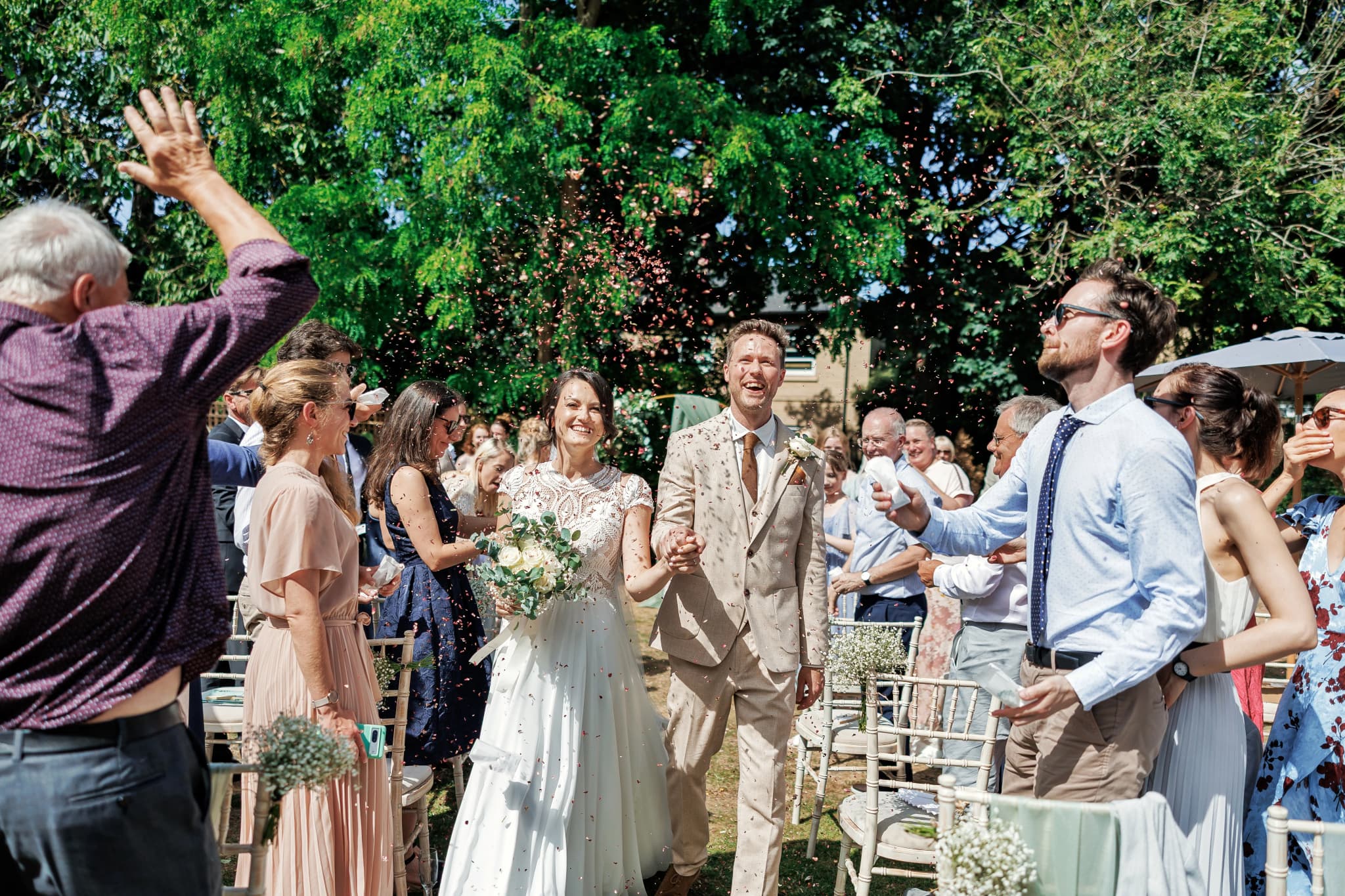

Yana Skakun
Photographer · England
Professional wedding, family and portrait photographer based in England. Passionate about capturing authentic emotions and timeless moments.
About Yana →11amweddingceremonytimeline
Wedding Planning — Professional Photography in Cambridge & England
Yana Skakun is a professional photographer based in Cambridge, covering weddings, families, and portraits across England. Every session is personal — planned around your story, your people, and the moments that matter most. This guide — Why an 11am Ceremony is a Timeline Mistake (And What to Do Instead) — is part of the photography journal: practical, experience-based advice drawn from real sessions across England. Whether you arrived searching for 11am or wedding, the same care and attention shapes every session Yana photographs.
Professional Photography sessions are available year-round, with bookings open across Cambridge, Ely, Huntingdon, Peterborough, and further afield — East England, London, the Midlands, and beyond. If you have specific questions about ceremony, mention it in your enquiry. Get in touch through the contact form above to check availability and discuss your session. Enquiries are welcomed from anywhere in the UK.
Frequently Asked Questions
What camera settings should I use for outdoor portraits?+
For outdoor portraits, shoot in aperture priority mode. Use a wide aperture (f/1.8–f/2.8) to blur the background and isolate your subject. Keep ISO as low as possible in good light. In bright conditions, use a neutral density filter or switch to manual to avoid overexposure at wide apertures.
What is the golden hour in photography?+
Golden hour is the period roughly 30–60 minutes after sunrise and before sunset. The sun is low in the sky, producing warm, soft, directional light that flatters skin tones and creates beautiful long shadows. It's widely considered the best natural light for portrait and outdoor photography.
How do you get sharp photos in low light?+
In low light, increase your ISO (accepting some grain), use the widest aperture your lens allows, and slow your shutter speed to the slowest you can hand-hold without camera shake (roughly 1/focal length as a guide). Use image stabilisation if available, and consider a tripod for static subjects.
What is the rule of thirds in photography?+
The rule of thirds divides the frame into a 3×3 grid. Placing your subject on one of the four intersection points — rather than dead centre — creates a more dynamic, visually interesting composition. It's a guideline, not a rule: some of the most powerful images break it deliberately.
How do you edit photos to look professional?+
Professional editing starts with shooting in RAW format. In Lightroom or similar software, correct exposure, white balance, and contrast first. Recover shadow and highlight detail. Apply gentle colour grading for mood. Be conservative with skin retouching — the goal is natural enhancement, not transformation. Consistency across a set of images is what separates professional from amateur editing.


Get in Touch
Ready to Book Your Session?
Get in touch to discuss your vision — I'll reply within 24 hours.