Yana Skakun

The Best Cotswolds Wedding Planners
By Yana Skakun·10 June 2026·6 min read
I've photographed weddings across the Cotswolds for years, and the difference between a relaxed celebration and a frantic one almost always comes down to one thing: the planner. The honey-coloured villages, dry-stone walls and rolling fields make for breathtaking photographs, but they also hide a logistical maze of marquee permits, single-track lanes and farmhouse venues with no mobile signal. A great Cotswolds wedding planner turns that maze into a calm, beautifully run day, and below I've shared the people and the practical thinking I trust most.
Why a Cotswolds wedding needs a local planner
The Cotswolds spans five counties, and what looks like a quick hop on a map can be forty minutes of winding lane in reality. A planner who knows the region understands that your guests staying in Stow-on-the-Wold can't realistically reach a barn near Tetbury in fifteen minutes, and they build the timeline around that. They know which villages have noise restrictions, which farm venues need generators, and which florists can actually deliver to a remote estate on a Saturday in peak season.
I've seen couples try to coordinate a Cotswolds wedding remotely from London or, in my case as a Cambridge-based photographer, watched friends attempt it from the East of England. It rarely ends well without local eyes on the ground. The best planners have walked the venues in the rain, met the caretakers, and know exactly where the sun sets behind the hawthorn in June.
Leading Cotswolds wedding planners worth knowing
Rather than name a single firm, I want to give you the qualities I look for, because the right planner depends on your venue and your style. Below are the types of specialists who consistently deliver seamless countryside weddings in this part of the world.
- ◆Full-service planners: Ideal for marquee and bare-venue weddings on private estates, where everything from loos to lighting must be brought in and project-managed.
- ◆On-the-day coordinators: Perfect if you've done the planning yourself but want a professional running the schedule so your family can relax and enjoy it.
- ◆Marquee specialists: Essential for field and farm weddings near Bibury or Naunton, handling flooring, wet-weather plans and power without a hitch.
- ◆Country-house experts: Planners with established relationships at venues like Cornwell Manor or Euridge, who know each house's quirks intimately.
- ◆Destination coordinators: Brilliant for couples travelling in from London, the South East, or further afield who need trusted boots on the ground.
- ◆Sustainable wedding planners: A growing speciality for couples wanting locally-sourced food, seasonal Cotswolds flowers and minimal waste.
How to choose the right planner for you
Start with your venue, because it dictates everything. A dressed venue like a country-house hotel may only need an on-the-day coordinator, whereas a blank-canvas barn or a field demands a full-service planner who can conjure infrastructure from nothing. Ask any planner for examples of weddings they've run at venues similar to yours, and pay attention to whether they speak about wet-weather contingencies without you having to prompt them. In England, the rain will come, and a planner who plans for it is worth their fee tenfold.
I also encourage couples to ask how their planner communicates with suppliers. The smoothest days I've photographed are the ones where the planner sends a clear, shared schedule to the florist, caterer, band and me well in advance, so nobody is guessing. When the planner, the venue and the photographer are all reading from the same timeline, the day flows and you actually get to be present at your own wedding.
The weather, the light and the timeline
Cotswolds light is genuinely special. In high summer the golden hour stretches late into the evening, and a planner who builds in a quiet twenty minutes for couple portraits around 8pm gives you some of the most romantic images you'll ever have. The good ones protect that window fiercely, nudging the speeches earlier or the cake later so you don't miss the best light over the valley.
Equally, a seasoned planner has a rain plan that doesn't feel like a compromise. They'll know the dry covered spot at your venue, have umbrellas on standby, and keep the day moving so a passing shower never derails the celebration. Having photographed countryside weddings from Cambridgeshire and Suffolk through to Gloucestershire, I can tell you the calm comes entirely from that level of preparation.
Questions to ask before you book
When you meet a planner, ask how many weddings they take on per weekend, and whether you'll have them personally on the day or a member of their team. Ask how they handle supplier recommendations, and whether they take commission, so you understand their incentives. A trustworthy Cotswolds planner will be transparent, will happily share recent client references, and will give you a clear written scope so there are no surprises later.
Finally, trust the rapport. You'll be in regular contact for months, and on the day this person will be the calm voice steering everything. The best ones make you feel looked after from the very first conversation, and that feeling, in my experience, is the truest sign you've found the right match for your countryside wedding.
Planning a Cotswolds wedding and still searching for your photographer?
I work alongside the region's best planners to capture relaxed, timeless images of your day. Let's check I'm free for your date and chat through your plans.
Check Your Date →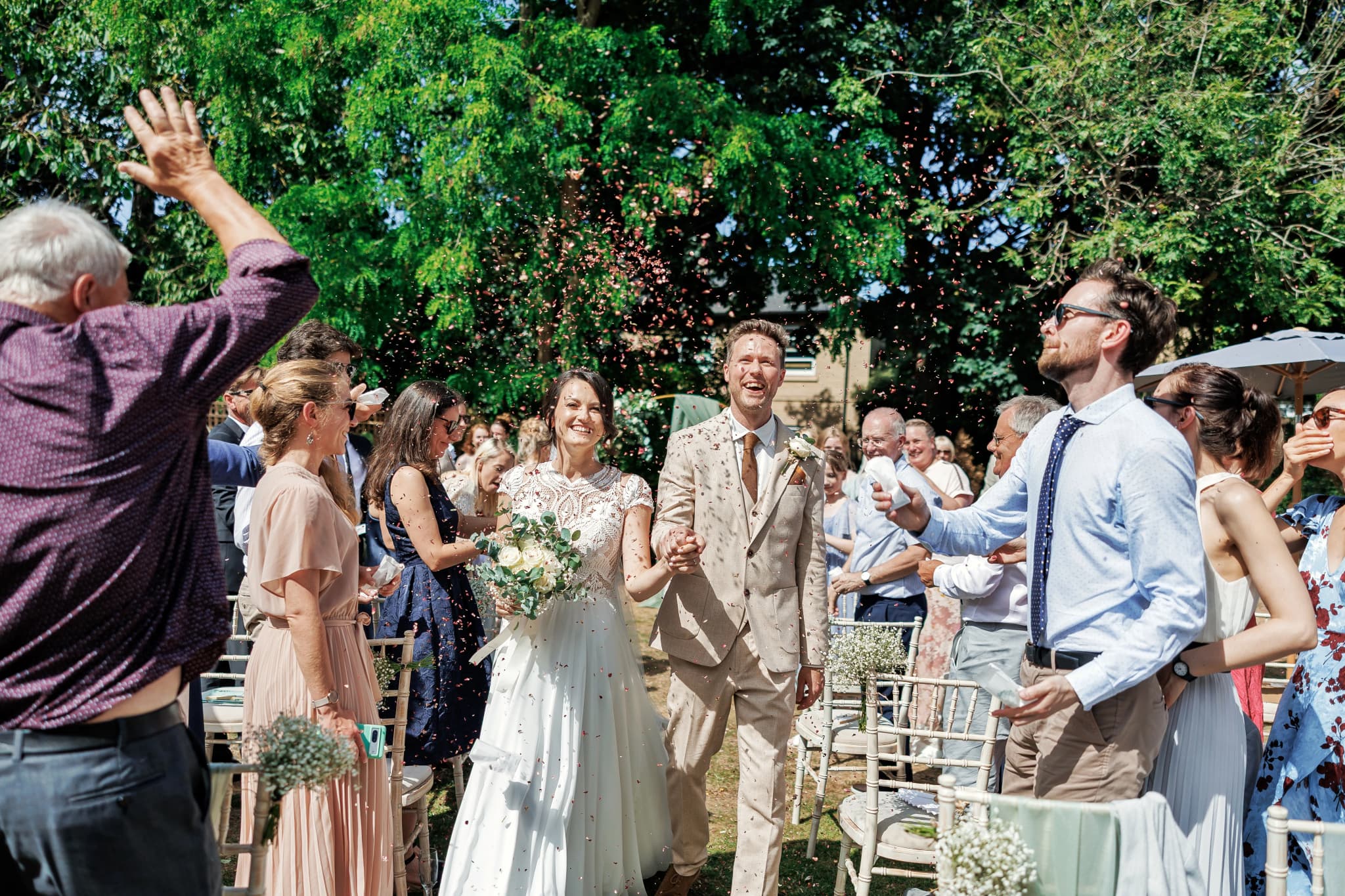

Yana Skakun
Photographer · England
Professional wedding, family and portrait photographer based in England. Passionate about capturing authentic emotions and timeless moments.
About Yana →cotswoldsweddingplannersbest
Wedding Planning — Professional Photography in Cambridge & England
Yana Skakun is a professional photographer based in Cambridge, covering weddings, families, and portraits across England. Every session is personal — planned around your story, your people, and the moments that matter most. This guide — The Best Cotswolds Wedding Planners — is part of the photography journal: practical, experience-based advice drawn from real sessions across England. Whether you arrived searching for cotswolds or wedding, the same care and attention shapes every session Yana photographs.
Professional Photography sessions are available year-round, with bookings open across Cambridge, Ely, Huntingdon, Peterborough, and further afield — East England, London, the Midlands, and beyond. If you have specific questions about planners, mention it in your enquiry. Get in touch through the contact form above to check availability and discuss your session. Enquiries are welcomed from anywhere in the UK.
Frequently Asked Questions
What camera settings should I use for outdoor portraits?+
For outdoor portraits, shoot in aperture priority mode. Use a wide aperture (f/1.8–f/2.8) to blur the background and isolate your subject. Keep ISO as low as possible in good light. In bright conditions, use a neutral density filter or switch to manual to avoid overexposure at wide apertures.
What is the golden hour in photography?+
Golden hour is the period roughly 30–60 minutes after sunrise and before sunset. The sun is low in the sky, producing warm, soft, directional light that flatters skin tones and creates beautiful long shadows. It's widely considered the best natural light for portrait and outdoor photography.
How do you get sharp photos in low light?+
In low light, increase your ISO (accepting some grain), use the widest aperture your lens allows, and slow your shutter speed to the slowest you can hand-hold without camera shake (roughly 1/focal length as a guide). Use image stabilisation if available, and consider a tripod for static subjects.
What is the rule of thirds in photography?+
The rule of thirds divides the frame into a 3×3 grid. Placing your subject on one of the four intersection points — rather than dead centre — creates a more dynamic, visually interesting composition. It's a guideline, not a rule: some of the most powerful images break it deliberately.
How do you edit photos to look professional?+
Professional editing starts with shooting in RAW format. In Lightroom or similar software, correct exposure, white balance, and contrast first. Recover shadow and highlight detail. Apply gentle colour grading for mood. Be conservative with skin retouching — the goal is natural enhancement, not transformation. Consistency across a set of images is what separates professional from amateur editing.
Continue Reading
Related Articles


Get in Touch
Ready to Book Your Session?
Get in touch to discuss your vision — I'll reply within 24 hours.