Yana Skakun

The Best Wedding Florists in Cambridge for 2026
By Yana Skakun·10 June 2026·6 min read
As a wedding photographer who has spent more mornings than I can count crouched in Cambridgeshire college courtyards waiting for the light to soften, I've learned that flowers do far more for your wedding than fill a vase. They set the colour palette of every photograph, they give your hands something to do, and they catch the breeze in a way that makes a still image feel alive. So when couples ask me which florists they should book in Cambridge, I have opinions — and they're shaped by watching these arrangements survive everything from June heatwaves to drizzly October ceremonies on the Backs.
Why your florist matters more than you think
Couples tend to budget for flowers as decoration, but on the day they become the connective thread running through your whole story. The bridal bouquet appears in nearly every portrait, the buttonholes anchor the groom and groomsmen, the table arrangements frame your guests during the speeches, and the ceremony installation is the backdrop to the moment you actually get married. A florist who understands tone and texture is, in practice, a co-author of your photographs.
There's also a very practical Cambridge dimension. Many of our finest venues — the Cambridge colleges, the orangeries, the medieval barns out towards Suffolk — have strict rules about fixings, candles and what can touch the historic stone. A local florist who has worked at King's, Trinity or one of the Madingley-style country houses already knows the access times, the listed-building constraints and the quirks of each space. That experience saves you from awkward conversations with a college porter an hour before your ceremony.
The best wedding florists in Cambridge for 2026
I won't pretend this is an exhaustive directory, but these are the styles and studios I consistently see produce work that photographs beautifully and holds up through a long Cambridgeshire wedding day. Rather than rank them like a league table, I've grouped them by the kind of couple and aesthetic they suit best, because the "best" florist is always the one whose handwriting matches your vision.
- ◆Garden-loose romantics: Studios working in soft, foraged, English-garden palettes built around David Austin roses, sweet peas and seasonal foliage. They suit Cambridge college lawns and orangery weddings beautifully and photograph with gorgeous movement.
- ◆Bold and architectural: For couples drawn to deep jewel tones, structural blooms and dramatic hanging installations. This style sings inside the grand dining halls and high-ceilinged barns around Cambridgeshire.
- ◆Sustainable and locally grown: Flower-farmer florists who grow within a few miles of the city and work strictly to season. Expect tulips and ranunculus in spring, dahlias come late summer, and a much smaller carbon footprint.
- ◆Minimal and modern: Sparse, considered arrangements with single-variety stems and clean lines — ideal for contemporary Cambridge venues, registry-style ceremonies and editorial-leaning couples.
- ◆Full-service stylists: Teams who handle florals alongside candles, linens and lighting. Worth the premium if you're planning from afar or want one supplier owning the whole look.
- ◆Boutique and budget-friendly: Smaller one-person studios doing bouquets, buttonholes and a handful of arrangements. Perfect for intimate weddings and elopements where you want quality over scale.
How blooms shape your photographs
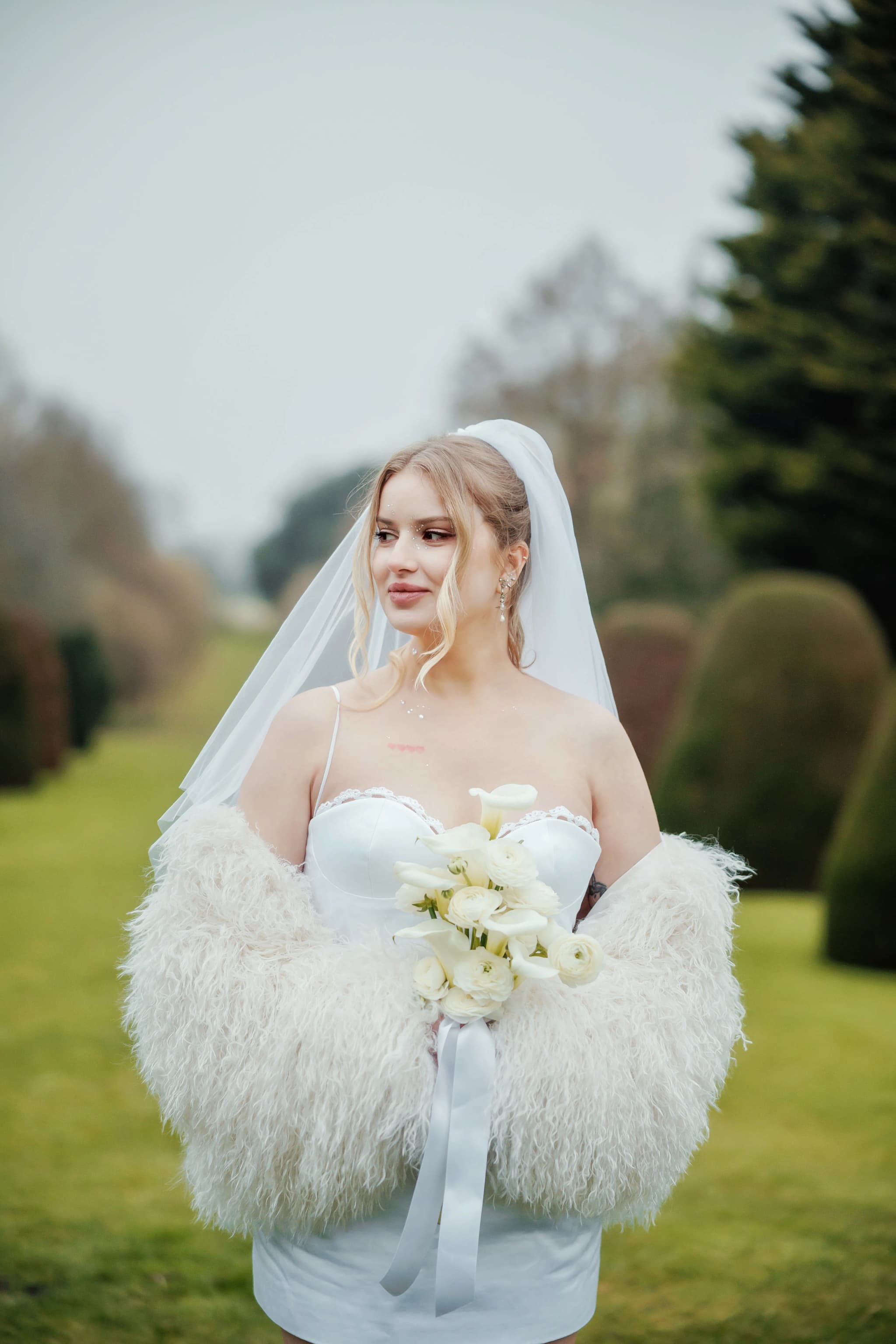
Here's the part I care about most. Colour theory does quiet, powerful work in a wedding album. A bouquet of blush and ivory reflects warm light back onto your face during portraits, which is wonderfully flattering in the golden hour we chase along the River Cam. Deep burgundy and inky blues, by contrast, read as moody and editorial, and they hold their drama even under the flat grey skies we so often get in an English autumn.
Texture matters just as much as colour. Trailing greenery, wispy grasses and loosely tied ribbons introduce movement, so when a gust comes across an open Cambridgeshire field your bouquet looks intentional rather than messy. Tight, compact posies photograph cleanly but can feel static. I always nudge couples towards a little asymmetry — it gives my camera something to follow.
Scale is the detail most people overlook. An installation that looks generous in a florist's Instagram can vanish inside a soaring college chapel, while an arch that fits a marquee may overwhelm an intimate registry room. A good Cambridge florist will ask for your venue, your ceiling heights and ideally a few photos before they ever quote you.
Seasonal blooms and the Cambridgeshire weather
Booking seasonally is the single best way to get beautiful flowers without overspending. Spring weddings here lend themselves to tulips, hellebores and blossom; early summer brings peonies and those impossibly romantic garden roses; late summer and autumn deliver dahlias, cosmos and rich foliage in copper and rust. Insisting on out-of-season peonies in October means importing them at a premium — and they rarely look as good as a seasonal alternative grown half an hour from the city.
Weather is a genuine planning factor in our region. East Anglia is one of the drier, sunnier corners of the UK, but a humid July day can wilt delicate blooms by the time the speeches finish. The best florists build in hardier varieties for heat, mist your bouquet before portraits, and keep a few spare stems for repairs. Ask any florist you're considering how they handle a 28-degree day — their answer tells you a great deal.
Booking timeline and questions to ask
The most sought-after Cambridge florists book twelve to eighteen months ahead, especially for peak Saturdays between May and September. If you have a college venue with a fixed date, secure your florist as soon as your venue and photographer are confirmed. For smaller boutique studios and weekday weddings you can often book closer in, but I wouldn't leave it past six months.
When you meet a florist, ask whether they've worked at your specific venue, how they price installations versus personal flowers, and whether you can repurpose ceremony arrangements for the reception — a clever way to stretch a budget. Ask to see a real wedding album rather than only styled shoots, because styled shoots are made in perfect conditions and your wedding won't be. And do tell them who's photographing you; the best suppliers happily share timings so your flowers are ready when the light is.
Planning a Cambridge wedding and want photographs your flowers deserve?
I work alongside the city's loveliest florists every season and I'd love to help your blooms shine in every frame. Let's talk through your venue, your palette and your date.
Check Your Date →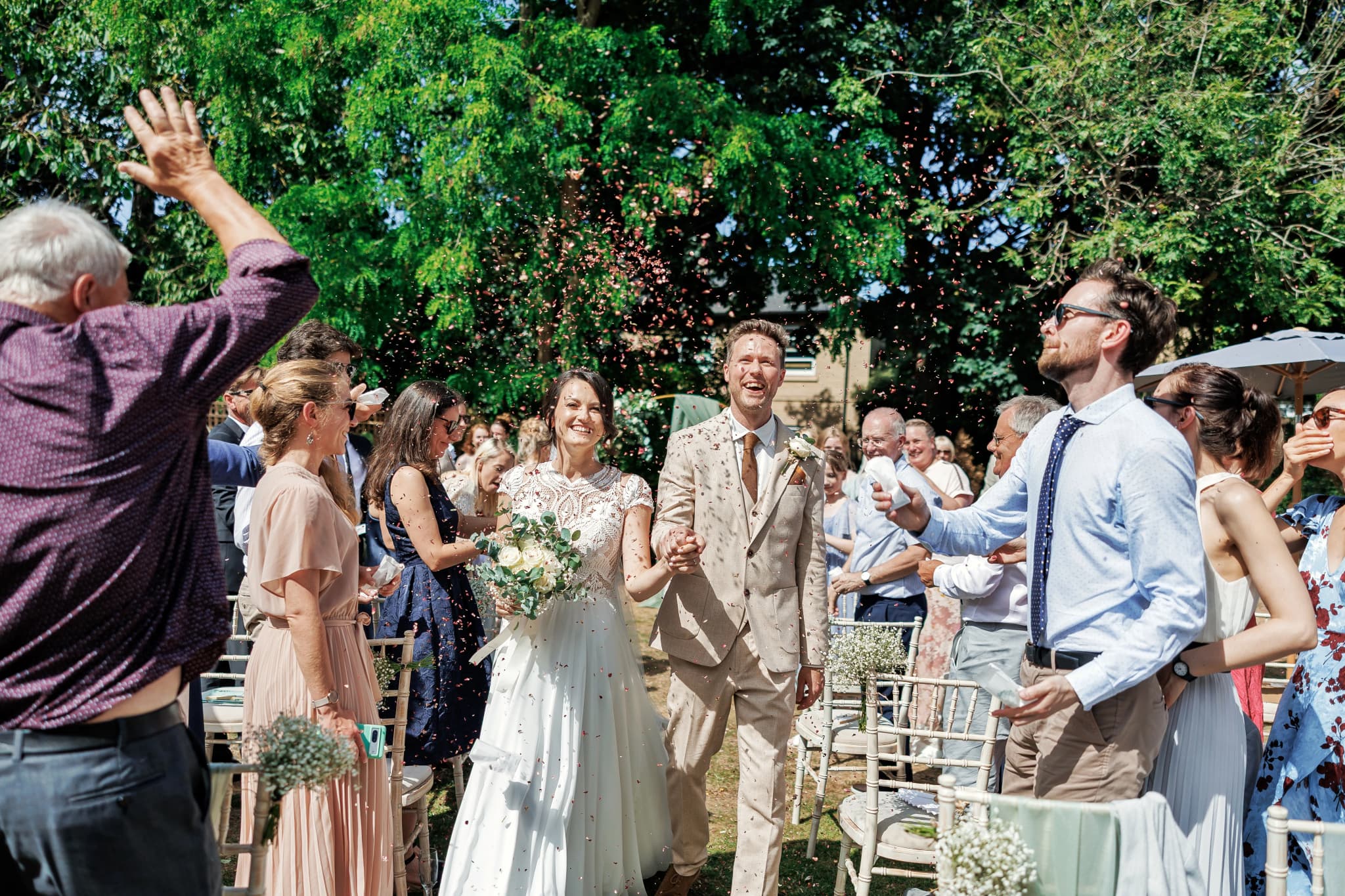

Yana Skakun
Photographer · England
Professional wedding, family and portrait photographer based in England. Passionate about capturing authentic emotions and timeless moments.
About Yana →bestweddingfloristscambridge
Wedding Planning — Professional Photography in Cambridge & England
Yana Skakun is a professional photographer based in Cambridge, covering weddings, families, and portraits across England. Every session is personal — planned around your story, your people, and the moments that matter most. This guide — The Best Wedding Florists in Cambridge for 2026 — is part of the photography journal: practical, experience-based advice drawn from real sessions across England. Whether you arrived searching for best or wedding, the same care and attention shapes every session Yana photographs.
Professional Photography sessions are available year-round, with bookings open across Cambridge, Ely, Huntingdon, Peterborough, and further afield — East England, London, the Midlands, and beyond. If you have specific questions about florists, mention it in your enquiry. Get in touch through the contact form above to check availability and discuss your session. Enquiries are welcomed from anywhere in the UK.
Frequently Asked Questions
What camera settings should I use for outdoor portraits?+
For outdoor portraits, shoot in aperture priority mode. Use a wide aperture (f/1.8–f/2.8) to blur the background and isolate your subject. Keep ISO as low as possible in good light. In bright conditions, use a neutral density filter or switch to manual to avoid overexposure at wide apertures.
What is the golden hour in photography?+
Golden hour is the period roughly 30–60 minutes after sunrise and before sunset. The sun is low in the sky, producing warm, soft, directional light that flatters skin tones and creates beautiful long shadows. It's widely considered the best natural light for portrait and outdoor photography.
How do you get sharp photos in low light?+
In low light, increase your ISO (accepting some grain), use the widest aperture your lens allows, and slow your shutter speed to the slowest you can hand-hold without camera shake (roughly 1/focal length as a guide). Use image stabilisation if available, and consider a tripod for static subjects.
What is the rule of thirds in photography?+
The rule of thirds divides the frame into a 3×3 grid. Placing your subject on one of the four intersection points — rather than dead centre — creates a more dynamic, visually interesting composition. It's a guideline, not a rule: some of the most powerful images break it deliberately.
How do you edit photos to look professional?+
Professional editing starts with shooting in RAW format. In Lightroom or similar software, correct exposure, white balance, and contrast first. Recover shadow and highlight detail. Apply gentle colour grading for mood. Be conservative with skin retouching — the goal is natural enhancement, not transformation. Consistency across a set of images is what separates professional from amateur editing.


Get in Touch
Ready to Book Your Session?
Get in touch to discuss your vision — I'll reply within 24 hours.